
All Places
1,073 places around the world
1,073 places · page 22 of 45
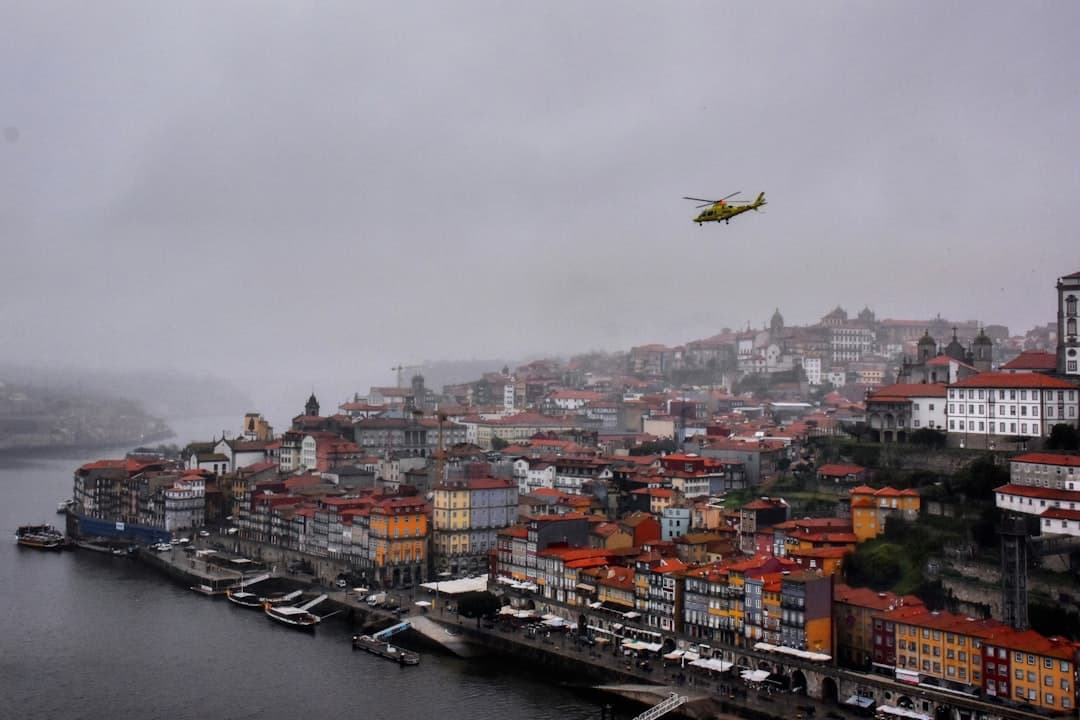
Livraria Lello
Livraria Lello is one of the most celebrated bookshops in the world, and it earns that title the moment you walk through the door. Built in 1906 and designed by engineer Francisco Xavier Esteves in a neo-Gothic style, it occupies a narrow but soaring space on Rua das Carmelitas in Porto's historic university district. The ornate red staircase at its centre, the stained-glass skylight overhead, and the richly carved wooden shelving have made it a pilgrimage site for book lovers and architecture enthusiasts alike. It became especially famous after J.K. Rowling, who lived in Porto in the early 1990s while teaching English, is widely said to have drawn inspiration from it for Hogwarts and Flourish & Blotts — though the bookshop is careful not to overplay this connection, as it was already extraordinary long before Harry Potter existed. Visiting means joining a slow-moving but genuinely rewarding crowd through two floors of beautifully arranged books — mostly in Portuguese, though there's a solid English section. The double staircase is the centrepiece: swooping, lacquered in deep red, and almost impossibly photogenic. You come to browse, to linger, to look up at the light coming through the Art Nouveau glass ceiling. There's a small café area, and the shop stocks a range of illustrated editions, literary gifts, and Porto-related titles alongside its main collection. Because demand is so intense, tickets are now required — bought in advance online — and the entry fee (currently a few euros) is redeemable against any purchase in the shop. The queue without a pre-booked ticket can be brutal, especially in summer, so booking online the day before or morning of your visit is strongly recommended. Aim for early morning when it opens at 9am for the thinnest crowds and the best light through that famous skylight. The bookshop is a short walk from the Torre dos Clérigos and sits in the same neighbourhood as Porto's main university, so it pairs naturally with a wander through the Bairro das Artes and a coffee at Majestic Café on Rua de Santa Catarina.
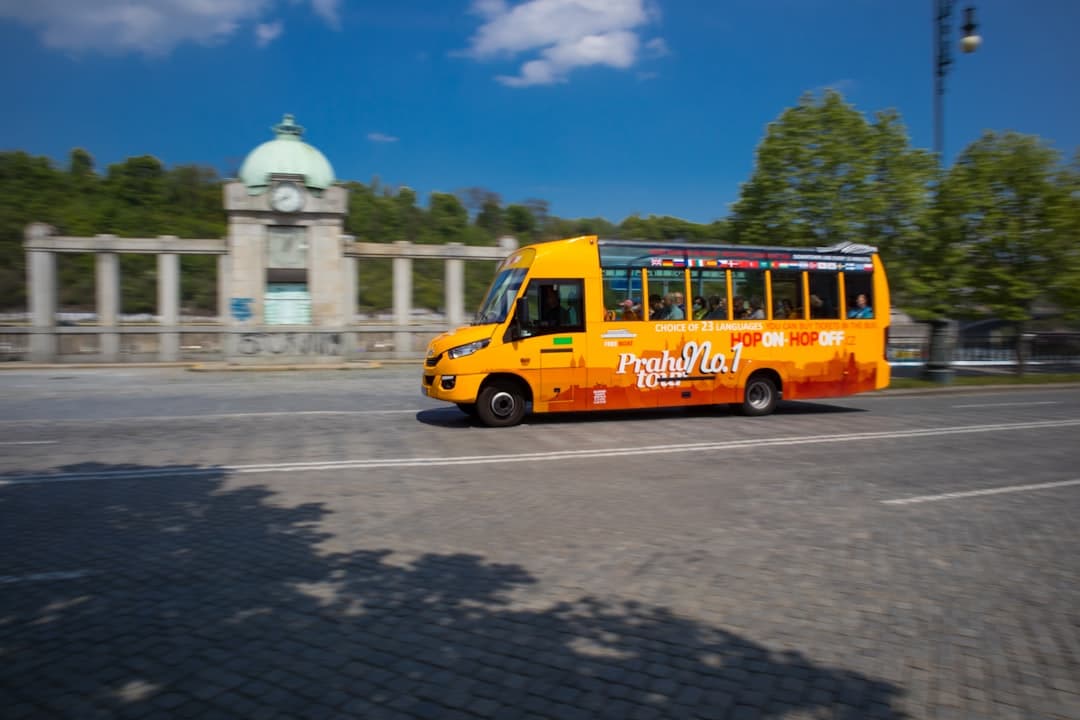
Lobkowicz Palace
Lobkowicz Palace is the only privately owned building inside Prague Castle, and that distinction matters more than it might sound. After decades of communist-era confiscation, the Lobkowicz family — one of Bohemia's oldest noble houses — reclaimed the palace in 2002 and turned it into a museum that feels genuinely personal rather than institutionally curated. The collection they've assembled here over centuries includes some extraordinary things: original manuscripts by Beethoven and Mozart with the composers' own handwritten annotations, paintings by Pieter Brueghel the Elder and Canaletto, and priceless arms and armor that once belonged to Czech royalty. Visiting feels different from the state-run parts of Prague Castle. You pick up an audio guide narrated by members of the Lobkowicz family themselves — William Lobkowicz, who led the restitution effort, and his wife Sandra — and they walk you through the rooms with an intimacy you simply don't get in a government museum. The art is displayed with real context and evident pride of ownership. Highlights include Beethoven's annotated score for his Fourth and Fifth Symphonies, a Brueghel hunting scene of remarkable detail, and portraits tracing the family's history across five centuries. The palace café at the end has a terrace with views over the Malá Strana rooftops that are genuinely hard to beat. Because most visitors to Prague Castle focus on St. Vitus Cathedral and the Old Royal Palace, Lobkowicz tends to be quieter than it deserves to be — which works in your favor. It sits at the eastern end of the castle complex near the Jiřská gate, so visiting it last on your castle circuit makes geographic sense. Budget around 90 minutes to two hours if you're engaging seriously with the audio guide, which you absolutely should.
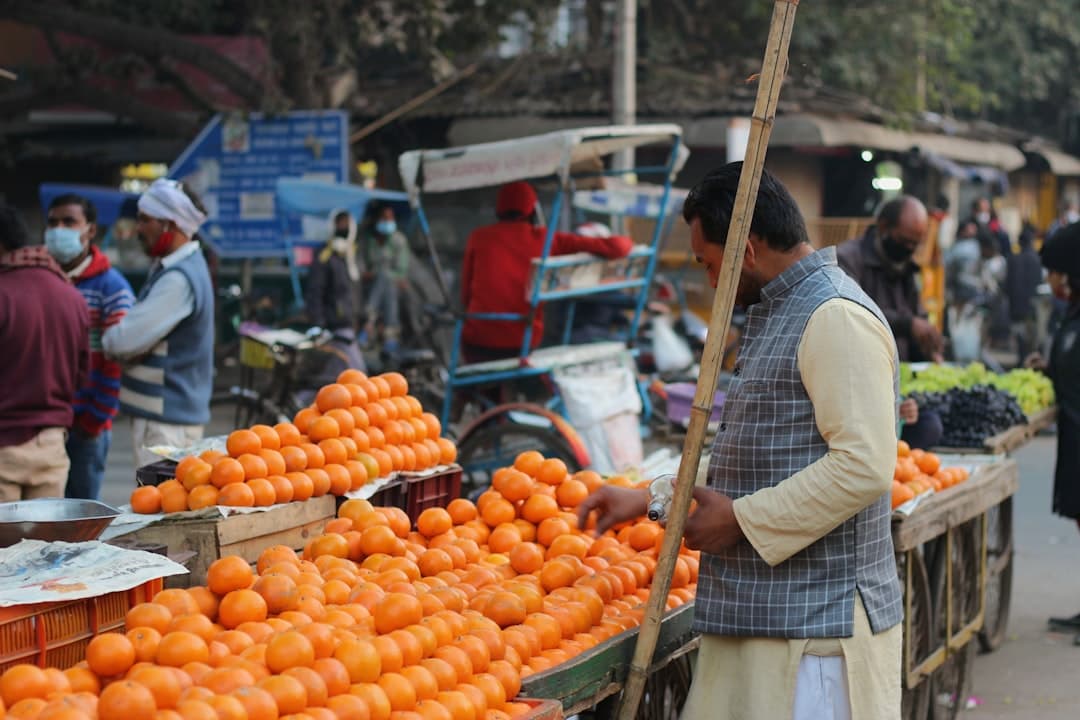
Lodi Garden
Lodi Garden is a 90-acre public park in central Delhi that happens to contain some of the finest 15th and 16th-century Islamic architecture anywhere in India. The monuments scattered across its lawns — most notably the domed tombs of Mohammed Shah and Sikandar Lodi — were built by the Sayyid and Lodi dynasties, the last rulers of the Delhi Sultanate before the Mughals arrived. The British-era garden surrounding them was formally landscaped in the 1930s under Lady Willingdon, which is why old-timers still sometimes call it Lady Willingdon Park. The combination of serious history and serious greenery in the middle of one of the world's most chaotic capitals makes it unlike almost anywhere else. A visit involves a lot of wandering. The tombs aren't roped off or heavily museumified — you can walk right up to them, peer inside the dark octagonal chambers, and look up at ceilings with geometric plasterwork that's held its detail for five centuries. Between the monuments, the park fills up with morning joggers, yoga groups, young couples finding shade, and picnicking families on weekends. The rose garden section blooms spectacularly in winter. There's also a glass-walled restaurant on the grounds and a small bridge over a lake where you can spot resident birds including kingfishers and herons. Come early morning if you want the contemplative version — soft light, cool air, and mostly just locals getting their exercise before the tour groups arrive. Late afternoon is the romantic option, when the sandstone tombs go amber in the setting sun. Entry is free for Indian citizens and very inexpensive for foreign nationals, making it one of Delhi's great no-excuse visits.
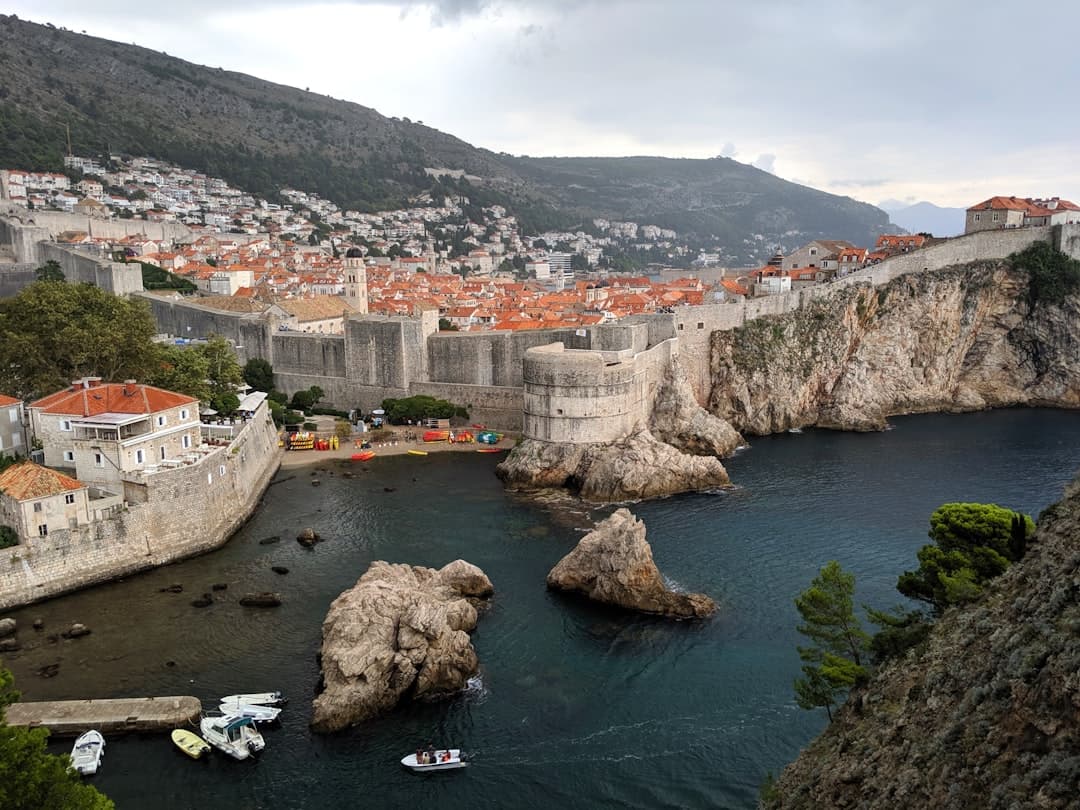
Lokrum Island
Lokrum is a small, forested island sitting roughly 600 meters off the coast of Dubrovnik's Old Town, reachable by a short ferry ride. It has been a place of myth and pilgrimage for centuries — Benedictine monks established a monastery here in the 11th century, and Richard the Lionheart is said to have been shipwrecked nearby on his return from the Crusades. Today it functions as a protected nature reserve, which means no one lives here permanently and no cars, hotels, or commercial development are allowed. That status is exactly what makes it feel like a genuine escape from one of Croatia's most tourist-saturated cities. On the island you can wander through a botanical garden planted by Archduke Maximilian of Austria in the 19th century, explore the atmospheric ruins of the old Benedictine monastery, and swim in the Dead Sea — a small saltwater lake connected to the Adriatic by an underground channel that makes the water unusually calm and buoyant. Peacocks roam freely across the grounds, which is charming and slightly absurd in equal measure. There are rocky coves around the perimeter for swimming, a modest beach, and a fort at the island's highest point with views back toward Dubrovnik and out to the open sea. Game of Thrones fans may recognize parts of it — the monastery cloisters were used as the setting for the House of the Undying in Season 2. Ferries run regularly from the Old Town harbour, and the island is small enough to walk entirely in a couple of hours. That said, most visitors settle in for a half-day — swimming, picnicking, and enjoying the shade of the dense forest. Bring your own food and water since on-island options are limited and expensive. Lokrum closes to visitors overnight; the last ferry back is timed to coincide with sunset, which itself is reason enough to linger.
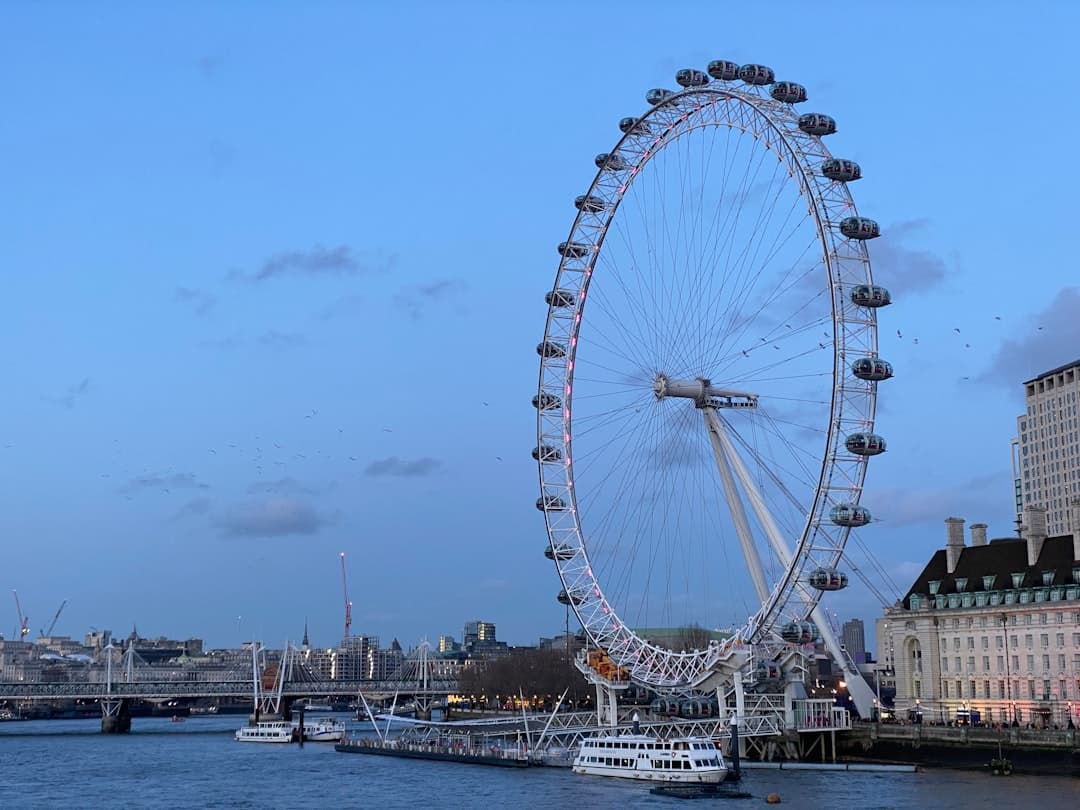
London Eye
The London Eye is a giant observation wheel on the South Bank of the Thames, standing 135 metres tall and offering sweeping 360-degree views across the capital. Opened in 2000 as part of the millennium celebrations, it was originally intended as a temporary structure — it proved so popular it became permanent, and is now one of the most visited paid attractions in the UK. Each of its 32 enclosed glass capsules holds up to 25 people and represents one of London's 32 boroughs. A full rotation takes about 30 minutes, moving slowly enough that you don't feel any motion. On a clear day you can see as far as Windsor Castle, roughly 25 miles away. Closer in, you get a bird's-eye spread of the Thames bend, the Houses of Parliament directly across the river, St Paul's Cathedral, the City of London skyline, and the green expanse of Hyde Park. It's a genuinely useful way to orient yourself in a city that can feel sprawling and hard to read from the ground. The wheel is located right beside the Thames on the South Bank, next to the old County Hall building, and within easy walking distance of Waterloo station, the Southbank Centre, and the Tate Modern. Buying tickets online in advance is strongly recommended — walk-up queues can be brutal in peak season. The later slots on Friday, Saturday, and Sunday evenings are worth seeking out for the sunset and dusk views, which are far more atmospheric than the middle of a bright afternoon.
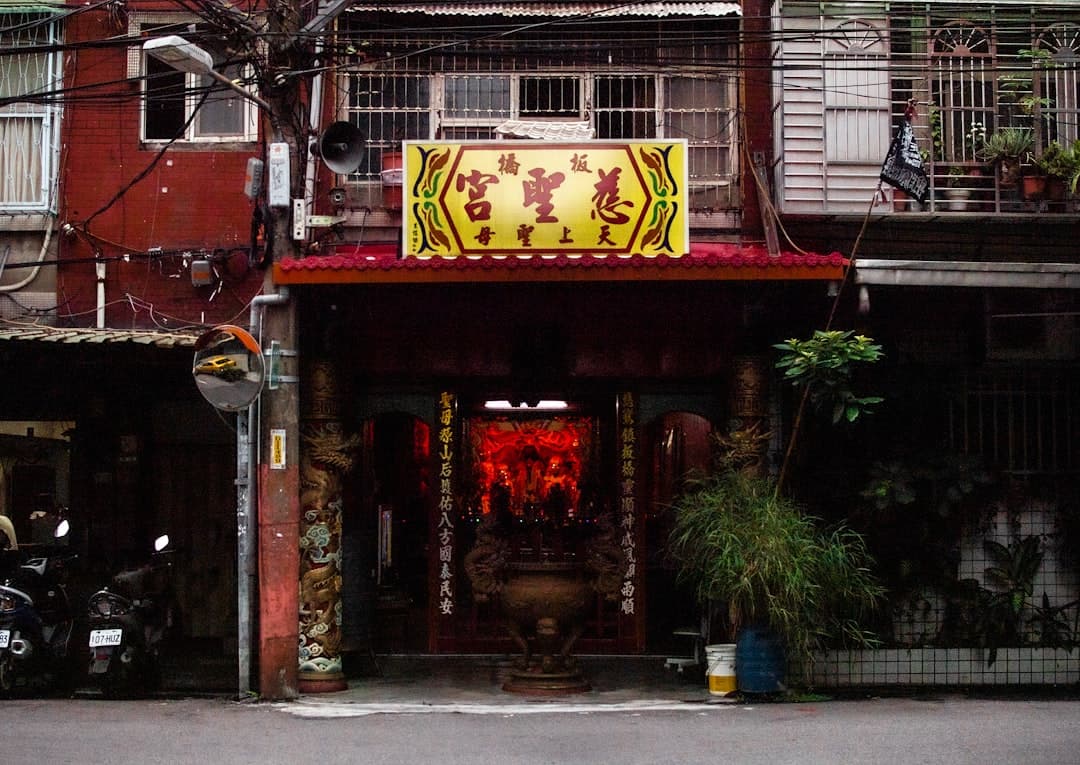
Longshan Temple
Longshan Temple is a working Buddhist and Taoist temple in the Wanhua district — Taipei's oldest neighborhood — that has been a spiritual anchor for this city since 1738. It was built by settlers from Fujian province, destroyed and rebuilt multiple times through war and disaster, and today stands as one of the finest examples of traditional Taiwanese religious architecture anywhere in the country. This isn't a museum piece: hundreds of worshippers come here every single day, burning incense and offering prayers to a pantheon that includes Guanyin (the Buddhist goddess of mercy) alongside Taoist deities like Mazu, the sea goddess. The mingling of two religious traditions under one roof is entirely normal in Taiwan, and Longshan is one of the best places to see that living syncretic faith in action. The temple complex rewards slow, curious exploration. The main hall is spectacular — intricate stone columns carved with dragons, a ceiling layered with colorful painted woodwork, and an almost theatrical quality to the light filtering through incense smoke. In the rear courtyard, you'll find shrines to deities with very specific portfolios: one for students seeking exam success, one for health, one for love and matchmaking (the god Yue Lao, with his red thread of fate, is genuinely popular here). Worshippers queue to shake bamboo fortune-telling sticks until one falls out, then interpret its meaning from printed slips — it's called poe divination and you can observe it freely. The courtyard garden out front is equally worth your time, a shaded public square where elderly locals practice tai chi in the morning and chess players gather in the afternoon. The temple sits right on the MRT Longshan Temple stop (Blue Line), making it effortless to reach. Come early morning if you want to see the most devoted daily worship — the pre-dawn hours draw serious regulars, though 6am is more realistic for visitors. Midday on weekends can feel crowded with tour groups. The neighborhood around it, Hua Xi Street and the surrounding lanes, has a gritty, old-Taipei character worth wandering — the former snake market has cleaned up considerably, but the area retains an authentically unpolished energy that contrasts well with the temple's formality.
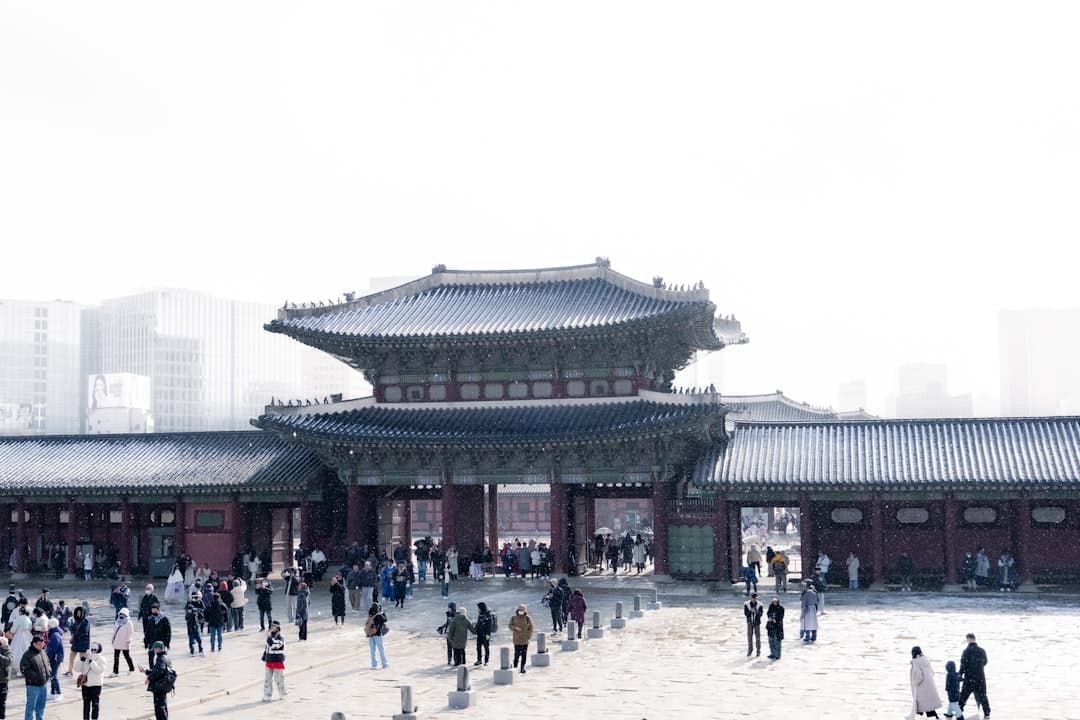
Lotte World Tower
Lotte World Tower is a 555-metre, 123-floor glass spire that dominates the Seoul skyline from the Songpa district — it's the fifth tallest building in the world and the tallest in Korea. Completed in 2017 after nearly a decade of construction, it sits right next to Lotte World, one of the world's largest indoor theme parks, and the artificial Seokchon Lake, making this corner of the city one of Seoul's most visited districts. The tower itself is more than an observation deck: it contains a luxury hotel (Signiel Seoul, occupying floors 76–101), high-end retail, restaurants, and the Seoul Sky observation deck near the top. The main reason most visitors come is Seoul Sky, which spans floors 117 to 123. The experience is genuinely impressive — you ascend in a glass-floored elevator, arrive at an indoor observation deck with floor-to-ceiling windows, and can step out onto a narrow outdoor terrace on floor 118. On a clear day you can see all the way to the mountains ringing the city, Namsan Tower, the Han River snaking westward, and the dense urban grid stretching in every direction. The glass floor section is predictably nerve-wracking and obligatory. There's also a sky bridge, a café, and a cocktail lounge called Cloud 123 up here, which makes for one of the more dramatic places to have a drink in Asia. Book your Seoul Sky tickets online in advance — queues at the desk can be long, especially on weekends and public holidays. The sunset slot (roughly an hour before dark) is the sweet spot: you get daylight panoramas that shift into a glittering city-lights view without having to visit twice. The surrounding Lotte World Mall and Seokchon Lake are worth factoring into your visit, particularly in spring when the lakeside cherry blossoms are spectacular.
Lotus Temple
The Lotus Temple is a Bahá'í House of Worship completed in 1986, designed by Iranian-Canadian architect Fariborz Sahba. Its structure consists of 27 free-standing marble-clad petals arranged in clusters of three, forming the shape of a half-open lotus flower — one of the most recognisable pieces of modern religious architecture anywhere in the world. The Bahá'í Faith teaches the unity of all religions and peoples, so the temple has no clergy, no rituals, and no religious iconography inside. Anyone, regardless of faith or background, is welcome to enter, sit in silence, meditate, or pray. Visiting is a genuinely calm experience by Delhi standards. You approach through a long landscaped pathway flanked by nine reflecting pools, which mirror the petals on bright days and give the whole structure an almost dreamlike quality. Inside the main hall, which seats around 1,300 people, the soaring white interior is stripped of everything except light — no altars, no statues, no decoration. Readings from various scriptures are occasionally offered, but mostly people simply sit. The quality of the silence inside, given that thousands of visitors pass through daily, is remarkable. The temple is located in Kalkaji in south Delhi and is easily reached by metro — Lotus Temple station on the Violet Line deposits you almost at the entrance. Queues can be long on weekends and public holidays, particularly in the cooler winter months when Delhi is full of tourists. Arriving early, around opening time at 8:30 AM, means shorter lines and softer morning light on the marble. Photography is not permitted inside the hall itself, but the exterior and grounds are endlessly photogenic.
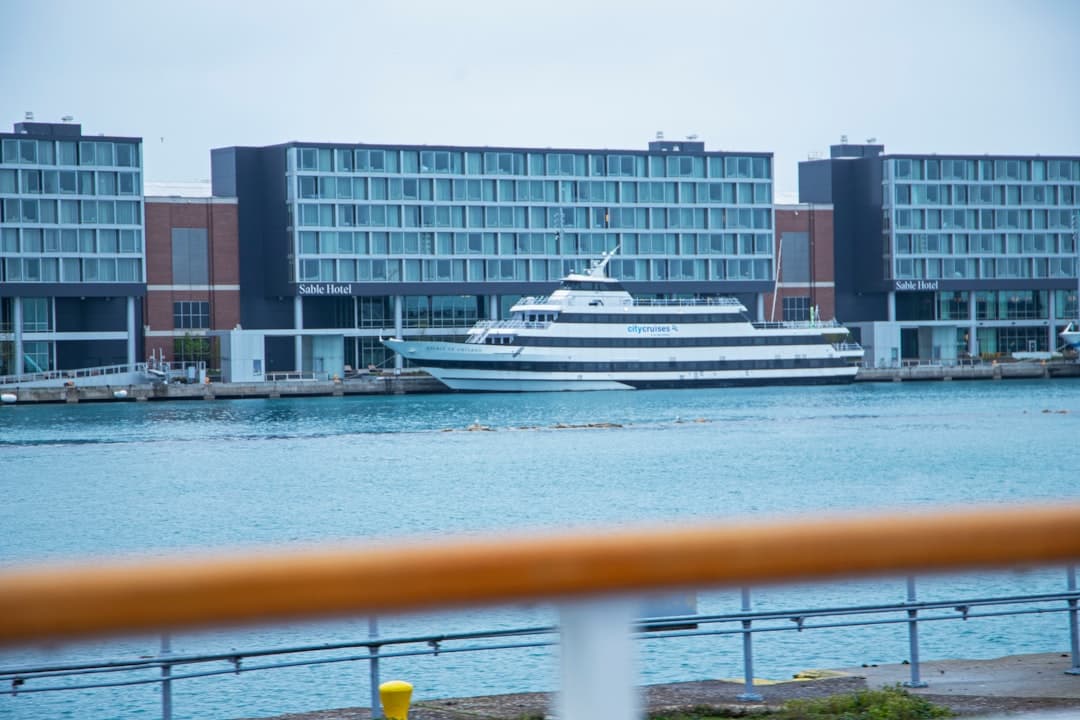
Lou Malnati's Pizzeria
Lou Malnati's is one of Chicago's most beloved and longest-running deep-dish pizzerias, founded by Lou Malnati in 1971 in Lincolnwood before expanding across the city. The Malnati family has deep roots in Chicago pizza history — Lou's father Rudy helped develop the deep-dish style at Pizzeria Uno in the 1940s — which means this isn't just a restaurant, it's a living piece of culinary history. The River North location on Wells Street is one of the busiest and most visited in the city, perfectly positioned for locals and visitors alike. What you're coming here for is the pizza, full stop. Lou Malnati's builds its deep-dish on a flaky, buttery crust — notably different from the doughier crusts at competitors like Gino's East or Giordano's. The cheese goes down first, directly onto the crust, followed by toppings, then a chunky, slightly sweet tomato sauce on top. The Lou, their signature pie with sausage, is the one to order. Deep-dish takes 30–45 minutes to bake, so plan accordingly — it's a sit-down, linger-over-it kind of meal. They also do a terrific thin crust if someone in your group isn't sold on the deep-dish style. The Wells Street location in River North is usually busy, especially on weekend evenings, and waits can stretch past an hour without a reservation. Reservations are genuinely worth making. Lunch on a weekday is significantly calmer and a great window to visit if you want a more relaxed experience. The restaurant ships its frozen pizzas nationwide, but eating one here, fresh out of the oven, is a different experience entirely.
Louvre Museum
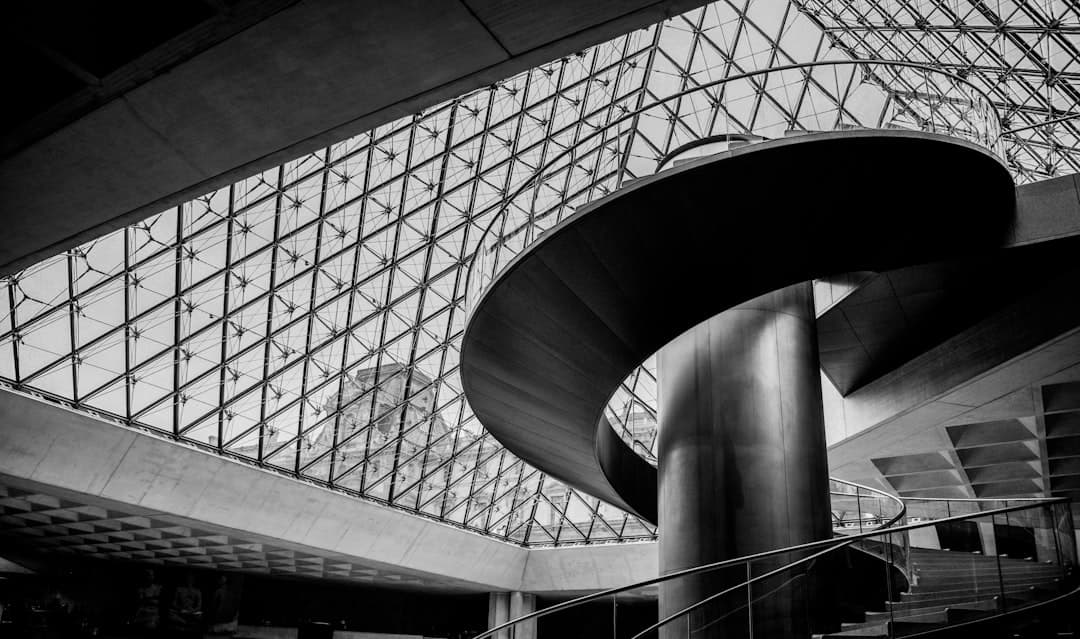
The Louvre is the world's most visited museum and one of the largest, occupying a grand palace complex on the right bank of the Seine that served as the seat of French royalty for centuries before becoming a public museum during the Revolution in 1793. It holds somewhere in the region of 35,000 works on permanent display — paintings, sculptures, antiquities, decorative arts — spanning from ancient Mesopotamia to the mid-19th century. The glass pyramid entrance, designed by architect I.M. Pei and opened in 1989, sits at the centre of the Cour Napoléon and has become as iconic as anything inside. Most visitors come for the headline works: the Mona Lisa (smaller than you expect, behind glass, perpetually mobbed), the Venus de Milo, and the Winged Victory of Samothrace — the latter dramatically positioned at the top of a grand staircase and genuinely breathtaking. But the Louvre rewards anyone who wanders beyond these marquee stops. The ancient Egypt galleries are extraordinary, the Mesopotamian antiquities — including the Code of Hammurabi — are among the finest in the world, and the French crown jewels and royal apartments in the Richelieu Wing give real insight into the scale of Bourbon ambition. The building itself is part of the experience: gilded ceilings, parquet floors, and rooms that once housed kings. The museum is divided into three wings — Denon, Sully, and Richelieu — and attempting to see everything in one visit is a fool's errand. Smart visitors pick two or three areas and go deep rather than rushing the whole thing. Book timed-entry tickets online well in advance, especially in summer. Wednesday and Friday evenings, when the museum stays open until 9pm, are significantly less crowded than daytime slots and are the insider's choice for a more peaceful experience.
Lovrijenac Fortress
Lovrijenac Fortress is a medieval stronghold perched on a 37-metre sheer rock just outside the western walls of Dubrovnik's Old Town. Built in the 11th century and continually reinforced over the following centuries, it was one of the city's most critical defenses — guarding the western approach to the city from both land and sea. The fortress is most famous for its inscription carved above the entrance gate: "Non bene pro toto libertas venditur auro" — freedom is not sold for all the gold in the world. That motto captures everything about Dubrovnik's fierce independent spirit, and Lovrijenac was built to back it up. Visiting the fortress means climbing a steep stone staircase to reach the entrance, then exploring three levels of terraces, battlements, and cannon positions. The inner courtyard is surprisingly open, and the views from the top are genuinely exceptional — looking back at the Old Town walls, out over the Adriatic, and down to the Bokar Fortress and the rocky coastline below. There's relatively little in the way of exhibits inside, but that's almost beside the point. The architecture and the position are the attraction. During the Dubrovnik Summer Festival (July and August), the courtyard becomes an outdoor stage for Shakespeare productions — Hamlet has been performed here many times, and the setting is extraordinary. Lovrijenac is included in the standard Dubrovnik City Walls ticket, which is genuinely good value. You access it via a separate entrance near the Pile Gate — it's a short walk from the main walls circuit, but you do need to exit the walls and walk around to get there. Many visitors skip it because it's slightly out of the way; don't make that mistake. Morning visits offer the best light for photography and fewer crowds. Wear proper shoes — the stone steps and surfaces are steep and can be slippery.
Lumphini Park
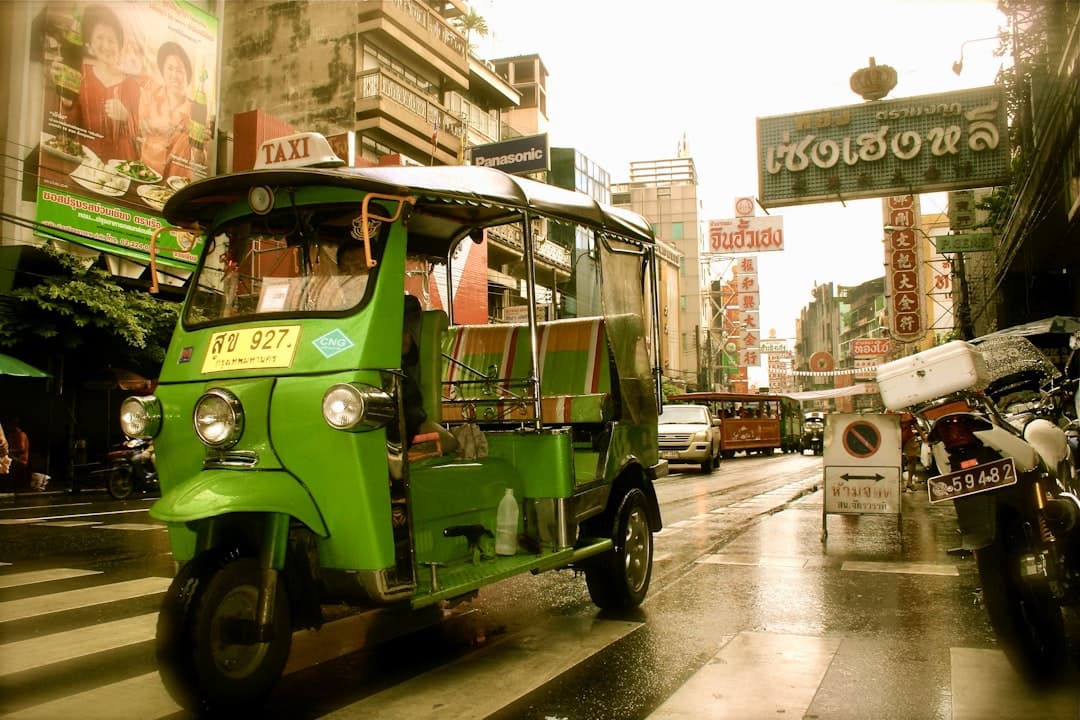
Lumphini Park is Bangkok's most beloved public green space — a 360-acre oasis sitting at the heart of one of Southeast Asia's densest cities. Named after the birthplace of the Buddha in Nepal, it was established in the 1920s by King Vajiravudh and has been the city's communal backyard ever since. Surrounded by the glass towers of Silom and the embassies of Wireless Road, the park feels like a genuine act of civic generosity — wide lawns, shaded footpaths, large artificial lakes, and enough canopy cover to actually lower the temperature a few degrees from the concrete outside its gates. The experience shifts dramatically depending on when you show up. At dawn, the park fills with Thai locals doing aerobics in coordinated groups, tai chi practitioners moving through slow routines by the lakeside, and joggers pounding a well-worn circuit around the perimeter. Paddle boats shaped like swans drift across the lake on weekend mornings. The park's most famous residents — enormous monitor lizards, some reaching two metres in length — bask on the banks and occasionally amble across paths with complete indifference to the humans around them. In the evenings, food vendors set up near the entrances, couples walk the lit paths, and the whole place takes on a more leisurely, sociable tone. The park is free to enter and open early enough to catch Bangkok at its most human. The best strategy is to arrive before 8am to beat the heat and see the morning exercise culture at its most vivid, then retreat somewhere air-conditioned before midday. The nearest BTS stations are Sala Daeng and Si Lom on the Silom line, and MRT Lumphini and Si Lom on the subway — making it genuinely easy to reach from most parts of the city.
Lungomare
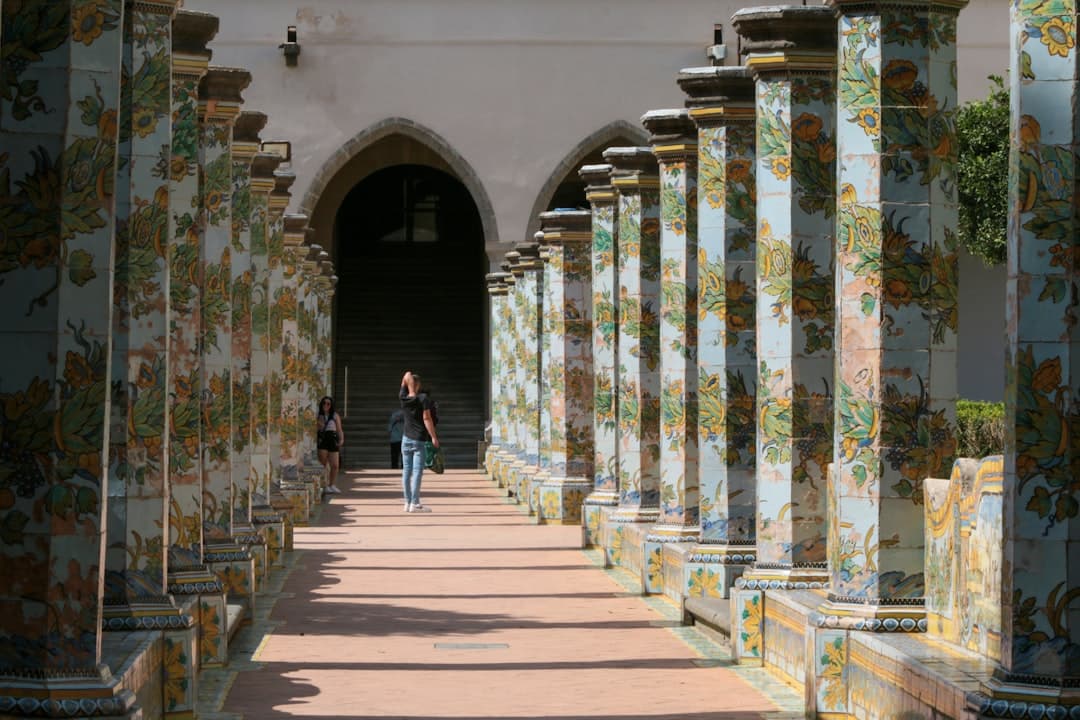
The Lungomare is Naples' great waterfront promenade, stretching roughly three kilometers along Via Francesco Caracciolo from Mergellina in the west to the Castel dell'Ovo in the east. Flanked by the Bay of Naples on one side and the grand Liberty-style palazzi of the Chiaia neighborhood on the other, it's where the city comes to breathe — joggers at dawn, elderly couples on benches at noon, families with gelato at sunset. Mount Vesuvius sits directly across the water, close enough to feel like a neighbor rather than a postcard. This is free, open, and entirely public — one of the great urban waterfronts in Italy. In practice, you walk it — or you sit and stare. The views across the bay to Vesuvius, Capri on the horizon on a clear day, and the Castel dell'Ovo rising from its little island at the eastern end give you a sense of just how dramatically this city is positioned. The promenade is closed to traffic on weekends (and has been largely pedestrianized in recent years), which transforms it into a social space where half of Naples seems to turn up. At the Borgo Marinari, the small fishing harbor tucked beside the Castel dell'Ovo, seafood restaurants set tables almost at the water's edge. Sunsets here, with Vesuvius silhouetted and the light going orange over the bay, are genuinely spectacular. The best strategy is to walk the full length in the early evening — starting from Mergellina, where locals queue at the kiosks for taralli and lemon granita, and ending at Castel dell'Ovo as the light fades. Sunday mornings are wonderful too, when the road closes and the promenade fills with Neapolitans doing what they do best: socializing loudly in the open air. Avoid midday in July and August unless you enjoy extreme heat with nowhere to shelter.
Luxembourg Gardens
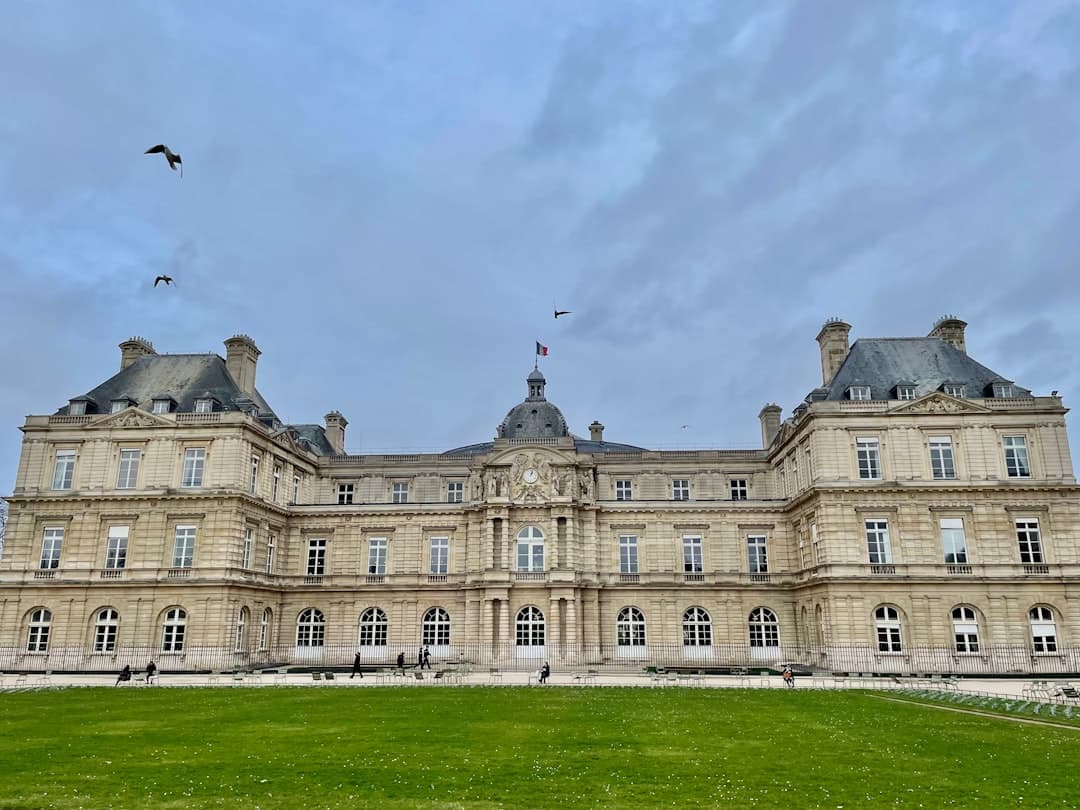
The Luxembourg Gardens — Jardin du Luxembourg in French — is a 23-hectare public park in the heart of Paris's Left Bank, created in the early 17th century for Marie de Medici, who wanted a garden that reminded her of the Boboli Gardens in Florence. Today it's managed by the French Senate, whose palace sits at the northern edge of the park. It's one of the most visited green spaces in Paris, beloved by students from the nearby Sorbonne, families, retirees, and tourists in roughly equal measure — which is part of what makes it feel so authentically Parisian rather than merely scenic. The experience here is both active and contemplative. The geometric French formal garden at the center gives way to more relaxed wooded paths toward the edges. The famous octagonal Grand Bassin pond is the visual heart of the park — children rent small wooden sailboats and push them across the water with sticks, a tradition that has been going on for over a century. Nearby, old men play chess or pétanque with quiet intensity. There's an orchard, an apiary, a puppet theater (the Théâtre des Marionnettes), tennis courts, and rows of green metal chairs that Parisians drag into patches of sunlight with expert precision. The Medici Fountain, tucked into a shaded grotto at the eastern edge, is one of the most romantic corners in the city. The park is free to enter and open every day, with hours shifting seasonally — it generally opens around 7:30am and closes at dusk. The green chairs are free to use and scattered everywhere; grabbing one near the Grand Bassin on a sunny afternoon is the quintessential Luxembourg experience. It gets busy on weekends, especially in warm weather, but it's large enough that you can almost always find a quiet corner. The arrondissement surrounding it — the 6th — is one of Paris's most expensive and polished neighborhoods, so factor that in if you're looking to eat or drink nearby.
Lynn Canyon
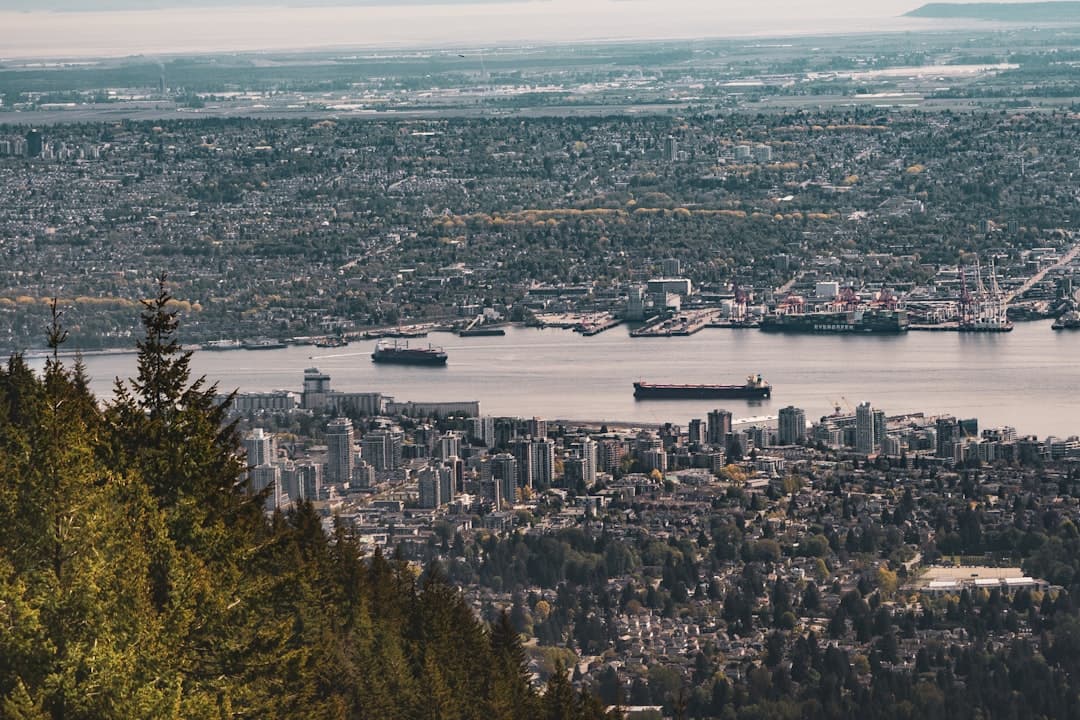
Lynn Canyon Park is a 617-hectare wilderness park tucked into the mountains of North Vancouver, about 20 minutes from downtown Vancouver. It's threaded by Lynn Creek, a fast-moving glacial river that has carved a dramatic canyon through Douglas fir and western red cedar forest. The park has a free suspension bridge — not as long as the famous Capilano one nearby, but equally thrilling and without the admission fee or the crowds — which has made it a beloved local secret for generations of Vancouverites. Visitors come to hike the network of trails that wind through the canyon, crossing bridges over churning pools and waterfalls. The 30 Foot Pool is one of the most popular spots — a deep swimming hole where brave locals jump from the rocks in summer. The Twin Falls trail is a short and rewarding loop with some of the park's most dramatic scenery. The canyon walls close in around you, and in places the forest is dense enough that it feels genuinely remote, even though you're a short drive from a major city. The Lynn Canyon Ecology Centre, located right at the park entrance, is a free interpretive centre with exhibits on the local ecosystem — worth a quick stop, especially if you're visiting with kids. Parking fills up fast on summer weekends, so arriving early is the single most useful thing you can do. There are no concession stands in the park, so bring food and water. The trails range from easy to moderate, but some paths near the creek can be slippery year-round — good footwear matters more than most visitors expect.
MAAT
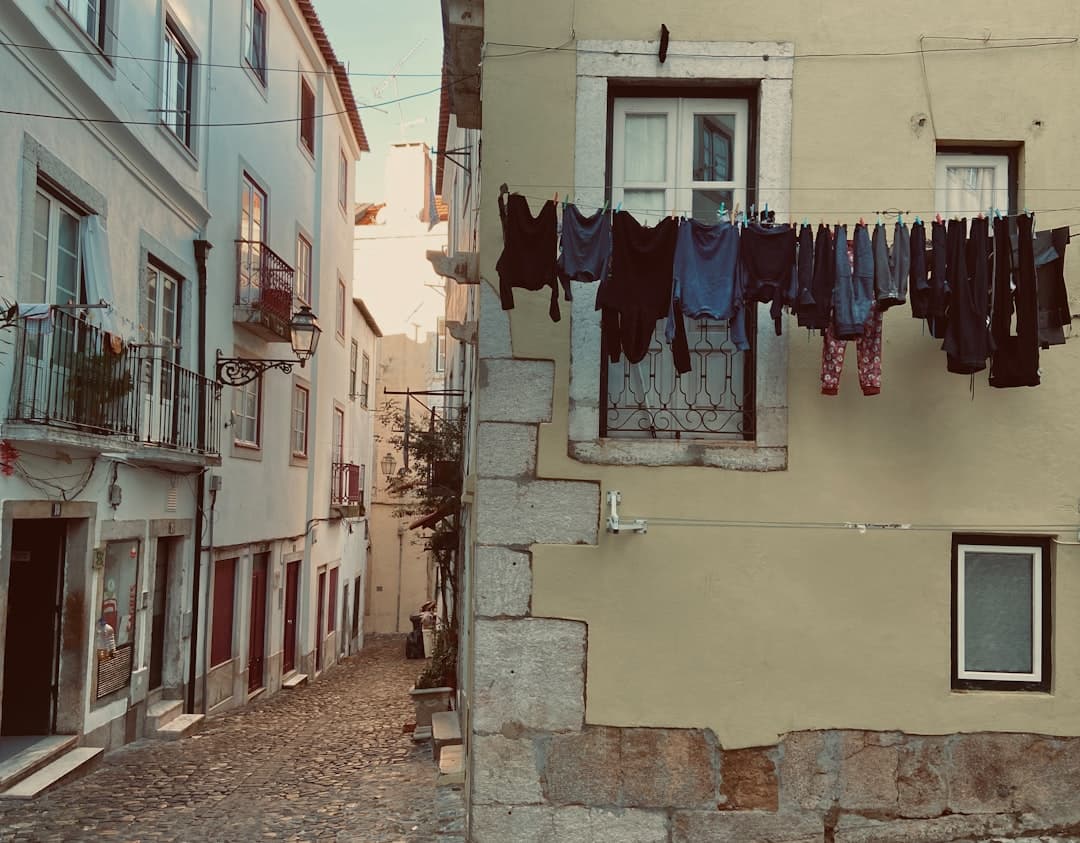
MAAT — the Museum of Art, Architecture and Technology — opened in 2016 on the banks of the Tagus in Belém, and it instantly became one of Lisbon's most architecturally striking buildings. Designed by the London-based firm AL_A (led by Amanda Levete), the structure is famously low-slung and undulating, clad in roughly 15,000 oval ceramic tiles that shimmer as the light shifts across the water. It was built as an extension to the historic Central Tejo power station next door, which is now part of the same complex and houses a permanent collection focused on electricity and industrial heritage. Together, the two buildings form a genuinely unusual cultural compound — part contemporary art space, part industrial monument. Inside the new building, you'll find rotating exhibitions of international contemporary art, digital art, and immersive installations — the kind of work that tends toward the experiential and the large-scale. The programming has a strong focus on the intersection of art and technology, which makes sense given the building's DNA. The old power station galleries are cavernous and atmospheric — think enormous turbines and cathedral-scale machinery — and the contrast between the two spaces is one of the most memorable things about a visit. Don't skip the rooftop walkway on the new building: it curves up over the top of the structure and gives you sweeping views of the Tagus and the 25 de Abril bridge. Belém is already a destination-within-a-destination in Lisbon — home to the Tower of Belém, the Jerónimos Monastery, and the famous pastéis de nata at Pastéis de Belém bakery. MAAT sits right on the riverside promenade, so it fits naturally into a half-day walk through the neighbourhood. Tuesday is the one day it's closed, which catches a few visitors off guard. The museum has a small café and a thoughtfully curated bookshop. If you're visiting on a weekday morning, crowds are thin and the light on the ceramic facade is extraordinary.
MACBA
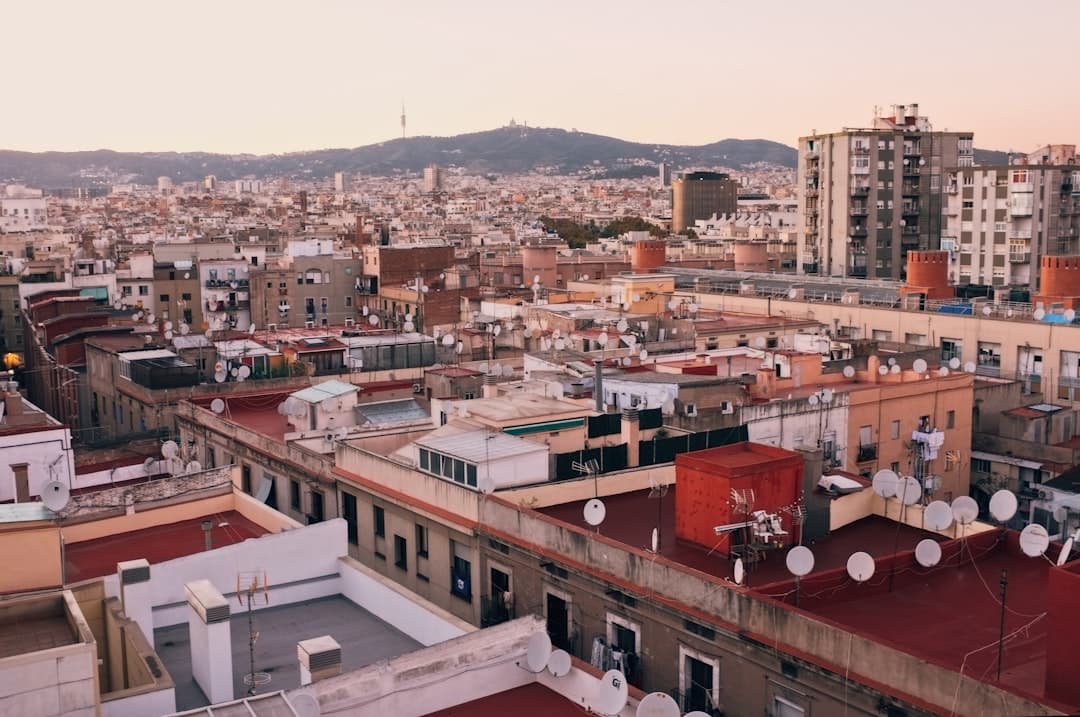
MACBA — the Museu d'Art Contemporani de Barcelona — opened in 1995 and immediately changed the conversation about what the El Raval neighbourhood could be. Designed by American architect Richard Meier, the building is a gleaming white modernist statement that stands in deliberate contrast to the dense, medieval fabric around it. Inside, the museum holds one of Spain's most important collections of post-war and contemporary art, with particular depth in work from the 1950s onwards, including Spanish and Catalan artists who were producing work under Franco's dictatorship — context that gives the collection real political weight. Visiting MACBA means moving through large, light-filled galleries across several floors, encountering paintings, sculpture, video art, and installation from figures like Joan Miró, Antoni Tàpies, and international names such as Paul Klee and Jean-Michel Basquiat. The permanent collection is displayed thematically and rotates regularly, so even repeat visitors find new configurations. Temporary exhibitions tend to be ambitious and often pull works from major international lenders — it's worth checking what's on before you go, because the programming can elevate a visit from good to genuinely unmissable. The plaza in front of MACBA — Plaça dels Àngels — is as much a part of the experience as anything inside. It's one of Barcelona's most famous skateboarding spots, and on any given afternoon you'll find skaters using the long marble ledges while tour groups file past and locals cut through on their way somewhere else. It's chaotic and alive in a way that feels very Barcelona. If you're visiting on a Sunday, note the museum closes at 3pm, which catches a lot of people out. Mondays are open but Tuesdays are closed — unusual enough that it's worth double-checking before you make the trip.
MALBA
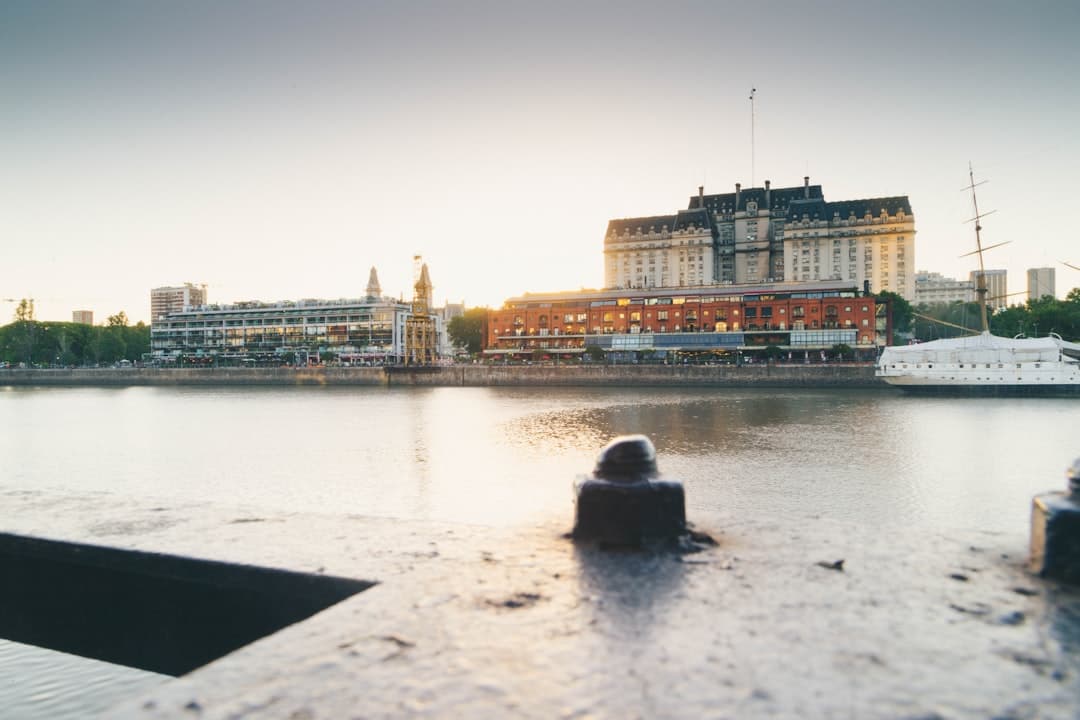
MALBA — the Museo de Arte Latinoamericano de Buenos Aires — is a private museum founded in 2001 by businessman Eduardo Costantini to house his extraordinary personal collection of 20th-century Latin American art. It's one of the most important art museums in South America, and the building itself, designed by the Buenos Aires firm Atelman, Fourcade & Tapia, is a striking glass-and-concrete structure that feels modern without being cold. If you care about art at all, this should be near the top of your Buenos Aires list. The permanent collection spans roughly 220 works and reads like a who's-who of Latin American modernism — Frida Kahlo, Diego Rivera, Antonio Berni, Tarsila do Amaral, Wifredo Lam, and Xul Solar all feature prominently. The Kahlo self-portrait here, 'Self-Portrait with Monkey and Parrot' (1942), is one of the most visited works in the museum. But beyond the headline names, MALBA is genuinely excellent at presenting the full sweep of Latin American art movements — from Mexican muralism to Argentine concrete art to Brazilian modernism — in a way that's engaging rather than academic. Rotating temporary exhibitions keep the program fresh and ambitious. MALBA also has a well-regarded cinema that screens arthouse and Latin American films, and a good café on the ground floor that's worth a stop in its own right. Wednesday is free entry for residents and half-price for tourists, which makes it the busiest day — if you want more breathing room with the collection, come on a weekday afternoon. The museum is closed Tuesdays, so plan accordingly.
MUZA
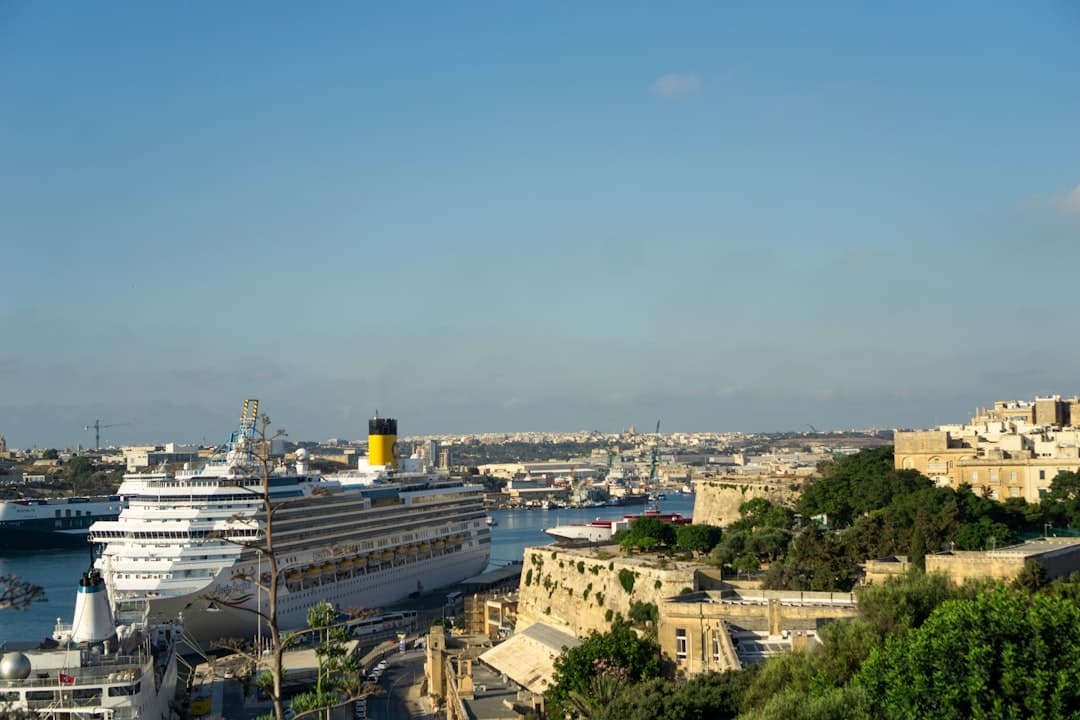
MUŻA — the Malta National Community Art Museum — opened in 2018 inside the Auberge d'Italie, one of Valletta's most striking 17th-century Baroque buildings, originally built to house the Knights of the Order of St John from Italy. The museum was developed as a collaboration between Heritage Malta and the Fondazzjoni Patrimonju Malti, and its name is a deliberate play on the Maltese word for muse. It holds the national art collection, spanning Maltese art from the medieval period through to the contemporary, with particular strength in 19th- and early 20th-century work. This is the place to understand how Maltese artists saw themselves and their island across the centuries. Inside, you move through a series of beautifully curated galleries that trace the arc of Maltese visual culture — religious paintings and devotional art sitting alongside portraits of the Knights and their patrons, then shifting toward the landscapes and genre scenes of the colonial era, and finally into the more experimental work of living Maltese artists. The building itself is part of the experience: carved stone doorways, high vaulted ceilings, and the occasional glimpse of Valletta's rooftops through tall windows. A community-facing ethos runs through the whole place — local artists and community voices have been deliberately woven into the curation, which gives it a warmth you don't always find in national collections. The museum sits on Merchants Street, one of Valletta's main arteries, making it an easy stop on any wander through the city. Entry is very affordable by European museum standards, and the building's courtyard is a calm place to pause. Allow at least 90 minutes if you want to do it proper justice — the collection is deeper than it looks from the entrance. If you're visiting Valletta during summer, the cool interior is a genuine relief.
Machu Picchu
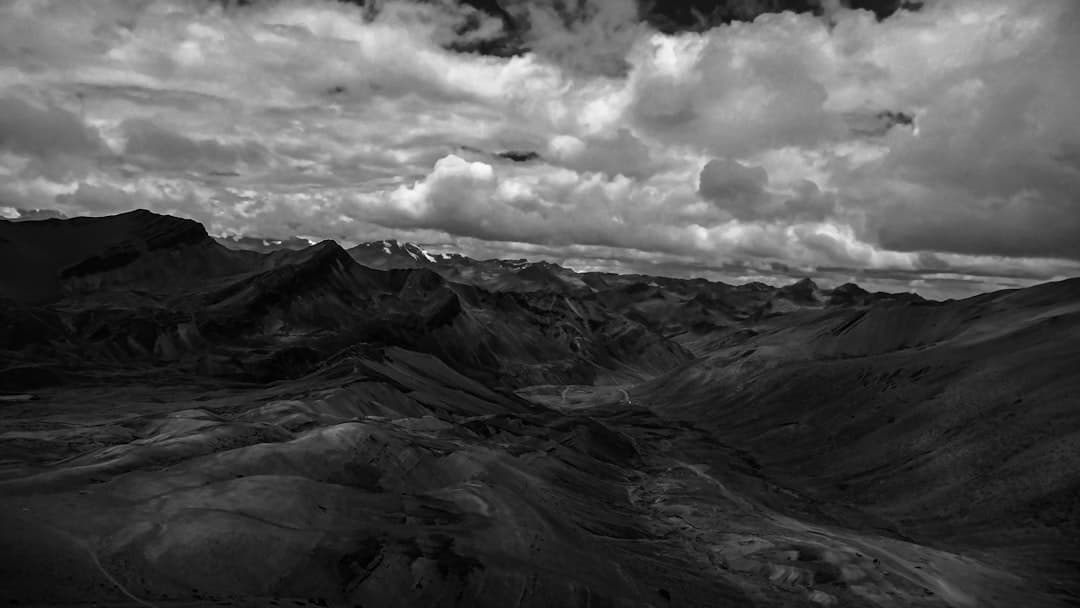
Machu Picchu is a 15th-century Inca citadel perched at 2,430 metres above sea level in the Andes Mountains of Peru, about 80 kilometres northwest of Cusco. Built during the reign of the Inca emperor Pachacuti and abandoned less than a century later, it was never found by Spanish conquistadors and remained largely unknown to the outside world until historian Hiram Bingham brought it to international attention in 1911. Today it's one of the most recognisable archaeological sites on Earth and a UNESCO World Heritage Site — but photographs genuinely do not prepare you for standing there. The site itself is a masterpiece of urban planning and stonework. Terraced agricultural platforms cascade down the mountainside, while temples, royal residences, plazas, and astronomical observatories fill the urban core. The Intihuatana stone — a carved granite ritual post thought to function as an astronomical clock — is one of the few left intact after the Spanish systematically destroyed similar monuments elsewhere. You wander between massive dry-stone walls fitted together with extraordinary precision, all without mortar, while llamas graze unfazed around you and clouds roll in and out of the valley below. The mountain Huayna Picchu rises dramatically behind the main ruins, and Machu Picchu Mountain offers broader panoramic views for those who hike to the top. Tickets are timed and capacity-controlled — the Peruvian government has restricted daily visitor numbers to protect the site, so you absolutely must book in advance through the official channels. Entry circuits are now designated and you cannot wander freely; guides are officially required, though enforcement varies. The bus from Aguas Calientes (the town at the base, also called Machu Picchu Pueblo) starts running at 5:30 AM and fills fast. Getting on an early bus to catch sunrise over the ruins, before the midday crowds and afternoon cloud cover arrive, is by far the best strategy. Most visitors arrive via the train from Cusco or Ollantaytambo to Aguas Calientes — the legendary four-day Inca Trail requires a separate permit booked months in advance, but shorter alternatives like the Salkantay Trek or the two-day Inca Trail also exist.
Main Market Square
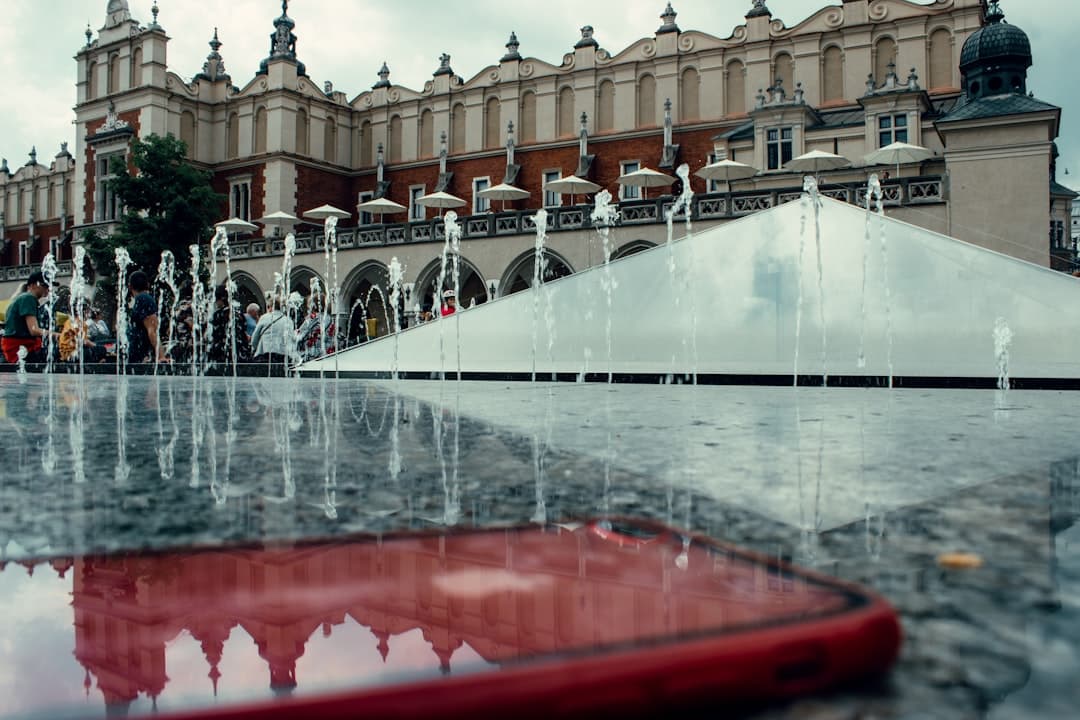
Rynek Główny — the Main Market Square — is the largest medieval town square in Europe, measuring roughly 200 by 200 metres and dating back to 1257. It sits at the absolute centre of Krakow's Old Town, a UNESCO World Heritage Site, and has been the civic, commercial, and social heart of the city for nearly eight centuries. Unlike so many European city centres that were rebuilt after World War II, Krakow's Old Town survived the war largely intact, which means what you're standing in is genuinely, remarkably old. The square is anchored by the Cloth Hall (Sukiennice), a Renaissance arcade that once housed a major European trading post for cloth and textiles and now shelters a row of souvenir stalls on the ground floor and the National Museum's Gallery of Polish Painting upstairs — the 19th-century collection alone is worth an hour. On the northeast corner stands St. Mary's Basilica, whose twin asymmetrical towers define the Krakow skyline; every hour, a bugler plays a haunting melody called the Hejnał Mariacki from the taller tower, cutting off mid-phrase in memory of a 13th-century trumpeter allegedly shot by a Tatar arrow. Dozens of cafes and restaurants ring the square, and the terraces fill up the moment the weather turns warm. Pigeons swarm, horse-drawn carriages wait for takers, and street musicians set up near the Cloth Hall. The square is free to walk and never technically closes, but it changes personality by the hour. Mornings before 9am are surprisingly peaceful — locals heading to work, a few tourists with coffee, long shadows across the cobblestones. By midday in summer it's genuinely packed. The underground Rynek Underground museum beneath the square is a separate ticketed attraction and well worth doing; it uses archaeology and multimedia to tell the history of medieval Krakow beneath your feet. For the best view of the whole square, climb St. Mary's tower or grab a window seat at one of the upper-floor cafes on the surrounding townhouses.
Maison de la Photographie
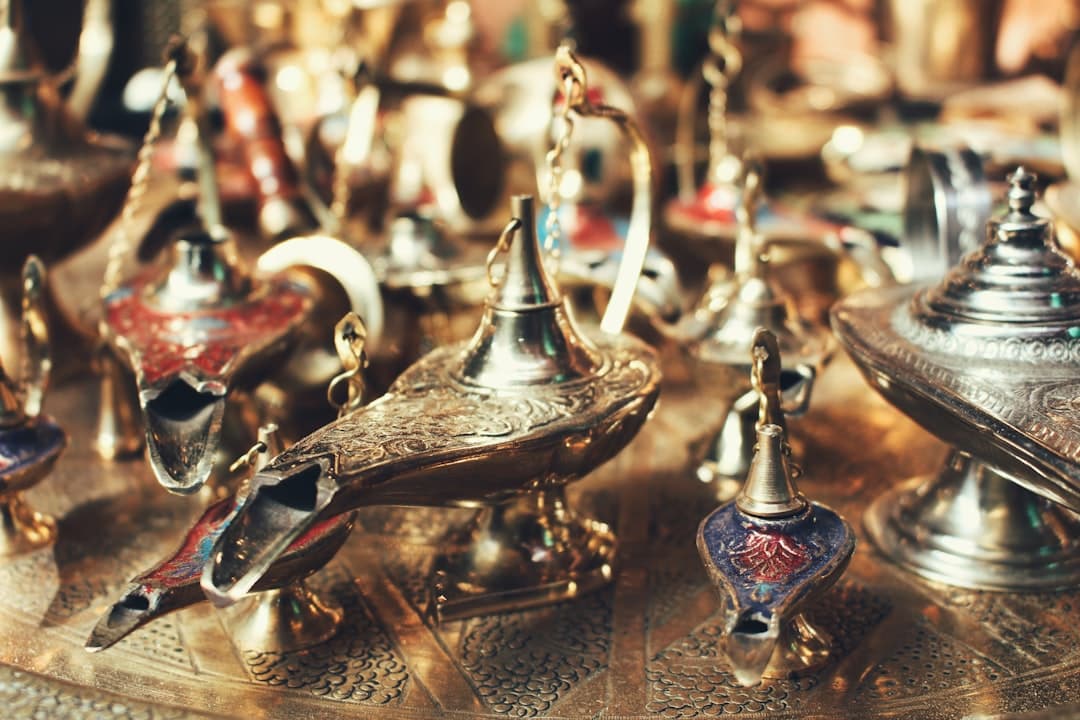
Maison de la Photographie is a private museum dedicated to historical photography of Morocco, housed in a beautifully restored 19th-century riad in the heart of Marrakech's medina. Founded in 2009 by Patrick Manac'h and Hamid Mergani, it holds a remarkable collection of vintage photographs, glass negatives, and films spanning roughly 1870 to 1950 — images that capture Morocco before mass tourism, before independence, before the modern world arrived. For anyone curious about what this country and its people actually looked like a hundred years ago, there is nowhere else quite like it. The collection is spread across several floors of the riad, with prints displayed in well-lit galleries alongside contextual notes. You'll see portraits of Berber villagers, images of Marrakech's souks and squares from the French Protectorate era, landscapes of the Atlas Mountains, and intimate domestic scenes that feel almost impossibly vivid given their age. The rooftop terrace at the top is a genuine reward — sweeping views over the medina's rooftops toward the Koutoubia Mosque, with mint tea served if you want to linger. There's also a short documentary film shown on-site about traditional Moroccan life. The museum sits just north of the Ben Youssef Mosque area, which makes it a natural pairing with the nearby Medersa Ben Youssef. Entry is ticketed and very affordable by any standard. It's not enormous, but it's curated with real care — this isn't a sprawling institution, it's a personal project built by collectors who genuinely love the material. Go in the morning before the medina heat builds and the tour groups arrive.
Majorelle Garden
Majorelle Garden is a one-hectare botanical garden in Marrakech's Ville Nouvelle district, created by French painter Jacques Majorelle over four decades starting in the 1920s. Majorelle became obsessed with the garden, eventually developing the vivid cobalt blue — now known worldwide as Bleu Majorelle — that covers the studio and pottery throughout the grounds. After his death, the garden fell into disrepair until 1980, when fashion designers Yves Saint Laurent and Pierre Bergé bought it, rescued it from planned hotel development, and restored it to its former glory. When Saint Laurent died in 2008, his ashes were scattered here. It is now one of the most visited sites in all of Morocco. The experience is a genuine sensory shift from the chaos of the medina. You walk through groves of bamboo, cacti, and palms, past lily-covered pools and fountains, with that striking blue studio anchoring the whole composition. The Berber Museum, housed inside the restored studio building, holds one of the finest collections of Amazigh jewelry, textiles, and art in the country — easily worth an hour on its own. Adjacent to the garden, the Musée Yves Saint Laurent Marrakech opened in 2017 and displays rotating exhibitions of the designer's work in a purpose-built building that has won architectural awards in its own right. The garden gets genuinely crowded, especially between 10am and 2pm when tour groups arrive in force. Go right at opening — 8:30am — and you'll have stretches of it nearly to yourself, which is a completely different experience. The entrance fee covers the garden itself; the Berber Museum is included, but the YSL Museum next door requires a separate ticket. Budget at least two hours if you want to see everything properly, and don't skip the boutique near the exit, which sells high-quality prints and books on both Majorelle and Saint Laurent.
Malecón
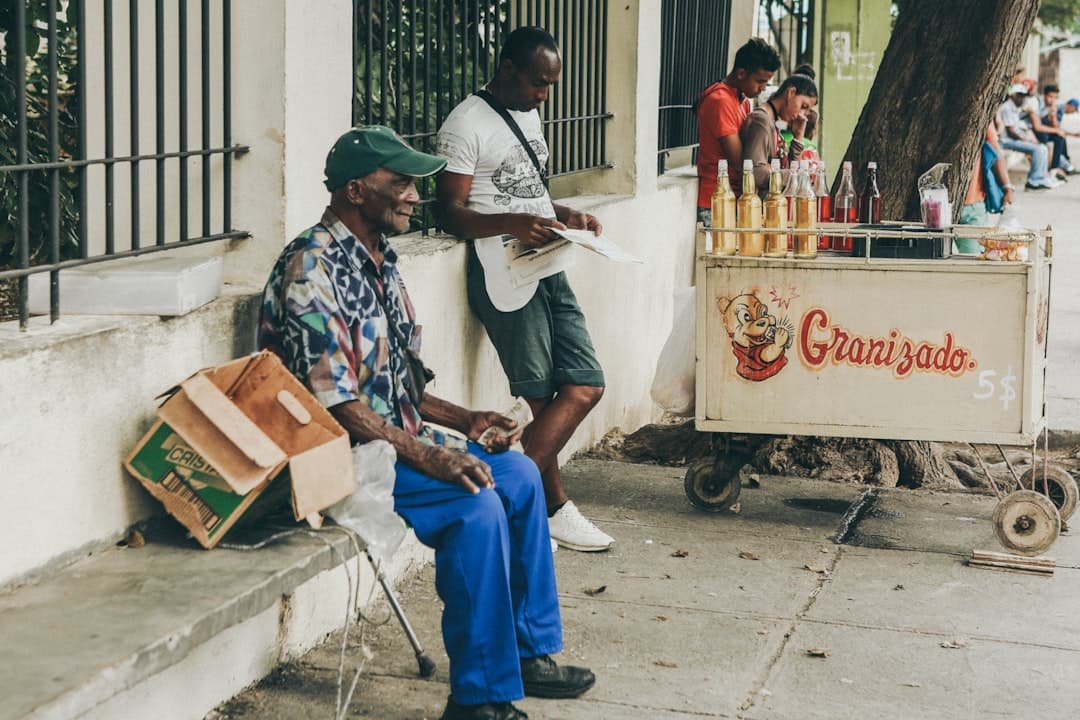
Walking the Malecón is one of those rare travel experiences that asks almost nothing of you and gives back enormously. You stroll the wide sidewalk beside the low seawall as salt spray mists your face, watching the extraordinary parade of Havana life go by. The backdrop is the crumbling but magnificent facades of early 20th-century buildings in every shade of faded ochre, rose, and turquoise — many half-collapsed, many still occupied. Classic American cars from the 1950s rumble past on the road behind you. Fishermen with handlines work the rocks below. At sunset, the seawall fills with Habaneros sharing rum and conversation, and the sky turns shades that border on absurd. The Malecón is entirely free, always open, and requires no planning whatsoever — which is exactly how locals treat it. The stretch between the Hotel Nacional and the Castillo de San Salvador de la Punta (near Old Havana) is the most atmospheric and walkable section, roughly 3 to 4 kilometers. Come in the late afternoon or evening when the social energy peaks and the light is extraordinary. Be aware that strong northerly winds in winter can send waves crashing over the wall and flooding the road — locals call this the Malecón's more dramatic side, and it's spectacular to witness safely from a distance.