
Longshan Temple
Taipei / Longshan Temple

Longshan Temple

Taipei's most visited temple, where incense smoke meets genuine daily devotion.

🏛️ Sights & Landmarks🎭 Arts & Entertainment
🌿 Relaxing👨‍👩‍👧 Family-friendly🎭 Cultural

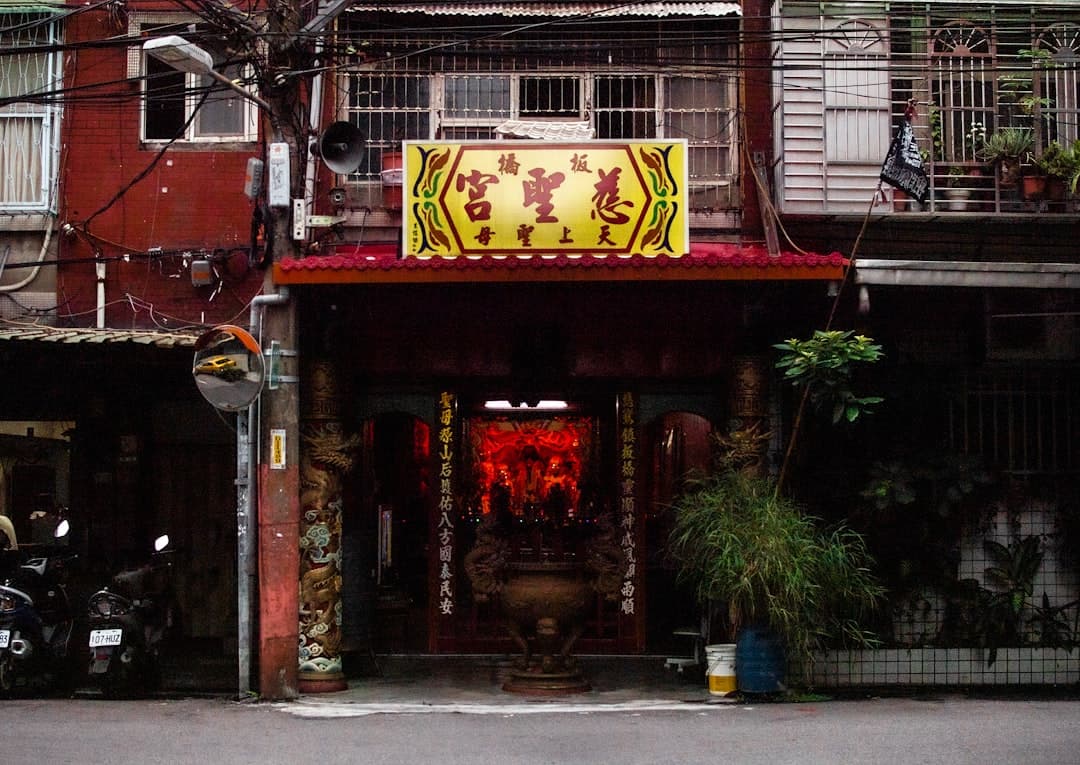
Longshan Temple is a working Buddhist and Taoist temple in the Wanhua district — Taipei's oldest neighborhood — that has been a spiritual anchor for this city since 1738. It was built by settlers from Fujian province, destroyed and rebuilt multiple times through war and disaster, and today stands as one of the finest examples of traditional Taiwanese religious architecture anywhere in the country. This isn't a museum piece: hundreds of worshippers come here every single day, burning incense and offering prayers to a pantheon that includes Guanyin (the Buddhist goddess of mercy) alongside Taoist deities like Mazu, the sea goddess. The mingling of two religious traditions under one roof is entirely normal in Taiwan, and Longshan is one of the best places to see that living syncretic faith in action.

The temple complex rewards slow, curious exploration. The main hall is spectacular — intricate stone columns carved with dragons, a ceiling layered with colorful painted woodwork, and an almost theatrical quality to the light filtering through incense smoke. In the rear courtyard, you'll find shrines to deities with very specific portfolios: one for students seeking exam success, one for health, one for love and matchmaking (the god Yue Lao, with his red thread of fate, is genuinely popular here). Worshippers queue to shake bamboo fortune-telling sticks until one falls out, then interpret its meaning from printed slips — it's called poe divination and you can observe it freely. The courtyard garden out front is equally worth your time, a shaded public square where elderly locals practice tai chi in the morning and chess players gather in the afternoon.

The temple sits right on the MRT Longshan Temple stop (Blue Line), making it effortless to reach. Come early morning if you want to see the most devoted daily worship — the pre-dawn hours draw serious regulars, though 6am is more realistic for visitors. Midday on weekends can feel crowded with tour groups. The neighborhood around it, Hua Xi Street and the surrounding lanes, has a gritty, old-Taipei character worth wandering — the former snake market has cleaned up considerably, but the area retains an authentically unpolished energy that contrasts well with the temple's formality.

Local Tips

  1. 1

    Pick up a free incense bundle from the temple staff near the entrance if you want to participate in worship — there's no charge, and the staff are used to curious visitors. Follow what others do: face each altar, hold the incense at chest height, and bow three times.

  2. 2

    The fortune-telling sticks (qiuqian) in the side halls are free to use. Watch a few locals first to understand the rhythm — you shake the canister until one stick falls, note its number, then match it to the printed slip in the wooden drawers nearby.

  3. 3

    The park square in front of the temple is a legitimate local hangout. Come back in the afternoon and you'll find elderly men playing Chinese chess and card games — a completely different, unhurried scene from the temple's interior.

  4. 4

    Combine your visit with Herb Alley (Xichang Street), a five-minute walk away, where shops sell traditional Chinese medicinal herbs and dried goods — it's one of the few streets in Taipei that looks almost unchanged from fifty years ago.

When to Go

Best times
Lunar New Year (late Jan–Feb)

The temple is extraordinarily atmospheric during the Lunar New Year period, with massive crowds of worshippers offering the year's first prayers — deeply memorable but very crowded.

Lantern Festival (15th day of Lunar New Year)

One of the biggest celebrations at Longshan — the temple is lit up and buzzing with worshippers. Arrive early or expect serious crowds.

Early morning (6–8am, any day)

The most sincere, unhurried version of the temple — regular worshippers, soft light, incense just starting to build. Easily the best time to visit.

Try to avoid
Weekend midday (year-round)

Tour groups peak between 10am and 2pm on weekends; the temple loses some of its contemplative quality and gets genuinely packed.

Why Visit

01

The architecture is genuinely extraordinary — stone dragon columns, layered woodcarving, and a bronze incense cauldron out front that's been photographed a million times and still earns every shot.

02

You can watch real, daily religious practice up close: fortune-telling sticks, prayer rituals, and offerings — it's participatory culture, not a performance staged for tourists.

03

The surrounding Wanhua district is Taipei's oldest neighborhood, and pairing the temple with a wander through its streets gives you a slice of the city that the sleek commercial districts simply can't offer.