
All Places
1,073 places around the world
1,073 places · page 21 of 45
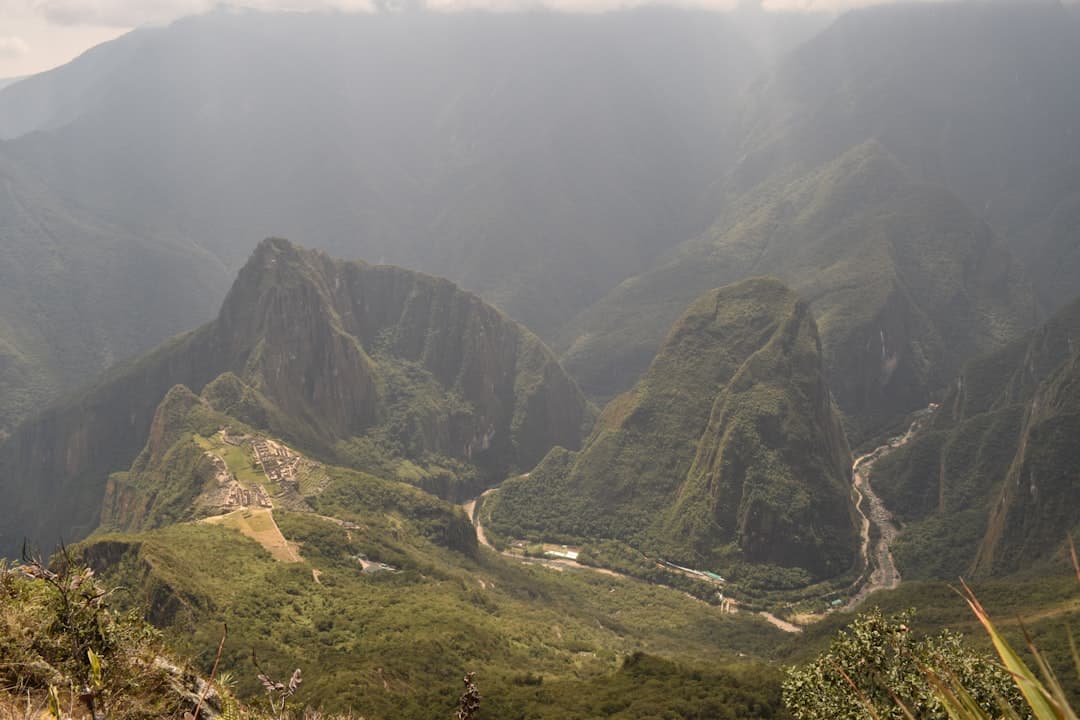
LUM (Place of Memory)
LUM — Lugar de la Memoria, la Tolerancia y la Inclusión Social — is Peru's national memorial museum dedicated to the internal armed conflict that tore the country apart between 1980 and 2000. During that period, the Shining Path and MRTA insurgencies, along with state security forces, were responsible for the deaths and disappearances of nearly 70,000 people, the majority of them Quechua-speaking civilians from rural Andean communities. LUM opened in 2015 after years of political controversy — its very existence was contested by those who wanted to minimize or reframe the history — which makes stepping inside feel like an act of collective reckoning. The building itself is striking: a bold, angular concrete structure cantilevered over the Miraflores cliffs above the Pacific, designed by the architects Sandra Barclay and Jean Pierre Crousse. Inside, the permanent exhibition takes you through the conflict chronologically and thematically, using photographs, testimonies, personal objects, and audiovisual installations to give faces and voices to the statistics. Recovered artifacts — a sandal, a handwritten letter, a child's drawing — do more emotional work than any text panel. There's a powerful section on the Yuyanapaq photography exhibition, originally shown at the UN, which captures the human cost with devastating clarity. The museum doesn't flatten the narrative into a simple victims-versus-perpetrators story; it grapples honestly with the complexity of state violence, guerrilla terror, and community survival. LUM sits right on the Malecón in Miraflores, so it's easy to combine with a walk along the coastal clifftop path. Entry is free, which means there's genuinely no reason to skip it. The museum has a tendency to be quieter on weekday mornings, which is when the weight of what you're seeing can settle properly. If you've visited Ayacucho or the Andes and want to understand the deeper context of what happened there, this is essential. Even if you haven't, it will change how you see Lima.

LX Factory
LX Factory is a sprawling industrial complex in the Alcântara district of Lisbon, built in the mid-1800s as a textile manufacturing hub called Companhia de Fiação e Tecidos Lisbonense. After decades of partial abandonment, it was reimagined in 2008 as a creative village — a cluster of independent shops, restaurants, bars, studios, and event spaces packed into a labyrinth of old factory buildings and open courtyards. Today it's one of the most visited and genuinely loved spots in the city, drawing a mix of locals, expats, and tourists who come for the atmosphere as much as the specific vendors. Walking through LX Factory feels like wandering into a small city within a city. The cobblestoned internal streets are lined with concept stores, vintage clothing, handmade jewellery, ceramic workshops, design studios, and independent bookshops — Ler Devagar, housed in a soaring double-height former printing hall complete with a bicycle suspended from the ceiling and walls of books, is genuinely one of the great bookshops in Europe. On Sunday mornings the whole complex shifts into market mode, with the Feira do LX drawing hundreds of stalls and large local crowds. There are restaurants and bars ranging from casual lunch spots to proper dinner destinations, and the complex regularly hosts film screenings, concerts, pop-up events, and weekend markets. Sunday is the unmissable day — arrive before 11am if you want to browse the market without the crowds becoming overwhelming. The complex sits right below the Ponte 25 de Abril suspension bridge, and the view of that rust-red structure looming over the old factory rooftops is one of the more cinematic urban moments in Lisbon. Most individual shops follow their own hours and some are closed on Mondays, so the complex-wide opening times are a loose guide only.
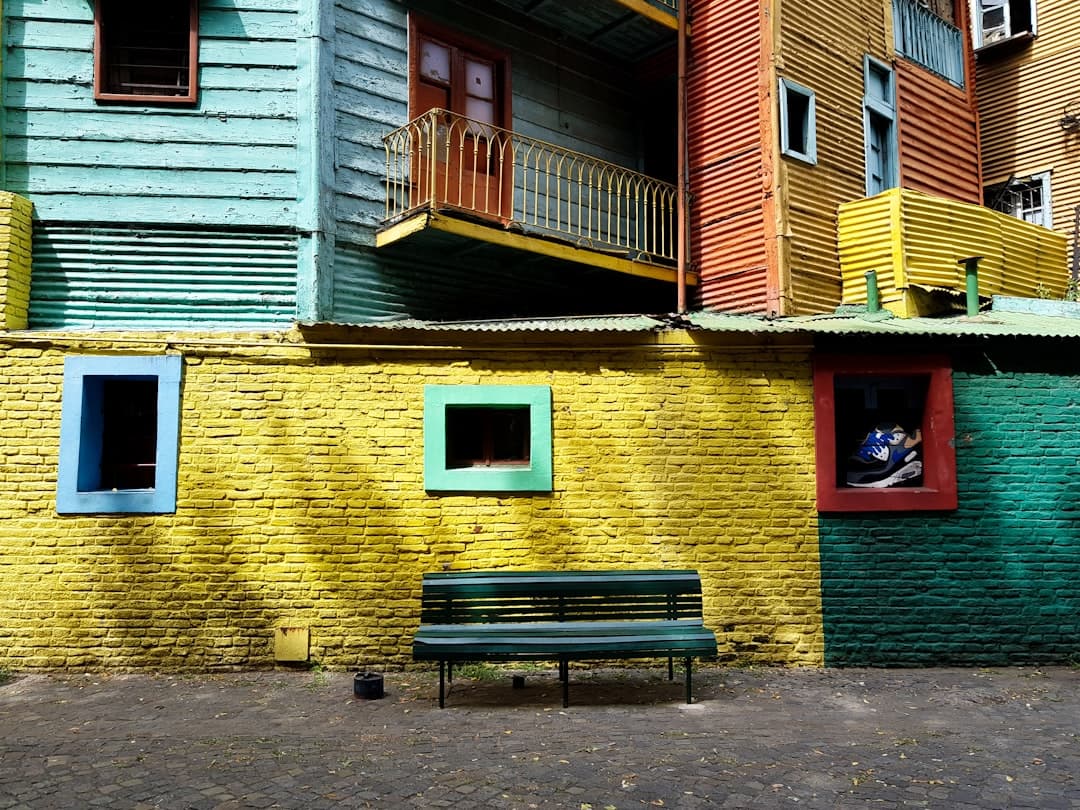
La Boca Neighbourhood
La Boca is a working-class port neighbourhood on the southern edge of Buenos Aires, wedged between the Riachuelo river and the rest of the city. It grew up in the late 19th century as a settlement for Genoese immigrants who came to work the docks, and they left behind a culture of improvised colour — painting the corrugated metal houses with whatever leftover ship paint was available. That tradition became the neighbourhood's identity. Today La Boca is one of the most visually distinctive urban neighbourhoods in South America, a place where the streets themselves feel like a set piece, and where football, tango, and a fierce local pride all coexist in a few square blocks. The heart of any visit is the Caminito, a short pedestrian street lined with those famous painted houses, their balconies draped with tango dancers and papier-mâché figures. Artists sell work from stalls, street performers do their thing, and restaurants spill out onto the pavement. A short walk away sits La Bombonera — the home stadium of Boca Juniors, one of the most storied football clubs on earth. Even on a non-match day the stadium tour is electric, and the small Museo de la Pasión Boquense next door captures why this club means what it means to Buenos Aires. Wander beyond the tourist core and you find a real neighbourhood — markets, old men at café tables, murals that have nothing to do with tourism. Be clear-eyed about La Boca's layout: the Caminito area is tourist-safe and heavily visited, but the surrounding streets deserve caution, particularly after dark. Come during the day, ideally on a weekend when the neighbourhood hums. Eat at one of the parrillas on Caminito for the atmosphere, but know that the food quality is geared toward tourists — for a serious steak, you'll eat better elsewhere in the city. The real reward here is sensory and cultural: nowhere else in Buenos Aires hits you quite this hard, quite this fast.
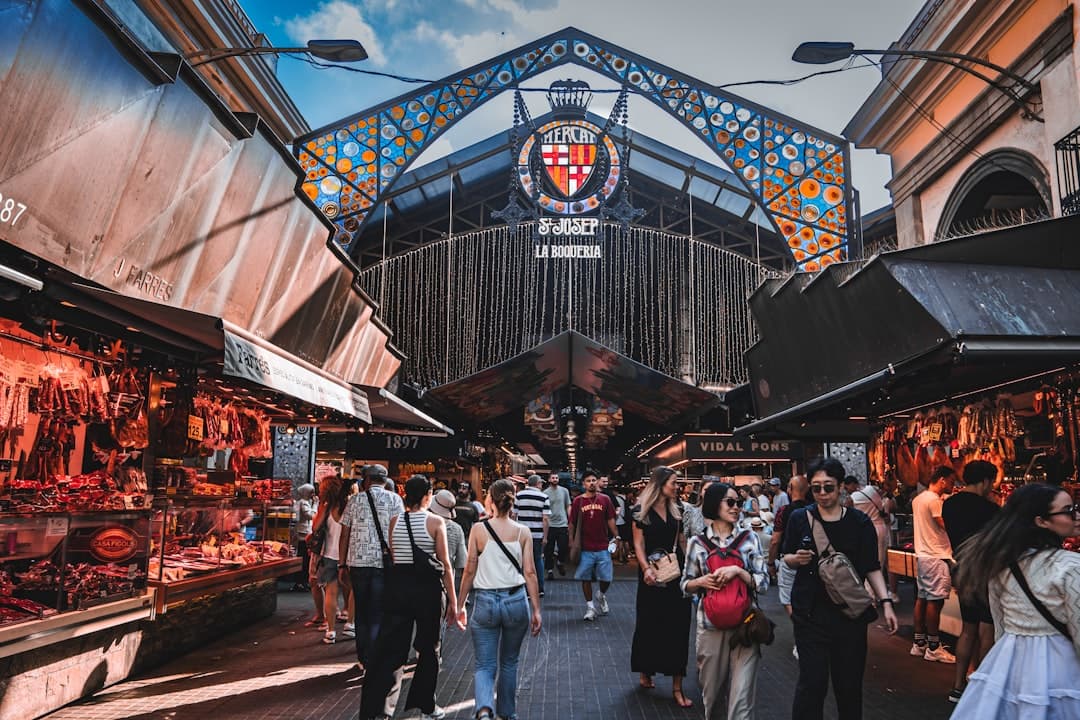
La Boqueria Market
Mercat de Sant Josep de la Boqueria — everyone just calls it La Boqueria — is a vast covered public market sitting just off Las Ramblas in the heart of Barcelona's old city. It's been a market site since at least the 13th century, though the current iron-and-glass structure dates to the 19th century. For locals, it's a working food market. For visitors, it's one of the most visually spectacular places in the city: a cathedral of produce, meat, fish, spices, and prepared food, packed under a vaulted metal roof with light streaming in from the sides. Walking in from Las Ramblas, you pass through a grand arched entrance and immediately hit the famous fruit and juice stalls — towers of tropical fruit, lurid smoothies, and cut portions of melon and pineapple arranged with an almost theatrical precision. Move deeper and the market opens up: whole fish and live shellfish on ice, hanging jamón legs, counters of Catalan charcuterie, stalls selling wild mushrooms or dried peppers, and a scattering of small stand-up bars where locals eat breakfast or lunch. The smell shifts every few metres. The colour is relentless. Some stalls have been run by the same families for generations. Be honest with yourself about what you're walking into: La Boqueria is heavily touristed, and the stalls closest to the entrance are priced accordingly. The juice cups are overpriced; the pre-cut fruit is fine but not a bargain. The real La Boqueria is found deeper in — past the tourist perimeter — where fishmongers are loud and specific, where butchers sell things you won't find in a supermarket, and where the bar stools at counters like Bar Pinotxo or El Quim de la Boqueria are occupied by people who come back every week. Go on a weekday morning, eat something at a counter, and ignore the Instagram stalls by the door.
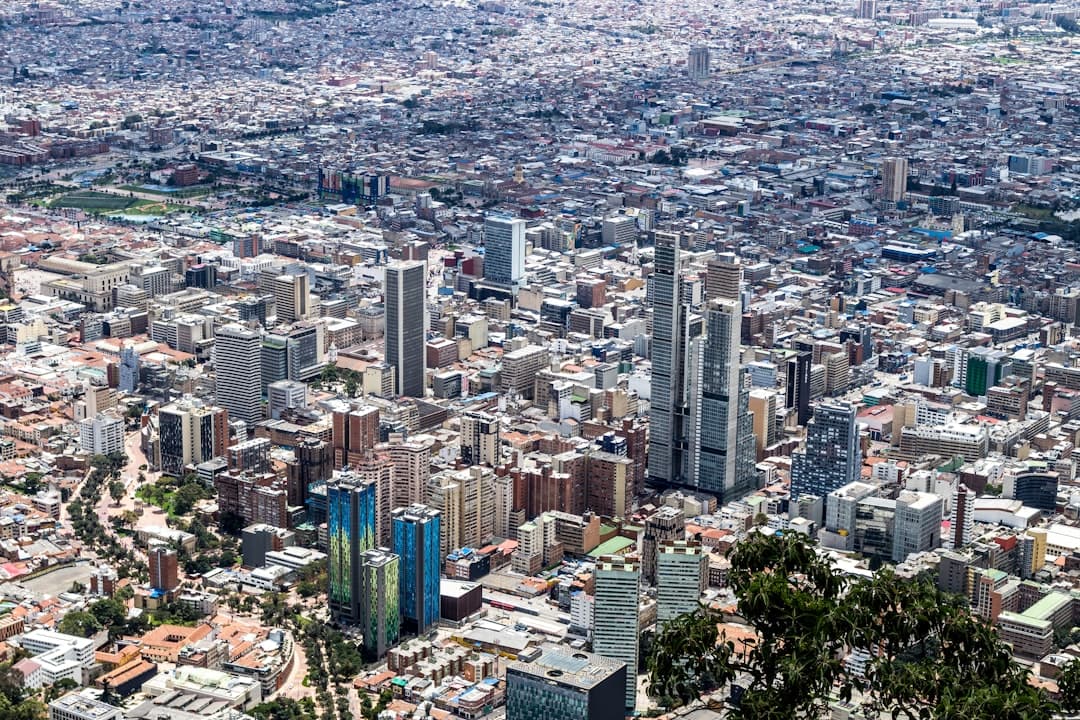
La Candelaria
La Candelaria is the historic heart of Bogotá — a compact, hilly neighborhood of cobblestone streets and terracotta-roofed buildings that dates back to the city's founding by Spanish conquistador Gonzalo Jiménez de Quesada in 1538. This is where Colombia's story begins: the Plaza de Bolívar, the country's most important public square, sits at its center, flanked by the Cathedral Primada, the Palacio de Justicia, the Capitolio Nacional, and the Palacio Liévano (city hall). It's densely layered with history — Simón Bolívar walked these streets, the republic was born in these buildings — but it's also a living, breathing place that belongs as much to university students and street vendors as it does to tourists. What you actually do here is wander. The Gold Museum (Museo del Oro), one of the finest museums in Latin America, holds over 55,000 pre-Hispanic gold pieces that will recalibrate your understanding of indigenous civilizations. The Botero Museum offers free entry and houses Fernando Botero's personal collection — Picassos, Dalís, and his own iconic rotund figures. Stroll up the hill past the Universidad de los Andes campus toward the Cerro de Monserrate cable car station, stopping to look at murals by local and international artists that cover entire building facades. The neighborhood rewards exploration on foot, with every alley offering something unexpected. Practically speaking, La Candelaria has a complicated reputation for petty theft, so keep your phone out of sight and don't flash expensive cameras carelessly — though the main plazas and museum corridors are generally fine. The area is most alive on weekday mornings when students and office workers fill the streets; weekend afternoons can feel quieter, with some vendors closed. Most major museums cluster within easy walking distance of each other, making this an ideal half-day to full-day loop.
La Pedrera
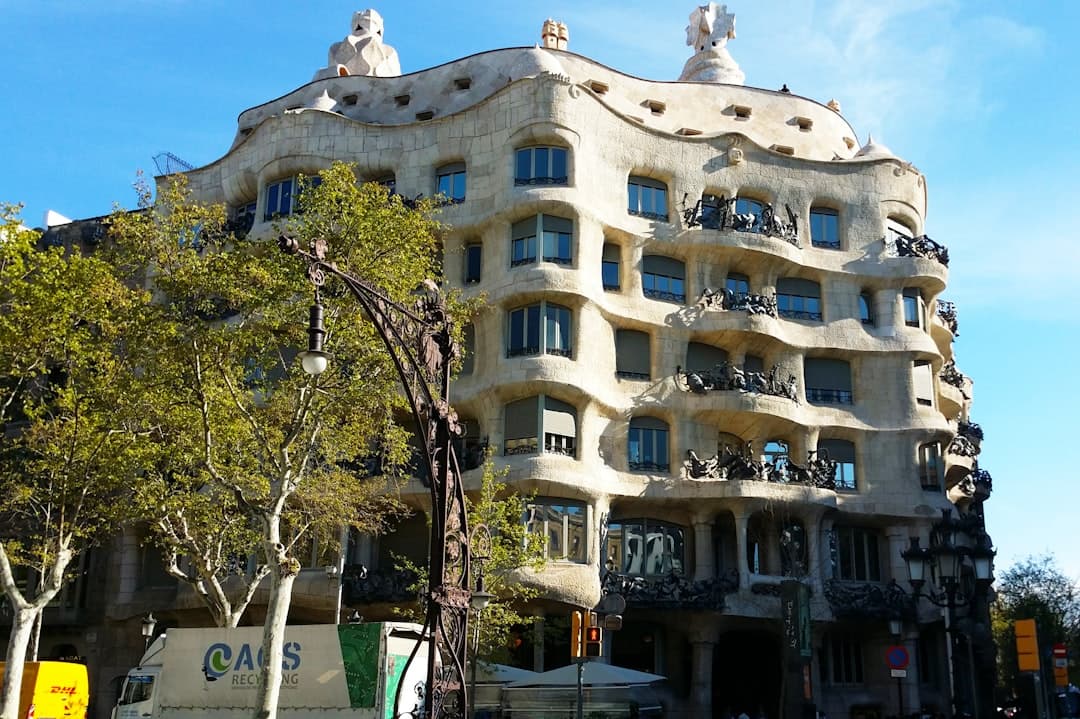
La Pedrera — formally known as Casa Milà — is Antoni Gaudí's last civilian building, completed in 1912 on the elegant Passeig de Gràcia. Commissioned by the wealthy Milà family, it caused a scandal when it was built: Barcelonans mocked its rippling stone facade and organic curves, dubbing it La Pedrera, or 'the stone quarry,' as an insult. The nickname stuck, but the mockery didn't. UNESCO made it a World Heritage Site in 1984, and it's now recognized as one of the most radical and beautiful buildings ever constructed. The experience rewards slow exploration. You move through the apartment building's original interior, stopping at a fully furnished period apartment that recreates bourgeois life in early 20th-century Barcelona, then climb into the extraordinary attic — a parabolic brick forest of catenary arches that houses a detailed exhibition on Gaudí's life and methods. But the roof terrace is the real revelation: a surreal landscape of twisting chimneys and ventilation towers that Gaudí disguised as warriors, nicknamed 'the witch-scarers.' The views over the Eixample grid toward the sea are superb, and the sculptural forms up close are genuinely otherworldly. The building is managed by the Fundació Catalunya La Pedrera, which runs it professionally and well. Book tickets online in advance — this is one of Barcelona's most visited sites and same-day tickets often sell out, especially in summer. The evening 'Gaudí's La Pedrera: The Origins' experience, which includes a sound-and-light show on the roof, is excellent and tends to be less crowded than the daytime rush. If you're visiting during the day, aim for opening time or late afternoon to avoid the worst of the crowds.
La Rambla
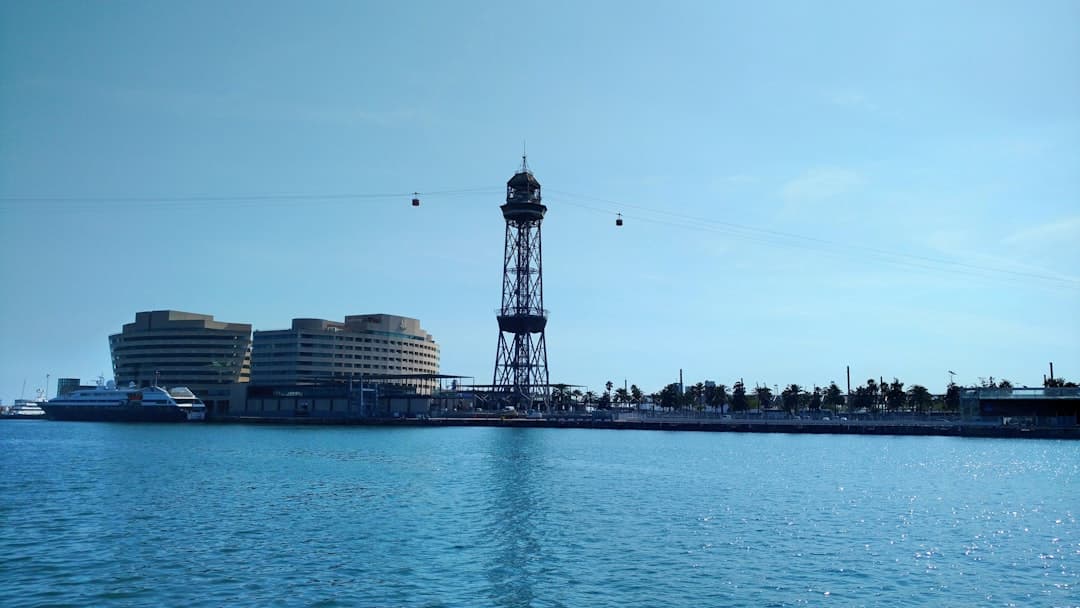
La Rambla is a 1.2-kilometre tree-lined pedestrian avenue that cuts through the heart of old Barcelona, running from Plaça de Catalunya down to the Christopher Columbus monument at the port. It's one of the most visited streets in Europe — not because it's pristine or exclusive, but because it has always been the stage on which Barcelona performs itself. Historically, it was where the city's working class, bohemians, intellectuals, and tourists all converged. The Liceu opera house opens onto it. The Boqueria market spills off it. Miró's colourful mosaic is embedded in the pavement underfoot. Walking La Rambla means navigating a rolling carnival. Street performers hold frozen poses, flower stalls add splashes of colour under the plane trees, and the human traffic never really stops. The wide central promenade is flanked by narrower lanes for vehicles on either side, which gives the whole thing the feel of a slow river you can drift down. Peek into the side streets — Carrer dels Escudellers to the south, the Gothic Quarter to the left — and you'll find the Barcelona that existed before tourism took hold. The Boqueria itself (officially Mercat de Sant Josep de la Boqueria) is worth a look even if it's become more spectacle than market; go for the fruit stalls and the jamón, not for a quiet shop. The honest local tip: Barcelona's residents mostly don't walk La Rambla anymore, and pickpockets here are among the most sophisticated in Europe. Treat your phone and wallet accordingly. That said, skipping it entirely would be a mistake — just walk it once, ideally in the morning before the crowds peak, and use it as an orientation tool rather than a destination in itself. The real reward is everything just off it.
La Scala Opera House
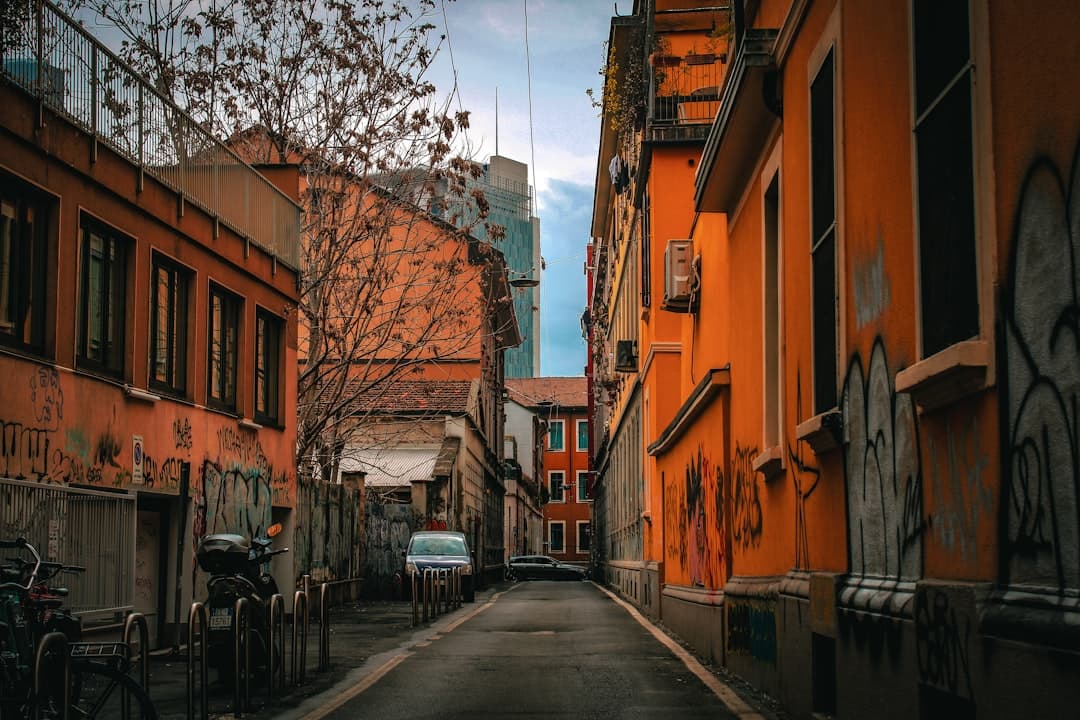
Teatro alla Scala — everyone calls it La Scala — is the most famous opera house on earth. Opened in 1778 on the site of a demolished church, it has been the birthplace of some of the greatest operas ever written, premiering works by Verdi, Puccini, Donizetti, and Bellini. Maria Callas made her legendary Milan debut here. Toscanini conducted here for years. If opera has a spiritual home, this is it — a neoclassical building tucked behind the Piazza del Duomo that looks almost modest from the outside, and absolutely breathtaking within. Visitors who aren't attending a performance can still get inside through the attached Museo Teatrale alla Scala, which opens directly into the theater's auditorium when rehearsals allow. The museum traces the full arc of Italian operatic history through costumes, instruments, portraits, and memorabilia — including a lock of Verdi's hair and the original keyboard from Mozart's clavichord. The real payoff is stepping out onto one of the auditorium's tiered boxes and looking across that iconic red-and-gold interior, with its six tiers of velvet-lined loggias rising toward a chandelier of extraordinary weight and grandeur. Attending a live performance, obviously, takes the experience to another level entirely — the acoustics are as fine as any in the world. The opera season runs from December 7th — the Feast of Sant'Ambrogio, Milan's patron saint — through July, and tickets for opening night are among the most coveted in European cultural life. If you're visiting outside performance season or on a budget, the museum is excellent value and the self-guided tour through the auditorium is genuinely moving. Book museum tickets in advance during peak tourist months; for performances, plan weeks or months ahead.
La Ópera Bar
La Ópera Bar opened in 1876 on Avenida 5 de Mayo, one of Centro Histórico's grand old boulevards, and it has been serving drinks and food in the same ornate space ever since. It's one of Mexico City's most storied cantinas — a place that has outlasted revolutions, earthquakes, and decades of urban change while holding onto its Belle Époque bones: carved wooden booths, pressed tin ceilings, dark mahogany everywhere, and a long bar that looks like it was built to last forever. The clientele has included everyone from opera singers and politicians to Diego Rivera, and, most famously, Pancho Villa, who allegedly rode his horse through the front door during the Revolution and fired his pistol into the ceiling. The hole is still there, pointed out with pride. Coming here, you settle into one of the high-backed wooden booths and let the room do the work. Order a classic Mexican cocktail — a tequila or mezcal-based drink — or go straight for a cold beer and whatever they're serving from the kitchen. The food is solid traditional Mexican: think chiles en nogada when in season, enchiladas, or a good caldo. But the point isn't really the food or the drinks in isolation; it's the atmosphere. Waiters in white jackets move between tables with practiced unhurry, the light is warm and amber, and the room buzzes at a register that feels completely its own. La Ópera sits right in the heart of Centro Histórico, steps from the Bellas Artes palace and the Alameda park, which makes it an easy and deeply rewarding addition to a day of exploring downtown. Arrive after 2pm on a weekday to find it humming but not packed; weekend afternoons get busy. Go on a Sunday before 6pm because that's when it closes. It's popular with both locals and tourists, but it never feels like a tourist trap — the place is too old and too sure of itself for that.

Lake Eola Park
Lake Eola Park is a 43-acre urban park wrapped around a natural sinkhole lake right in the middle of downtown Orlando. It's the city's most beloved public space — the kind of place that has nothing to do with theme parks and everything to do with what Orlando is actually like when tourists aren't looking. The park has been a community gathering point since the late 1800s, and its iconic white amphitheater pavilion, which juts out over the water, has become one of the most recognizable images in the city. The experience is genuinely lovely in a low-key way. The 0.9-mile walking path around the lake is flat and shaded enough to be pleasant even in summer, and on any given morning you'll share it with joggers, dog walkers, families pushing strollers, and the occasional rollerblader. The lake itself is home to a resident population of swans — including black swans — as well as herons and a rotating cast of migratory birds, which makes it a surprisingly rewarding spot for casual birdwatchers. Pedal-powered swan boats are available to rent, which is cheesy in exactly the right way. The Walt Disney Amphitheater hosts free concerts and events, and the Sunday farmers market (held year-round in the park's northeastern section) draws a loyal local crowd with fresh produce, food trucks, and craft vendors. The park sits in the Thornton Park and Lake Eola Heights neighborhoods, right on the edge of downtown, which means it's genuinely walkable from several good restaurants and bars on Washington Street and Summerlin Avenue. Parking on surrounding streets fills up fast on Sunday mornings during the farmers market, so arriving early or using a nearby garage saves frustration. The park is open until midnight, and evening visits in cooler months — when the fountain in the center of the lake is lit up — are genuinely romantic.
Lake Wakatipu
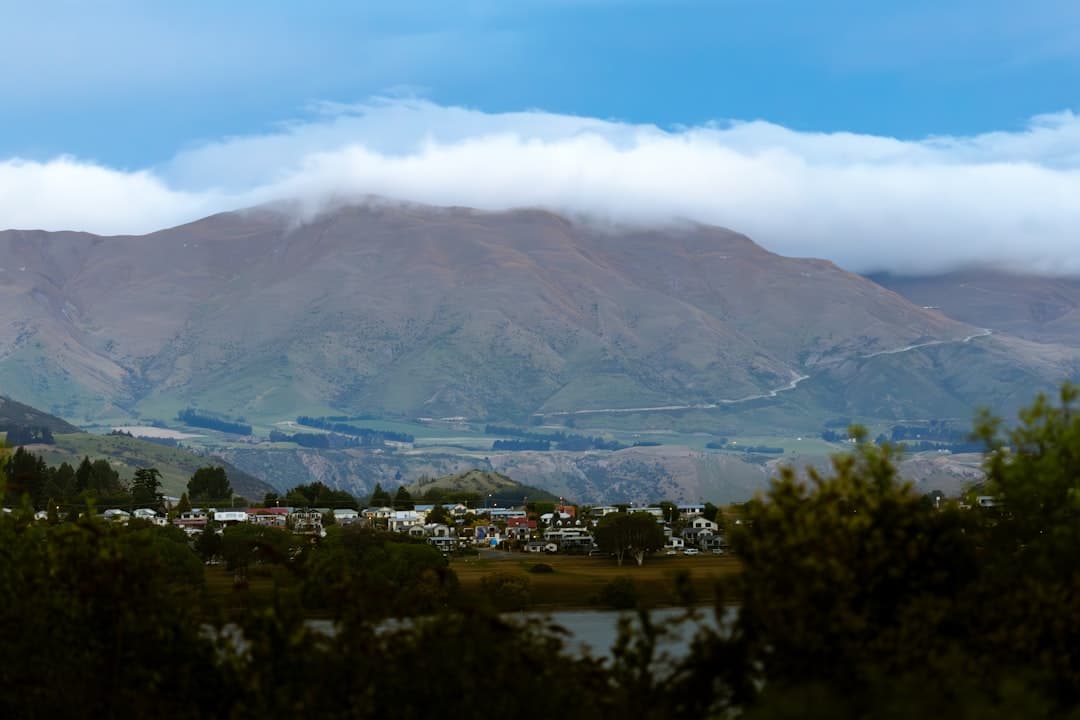
Lake Wakatipu is a long, narrow glacial lake carved into the Otago mountain range of New Zealand's South Island, curling through the landscape like a lightning bolt for roughly 80 kilometres. It sits at 310 metres above sea level, flanked by the Remarkables mountain range to the east and the Cecil and Walter Peaks to the west. The lake is the third largest in New Zealand and the longest, and it's essentially the geographic reason Queenstown exists — the town grew up on its northeastern shore in the 1860s during the gold rush, and the scenery has been pulling people here ever since. The experience of being on and around Wakatipu is layered. On the Queenstown waterfront you can stroll along the tree-lined promenade, watch paragliders drift down from Coronet Peak, and board the TSS Earnslaw — a 1912 coal-fired steamship that's been crossing the lake for over a century and remains one of the most charming and genuinely historic ways to see the water. From the lake itself, the scale of the surrounding peaks hits differently than it does from shore. Kayaking, jet boating, and paddleboarding are all common, and the Frankton Track runs along the lakeside for those who prefer two feet. The water is strikingly clear and famously cold year-round. One thing most visitors don't know: the lake's surface actually rises and falls by about 12 centimetres every five minutes due to a seiche — a natural oscillation that Māori legend attributed to the beating heart of a giant, Matau, buried beneath the water. The Queenstown waterfront gets busier as the day goes on, so mornings offer the calmest light and the fewest crowds. For the most dramatic views of the lake combined with the Remarkables, the gondola up Bob's Peak gives you the full panorama without breaking a sweat.
Lake Zurich
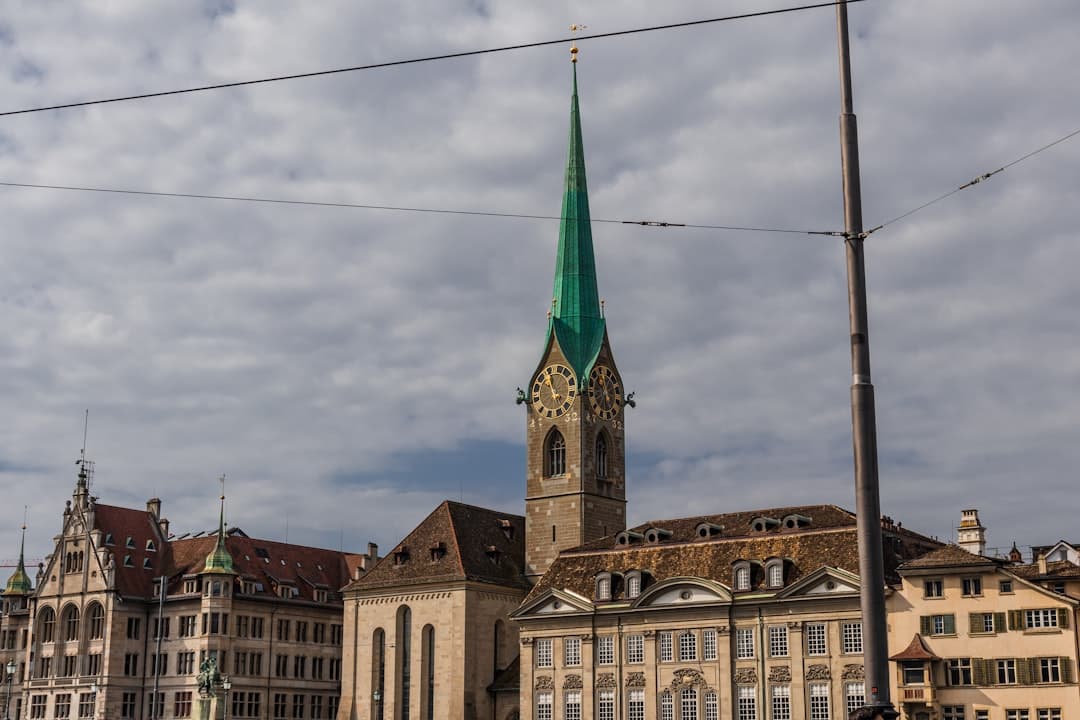
Lake Zurich is a long, narrow glacial lake stretching about 40 kilometres southeast from the city into the Swiss countryside. It sits right at the heart of Zurich's identity — this isn't a destination you make a special trip to so much as a body of water that the city wraps itself around. The Quaibrücke bridge roughly marks where the lake meets the Limmat River, and from there the lakeside promenades extend in both directions, lined with chestnut trees, park benches, and views that on clear days reach all the way to the snow-capped Alps. In summer, the lake becomes the city's communal living room. Zurichers swim here — not in a casual, tentative way but with the complete conviction of people who grew up doing it. The public bathing stations called Badis, like the Seebad Enge or the Strandbad Tiefenbrunnen, are institutions: wooden platforms over the water where locals spend entire afternoons. You can rent paddleboards, kayaks, or take a Zürichsee Schifffahrtsgesellschaft ferry to villages like Rapperswil, a medieval town at the lake's far end. The water is exceptionally clean — it meets drinking water standards — and the swimming season runs roughly May through September. The western shore (accessible by tram from the city centre) is generally quieter and more residential; the eastern shore road through the Gold Coast — the Zürichsee Goldküste — runs through some of Switzerland's most expensive real estate. For the best panoramic lake view without going far, climb up to Lindenhügel or take the short funicular to the Zürichberg. The lake itself is free to access along the public promenades, and even the Badis charge only a nominal entry fee.
Lama Temple
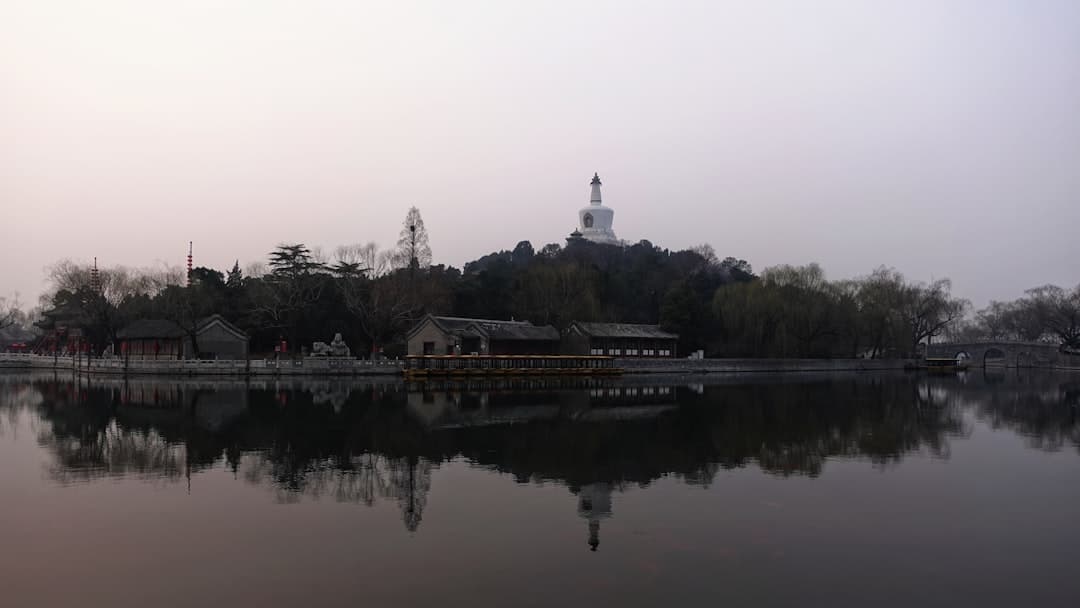
The Lama Temple — formally called Yonghe Temple — is one of the most important Tibetan Buddhist monasteries outside Tibet, and it sits in the middle of Beijing as a remarkable working religious site rather than a museum piece. Built in 1694 as the residence of the future Yongzheng Emperor, it was converted into a lamasery in 1744 by his son, the Qianlong Emperor, partly as a political gesture to strengthen ties with Mongolian and Tibetan Buddhists. Today it remains an active monastery with resident monks, and it draws both devout pilgrims and curious visitors in roughly equal measure. Passing through the ornate gates, you move through a sequence of courtyards and increasingly grand halls, each housing gilded statues of Buddhas, bodhisattvas, and protective deities of growing size and intensity. The route culminates in the Wanfu Pavilion, which contains a jaw-dropping 18-meter statue of Maitreya — the future Buddha — carved from a single white sandalwood trunk. Incense smoke hangs thick in the air throughout. Pilgrims move between altars with bundles of long incense sticks, bowing and praying with obvious sincerity. This isn't staged — it's genuinely moving to witness. The temple is located in Dongcheng District, just a short walk from the Guozijian (Imperial Academy) and Confucius Temple, making it easy to combine all three into a half-day cultural loop. Arrive early on weekdays for a calmer experience — weekends and Chinese New Year can be overwhelmingly crowded, but the New Year period is also when the temple is at its most atmospheric, with incense offerings everywhere and a genuine festive spiritual energy. Buy incense at the entrance if you'd like to participate respectfully.
Lapa Arches
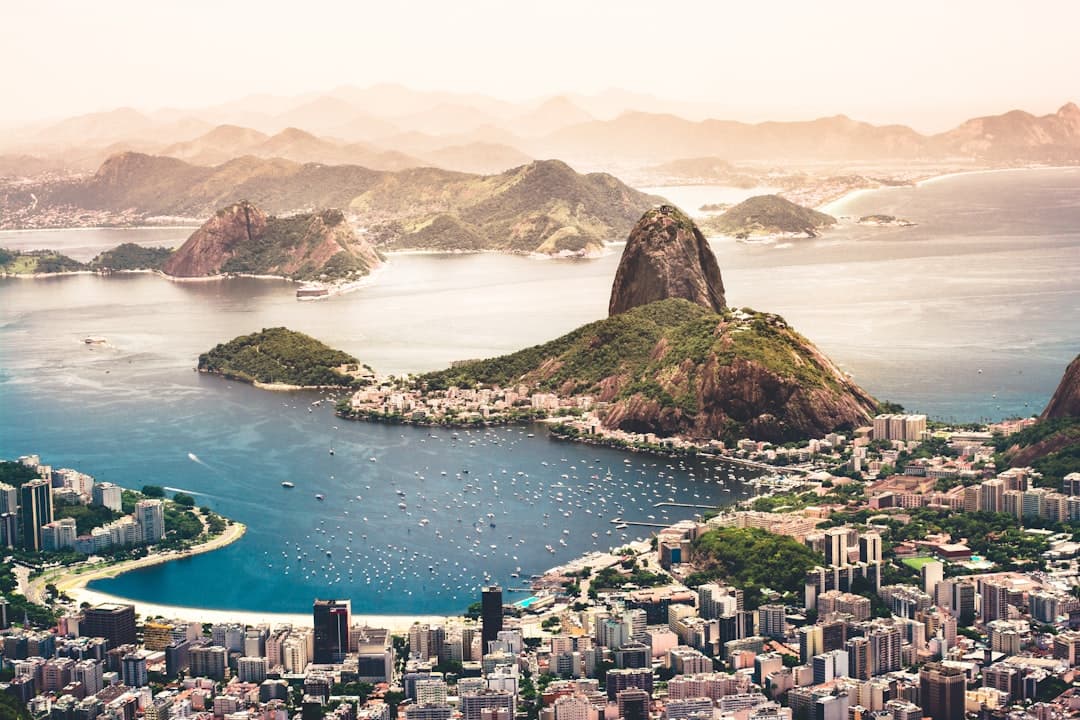
The Lapa Arches — known in Portuguese as the Arcos da Lapa or Aqueduto da Carioca — are a stunning 18th-century stone aqueduct that once carried fresh water from the Santa Teresa hills down into colonial Rio de Janeiro. Built between 1724 and 1750, the structure stretches 270 meters and features 42 elegant double-tiered arches rising up to 17 meters high. It's one of the most recognizable pieces of colonial architecture in all of Brazil, and today it serves as a tram viaduct, carrying the beloved Santa Teresa bonde (streetcar) over the arches and into the hillside neighborhood above. Visiting the arches means standing in a public square and looking up at something genuinely ancient in a city that moves fast and rarely slows down for its own history. You can photograph the structure from the plaza below, walk along Rua Mem de Sá and take in the arch-framed views, or hop the yellow Santa Teresa tram that rolls right over the top. The surrounding Lapa neighborhood is Rio's most storied bohemian district — street art, crumbling belle-époque buildings, outdoor bars, and samba pouring out of open doorways. During the famous Lapa weekend nightlife, the arches are lit up and the whole area buzzes with carioca energy. Daytime visits are calm and photogenic, with the arches often reflected in puddles after rain and vendors selling coconut water and snacks nearby. But Friday and Saturday nights transform the neighborhood entirely — the arches become the backdrop to one of South America's most vibrant street party scenes. Keep your wits about you and watch your belongings, especially late at night, as Lapa has a mixed safety reputation after dark. Come at dusk for golden-hour photos, grab a cold chopp at one of the outdoor bars along the strip, and let the evening unfold.
Larco Museum
The Larco Museum is one of the finest pre-Columbian art museums in the world, set inside a beautifully restored 18th-century viceregal mansion in Lima's Pueblo Libre district. Founded in 1926 by Rafael Larco Herrera and later developed by his son Rafael Larco Hoyle, it holds a private collection of around 45,000 objects spanning Chimú, Moche, Wari, Chancay, and Inca cultures, among others. What makes it special isn't just the scale — it's the curation. This isn't a dusty archaeological warehouse; it's a genuine attempt to tell the story of ancient Peru in a way that's engaging and humane. The main galleries walk you through thousands of years of Andean history with well-lit displays of gold and silver objects, textiles, jewelry, and the famous Moche portrait ceramics — vessels so individually rendered they feel like actual faces staring back at you. Then there's the storage gallery, a deliberate design choice that opens the museum's entire reserve collection to the public. Thousands of ceramics are arranged on open shelves in a vast, climate-controlled room — it sounds clinical but it's genuinely astonishing, like wandering through a civilisation's attic. The erotic ceramics gallery, tucked at the back, gets a lot of attention and deserves it: it's frank, surprisingly tender, and illuminating about how these cultures understood the body and fertility. Arrive early if you want the main galleries to yourself — tour groups tend to arrive mid-morning. The on-site restaurant, Café del Museo, set in a garden courtyard with flowering bougainvillea, is genuinely worth staying for lunch rather than an afterthought. Audio guides are available and add real context, especially in the Moche gallery. The neighbourhood of Pueblo Libre is quiet and residential, so combine the visit with a stop at the nearby Museo Nacional de Arqueología if you want a full day of pre-Columbian deep-diving.
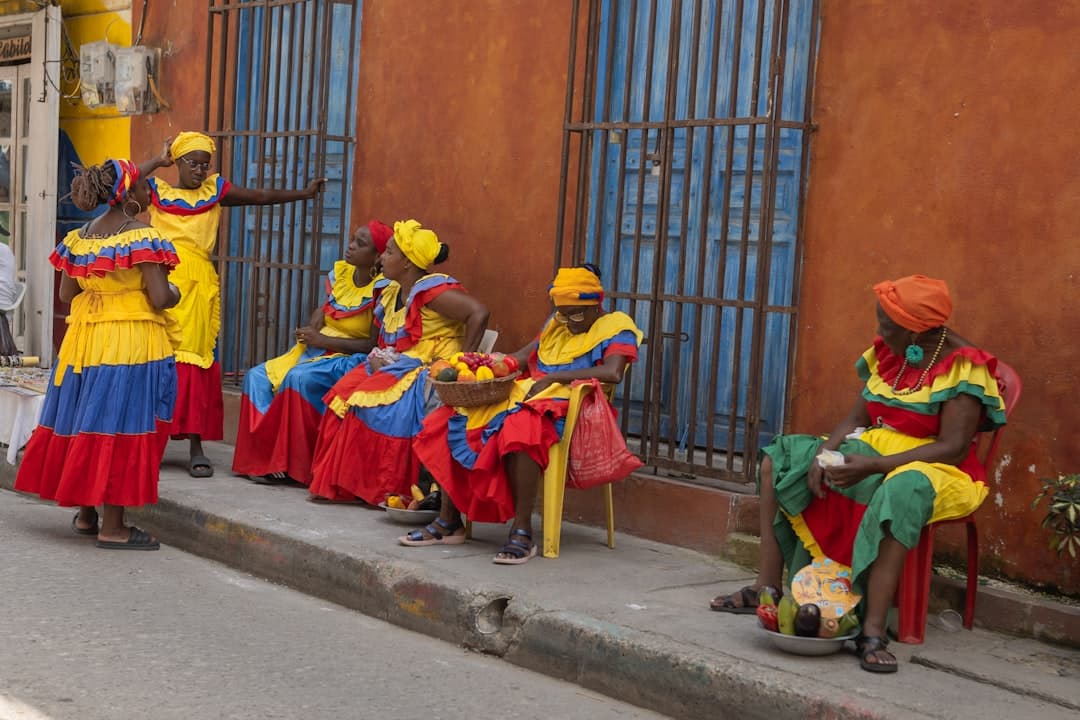
Las Murallas
Las Murallas — the walls — are the massive stone fortifications that ring Cartagena's historic center, one of the best-preserved colonial defensive systems in the Americas. Built by the Spanish between the late 16th and early 18th centuries in response to repeated pirate raids and foreign invasions, the walls stretch roughly nine kilometers around the old city and the Getsemaní neighborhood, rising up to twelve meters in some sections. They were designated a UNESCO World Heritage Site along with the rest of the old city in 1984, and for good reason: walking their ramparts is walking through a remarkably intact piece of colonial military engineering. The experience is wonderfully open-ended. You can climb up at several access points — near the Torre del Reloj clock tower, at Baluarte de San Francisco Javier, or along the stretch near the Hilton hotel — and simply walk. The views from the top take in the Caribbean Sea on one side and the terracotta rooftops and bougainvillea-draped streets of the old city on the other. At sunset, the western-facing sections near Café del Mar become a social event in themselves, with locals and visitors gathering to watch the sky turn orange over the water. Street vendors sell cold beers and coconut water, and the vibe is relaxed and genuinely festive. There's no entry fee and no ticket booth — the walls are a public space used daily by Cartagenians for walking, jogging, and socializing. That's part of what makes them so special: they're not a museum piece behind a rope. The most atmospheric stretches run from the San Diego neighborhood toward the sea-facing Baluarte de Santa Catalina. Come in the late afternoon, give yourself a couple of unhurried hours, and end the evening at one of the restaurants or bars built directly into the wall itself.
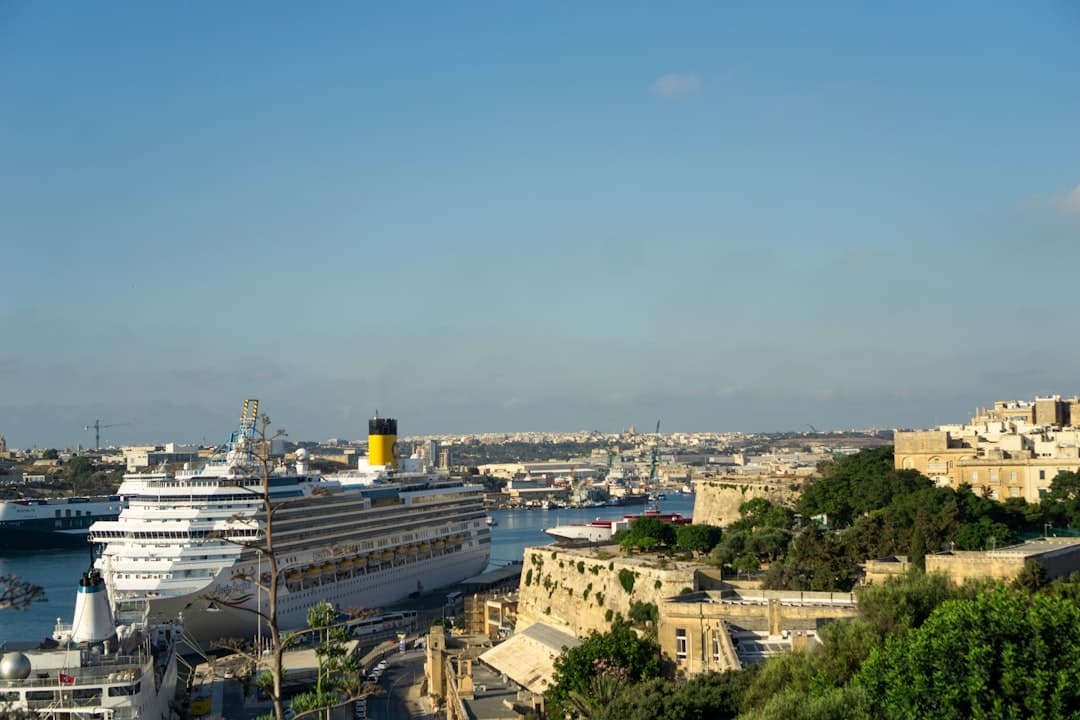
Lascaris War Rooms
Deep beneath the bastions of Valletta, carved into the living rock, the Lascaris War Rooms served as the secret Allied military headquarters during some of the most intense fighting of the Second World War. From these tunnels, commanders coordinated the defence of Malta during the island's devastating siege — a campaign so brutal that Malta was collectively awarded the George Cross in 1942, the only time a territory has received that honour. Later, the same tunnels were used to plan Operation Husky, the 1943 Allied invasion of Sicily, with Eisenhower and Montgomery among those who worked here. It's a place where the weight of history is genuinely palpable. Visiting today means descending into a remarkable, largely intact complex of rooms — plotting tables, radio equipment, maps, and period furniture all meticulously restored and in some cases original. You'll walk through the Combined Operations Room, the RAF Fighter Control Room, and the naval sections, with mannequins, audio recordings, and well-researched displays bringing the wartime atmosphere to life. The scale of the operation — and the claustrophobic intensity of working underground while the island above was being bombed flat — becomes very real very quickly. The entrance is easy to miss: look for the signs near the Lower Barrakka Gardens end of the ditch that runs along Valletta's southern walls. It's run by a dedicated heritage organisation and the guides are genuinely knowledgeable — if you get a guided walkthrough rather than self-guiding, take it. Go mid-morning on a weekday when crowds are thin and you'll feel like you have the place almost to yourself.

Laugardalslaug
Laugardalslaug is the largest public swimming complex in Iceland, and for many Reykjavik residents it's less a tourist attraction than a daily ritual. Built in the Laugardalur valley — whose name literally means 'hot spring valley' — the facility taps into Iceland's geothermal abundance to keep its pools warm year-round, rain, snow, or Arctic wind included. This is not a spa or a wellness resort. It's a municipal pool where grandmothers do laps, teenagers hang out, and parents bring small children after school. Coming here means entering the fabric of everyday Icelandic life in a way that few other experiences in the city allow. The complex includes a large outdoor 50-metre competition pool, several hot tubs (called 'hot pots') at varying temperatures ranging from around 38°C to 44°C, a waterslide, a children's pool, a steam bath, and an indoor lap pool. The outdoor hot pots are the social heart of the place — Icelanders use them the way other cultures use a coffee shop or a pub, drifting between tubs, chatting unhurriedly, watching the sky. On a winter evening when steam rises into the dark air and snow dusts the edges of the pool deck, the experience borders on magical. In summer, the long Arctic daylight means you can be soaking outdoors at 9pm in full sunshine. Entry is cheap by Reykjavik standards — a few hundred krónur — and a locker room attendant will hand you a wristband that opens your locker. There's a strict shower protocol before entering any pool, which is enforced and non-negotiable: you strip off and shower thoroughly, without a swimsuit, before getting changed. It sounds alarming if you're not used to it, but everyone does it, nobody cares, and it keeps the pools genuinely clean. Bring your own towel if you want to save the rental fee, and note that the complex can get busy on weekday evenings after work — Icelandic rush hour is in the hot pots.
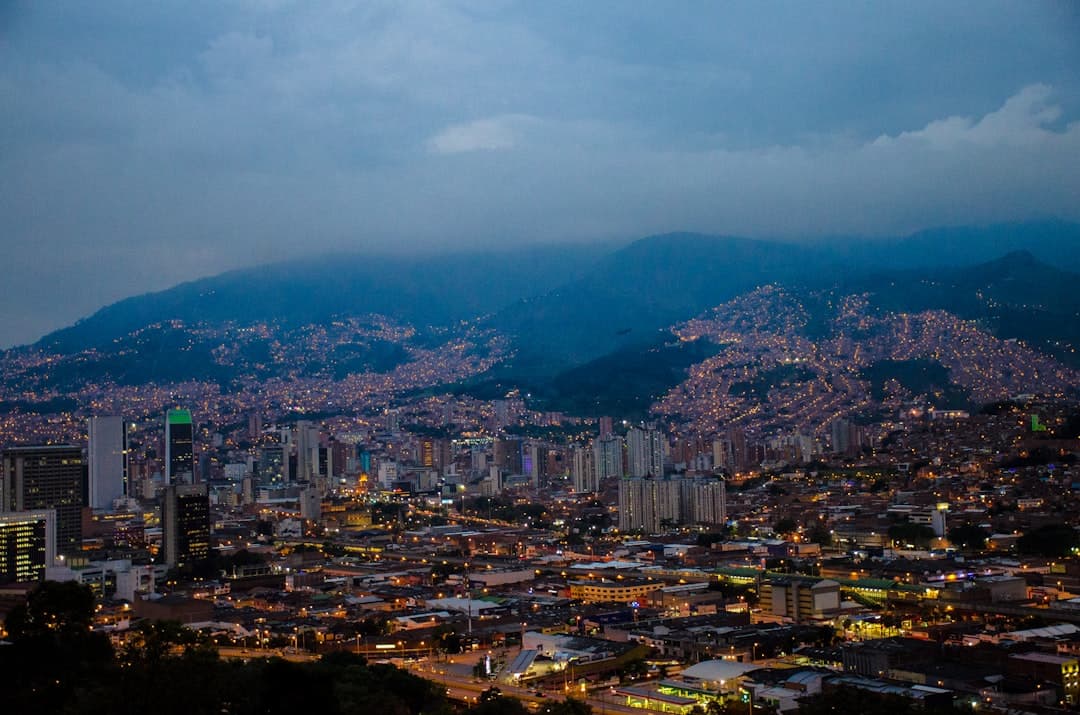
Laureles
Laureles is a middle-class residential neighborhood on the western side of Medellín that has quietly become one of the city's most appealing places to spend time. Unlike El Poblado, which draws most of the expat and tourist traffic, Laureles feels like a real neighborhood where real people live — tree-lined circular avenues (the famous Avenida Jardín and its concentric rings), neighborhood bakeries, corner tiendas, and a cafe culture that doesn't exist primarily to serve visitors. It sits just west of the Estadio Atanasio Girardot sports complex and borders Envigado to the south, giving it a central but unhurried feel. Walking the circular avenues of Laureles is genuinely pleasant in a way that few urban neighborhoods manage — the Circular streets (Primera Circular, Segunda Circular, and so on) create a grid-breaking layout that makes the area feel contained and explorable on foot. Along these streets you'll find an excellent spread of independent restaurants, coffee shops serving top-tier Colombian specialty coffee, wine bars, craft beer spots, and international restaurants that cater to a local professional crowd rather than tourists. The area around Avenida El Poblado and Carrera 76 has a particularly dense concentration of good eating and drinking options. On weekends, the ciclovía closes streets to cars, and the neighborhood fills with cyclists, joggers, and families. Laureles is the kind of place savvy travelers choose as a base precisely because it offers a more authentic slice of Medellín life than the more touristy alternatives. Airbnbs and boutique guesthouses here tend to be better value than in El Poblado, and you're well connected by the city's excellent metro system — the Estadio and Floresta stations both serve the area. If you want to understand how middle-class Medellín actually lives, spend at least a morning or an afternoon wandering here rather than staying on the tourist circuit.
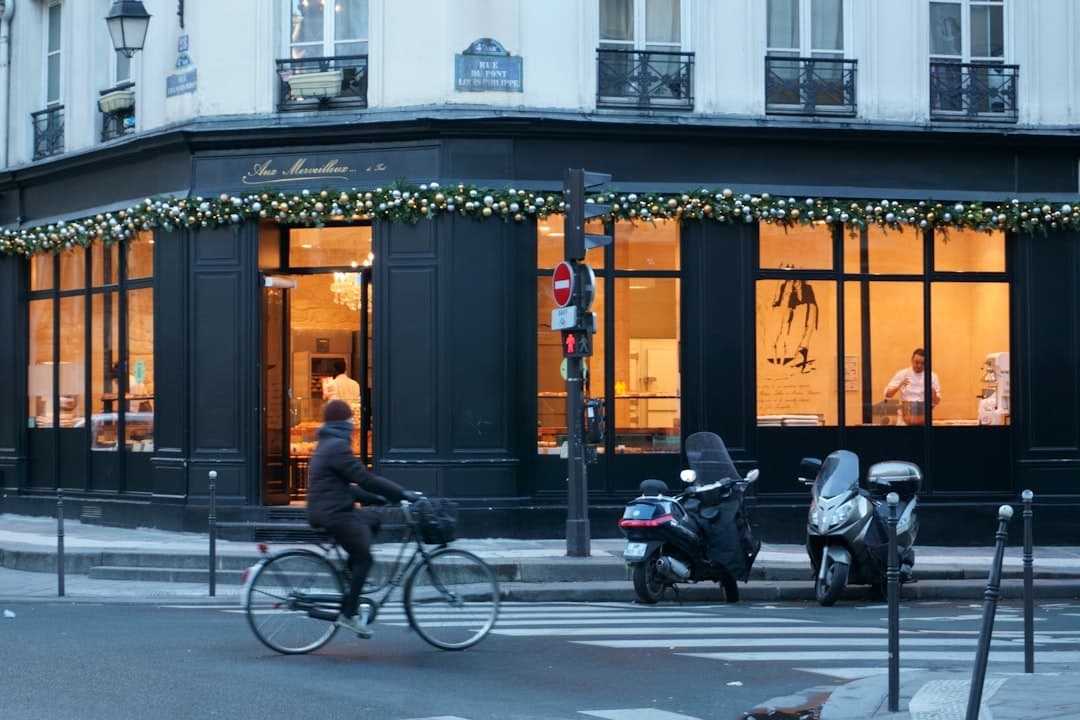
Le Marais
Le Marais is one of Paris's oldest and most architecturally rich neighborhoods, occupying the 3rd and 4th arrondissements on the Right Bank. Unlike most of central Paris, it largely escaped Baron Haussmann's 19th-century renovations, which means its medieval street plan and Renaissance hôtels particuliers — grand private mansions — survived more or less intact. Today it's home to some of the city's best museums, a thriving LGBTQ+ community centered around the Rue des Archives and Rue Sainte-Croix-de-la-Bretonnerie, a historic Jewish quarter along Rue des Rosiers, and some of the densest gallery culture in France. In practice, visiting Le Marais means wandering. You'll cut through the Place des Vosges — Paris's oldest planned square, built by Henri IV in 1612 and still breathtaking — duck into the Musée Picasso in its stunning 17th-century mansion, browse contemporary art in the Saint-Paul and Haut-Marais gallery districts, and stop at L'As du Fallafel on Rue des Rosiers for what is, by genuine consensus, the best falafel in Paris. The shopping ranges from vintage stores on Rue de Bretagne to high-concept concept stores like Merci on Boulevard Beaumarchais. Sunday afternoons here feel genuinely alive in a way that much of Paris does not. The neighborhood runs roughly from the Centre Pompidou in the west to the Place de la Bastille in the east, and from the Seine in the south to the République district in the north. The Haut-Marais — the upper, northern section — has become the epicenter of Paris's independent restaurant and coffee scene over the last decade. Come on a Sunday when many Paris neighborhoods feel shuttered; Le Marais stays open and buzzing. Avoid arriving by car — the streets are narrow, parking is nearly impossible, and the métro stops at Saint-Paul, Chemin Vert, and Hôtel de Ville put you right in the heart of it.
Lempuyang Temple
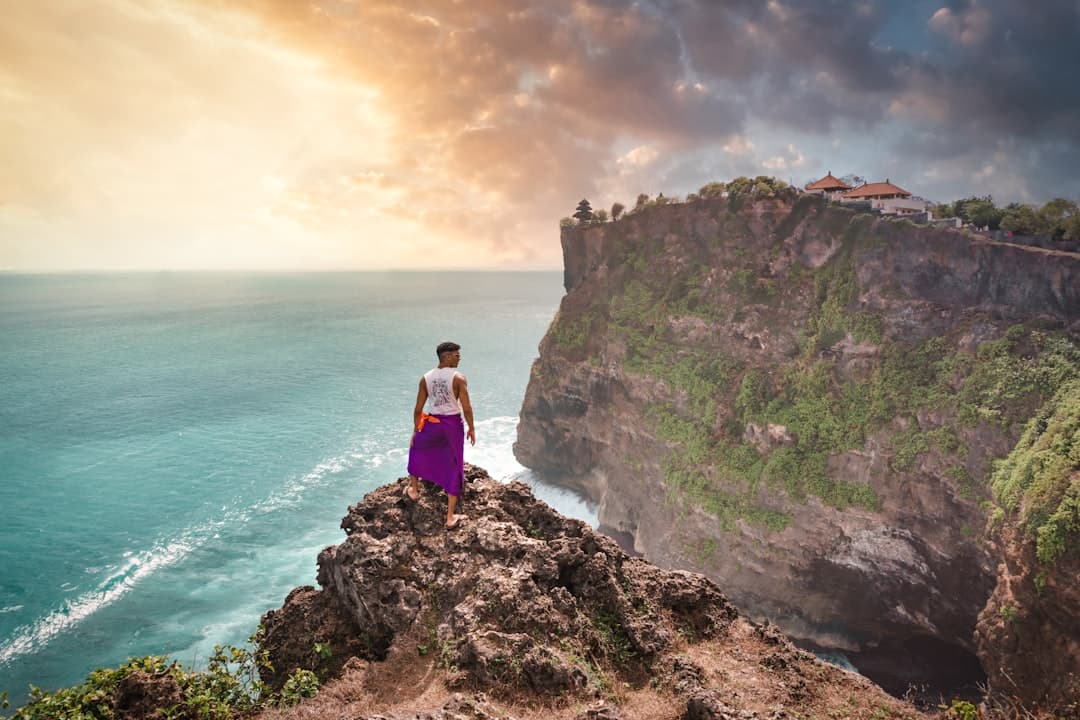
Lempuyang Temple — formally known as Pura Lempuyang Luhur — is one of Bali's nine directional temples, a classification that places it among the island's most spiritually significant sites. Perched on the slopes of Mount Lempuyang in the Karangasem regency in east Bali, it has been a place of Hindu worship for centuries. Most visitors know it from a single image: the Candi Bentar, a split gateway that frames Mount Agung perfectly in the background. That photograph has circulated so widely online that Lempuyang has become one of the most recognizable landmarks in all of Southeast Asia, drawing thousands of visitors a week. In practice, visiting Lempuyang is more of a pilgrimage than a sightseeing stop. The full temple complex climbs the hillside in a series of seven temples connected by steep stone staircases — a proper hike that takes several hours if you commit to the whole route. Most tourists, however, come for the famous gateway shot at the lowest temple, Pura Penataran Agung Lempuyang. There's always a queue for the photo. Local photographers with reflective boards create the illusion of a pool of water in the foreground, mimicking an effect that social media made famous. Beyond the shot, the setting is genuinely beautiful: jungle-covered hills, misty air, stone carvings draped in ceremonial cloth, and real religious activity happening alongside the tourism. The temple is an active place of worship, and visitors need to approach it with respect. Sarongs and sashes are required and are provided at the entrance. Come early — well before 8am if you want any chance of a manageable queue for the gate photo, which can stretch to two or more hours by mid-morning. The drive to Lempuyang from Ubud takes around 1.5 to 2 hours, making it a full-day commitment from most parts of Bali. A driver for the day is the most practical option, as public transport doesn't serve this area well.
Liberty Bell
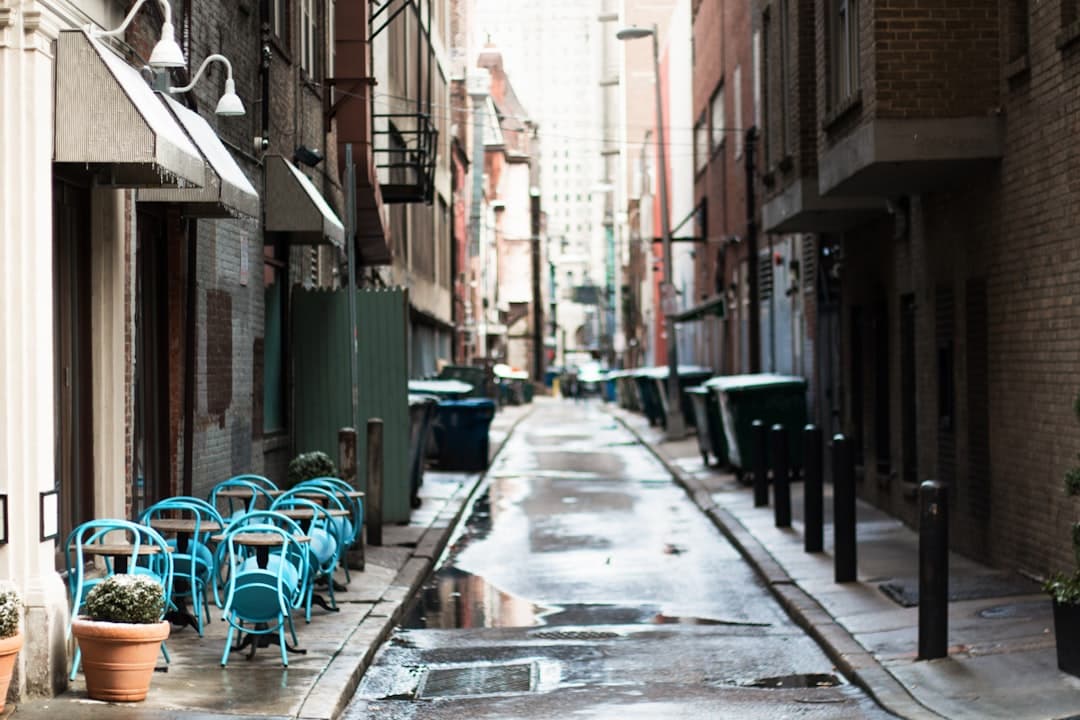
The Liberty Bell is one of the most recognizable symbols in American history — a 2,080-pound bronze bell cast in 1752 that became a rallying icon for the abolitionist movement and, later, a universal symbol of freedom and democracy. Originally hung in the Pennsylvania State House (now Independence Hall), it gained its legendary crack over decades of use, and its inscription — 'Proclaim Liberty Throughout All the Land' from the Book of Leviticus — gave abolitionists the language they needed to challenge slavery in the 19th century. Today it lives in its own purpose-built glass pavilion on Independence Mall, free to visit and open year-round. The experience is more intimate than you might expect. You queue outside, pass through a security checkpoint, and then walk through a short but well-designed interpretive gallery that traces the bell's history from its casting at London's Whitechapel Bell Foundry to its transformation into a civil rights symbol. Then you come face to face with the bell itself — and it's genuinely striking. The crack is larger than most people imagine, running nearly 24 inches up the side. Rangers are usually on hand to answer questions, and the glass walls of the pavilion frame a direct view down toward Independence Hall, which is a nice compositional touch. Entry is free, which makes this one of the best-value stops in the city. The bell pavilion sits at the north end of Independence Mall, so pair it with a walk down to Independence Hall (separate timed-entry tickets required for that) and the National Constitution Center nearby. Mornings on weekdays are noticeably quieter — summer weekends can pack the queue. The whole visit, including the gallery, rarely takes more than 45 minutes.
Lincoln Park Zoo
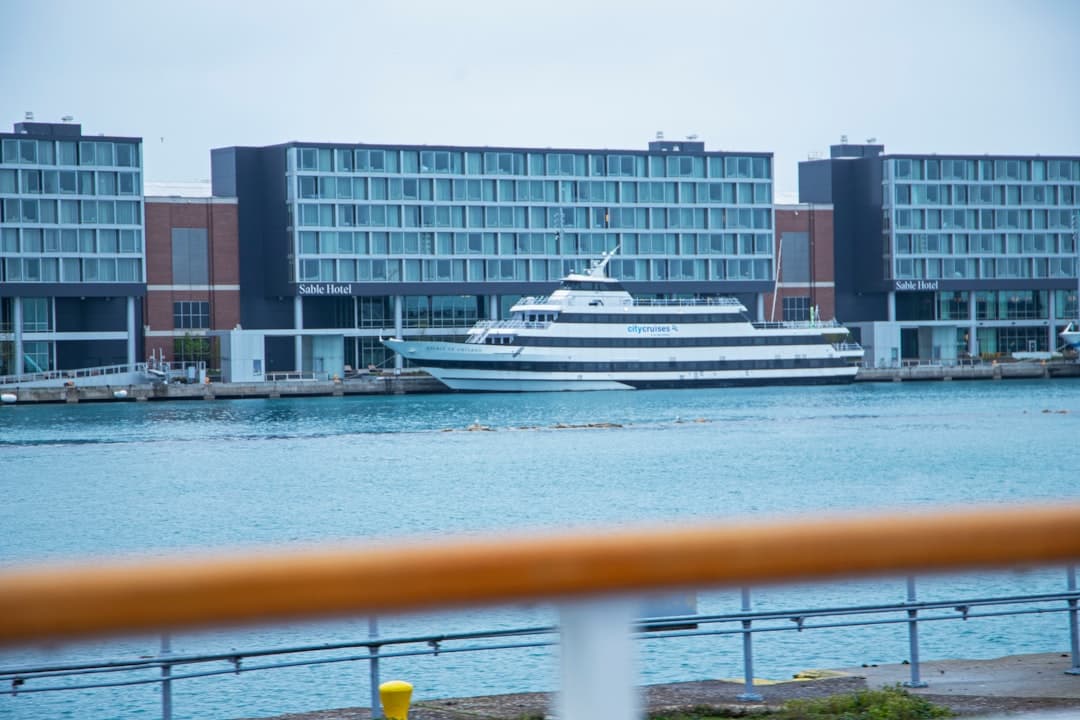
Lincoln Park Zoo is one of the oldest zoos in the United States and one of the last major urban zoos in the country that charges no admission. Sitting on about 35 acres in the heart of Chicago's Lincoln Park neighborhood, right along the Lake Michigan shoreline, it's been a fixture of the city since 1868 — which means generations of Chicagoans have grown up with this place. It's operated by a private nonprofit and relies on donations, memberships, and events rather than ticket revenue, which makes walking through the gates feel like a genuine gift. The zoo houses around 200 species across a well-maintained mix of indoor and outdoor habitats. The Regenstein African Journey takes you through savanna and rainforest environments with gorillas, pygmy hippos, and zebras. The Kovler Lion House is a beautifully restored 1912 building that still feels like old Chicago. The Pritzker Family Children's Zoo and the Farm-in-the-Zoo are real draws for families with small kids. In summer, the grounds are lush and the outdoor exhibits are at their best — big cats lounging, flamingos doing flamingo things along the south pond. The Sea Lion Pool and the Regenstein Center for African Apes consistently rank among visitor favorites. Because it's free and centrally located, the zoo gets genuinely busy on weekends and during school holidays — expect crowds. The best strategy is arriving when it opens at 8am, which gives you a quieter hour or two before the midday rush. The zoo connects naturally to a broader Lincoln Park day: you can walk north to the Peggy Notebaert Nature Museum or south toward the Chicago History Museum, and the lakefront running path is steps away. Parking nearby is notoriously difficult — take the Red Line to Fullerton or the 151 bus along Sheridan.
Little India
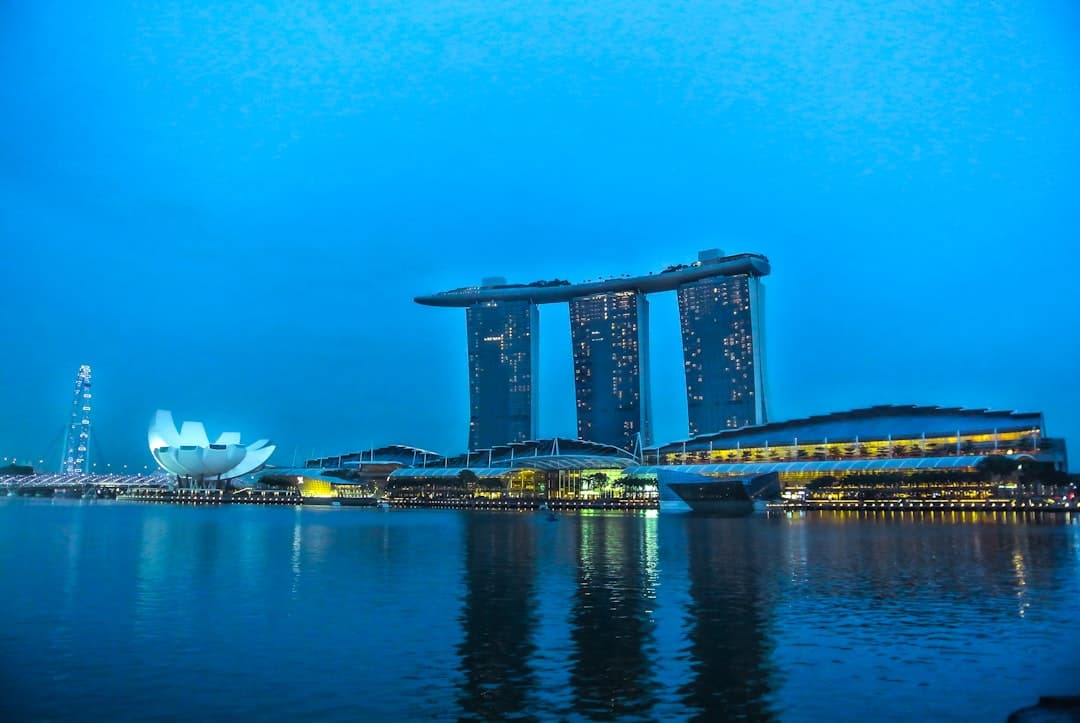
Little India is one of Singapore's most vibrant ethnic enclaves, a dense, walkable district in the central-north of the city where the Tamil and South Asian communities have put down roots since the 19th century. Originally a cattle trading ground and then a hub for Indian laborers and merchants, it's evolved into a living neighborhood that simultaneously functions as a cultural heartland for Singapore's Indian population and one of the city's most compelling places to simply wander. The streets around Serangoon Road — the neighborhood's spine — are alive with jasmine garlands strung from shopfronts, the smell of curry drifting from open kitchens, and temples that wouldn't look out of place in Chennai or Kolkata. On the ground, Little India rewards slow exploration. Sri Veeramakaliamman Temple on Serangoon Road is a riot of gopuram sculpture and one of Singapore's most important Hindu places of worship — you can enter respectfully and observe ongoing rituals. The Mustafa Centre, a 24-hour department store that somehow sells everything from saris to electronics to fresh mangoes, is a local institution. The shophouses along Campbell Lane, Dunlop Street, and Buffalo Road are stacked with spice merchants, flower sellers, Ayurvedic pharmacies, and textile shops selling silk by the meter. Tekka Centre, the wet market and hawker complex at the district's southwestern edge, is one of the best spots in all of Singapore to eat cheaply and well — fish head curry, roti prata, biryani. The neighborhood is at its most electric on weekends, when migrant workers from the wider region fill the streets and the energy tips into something genuinely festive. Come in the evening, when the heat eases and the neon of the shophouses and temples glows. Little India is also at its absolute peak during Deepavali (Diwali), usually in October or November, when the whole district is strung with lights and the streets feel like a celebration. First-timers often underestimate how much time they'll spend here — budget at least half a day if you want to eat, shop, and actually look at things.