
All Places
1,073 places around the world
1,073 places · page 20 of 45
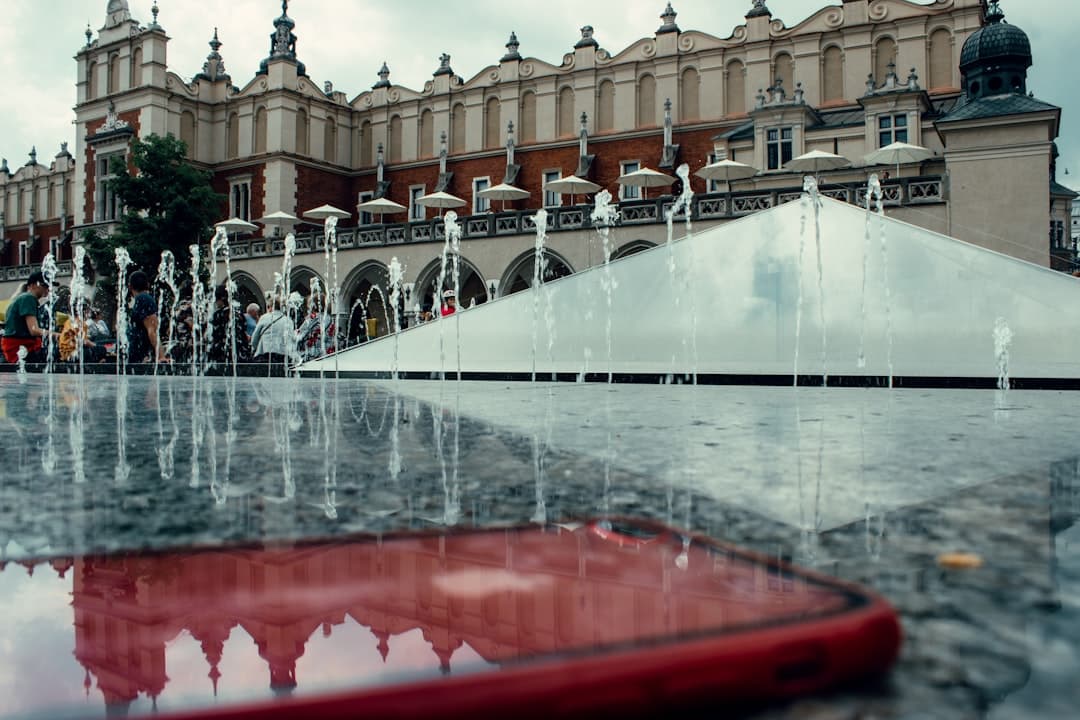
Kazimierz
Kazimierz is a historic district in southern Krakow that served for centuries as the city's Jewish quarter — a largely autonomous town within a town, home to a thriving Jewish community before World War II. The Nazis destroyed nearly everything human here; the buildings survived, the people largely didn't. What you're walking through today is a neighborhood carrying enormous weight, one that has been painstakingly restored and repopulated since the 1990s, partly inspired by Steven Spielberg's choice to film Schindler's List here in 1993. That film put Kazimierz back on the global map and sparked a revival that has since made it one of the most compelling urban quarters in Central Europe. In practice, Kazimierz rewards slow walking and open eyes. The Jewish quarter clusters around Szeroka Street — a long, cobbled square lined with synagogues and restaurants serving traditional Jewish cuisine — and the neighboring streets are dense with pre-war architecture, small galleries, second-hand bookshops, and independent cafés. You can visit the Old Synagogue (now a museum), the Remuh Synagogue and its renaissance-era cemetery, and the Galicia Jewish Museum, which frames the story of Polish Jewry through contemporary photography. By night, the district transforms entirely: Plac Nowy, a round market hall at the center of Kazimierz, becomes the beating heart of Krakow's bar scene, surrounded by converted factory spaces, jazz clubs, and the kind of laid-back drinking culture that draws a young international crowd. Kazimierz sits just a 15-minute walk south of the Old Town along the Vistula river, making it easy to combine with a day in the city center. The Jewish quarter is walkable from Wawel Castle. Come on a Saturday morning when the flea market on Plac Nowy is in full swing, pick up a zapiekanka (a toasted baguette topped with mushrooms and cheese) from one of the stalls at the market hall — it's the classic Kazimierz street snack — and give yourself at least half a day to actually feel the place rather than just tick the sights.
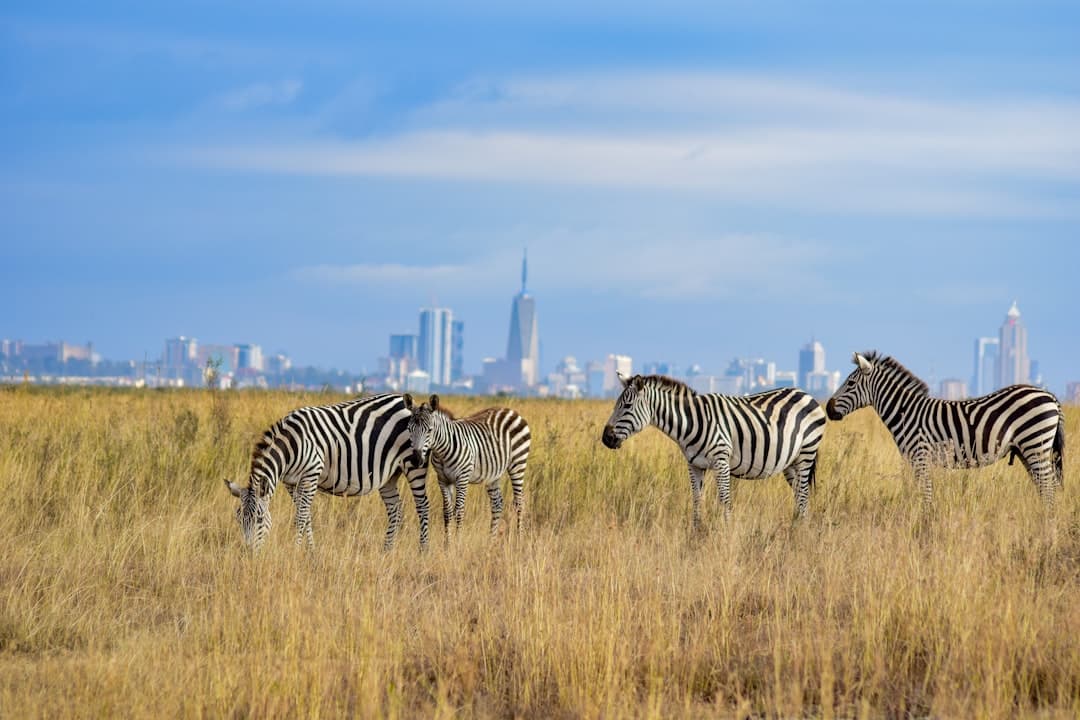
Kazuri Beads
Kazuri — which means 'small and beautiful' in Swahili — is a Kenyan ceramics and jewelry company with a remarkable origin story. It was founded in 1975 by Lady Susan Wood in her Karen garden, initially employing a handful of local women. Today it supports over 350 workers, the majority of them single mothers and women who might otherwise struggle to find formal employment. Every bead is hand-rolled, hand-painted, and kiln-fired on site, making each piece genuinely unique. The factory sits in the leafy Karen suburb near the Ngong Hills, and a visit here is as much about understanding a functioning social enterprise as it is about shopping for beautiful things. The experience is straightforward and genuinely satisfying: you walk through the production workshop and watch artisans roll clay beads by hand, string finished pieces, and apply intricate painted patterns — all at their own unhurried pace. It's not a staged demonstration; these women are working, and you're welcome to observe. The shop itself is well-stocked with necklaces, earrings, bracelets, bowls, and mugs in Kazuri's signature bold African color palettes. Prices are fair and clearly marked, and the quality is consistent — this is an internationally recognized brand that exports worldwide, so what you're getting is the real thing at source. Kazuri is conveniently located near other Karen-area attractions — the Karen Blixen Museum and the Giraffe Centre are both within a few minutes' drive — so it pairs naturally into a half-day circuit of that neighborhood. Go on a weekday morning if you want to see the workshop at full capacity. The staff are welcoming and there's no pressure to buy, though most visitors leave with something. Credit cards are accepted, and pieces can be wrapped for travel.
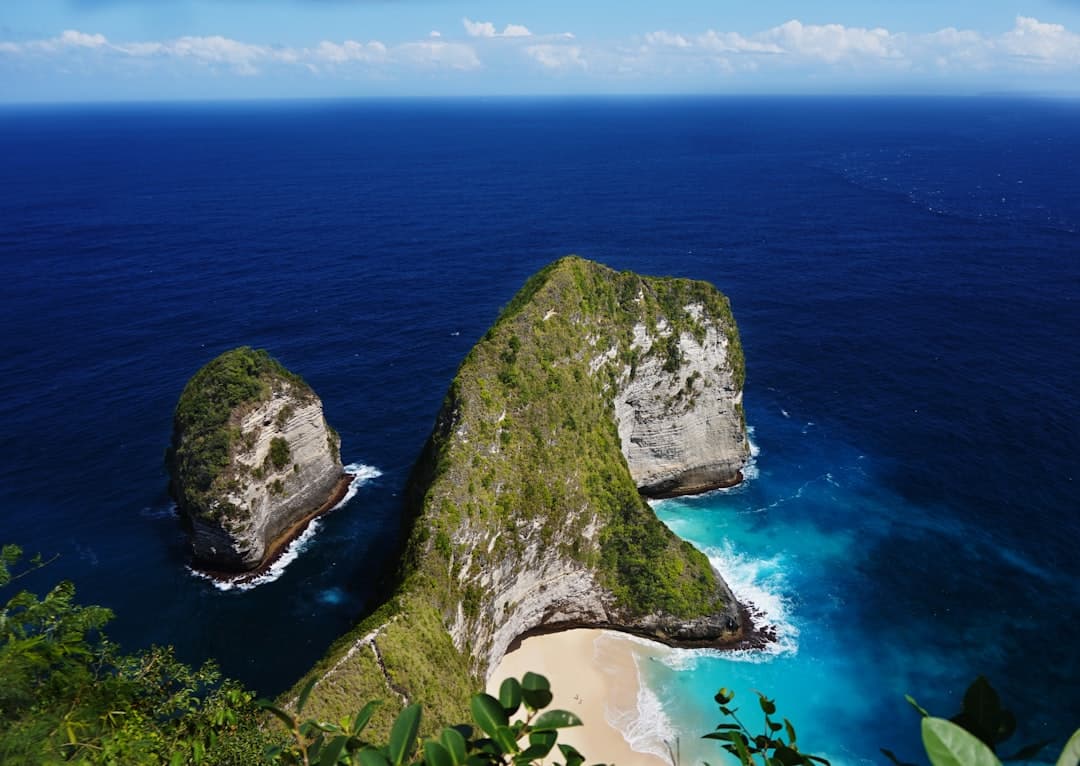
Kelingking Beach
Kelingking Beach sits on the southwestern coast of Nusa Penida, a rugged island about 45 minutes by fast boat from Sanur in Bali. The name roughly translates to 'pinky finger' in Indonesian, but the headland it describes is more famous for resembling a Tyrannosaurus rex head when seen from above — a dramatic limestone promontory jutting into the Indian Ocean, with a crescent of white sand and turquoise water hidden beneath it. It has become one of the most photographed spots in all of Indonesia, and for good reason: the views from the clifftop are genuinely jaw-dropping. Most visitors come for the iconic viewpoint at the top of the cliff, where you can stand at the edge and look down at the beach and headland below. That view alone is worth the trip. But the more adventurous option is to actually descend to the beach itself — a steep, rope-assisted scramble down a dirt trail that takes around 30–45 minutes each way and involves some genuinely challenging sections. The beach at the bottom is wild, remote, and largely empty by comparison to the viewpoint above. The water looks inviting but strong currents make swimming dangerous for most visitors. The real reward is just being there — standing on the sand looking back up at that impossible cliff face. Nusa Penida is a day-trip destination for most visitors from Bali, though staying overnight lets you beat the crowds. Kelingking is typically visited as part of a western Nusa Penida tour, combined with Angel's Billabong, Broken Beach, and Crystal Bay. Ojek (motorbike taxi) drivers are the most practical way to get around the island. The road to Kelingking has been improved in recent years but is still rough in places. Arrive before 9am if you want the viewpoint relatively to yourself — by midmorning the clifftop path is packed.
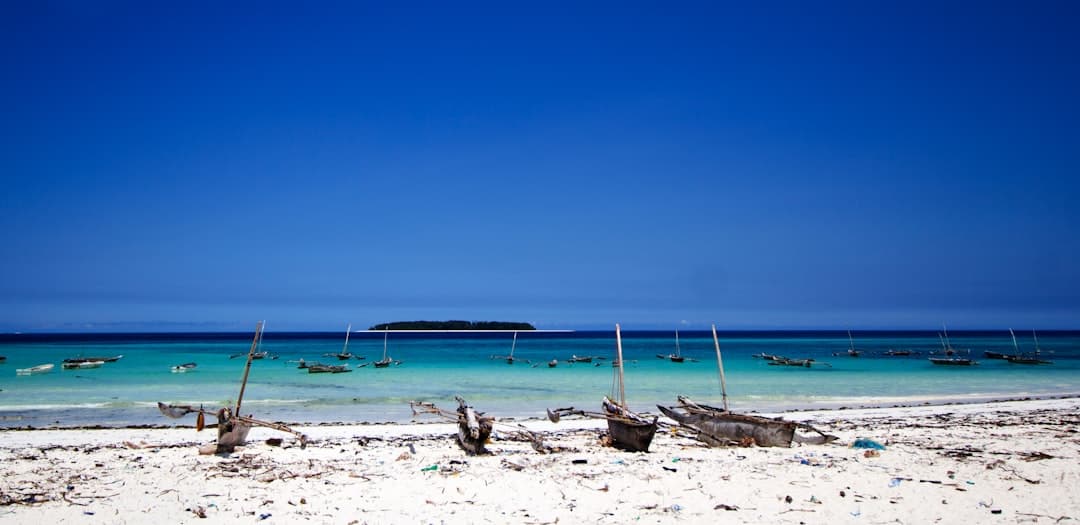
Kendwa Beach
Kendwa Beach sits at the northwestern tip of Zanzibar island, about 56 kilometers from Stone Town, and it's one of the few beaches on the island where the tidal shift is minimal enough that you can actually swim at any time of day. That alone makes it stand out from much of Zanzibar's coastline, where low tide can leave you stranded on mudflats hundreds of meters from the water. The beach is a long, generous stretch of white sand backed by palms and a low-key strip of beach bars and small hotels, with the Indian Ocean shimmering in improbable shades of turquoise in front of it. In terms of what you actually do here — mostly you slow down. You swim, you snorkel in the reef just offshore, you rent a kayak or a paddleboard, you eat freshly grilled seafood at one of the beach shacks, and you watch the sun melt into the ocean at one of the more reliably spectacular sunsets on the Tanzanian coast. The beach has a social, slightly festive energy compared to quieter spots further south, concentrated around a handful of beach clubs and bars — Kendwa Rocks being the most famous anchor point for the scene. Every month at the full moon, that energy spikes into a proper beach party that draws visitors from across the island. Kendwa is accessible but not overrun — it takes the better part of an hour from Stone Town by shared minibus or dala-dala, which keeps casual day-trippers thinner on the ground than at Nungwi just down the coast. Most people who make it here either stay a few nights or come on a half-day trip. If you're staying, book accommodation early in peak season (July–August and December–January) — the beach's reputation has grown fast and the good places fill up. The full moon party at Kendwa Rocks is worth timing a visit around if you enjoy open-air dancing on sand with a cold Kilimanjaro beer in hand.
Kennedy Park
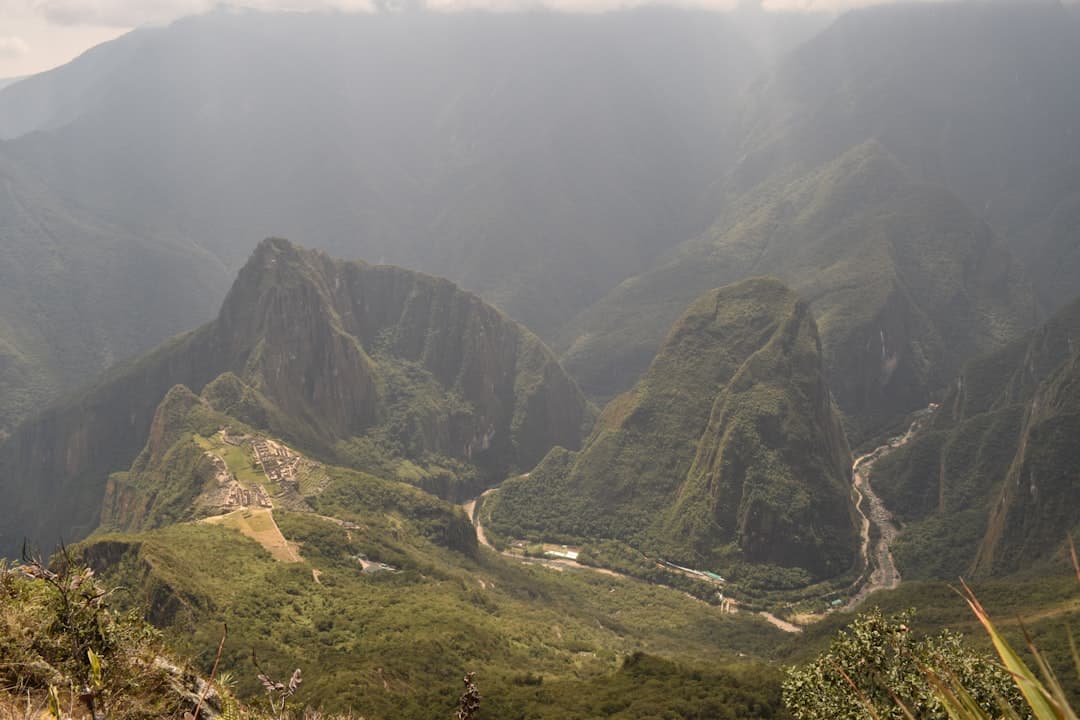
Kennedy Park — officially Parque Central de Miraflores — is the beating heart of Lima's most polished district. Sitting just off Avenida Larco and surrounded by cafés, galleries, and restaurants, it's the kind of place that functions simultaneously as a local gathering spot, a tourist orientation point, and a genuinely pleasant green space in a city that doesn't have enough of them. It's not a grand formal garden or a historic monument in the traditional sense — it's something more useful than that: a real, lived-in public square where Lima's urban energy is on full, unfiltered display. The park is famous among visitors and locals alike for its colony of cats — dozens of well-fed, semi-domesticated felines who wander the benches and flower beds with total ownership of the space. Beyond the cats, you'll find artisan craft markets spread across the central paths on weekends, street artists, portrait painters, and the constant hum of people moving between the surrounding restaurants and ice cream shops. The small amphitheater occasionally hosts live performances, and the park's benches fill up in the evenings with couples, families, and people watching the world go by over a cone from one of the nearby heladerías. Kennedy Park is best used as a base rather than a destination in isolation — it sits within easy walking distance of the Miraflores malecón clifftop walk, Larcomar shopping center, and some of Lima's best restaurants. Come in the late afternoon when the coastal fog softens the light and the park is at its most atmospheric. Weekends bring the craft market, which is worth a browse for alpaca goods and silver jewelry, though bargaining is expected and quality varies.

Kennedy Space Center
Kennedy Space Center is NASA's primary launch facility and one of the most significant sites in the history of human exploration. Spread across a vast complex on Merritt Island, about an hour east of Orlando, it's where Apollo 11 lifted off for the Moon in 1969, where Space Shuttles flew for 30 years, and where commercial rockets from SpaceX, ULA, and others still thunder off the pad regularly today. This isn't a theme park built around the idea of space — it's the actual place where it all happens. The Visitor Complex gives you access to a genuinely impressive collection of real artifacts and immersive experiences. The centerpiece is the Apollo/Saturn V Center, a cavernous building housing an actual Saturn V rocket — all 363 feet of it laid horizontally, and it still somehow doesn't feel like it fits indoors. The Space Shuttle Atlantis exhibit is equally breathtaking: the orbiter hangs at the angle it would have been at during reentry, heat shield tiles and all, and a wraparound screen drops you into the experience of launch. There are astronaut encounters, an IMAX theater, a simulated shuttle launch experience, and bus tours out to the actual launch pads and Vehicle Assembly Building. A few things worth knowing before you go: the listed 9–5 hours are standard, but check for launch days — watching a rocket launch from the viewing areas here is genuinely one of the most visceral experiences available to a civilian, and launch schedules (especially SpaceX Falcon 9 missions) are posted well in advance. The complex is larger than it looks on paper; give yourself a full day and prioritize the Saturn V Center and Atlantis exhibits if time is tight. Buy tickets online ahead of time — entry prices are substantial, queues can be long, and add-on experiences like astronaut training simulators sell out.
Kensington Market
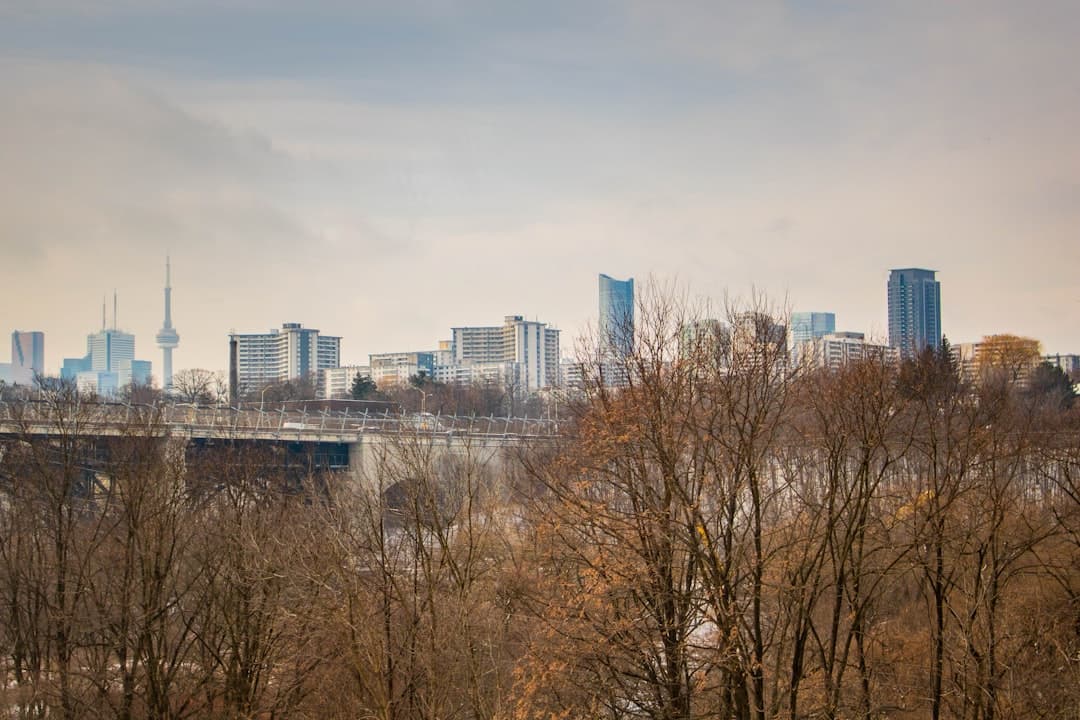
Kensington Market is a dense, walkable neighbourhood just west of downtown Toronto that has spent the better part of a century resisting gentrification through sheer force of personality. What started as a Jewish immigrant market in the early 20th century evolved through waves of Caribbean, Portuguese, and Latin American communities, and today exists as one of the most genuinely diverse and independently spirited urban pockets in North America. In 2006, the Canadian government designated it a National Historic Site — not for a single building or event, but for the neighbourhood's living culture itself, which is about as rare as it gets. In practice, Kensington Market means wandering narrow streets lined with vintage clothing stores, independent cheese shops, fishmongers, spice importers, tattoo parlours, roti spots, and cafés that look like someone's living room. Augusta Avenue and Kensington Avenue are the main arteries, but the magic is in the side streets. On the last Sunday of each month (May through October), the neighbourhood closes to cars entirely for Pedestrian Sundays — a street festival atmosphere with live music, food vendors, and the neighbourhood at its most alive. The food scene leans heavily on cheap and excellent: Rasta Pasta, Seven Lives for tacos, Jumbo Empanadas, and Global Cheese are all beloved fixtures. The market runs on its own clock — most shops open late morning and many are closed Monday or Tuesday. Arrive hungry and on foot, because this is a neighbourhood you absorb on a slow walk, not a checklist tour. It borders Chinatown to the east and Little Portugal to the west, so it naturally extends into a longer half-day wander if you let it. The vibe is deliberately unhurried and a little scruffy, and that's the entire point.
Kensington Palace
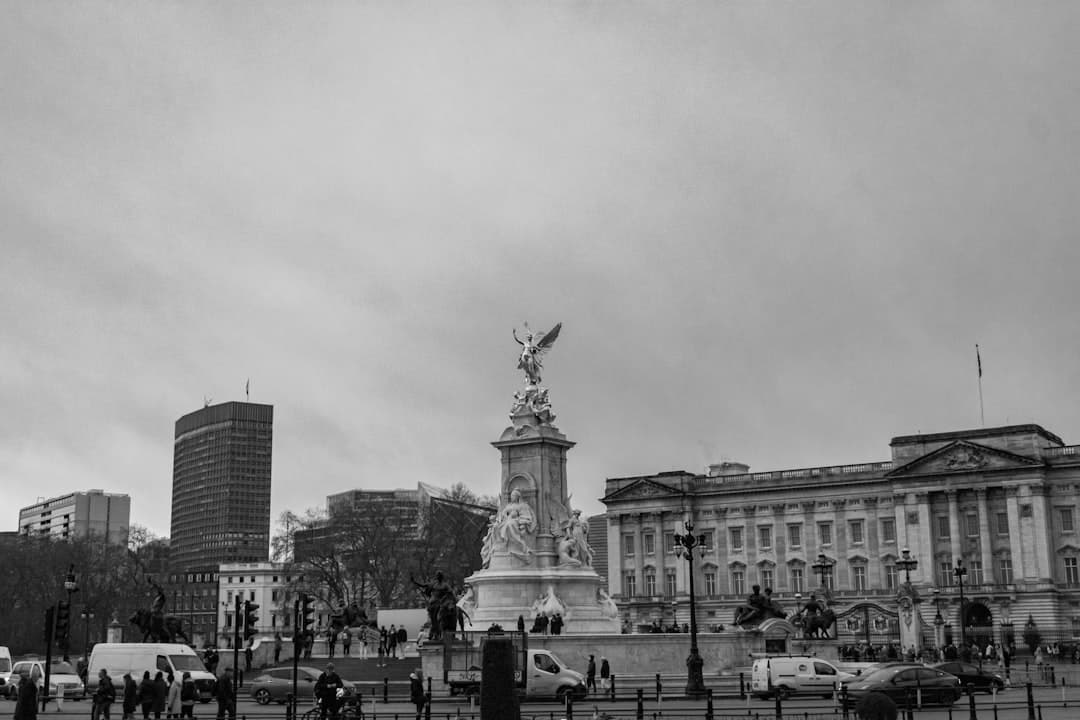
Kensington Palace is a royal residence on the western edge of Hyde Park that has been home to British monarchs and their families since William III moved in during the 1690s. It's where Queen Victoria was born and where she learned she would become queen, and it's where Princess Diana lived until her death in 1997. Today it's the official London residence of the Prince and Princess of Wales and several other working royals — and parts of it are open to the public as a Historic Royal Palaces attraction, giving you genuine access to rooms that have shaped British history. Inside, you move through a sequence of restored State Apartments — the King's State Apartments and the Queen's State Apartments — decorated with original furnishings, royal portraits, and painted ceilings by William Kent. There are usually one or two major temporary exhibitions running alongside the permanent displays, often focused on royal fashion or specific figures like Victoria or Diana. The Diana memorial exhibition has been a recurring draw, featuring personal photographs and items from her life at the palace. The sunken Sunken Garden just outside, always immaculately kept, is particularly associated with her. Outside, a gilded statue of Victoria watches over the formal gardens. Book tickets in advance online — the palace is popular enough that turning up without a reservation risks a wait or disappointment, especially in summer. The gardens themselves (Kensington Gardens, part of the Royal Parks) are free to enter at any time, so even if you're not going inside, the walk around the Orangery and formal grounds is worthwhile. The Orangery restaurant, just north of the palace, is a handsome early 18th-century building and a decent spot for lunch or afternoon tea without needing palace admission.
Kew Gardens
The Royal Botanic Gardens at Kew is one of the world's most important scientific institutions dressed up as a spectacular day out. Founded in 1759 and granted UNESCO World Heritage status in 2003, it holds the largest and most diverse collection of living plants on the planet — around 50,000 species across 300 acres in southwest London. It's simultaneously a working research centre studying plant conservation and biodiversity, and a public garden that draws over two million visitors a year. What you actually do here is wander — and that wandering rewards you constantly. The Palm House is the showpiece: a vast Victorian glasshouse from 1848 that envelops you in a wall of humid tropical heat, full of towering palms and exotic species you'd never see in a British garden. The Temperate House nearby is even larger, the biggest Victorian glasshouse in the world, and houses plants from across the southern hemisphere. Beyond the glasshouses, there's the Japanese Pagoda, the treetop walkway that puts you level with the tree canopy 18 metres up, the Water Lily House, and seemingly endless formal and informal gardens that change completely with the seasons. In spring it's all cherry blossom and bluebells; in summer the rose gardens are in full show; autumn sets the arboretum on fire. Kew is a solid 30-40 minute journey from central London on the District line (Kew Gardens station), which keeps it feeling like a genuine escape rather than a tourist trap. Opening hours shift seasonally — the gardens stay open later in summer and close earlier in winter, so always check ahead. The entry fee is meaningful (around £20-25 for adults), but the scale of what you get justifies it easily. Arrive early on weekends; by midday in good weather the main paths get busy.
Khan el-Khalili
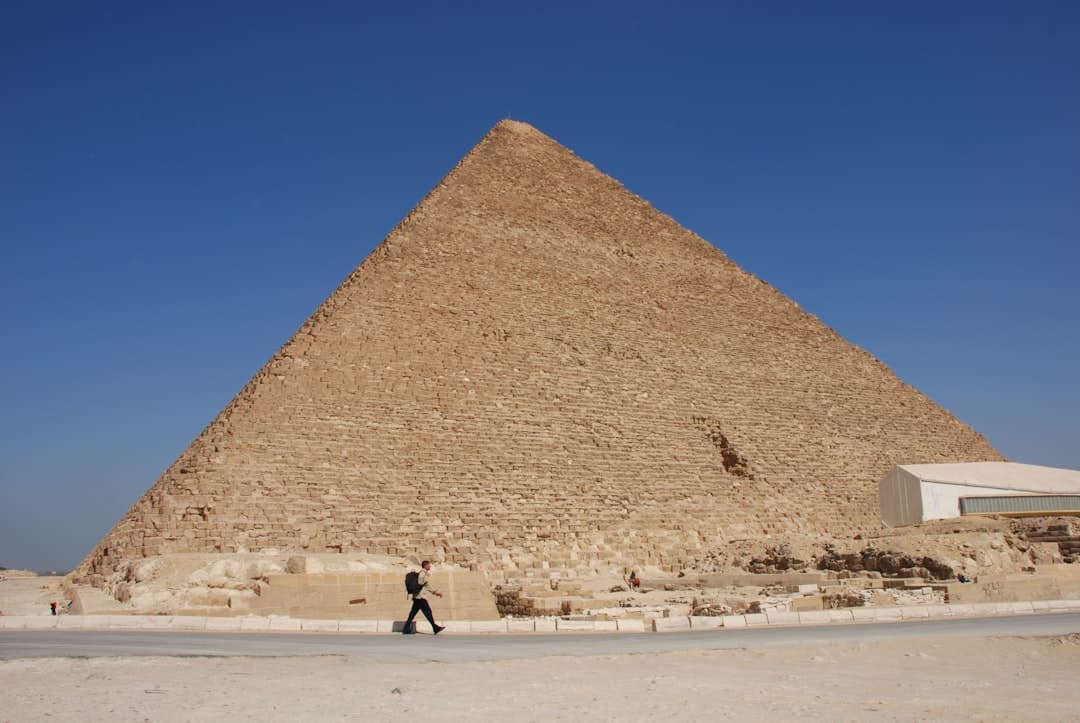
Khan el-Khalili is one of the oldest and most famous markets in the Arab world, built in the 14th century by the Mamluk emir Djaharks el-Khalili on the site of a Fatimid royal cemetery. It sits in the heart of Islamic Cairo, surrounded by mosques, minarets, and medieval architecture, and has been a commercial and social hub for the city ever since. This isn't a recreated heritage attraction — it's a living, working bazaar that Cairo residents still use, even if tourists now flood its most famous lanes. The experience is total sensory overload in the best possible way. The market sprawls across a dense network of covered alleys and open squares, organized loosely by trade: goldsmiths cluster in one area, spice sellers in another, perfume shops, papyrus dealers, brass and copper craftsmen, and stalls selling everything from handmade lanterns to tourist-grade trinkets. The centerpiece is the al-Hussein Square area, overlooked by the Hussein Mosque, one of the most sacred sites in Egypt. The famous Fishawi's Café — allegedly open continuously for over 200 years — is tucked inside the market and is the place to sit with a mint tea, a shisha, and watch Cairo's social theater play out. Bartering is expected and part of the fun, but the first price quoted is rarely close to reasonable — budget a lot of patience alongside your cash. Go deeper into the side streets away from the main tourist drag on al-Muizz li-Din Allah Street to find the workshops and vendors who serve locals rather than visitors. Friday afternoons see the market at its most festive and crowded; if you prefer space to browse, a weekday morning is far more manageable.
Khao San Road
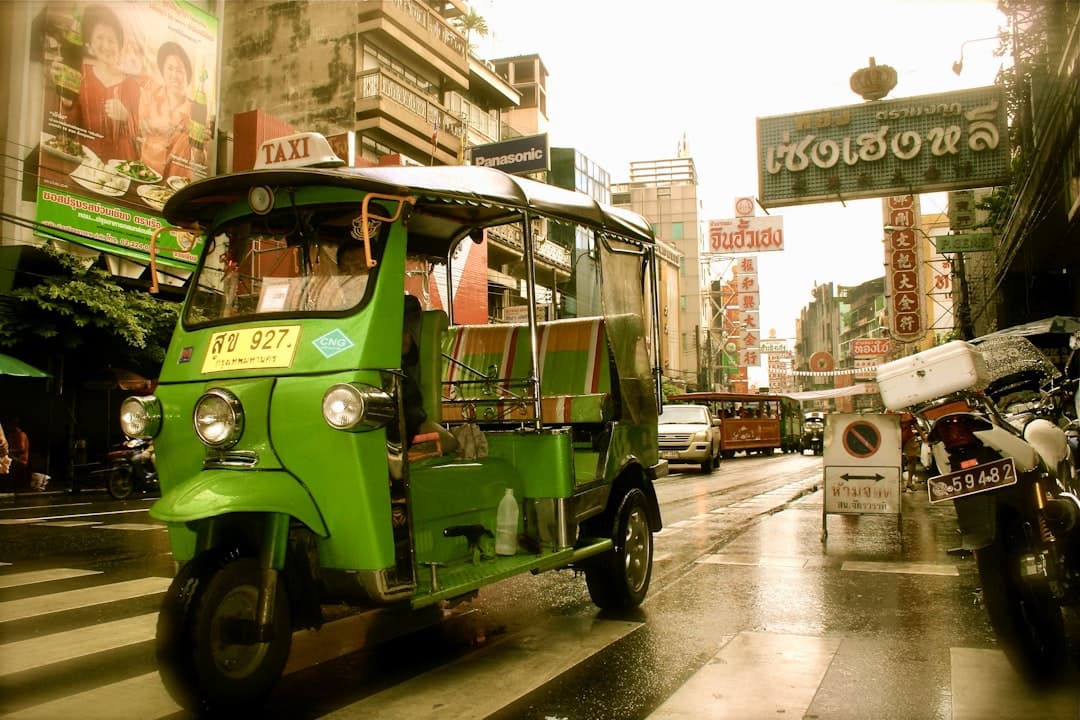
Khao San Road is a short but famously intense street in Bangkok's old city district, Banglamphu, that has been the nerve centre of backpacker travel in Southeast Asia since the 1980s. It became globally recognisable after appearing in the novel and film 'The Beach,' and today it functions as a kind of arrival lounge for the region — a place where budget travellers, gap-year students, and curious tourists converge before fanning out across Thailand and beyond. It's loud, chaotic, and unapologetically commercial, but it has a genuine energy that's hard to find elsewhere, and it sits just a short walk from some of Bangkok's most important temples. The experience of Khao San Road is sensory overload in the best possible way. During the day, the street is lined with budget guesthouses, travel agencies selling bus and boat tickets to every corner of Thailand, cheap tailors, fried insect carts, mango sticky rice vendors, and shops selling the same fisherman pants and Chang beer singlets you'll see on half the travellers in the region. By night, the street transforms into an open-air party — bars spill onto the pavement, DJs compete for volume, and the footpath becomes a slow shuffle of people clutching giant buckets of rum and Coke. The surrounding sois (side streets), especially Rambuttri Alley just one block over, offer a slightly more relaxed version of the same scene. Khao San has long been a target of eye-rolling from 'serious' travellers who consider it inauthentic, but that critique misses the point. The street has its own genuine culture — it's where travellers swap route tips, where locals come to watch the spectacle, and where you can eat a full meal for under 100 baht at 2am. Come with the right expectations: it's not a window into traditional Thai life, but it is one of Bangkok's most singular experiences. Arrive in the late afternoon to explore the street and grab street food before the evening crowd hits.
Kilmainham Gaol
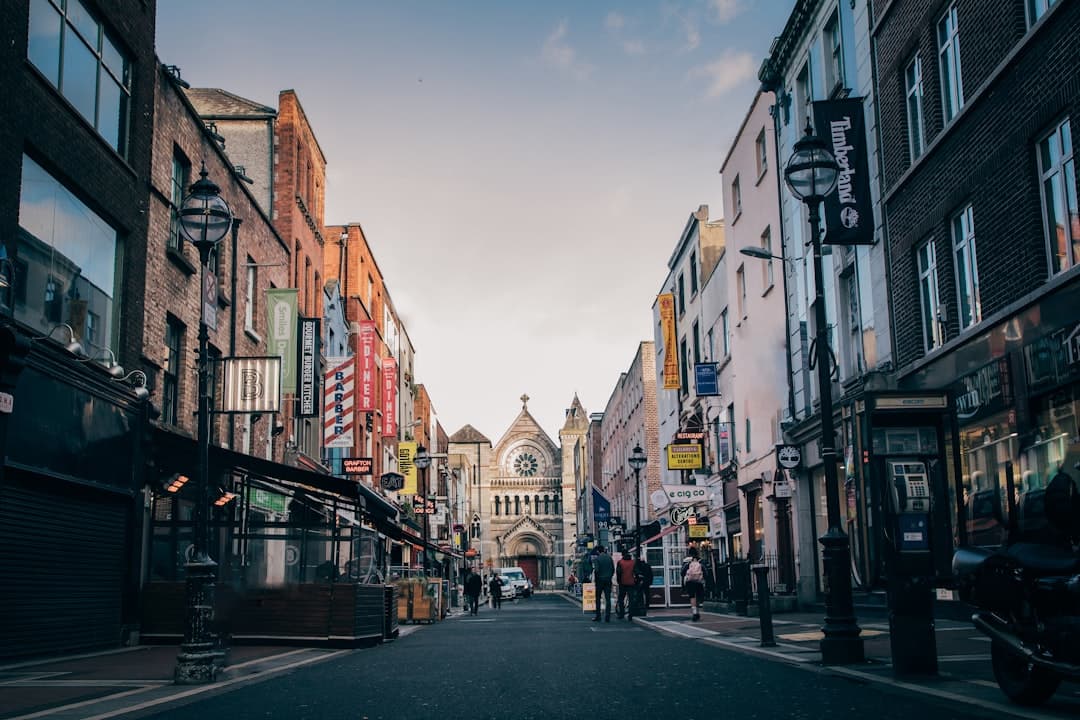
Kilmainham Gaol is a decommissioned Victorian prison that served as one of the most significant sites of Irish political history from its opening in 1796 until it closed in 1924. This is where the leaders of the 1916 Easter Rising — the rebellion that set Ireland on the path to independence — were executed by British forces in the prison's stone-breaker's yard. Among those shot here were Patrick Pearse, James Connolly, and thirteen other leaders. The gaol also held figures from earlier rebellions, including Robert Emmet and the Young Irelanders of 1848, making it a layered archive of Irish resistance spanning more than a century. It's not an easy place, emotionally speaking, but it's an essential one. Visits are guided tours only, which is absolutely the right call — you'd miss half the meaning wandering alone. The tours move through the Victorian east wing, with its extraordinary vaulted glass ceiling and tiered cell galleries, then into the older, grimmer west wing where conditions were far harsher. Guides are typically excellent, delivering the history with real conviction. You'll see the chapel where Joseph Plunkett married Grace Gifford in the hours before his execution, the dimly lit cells where prisoners scratched messages into walls, and finally the yard where the executions took place. It's quiet out there in a way that stays with you. The gaol fell into ruin after closing and was restored by volunteers in the 1960s — an act of cultural reclamation that says something in itself about how Ireland relates to this history. Tours run throughout the day but slots fill up fast, especially in summer and at weekends. Book ahead through the official website — walk-ins are rarely possible. The gaol is a short taxi or bus ride from the city centre, sitting just west of the Liberties neighbourhood in Kilmainham.
King Abdullah I Mosque
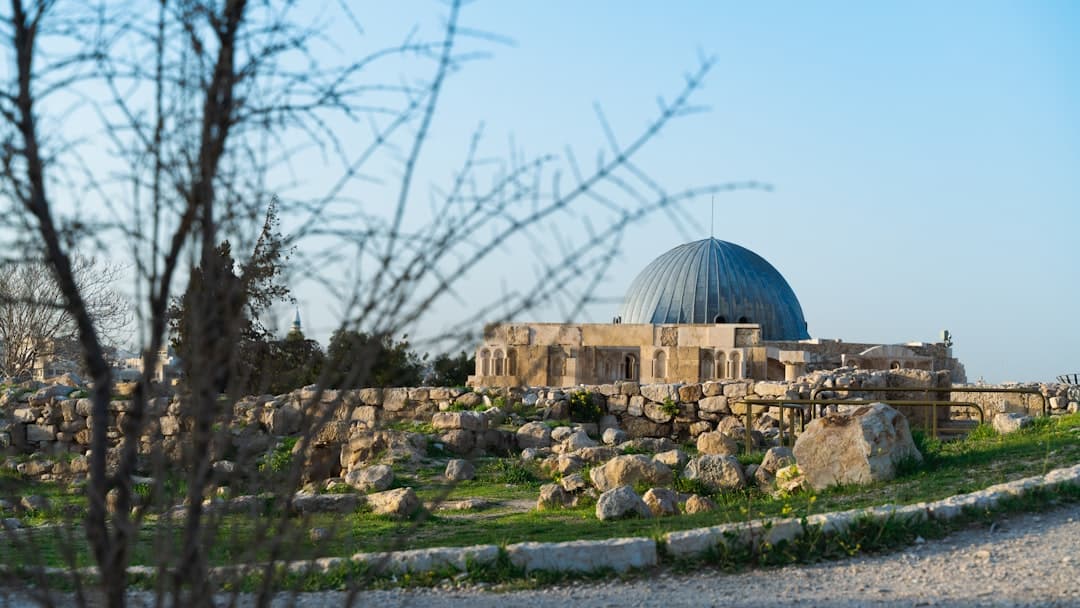
The King Abdullah I Mosque is one of Amman's most recognizable landmarks — a grand blue-domed structure built between 1982 and 1989 as a memorial to Jordan's first king, Abdullah I ibn Hussein. Unlike many mosques in the region that are either closed to non-Muslims or technically open but unwelcoming in practice, this one actively encourages visitors of all faiths and has a dedicated entrance and education program for tourists. It can hold up to 3,000 worshippers inside, with the surrounding courtyard accommodating several thousand more on major occasions. Stepping inside, the first thing that strikes you is the dome itself — 35 meters in diameter, decorated in geometric Islamic tile work and flooded with natural light from the ring of windows at its base. The interior is calm, beautifully proportioned, and richly detailed without being overwhelming. Women visitors are provided with abayas at the entrance, so no one is turned away for what they're wearing. There's a small mezzanine gallery specifically for non-Muslim visitors that gives you an elevated view of the prayer hall and a sense of the space without intruding on worshippers below. The mosque sits in the Abdali district, within easy walking distance of the Jordan Museum and a short taxi ride from downtown. Friday midday prayers draw large crowds and the mosque is effectively closed to tourists at that time, so plan accordingly. The staff here are generally patient and accustomed to explaining Islamic practice to curious visitors — don't be shy about asking questions. Entrance for non-Muslims is around 2 JD, a token amount that helps maintain the facility.
Kinkaku-ji
Kinkaku-ji, the Temple of the Golden Pavilion, is one of the most recognizable buildings in Japan — a three-storey Zen Buddhist structure covered almost entirely in gold leaf, standing at the edge of a reflective pond in northwest Kyoto. Built in the late 14th century as a retirement villa for shogun Ashikaga Yoshimitsu, it was converted into a temple after his death. The building you see today is actually a 1955 reconstruction: a monk burned the original to the ground in 1950, an act of obsessive destruction later immortalized in Yukio Mishima's novel of the same name. That history adds a strange, haunting layer to something that looks, on the surface, almost impossibly beautiful. The visit follows a one-way path through a carefully composed garden designed around Kyōkochi, the Mirror Pond. You approach the pavilion gradually, then arrive at the classic viewpoint where the golden structure — its upper two floors sheathed in gold leaf, topped with a bronze phoenix — reflects across the water. Each floor is built in a different architectural style: Heian aristocratic on the bottom, samurai warrior on the second, Zen Buddhist on the third. The garden itself is a formal stroll garden in the karesansui tradition, with stone islands, manicured pines, and smaller sub-shrines and teahouses tucked along the circuit path. This is Kyoto's single most visited attraction, which means the main viewing platform gets genuinely packed — especially on weekends and during cherry blossom and autumn foliage seasons. Arrive right at opening (9am) to experience something close to calm. The exit path leads past a small tea pavilion, Sekkatei, where you can sit with a bowl of matcha and a sweet and let the visit settle. Don't rush out — the rear sections of the garden, away from the main pavilion view, thin out considerably and reward a slower pace.
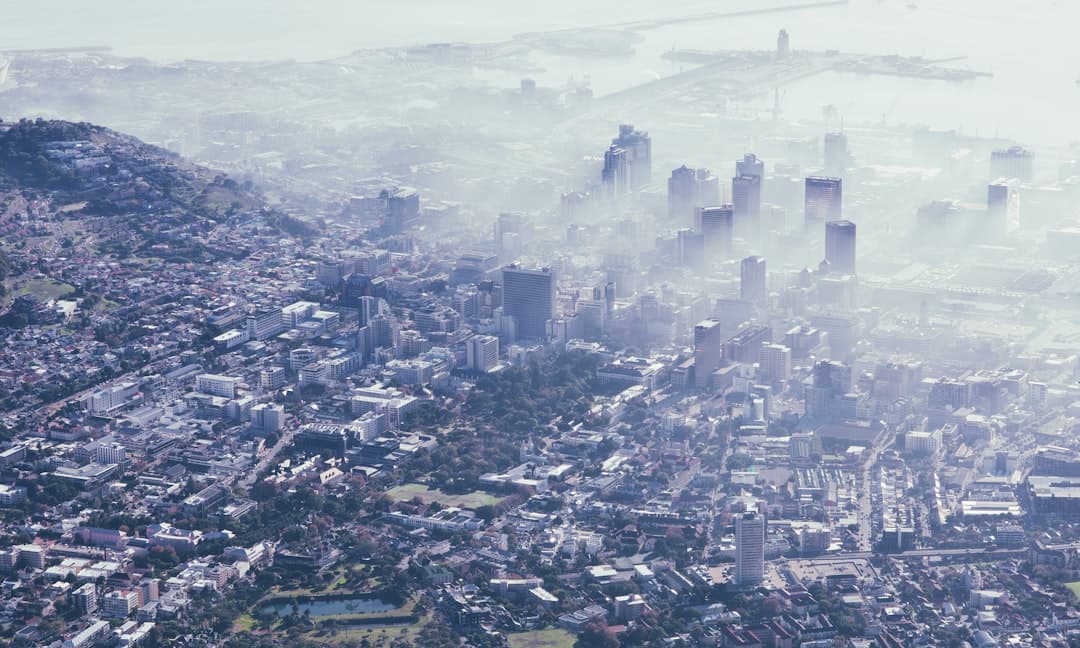
Kirstenbosch National Botanical Garden
Kirstenbosch is one of the great botanical gardens of the world, established in 1913 and sprawling across 528 hectares on the eastern slopes of Table Mountain. It was the first botanical garden in the world to be dedicated entirely to a country's indigenous flora, and today it protects and displays thousands of species of South African plants — from the extraordinary proteas and ericas of the Cape Floral Kingdom to ancient cycads, medicinal herb gardens, and dense forests of yellowwood trees. In 2004, Kirstenbosch became part of the Cape Floristic Region Protected Areas, a UNESCO World Heritage Site, recognising the extraordinary biodiversity found here. For anyone visiting Cape Town, it sits in the same essential category as the cable car up Table Mountain. A visit here isn't passive. You walk winding paths through themed sections — the Braille Trail, the Fragrance Garden, the Cycad Amphitheatre — and eventually you can climb to the Boomslang, a sinuous aerial walkway that curls through the forest canopy and delivers one of the finest views of the mountain from above the treeline. The backdrop is constant and stunning: Table Mountain rising behind you, the Cape Peninsula stretching ahead. In summer, the famous Sunday afternoon Sunset Concerts draw locals with picnic blankets, bottles of Cape wine, and kids running across the lawns while musicians play on the open-air stage — it's one of those experiences that feels like the real Cape Town rather than the tourist version. The garden sits in Newlands, about 13 kilometres from the city centre, and is most easily reached by car or Uber — public transport connections are limited. Arrive early on weekends to claim a good spot on the lawns. The entry fee is well worth it, and a year pass pays for itself quickly if you're staying a while. The restaurant and café inside the grounds are decent enough for lunch, but the garden is really about the walking and the landscape, so pack provisions if you're planning a long morning.
Kiyomizu-dera Temple
Kiyomizu-dera is an 8th-century Buddhist temple perched dramatically on the wooded slopes of Mount Otowa in eastern Kyoto. Founded in 778 and rebuilt in its current form in 1633 under shogun Tokugawa Iemitsu, it's one of Japan's most celebrated historic monuments and a UNESCO World Heritage Site. Its name means 'pure water temple,' a reference to the Otowa waterfall that has drawn pilgrims here for over a thousand years. This is not a quiet corner of Kyoto — it is one of the city's defining icons — but its scale and setting justify every visitor it attracts. The centerpiece is the famous wooden veranda — the hon-do's main stage — cantilevered 13 meters above the hillside on a forest of 139 interlocking wooden pillars, constructed entirely without nails using a traditional technique called kakezukuri. The views across Kyoto from this platform are genuinely breathtaking, especially in cherry blossom season and autumn. Below the main hall, visitors queue at the Otowa waterfall to drink from three streams said to grant longevity, love, and academic success — though local tradition holds you should only choose one. The approach through Sannen-zaka and Ninen-zaka, two beautifully preserved stone-paved lanes lined with tea houses and craft shops, is itself half the experience. The temple opens at 6am, which is the single most important thing to know. Arrive in that first hour and you may find yourself virtually alone on the veranda as mist rolls through the cedar forest below — a profoundly different experience from the midday crush. The temple holds special evening illumination events during cherry blossom and autumn foliage seasons when it stays open until 9pm, and these are among Kyoto's most atmospheric nights out. Admission is 500 yen for adults. Wear shoes you can walk in — the cobblestone approach is steep and often slick.
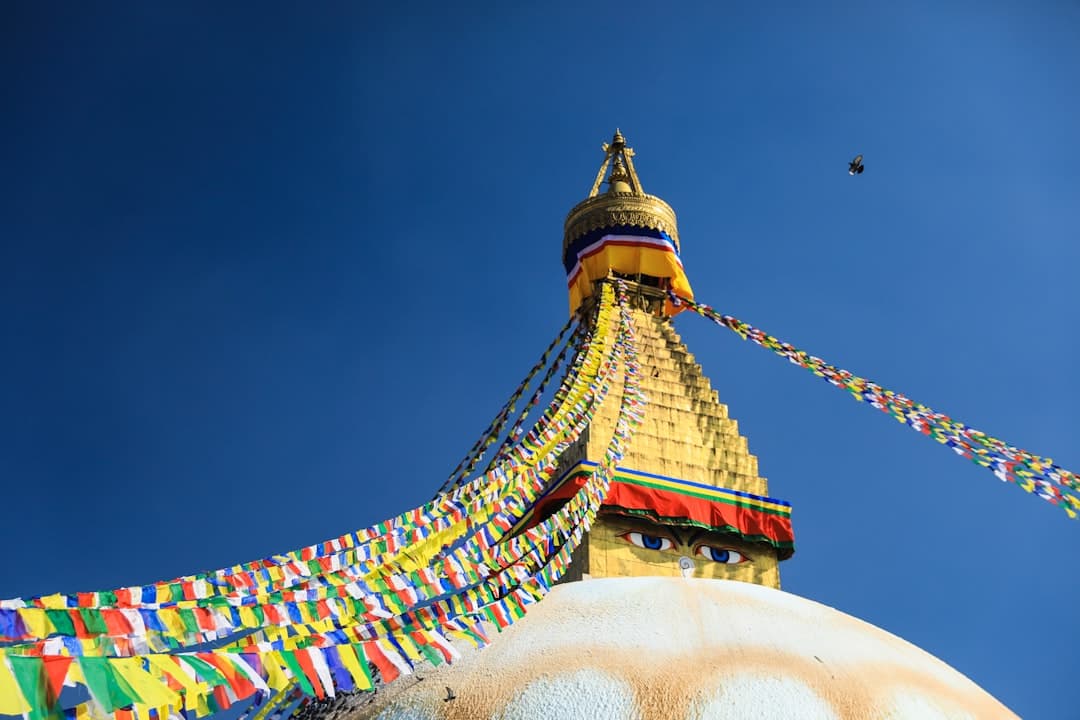
Kopan Monastery
Perched on a forested hilltop north of Kathmandu, Kopan Monastery is a working Tibetan Buddhist community founded in the early 1970s by Lamas Thubten Yeshe and Thubten Zopa Rinpoche. It belongs to the Gelug school of Tibetan Buddhism — the same tradition as the Dalai Lama — and has grown from a small teaching centre into a thriving monastic community of several hundred monks and nuns. It's one of the most significant places in the world where Westerners first seriously engaged with Tibetan Buddhism, and that openness to outside visitors remains central to its identity today. Day visitors are welcome to walk the grounds, visit the main gompa (prayer hall), and soak in the atmosphere of a genuinely functioning monastery — monks in maroon robes going about their day, prayer flags snapping in the wind, and the valley of Kathmandu spread out below you. The views alone justify the climb. But Kopan's real draw is its meditation and dharma courses, which range from weekend introductions to month-long residential retreats. The November one-month course is legendary among long-term practitioners and has been running for decades. The library and bookshop are well-stocked with Buddhist texts, and the vegetarian café on-site is a welcome stop. Getting here requires either a taxi ride to the base of the hill followed by a walk up, or a longer walk through Boudhanath and the surrounding villages — the latter is far more rewarding if you have the legs for it. Come on an ordinary weekday morning and you'll have the place largely to yourself; weekends attract more local pilgrims and tourists. If you're planning to join a course, book well in advance — the month-long retreats fill up months ahead. Dress respectfully, remove shoes before entering prayer halls, and ask before photographing monks or ceremonies.
Koutoubia Mosque
The Koutoubia Mosque is the largest mosque in Marrakech and one of the most important examples of Moroccan-Andalusian architecture in the world. Built in the 12th century under the Almohad dynasty, its 70-metre minaret served as the architectural template for both the Giralda in Seville and the Hassan Tower in Rabat — a remarkable legacy that spread across continents. The name comes from the Arabic word for booksellers, a reference to the manuscript market that once surrounded it. For non-Muslims, the interior is off-limits, but the mosque's exterior and surrounding gardens are very much part of the Marrakech experience. What you actually come here to do is absorb the scale and beauty of the minaret up close, and to sit in the rose-planted gardens that wrap around the mosque's base. The tower is a masterpiece of decorative stonework — each of its four faces is slightly different, featuring interlocking geometric patterns, a band of faience tilework, and ornate windows that change character as the light shifts throughout the day. At sunset, the warm stone turns golden and the call to prayer rings out, and it's one of those genuinely spine-tingling travel moments. The gardens themselves are a peaceful counterpoint to the chaos of the nearby Djemaa el-Fna square. The Koutoubia sits right at the western edge of the medina, just a few minutes' walk from Djemaa el-Fna, making it an easy first stop or a natural anchor point for your explorations. Come in the late afternoon to catch the best light on the minaret and stay through the Maghrib call to prayer at dusk — the acoustics and atmosphere at that moment are extraordinary. The gardens are free to enter and open to all.
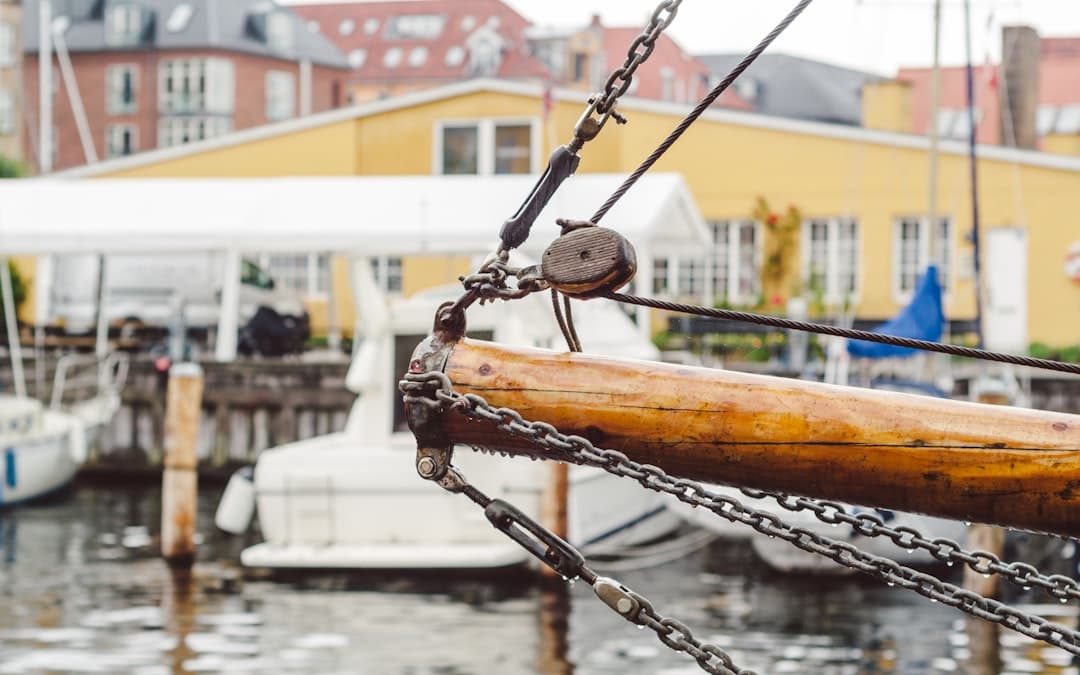
Kronborg Castle
Kronborg Castle sits at the narrowest point of the Øresund strait, where Denmark and Sweden are barely four kilometres apart, and it has guarded this critical waterway since the 1420s. It's the castle Shakespeare immortalised as Elsinore in Hamlet — though he almost certainly never visited — which gives it a peculiar double life as both a genuine piece of Scandinavian military history and a pilgrimage site for literature lovers. UNESCO designated it a World Heritage Site in 2000, recognising its exceptional preservation and its status as one of the most important Renaissance castles in northern Europe. Inside, you move through a sequence of grand halls, royal apartments, and chapels that have been carefully restored after a catastrophic fire in 1629 gutted much of the original structure. The Great Hall is one of the longest banqueting halls of its era in northern Europe — all bare floorboards, painted ceilings, and an almost austere grandeur that feels more real than most heritage sites. Below the castle, the casemates are something else entirely: a labyrinth of dark, vaulted stone passages where the legendary warrior Holger Danske is said to sleep, waiting to wake and defend Denmark in its hour of need. His statue sits in the gloom and it's genuinely atmospheric. The ramparts offer sweeping views across to Sweden on clear days. Kronborg is in Helsingør, about 45 minutes north of Copenhagen by train from København H — a scenic ride up the coast. The town itself is worth an hour of wandering. Aim to arrive when the castle opens at 10am to beat the tour groups that arrive mid-morning, and budget extra time for the casemates, which most visitors rush through. The summer Shakespeare festival occasionally stages performances on the castle grounds, which is worth planning around if you're visiting in July or August.
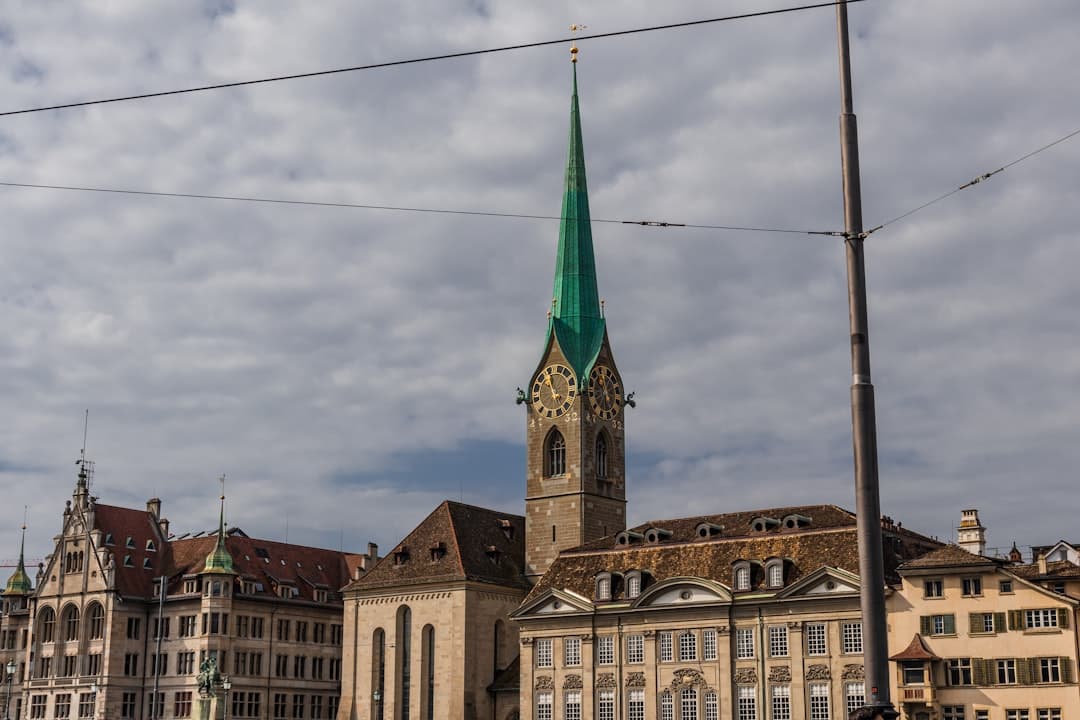
Kunsthaus Zürich
The Kunsthaus Zürich is Switzerland's largest and most important art museum, holding one of the most significant art collections in continental Europe. Founded in the late 19th century, it grew steadily over generations and in 2021 completed a major expansion — a new wing designed by David Chipperfield Architects that nearly doubled its exhibition space. The result is a museum that can finally show its full hand: an extraordinary permanent collection spanning medieval devotional works through to contemporary art, with particular depth in German Expressionism, Monet's late water lily paintings, and a staggering holding of works by Alberto Giacometti, the largest collection of his sculpture and painting anywhere in the world. Visiting feels genuinely rewarding rather than overwhelming. The Chipperfield wing is architecturally striking — austere, luminous, precisely Swiss — and connected to the older neoclassical building by an underground passage beneath Heimplatz. You move between eras of building and eras of art fluidly. The Giacometti rooms alone justify the trip: those elongated bronze figures lined up in gallery light are haunting in a way that reproductions never quite capture. Beyond Giacometti, you'll encounter Monet, Munch, Chagall, Kokoschka, and a serious contemporary collection. Temporary exhibitions rotate through and are consistently strong. The museum sits on Heimplatz in the Hochschulen district, right beside the Schauspielhaus theatre, a short walk from the Old Town and the lake. Thursday is the one late evening (open until 8pm), which is worth knowing if you want a quieter visit — daytimes on weekends can fill up with tour groups. The combined ticket covering both buildings is the only sensible option. The café in the new wing is decent; the museum shop is excellent for design-minded souvenirs.
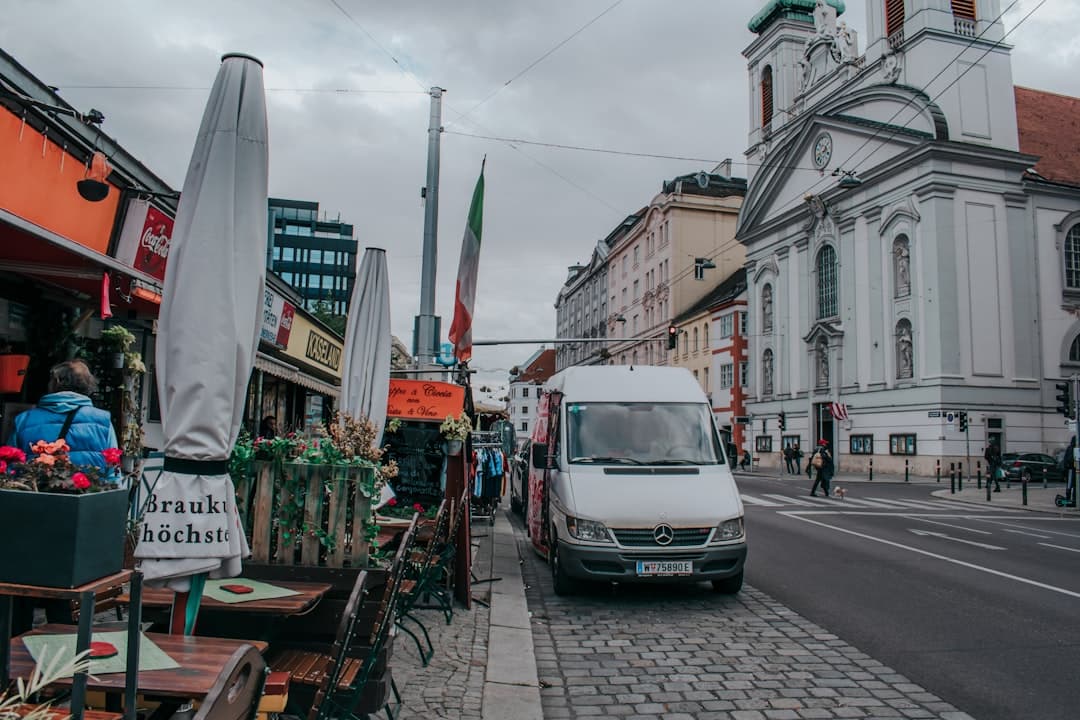
Kunsthistorisches Museum
The Kunsthistorisches Museum — Art History Museum in English — is Vienna's flagship fine arts institution, built in the 1890s specifically to house the imperial collections of the Habsburg dynasty. The Habsburgs were among history's most voracious art collectors, and what they amassed over four centuries is staggering: paintings, sculptures, decorative arts, ancient Egyptian artifacts, Greek and Roman antiquities, and one of the world's finest coin and medal collections. The building itself, facing its twin the Natural History Museum across the formal Maria-Theresien-Platz, was designed by Gottfried Semper and Karl von Hasenauer as an act of cultural ambition — a palace not for royalty to live in, but for art to reign over. The Picture Gallery on the first floor is the heart of the visit. It holds one of the deepest concentrations of Old Master paintings anywhere — Vermeer, Raphael, Titian, Caravaggio, and an extraordinary room of Velázquez portraits of the Spanish royal family. But the undisputed star is Bruegel the Elder: the KHM holds the world's largest collection of his work, including The Tower of Babel, The Hunters in the Snow, and The Peasant Wedding. Beyond the paintings, the Egyptian and Near Eastern Collection is genuinely world-class, and the Kunstkammer — the Cabinet of Curiosities — displays the Renaissance objects the Habsburgs collected as demonstrations of wonder and power, including Benvenuto Cellini's famous salt cellar. Thursday is the one evening the museum stays open until 9pm, making it the best day if you want fewer crowds and more breathing room in the galleries. The café in the cupola hall — the grand central atrium — is worth a stop even if art fatigue sets in; it's one of Vienna's more theatrical spots for a coffee. Skip the audio guide if you're only doing the Picture Gallery — the room-by-room layout and wall labels are clear enough, and the Bruegel room rewards slow, unmediated looking.
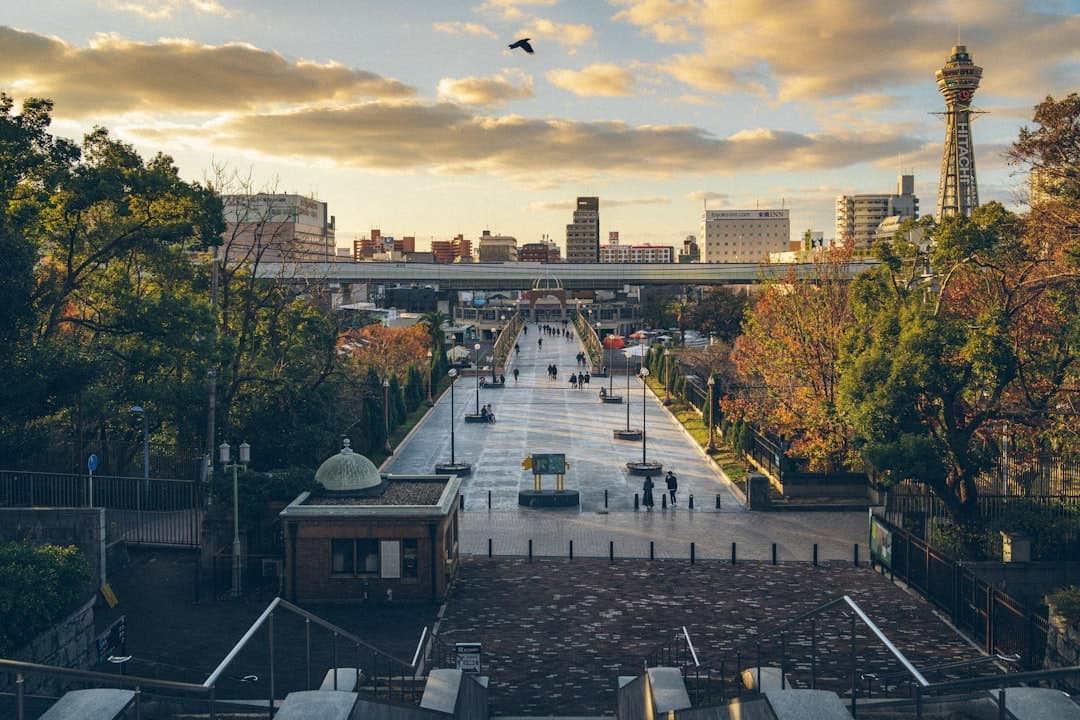
Kuromon Ichiba Market
Kuromon Ichiba is a covered market in central Osaka that has been feeding the city for roughly 190 years. Known locally as "Osaka's Kitchen," it's a 580-meter-long arcade packed with around 170 stalls and shops selling fresh seafood, meat, produce, pickles, spices, and prepared street food. It started as a black market near a temple — the name kuromon means "black gate," a reference to the gate of the nearby Emmyoji Temple — and evolved into the wholesale and retail hub that professional chefs and home cooks have relied on for generations. Walking the market is a full sensory experience. You'll pass tanks of live fish, towers of glossy vegetables, and vendors grilling scallops and skewering wagyu beef on the spot. The seafood is a particular highlight — look for enormous whole tuna, sea urchin served straight from the shell, and Matsuzaka or Kobe beef cuts at prices that feel steep for a market stall but reasonable compared to a restaurant. Many vendors hand you samples without any pressure to buy, and eating as you walk is not only acceptable but basically the whole point. Grilled king crab legs, fresh oysters, and tamagoyaki (rolled egg) are some of the most popular grab-and-go items. The market has become noticeably more tourist-oriented over the past decade, and some stalls now post prices in English, Chinese, and Korean. This means it's more accessible than ever, but it also means weekend mornings can feel overwhelmingly crowded. Weekday mornings — particularly between 9am and 11am — are the sweet spot, when you'll find professionals doing their actual shopping and the atmosphere feels more authentic. The market is a short walk from Nippombashi Station on the Sennichimae and Sakaisuji subway lines.
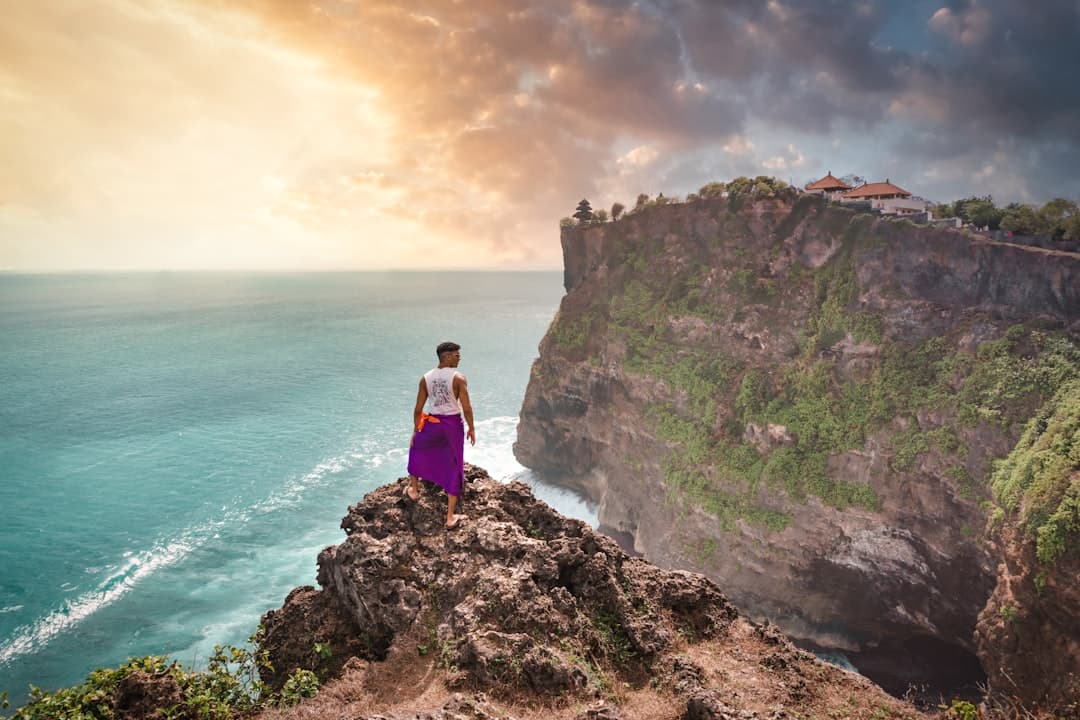
Kuta Beach
Kuta Beach is a long, south-facing stretch of golden sand on Bali's southwestern coast that put the island on the global tourism map in the 1970s. It was where Australian surfers first discovered Bali, where cheap losmen guesthouses lined the beach road, and where the island's reputation as a paradise for sun-seekers was born. Today it's one of the most visited beaches in Southeast Asia — crowded, commercial, and buzzing with energy from dawn to well past midnight. The beach itself runs for roughly three kilometers and faces west, which means the sunsets here are genuinely spectacular — the kind that stop you mid-sentence. The surf is consistent and powerful, shaped by the Indian Ocean swell, and Kuta has long been the place where beginners learn to ride waves. Surf schools line the sand offering two-hour lessons, and the instructors are experienced and persistent. Beyond surfing, the scene is classic beach holiday: vendors selling cold drinks and sarongs, massages under beach umbrellas, bodyboarders in the shallows, and backpackers stretched out in every direction. The parallel road, Jalan Pantai Kuta, feeds into a tangle of surf shops, warungs, tattoo parlors, and bars. Kuta is not the place to come looking for the quiet, spiritual Bali of rice terraces and temple ceremonies — that's a different trip. But if you want reliable surf, a full-service beach scene with every comfort accounted for, and the kind of sunset that makes everyone briefly forget their problems, Kuta delivers. Come early morning to beat the crowds, surf at mid-morning when conditions are best for beginners, and stay for the sunset with a Bintang in hand. The rip currents can be serious — always swim between the red-and-yellow flags where lifeguards are on duty.
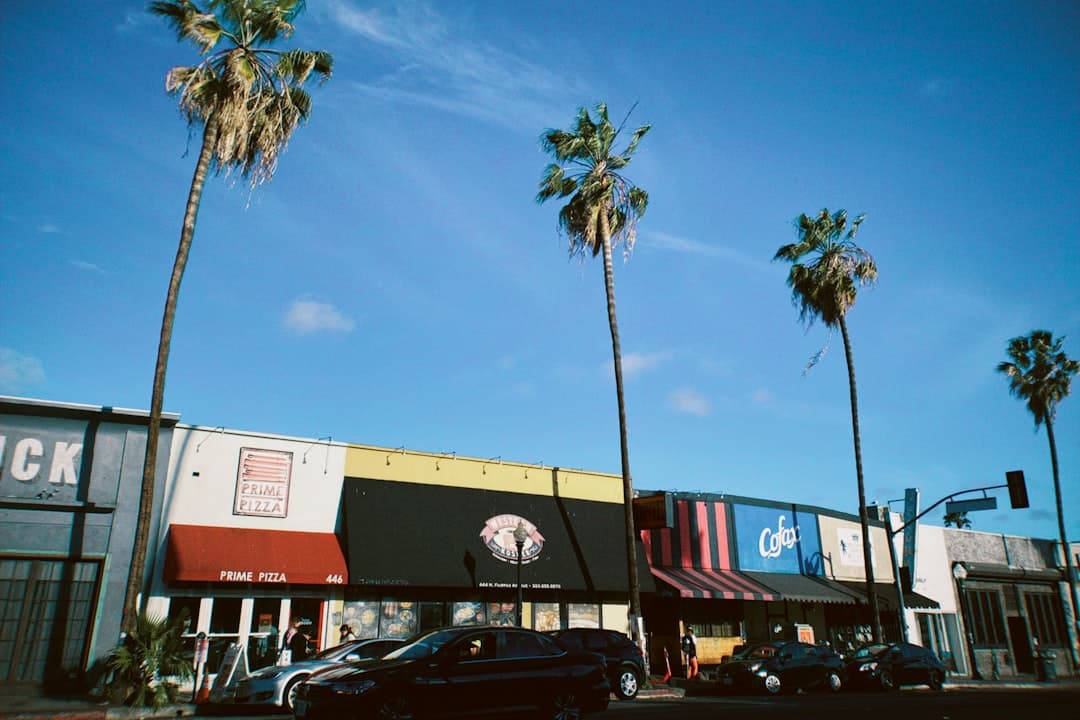
LACMA
The Los Angeles County Museum of Art — LACMA to everyone who lives here — is the largest art museum in the western United States, and one of the most encyclopedic anywhere. It sits on Wilshire Boulevard in the Miracle Mile district, surrounded by the tar pits that once swallowed mammoths, and it holds a permanent collection of over 142,000 works spanning ancient Mesopotamia to contemporary California. This is not a niche institution. It covers everything from Japanese woodblock prints and pre-Columbian gold to Magritte, Basquiat, and a serious collection of Islamic art that rivals dedicated museums in Europe. In practice, a visit to LACMA means wandering between several distinct buildings on a campus-like campus — the Broad Contemporary Art Museum, the Resnick Pavilion, the Art of the Americas Building, and others — and making choices about what to prioritize, because you cannot see everything in a day. The permanent collection is the backbone: look for the South and Southeast Asian galleries, the outstanding collection of works by California artists, and the Costume and Textiles collection. Special exhibitions rotate through regularly and often draw serious international loans. Outside, Chris Burden's "Urban Light" — 202 restored cast-iron streetlamps arranged in a grid — has become one of LA's most photographed landmarks and is free to visit even when the museum is closed. Friday evenings are extended to 8pm and tend to draw a younger, more social crowd — the outdoor areas feel almost festive. Parking is available in the museum's own structure off Ogden Drive but fills up; arriving by Metro (the D Line stops at Wilshire/La Brea, a short walk away) is genuinely easier. Members get free unlimited entry, and LA County residents get discounted admission — worth knowing if you plan to come back, which most people do.