
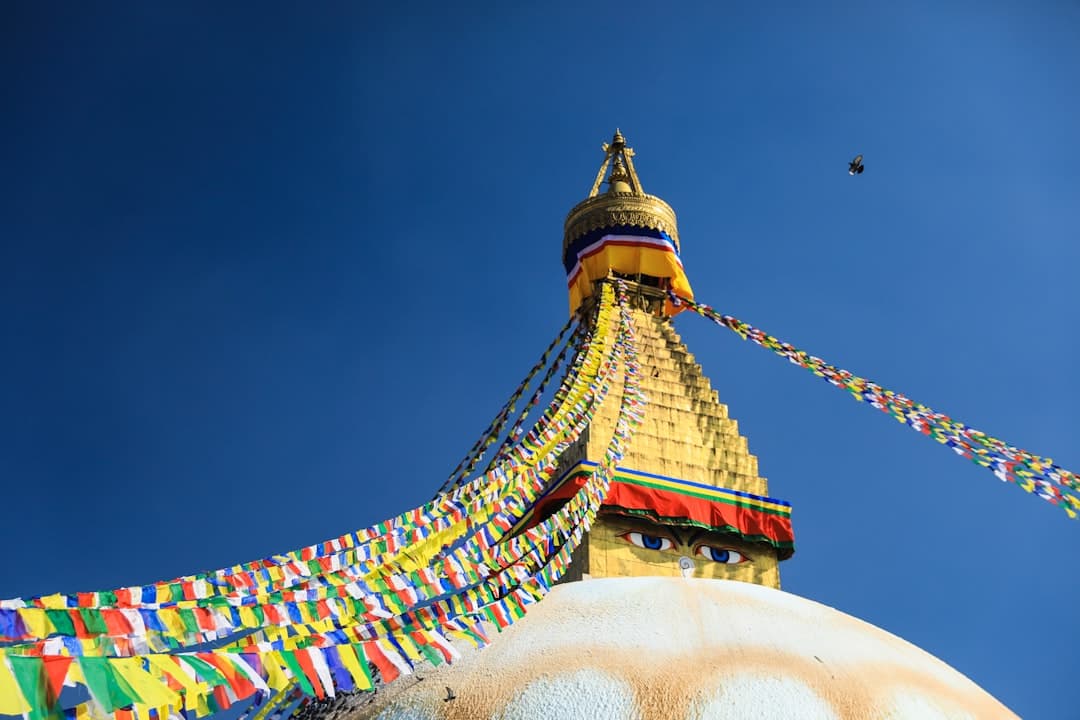
Kopan Monastery
Kathmandu / Kopan Monastery

Kopan Monastery

A hilltop Tibetan Buddhist monastery offering meditation courses and panoramic Kathmandu views.

🏛️ Sights & Landmarks🎯 Activities & Experiences
🌿 Relaxing🎭 Cultural🗺 Off the beaten path

Perched on a forested hilltop north of Kathmandu, Kopan Monastery is a working Tibetan Buddhist community founded in the early 1970s by Lamas Thubten Yeshe and Thubten Zopa Rinpoche. It belongs to the Gelug school of Tibetan Buddhism — the same tradition as the Dalai Lama — and has grown from a small teaching centre into a thriving monastic community of several hundred monks and nuns. It's one of the most significant places in the world where Westerners first seriously engaged with Tibetan Buddhism, and that openness to outside visitors remains central to its identity today.

Day visitors are welcome to walk the grounds, visit the main gompa (prayer hall), and soak in the atmosphere of a genuinely functioning monastery — monks in maroon robes going about their day, prayer flags snapping in the wind, and the valley of Kathmandu spread out below you. The views alone justify the climb. But Kopan's real draw is its meditation and dharma courses, which range from weekend introductions to month-long residential retreats. The November one-month course is legendary among long-term practitioners and has been running for decades. The library and bookshop are well-stocked with Buddhist texts, and the vegetarian café on-site is a welcome stop.

Getting here requires either a taxi ride to the base of the hill followed by a walk up, or a longer walk through Boudhanath and the surrounding villages — the latter is far more rewarding if you have the legs for it. Come on an ordinary weekday morning and you'll have the place largely to yourself; weekends attract more local pilgrims and tourists. If you're planning to join a course, book well in advance — the month-long retreats fill up months ahead. Dress respectfully, remove shoes before entering prayer halls, and ask before photographing monks or ceremonies.

Local Tips

  1. 1

    Walk up from Boudhanath rather than taking a taxi all the way — the 45-minute uphill path through local neighbourhoods gives you a much better feel for the area and is half the fun.

  2. 2

    The monastery's vegetarian café serves simple, wholesome food at very fair prices — plan to have lunch there rather than rushing back to Thamel.

  3. 3

    If you want to attend a morning or evening puja, check with the monastery office on arrival — visitors are generally welcome but it's courteous to ask and sit quietly at the back.

  4. 4

    Month-long November retreats book out many months in advance; shorter weekend and week-long courses are easier to join on shorter notice but still benefit from early registration.

When to Go

Best times
October–November

Skies are clearest after the monsoon, making Himalayan views from the hilltop exceptional. The famous month-long November course also draws an international community of practitioners.

December–February

Cold mornings and occasional haze, but visitor numbers drop significantly — a peaceful time to explore the grounds without crowds.

Early morning

Arrive early to catch morning puja (prayers) in the gompa — a genuinely moving experience that day visitors rarely plan around.

Try to avoid
June–September (Monsoon)

The path up to the monastery can be slippery and muddy, and cloud cover frequently blocks the views. The grounds remain open but the experience is diminished.

Why Visit

01

Stand on the hilltop terrace and take in one of the best panoramic views of the Kathmandu Valley — with the Himalayas visible on clear days.

02

Experience a real, active Tibetan Buddhist monastery where serious practice happens daily, not a tourist-facing attraction dressed up for visitors.

03

Join one of the world-renowned meditation retreats that have introduced thousands of Westerners to Tibetan Buddhism since the 1970s.