
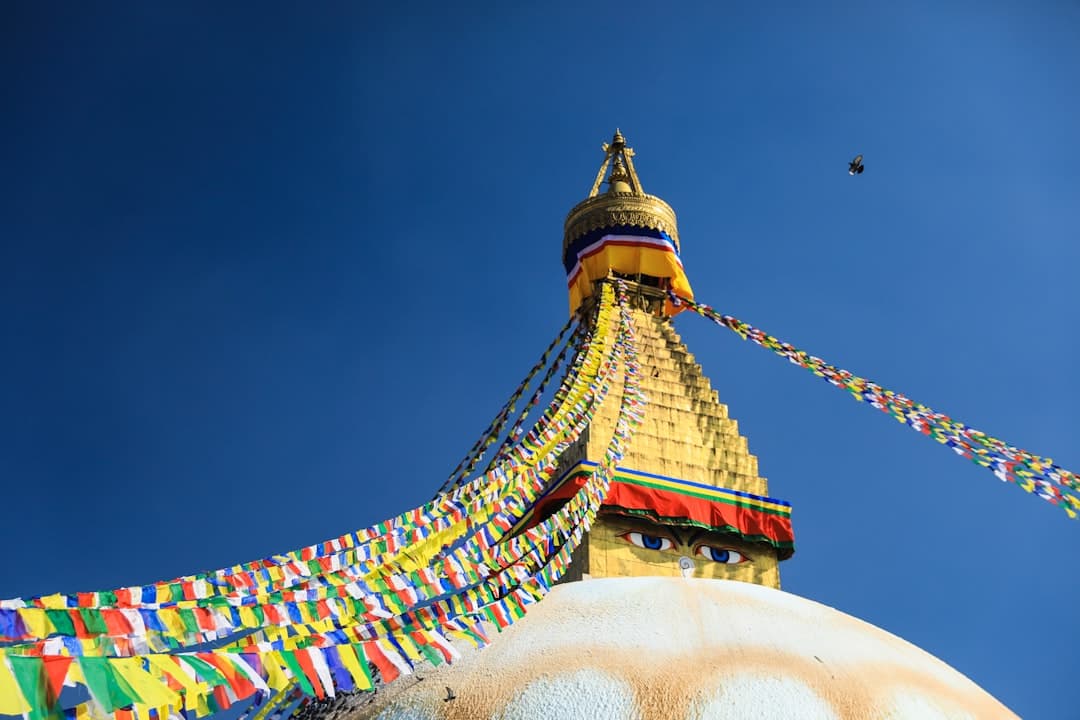
Bhaktapur Durbar Square
Kathmandu / Bhaktapur Durbar Square

Bhaktapur Durbar Square

Medieval Nepal frozen in brick, wood, and devotion — Kathmandu Valley's finest royal square.

🏛️ Sights & Landmarks🎯 Activities & Experiences🎭 Arts & Entertainment
🧗 Adventurous👨‍👩‍👧 Family-friendly🎭 Cultural

Bhaktapur Durbar Square is the historic heart of Bhaktapur, an ancient city in the Kathmandu Valley that was once the capital of a powerful medieval kingdom. The square is a UNESCO World Heritage Site and contains a remarkable concentration of temples, palaces, courtyards, and shrines built between the 12th and 18th centuries by the Malla kings, who poured their wealth and ambition into extraordinary works of brick and carved wood. Unlike the other two durbar squares in the valley — in Kathmandu and Patan — Bhaktapur's has a more coherent, lived-in feel. The 2015 earthquake caused significant damage across the valley, but Bhaktapur's square has been carefully restored and remains the most intact of the three.

Wandering the square, you move through a series of distinct zones. The western end is anchored by the 55-Window Palace, a 17th-century royal residence with intricate peacock-motif carvings on its famous window. Nearby, the National Art Museum occupies former palace rooms and houses thangka paintings, manuscripts, and bronze work. The Nyatapola Temple — a soaring five-tiered pagoda built in 1702 and the tallest temple in Nepal — dominates the Taumadhi Square just east. Potters, priests, and schoolchildren share the same stone-paved lanes, and the smell of burning incense competes with freshly made juju dhau, the celebrated creamy buffalo-milk yogurt that Bhaktapur is famous for producing.

Bhaktapur charges a foreign visitor entry fee (currently around $15 USD), which is collected at the city entrances — keep your ticket because it's sometimes checked again inside. The fee is worth it: it funds maintenance and keeps the area relatively tourist-light compared to Thamel in Kathmandu. Arrive early in the morning when the light is soft and the devotees are actively performing puja at the shrines. The square and surrounding old town are best explored on foot, and the lanes beyond the main square — toward the pottery district of Dattatraya Square — are worth every extra step.

Local Tips

  1. 1

    Your entry ticket is valid for multiple days — if you want to come back for the evening light or a festival, you don't need to buy a new one. Keep it safe.

  2. 2

    Don't skip Dattatraya Square, a 10-minute walk east of the main durbar. It's less visited, has its own beautiful temples, and is surrounded by workshops where craftspeople still carve traditional woodwork.

  3. 3

    Juju dhau (king curd) is Bhaktapur's signature food — the thick, creamy buffalo yogurt served in clay pots. Buy it at one of the shops near Taumadhi Square and eat it fresh; it doesn't travel well.

  4. 4

    Bhaktapur is easily reached from Kathmandu by local bus (cheap but slow) or taxi (roughly 45 minutes, negotiate the fare in advance). The city's own streets are narrow and largely car-free, so you walk everywhere once you're inside.

When to Go

Best times
October–November

Post-monsoon skies are clear and the Himalayan backdrop is visible. Temperatures are ideal for walking, and the light on the brick temples is stunning. Peak trekking season means Nepal is energized but Bhaktapur itself stays manageable.

March–April

Spring brings the Bisket Jatra festival — Bhaktapur's famous New Year celebration with chariot processions and enormous ceremonial poles. It's one of the most spectacular festivals in the valley and worth timing a visit around.

Early morning (7–9 AM)

Devotees perform morning puja at the temples, the square is quiet, and the warm light on the red-brick facades is beautiful. Most tour groups arrive after 10 AM.

Try to avoid
June–August

Monsoon season brings heavy rain, slippery stone pavements, and obscured mountain views. The square itself can be atmospheric in drizzle, but heat and humidity make long exploration uncomfortable.

Why Visit

01

The Nyatapola Temple is the tallest pagoda-style temple in Nepal and an architectural marvel you can walk around and climb the steps of — it has stood earthquake-resistant for over 300 years.

02

The 55-Window Palace's carved peacock window is considered one of the finest examples of traditional Newari woodcarving in the world, and it's right there in front of you.

03

Bhaktapur is a living city, not a museum — its festivals, street food (especially the famous juju dhau yogurt), and active temple culture give it an authenticity that more touristed squares have lost.