
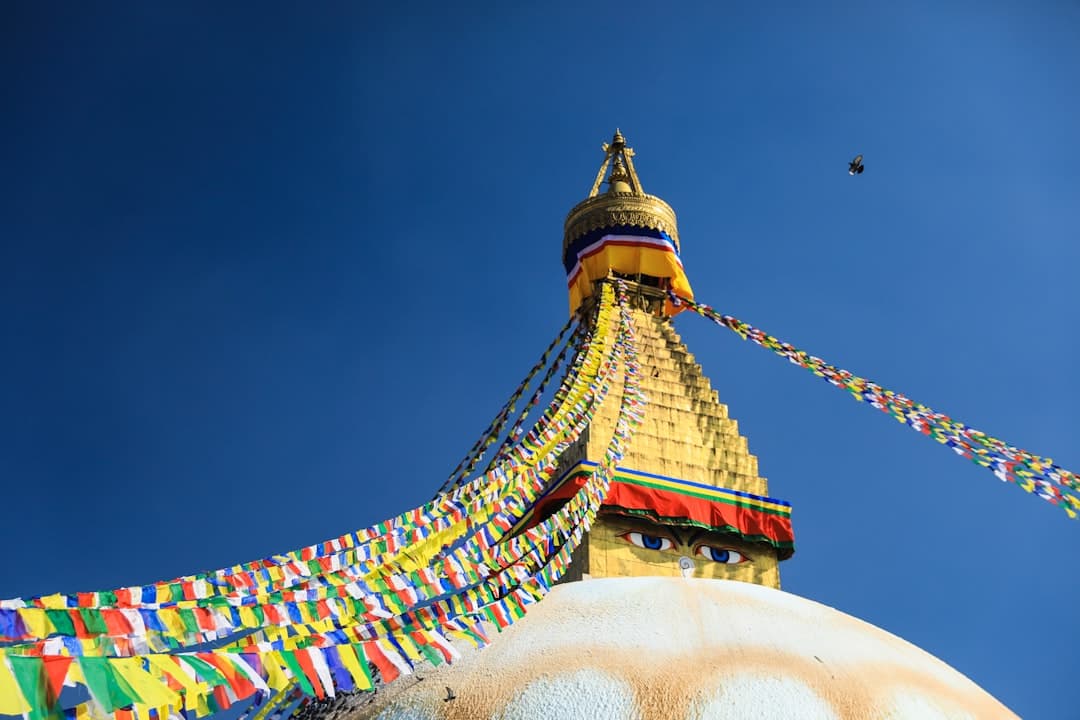
Changu Narayan Temple
Kathmandu / Changu Narayan Temple

Changu Narayan Temple

Nepal's oldest Vishnu temple, with stone carvings that rewrite early history.

🏛️ Sights & Landmarks🎭 Arts & Entertainment
🎭 Cultural🗺 Off the beaten path

Changu Narayan Temple sits on a forested hilltop ridge about 22 kilometers east of Kathmandu, and it is widely considered the oldest Hindu temple in the Kathmandu Valley. Dedicated to Vishnu — here worshipped as Narayan — the temple's origins stretch back to at least the 4th century CE, and a stone inscription on the site dated 464 CE is among the oldest written records ever found in Nepal. It was declared a UNESCO World Heritage Site in 1979, part of the broader Kathmandu Valley listing, and its significance is hard to overstate: this is a place where religious practice has continued, uninterrupted, for over 1,500 years.

The compound itself is dense with extraordinary things. The main pagoda-style temple is two-tiered and elaborately carved, its doors and struts covered in erotic carvings, celestial beings, and Vishnu's ten avatars rendered in stone and gilded metal. Scattered around the courtyard are some of the finest examples of Licchavi-period sculpture anywhere — including a stunning image of Vishnu Vikrantha showing the god in a cosmic stride, and a fierce Narasimha (the man-lion avatar) tearing apart a demon. Non-Hindus cannot enter the inner sanctum, but the courtyard and its sculptures are accessible and extraordinary in their own right. The surrounding village of Changu is quiet and traditional, with a small museum nearby showcasing coins and artifacts found at the site.

Getting here is part of the experience. Most visitors take a taxi or hire a car from Kathmandu, though adventurous types do the uphill hike from Bhaktapur, which takes about 45 minutes to an hour through terraced farmland and forest. Morning is best — the light is good and crowds are thin before tour groups arrive from Bhaktapur. There is a small entrance fee for foreign visitors. The hilltop also has sweeping views over the valley on clear days, which are most reliable between October and December.

Local Tips

  1. 1

    Hire a knowledgeable local guide at the entrance — the iconography of the Licchavi sculptures is complex and easy to miss without context. A good guide transforms this from a pleasant ruin into a jaw-dropping history lesson.

  2. 2

    The hike up from Bhaktapur (via Nagarkot road or through the village trails) takes around 45–60 minutes and is a genuinely rewarding approach — ask your accommodation in Bhaktapur to point you to the trail head.

  3. 3

    The small Changu Narayan Museum in the village below is worth the 15 minutes it takes — it has coins and artifacts from the Licchavi period that give you a real sense of what the valley was like when this temple was built.

  4. 4

    On festival days — particularly Haribodhi Ekadashi and Harisoyan Ekadashi — the temple draws large local crowds and the atmosphere is exceptional, though parking and access can be chaotic.

When to Go

Best times
October – December

Post-monsoon skies are clear and the valley views from the hilltop are at their best. Temperatures are comfortable and the light is excellent for appreciating the carvings.

February – April

Spring brings pleasant temperatures and rhododendrons in bloom on the forested ridge. Good visibility before the pre-monsoon haze builds up.

Early morning (7–9 AM)

The temple is most atmospheric before tour groups arrive from Bhaktapur. Morning puja is underway, the courtyard is quiet, and the light on the eastern-facing carvings is ideal.

Try to avoid
June – September

Monsoon season brings heavy rain and persistent cloud cover. The forested path up can be slippery and leech-prone, and valley views are often obscured.

Why Visit

01

Some of the finest medieval Hindu stone carvings in Nepal, many dating back over 1,500 years and still in place where they were originally installed.

02

A rare chance to experience an actively worshipped, living temple — not a museum piece — that has been in continuous religious use since the Licchavi dynasty.

03

The hilltop setting above a traditional Newari village gives it an atmosphere that the busier temples closer to Kathmandu simply can't match.