
All Places
1,073 places around the world
1,073 places · page 19 of 45
Jatiluwih Rice Terraces
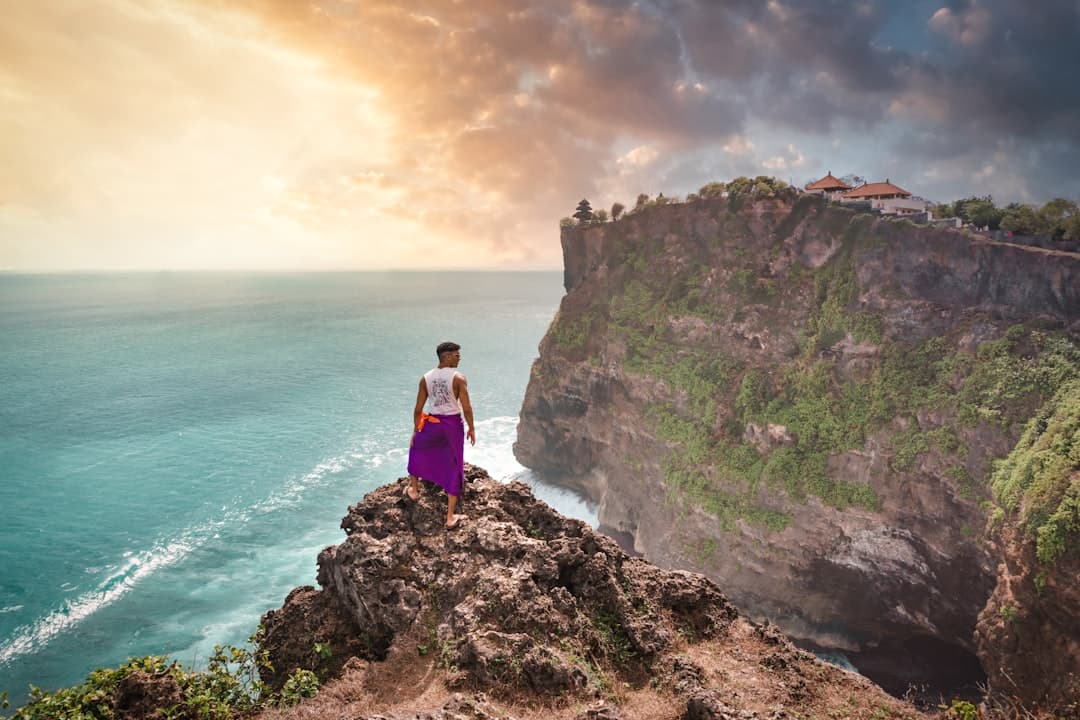
Jatiluwih is a vast, working agricultural landscape in the highlands of Tabanan Regency, about two hours northwest of Ubud. The terraces stretch across roughly 600 hectares of volcanic hillside, carved out by Balinese farmers over centuries using a traditional cooperative irrigation system called subak — a philosophy of water-sharing rooted in Hindu spirituality that UNESCO recognised as a World Heritage Site in 2012. This isn't a tourist set piece or a recreated tradition; these fields are actively cultivated, growing a local red rice variety called beras merah that you won't find in the paddies around Ubud. Walking through Jatiluwih is one of the genuinely immersive experiences left in Bali. The main road winds for several kilometres through the terraces, and there are a handful of marked walking trails that take you down into the fields themselves — past irrigation channels, through coconut palms, and alongside farmers who are simply getting on with their work. The colour of the paddies shifts depending on the season: vivid lime green when newly planted, gold when nearly ready to harvest, and a stripped-back earthy brown in between. The scale is humbling, and the views toward Mount Batukaru, Bali's second-highest volcano, add a dramatic backdrop that photographers obsess over, especially in the early morning mist. There's an entrance fee for the site, and warung restaurants line the main road where you can eat lunch while looking out over the terraces — Warung Saraswati and a few others serve the local red rice in simple, honest Balinese meals. Come early — by 9 or 10am tour buses from Kuta and Seminyak start arriving. If you're driving, rent a scooter or hire a private driver, as public transport here is essentially non-existent. The road through the terraces is good but winding, and the last stretch up from Tabanan town takes about 45 minutes.
Jean-Talon Market
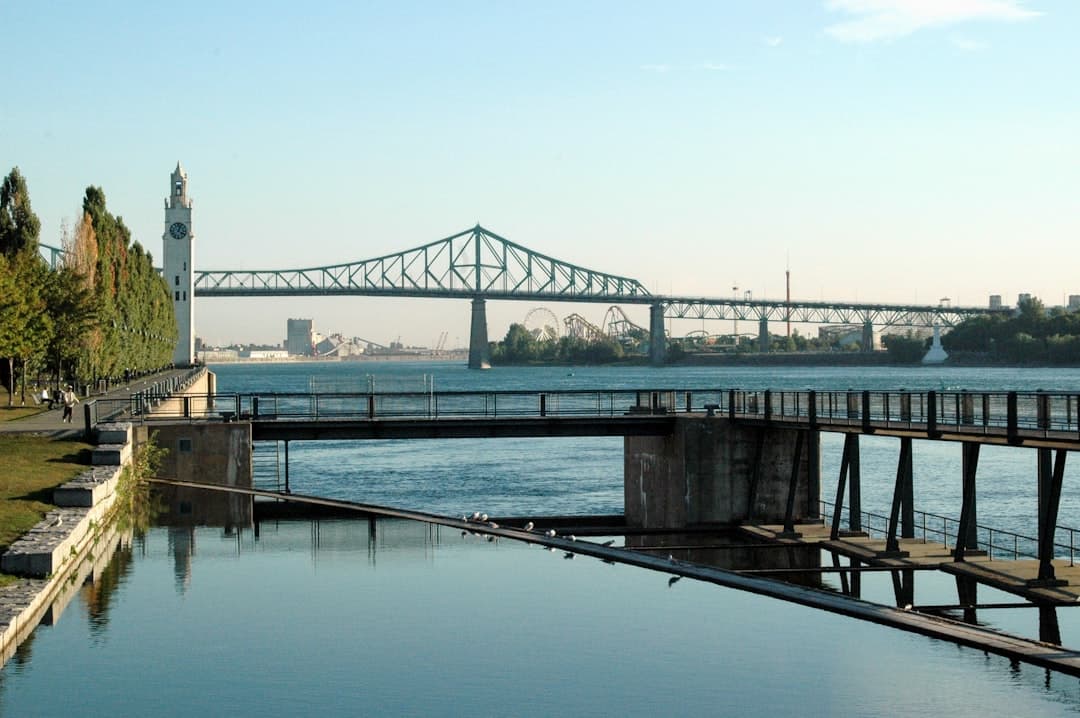
Jean-Talon Market is the largest and most beloved public market in Montreal — and by many accounts, the finest in all of Canada. Established in 1933 in the heart of the Little Italy neighbourhood, it's an open-air and partially covered space where hundreds of vendors sell fresh produce, cheeses, charcuterie, seafood, bread, spices, wine, and prepared foods year-round. It's not a tourist attraction pretending to be authentic — it genuinely feeds the city, drawing professional chefs, home cooks, and food obsessives in equal measure. Walking through Jean-Talon is an assault on the senses in the best possible way. In summer and fall, the outdoor stalls overflow with Quebec-grown heirloom tomatoes, wild mushrooms, heritage apples, and corn so fresh it barely needs cooking. Vendors shout prices in French, samples are pressed into your hands, and the smell of fresh herbs mingles with roasting coffee. Inside the permanent pavilion you'll find specialty shops worth lingering in — fromageries with aged Quebec cheddars and local raw-milk wheels, butchers doing whole-animal work, fishmongers with live lobster tanks, and olive oil merchants letting you taste from open barrels. You can easily assemble one of the greatest picnics of your life without leaving the building. The market runs year-round, but the outdoor portion is significantly reduced in winter, when the focus shifts to the indoor vendors. Arrive early on weekends — by 10am it gets genuinely crowded. The nearest metro station is Jean-Talon on the orange line, about a 10-minute walk away. Don't miss Birri, the legendary produce vendor who's been here for decades and whose stall is a reliable indicator of what's actually in season.
Jerónimos Monastery
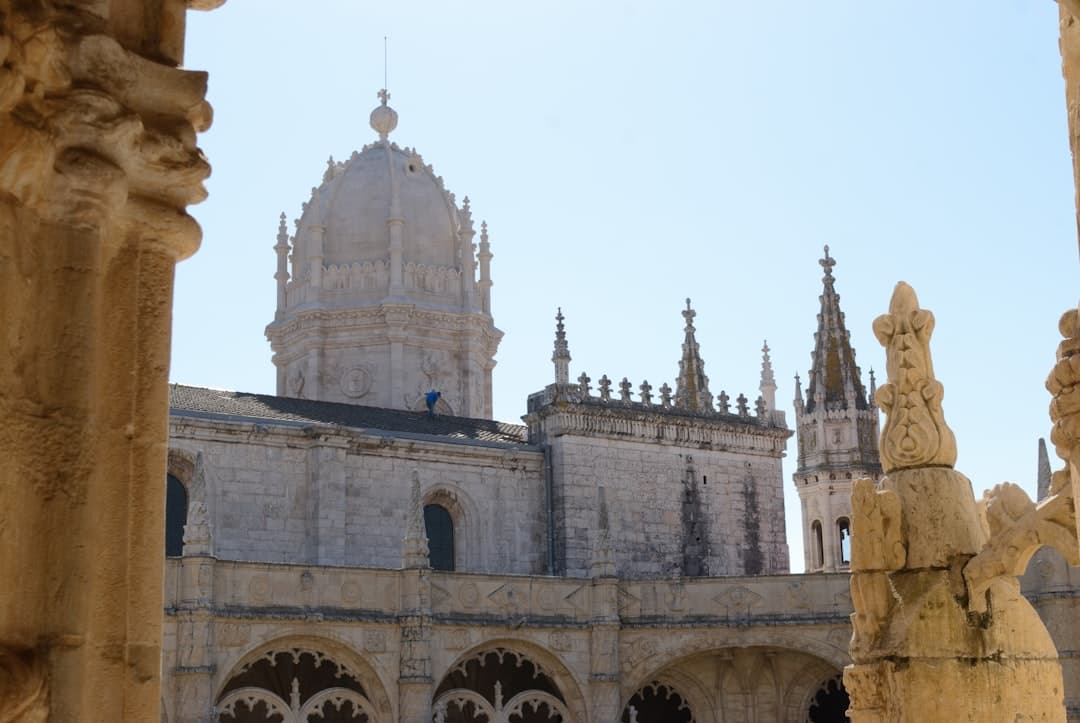
The Jerónimos Monastery is a UNESCO World Heritage Site and the most important surviving example of Manueline architecture — Portugal's own ornate Gothic style that flourished in the early 16th century, when explorers were returning from Africa, India, and Brazil laden with wealth and wonder. King Manuel I commissioned the monastery in 1501, partly as a thanksgiving for Vasco da Gama's successful voyage to India, and it took nearly a century to complete. The result is one of the most extraordinary buildings in Europe: an entire complex of cloisters, a church, and chapels elaborately carved in limestone, with maritime motifs — ropes, coral, armillary spheres, sea creatures — woven into every surface. Vasco da Gama himself is buried here, along with the poet Luís de Camões, whose epic poem about the Age of Discovery made him Portugal's Shakespeare. When you visit, start in the church, which is free to enter. The interior is astonishing — soaring vaulted ceilings supported by slender palm-like columns, with the tombs of da Gama and Camões resting in ornate sarcophagi near the entrance. Then pay to access the two-storey cloister, which is the true showstopper: an open courtyard ringed by some of the most intricately carved stone you'll ever see, where twisted columns and stone lacework frame views of sky and garden. The upper gallery is quieter and gives you a different perspective on the details below. The monastery sits in the Belém neighbourhood, right on the waterfront, and is best visited in the morning when light hits the south-facing cloister facade. The famous Pastéis de Belém bakery is a five-minute walk away — a custard tart stop here is non-negotiable. Crowds can be heavy, especially in summer; arriving at opening time makes a real difference. Note that the church is sometimes closed during religious services, so early weekday mornings can occasionally see disruptions.
Jewish Historical Museum
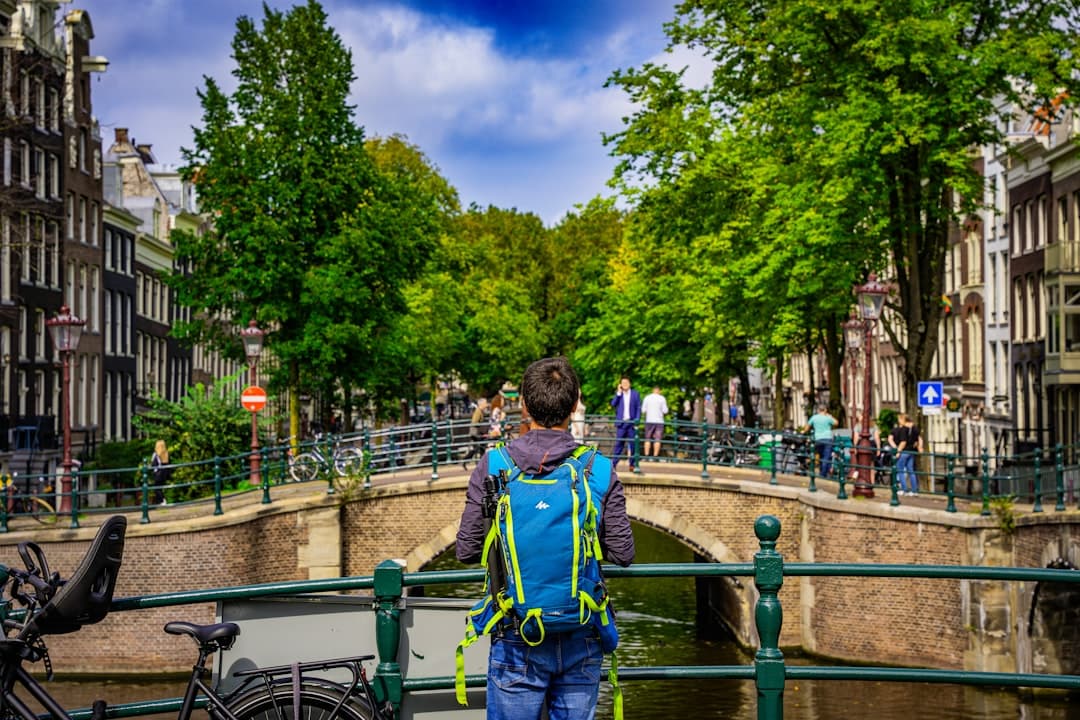
The Jewish Historical Museum — Joods Historisch Museum in Dutch — occupies a remarkable complex of four interconnected Ashkenazi synagogues in the heart of Amsterdam's old Jewish Quarter. The oldest dates to 1671, and together they trace the arc of Jewish life in the Netherlands from the 17th century through to the present day. Amsterdam was once home to one of the most significant Jewish communities in Europe, and this museum is the most serious attempt to document and honour that legacy — including the devastating loss of roughly 75% of Dutch Jews during the Holocaust. Inside, you move through permanent galleries that cover religious practice, daily life, Jewish identity, and the history of antisemitism and survival, alongside rotating temporary exhibitions that often tackle contemporary Jewish experience and culture. The synagogue architecture itself is extraordinary — high vaulted ceilings, original woodwork, and the sense of spaces that were once full of life and prayer. There's also a dedicated Children's Museum on the same ticket, thoughtfully designed to introduce younger visitors to Jewish traditions and history without overwhelming them. The museum sits in the Jewish Cultural Quarter, which also includes the Portuguese Synagogue (one of the oldest and most beautiful in the world, still in active use), the Dutch Resistance Museum, and the Hollandsche Schouwburg, a former theatre used as a deportation assembly point during WWII. A combined ticket covers several of these sites and is genuinely worth it — this cluster of institutions tells a more complete story together than any one of them does alone. Come on a weekday morning if you want the galleries to yourself.
Jewish Quarter (Josefov)
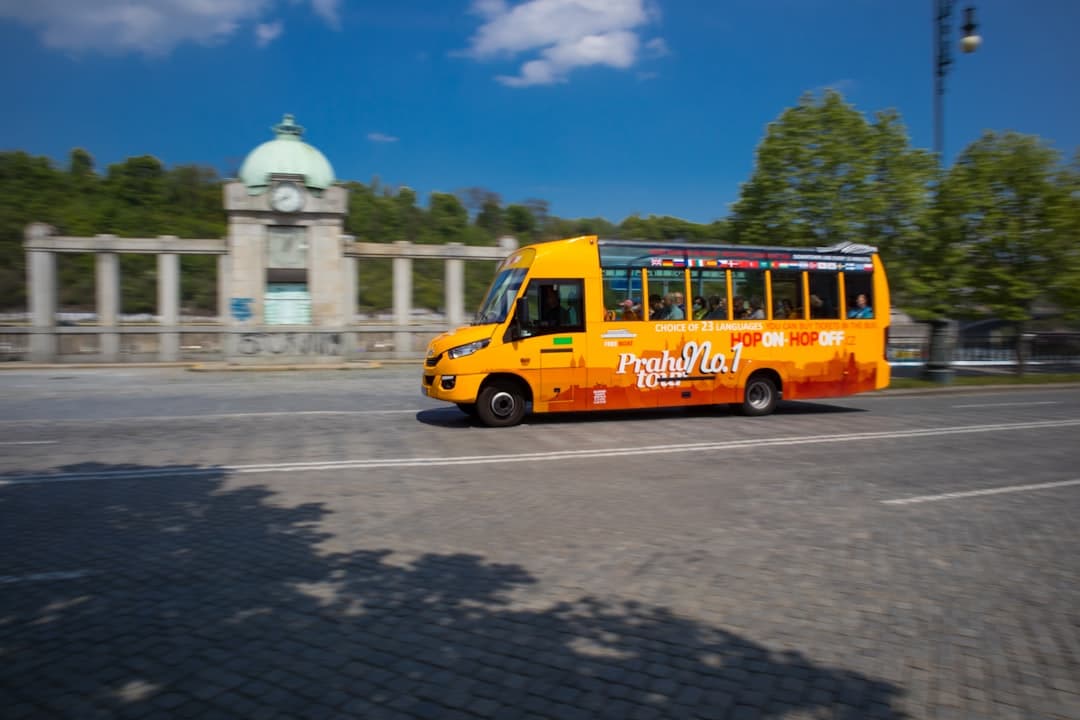
Josefov is Prague's historic Jewish Quarter, a small but extraordinarily dense district tucked between the Old Town Square and the Vltava River. Named after Emperor Joseph II, who emancipated Bohemian Jews in 1781, it was once a walled ghetto dating back to the 12th century — a self-contained world of synagogues, schools, and cemeteries that survived for hundreds of years despite persecution, plague, and poverty. What makes Josefov remarkable is that it survived at all: most of the original ghetto was demolished in the 1890s in a sweeping urban renewal project, but its religious monuments were preserved. Then, bizarrely, the Nazis inadvertently ensured the survival of its treasures by assembling Jewish artifacts from across occupied Czechoslovakia into what they planned to be a 'museum of an extinct race.' Today those collections form one of the most significant Jewish heritage sites in the world. The Jewish Museum in Prague encompasses six monuments spread across the quarter: the Old Jewish Cemetery, four historic synagogues (the Pinkas, Maisel, Spanish, and Klaus), and the Ceremonial Hall. The Old Jewish Cemetery is the centerpiece — a haunting, beautiful space where some 100,000 people are buried in layers upon layers because the ghetto had no room to expand, with headstones tilting into each other across 12 stacked burial levels. The Pinkas Synagogue is devastating in a different way: its walls are inscribed with the names of 77,297 Czech and Moravian Jewish victims of the Holocaust. You also shouldn't miss the Old-New Synagogue, the oldest active synagogue in Europe (circa 1270), which operates separately from the museum and still holds regular services. Buy a combined museum ticket online in advance — the queue to purchase on-site can be significant, especially in summer. The quarter is walkable in a morning, though if you want to absorb it properly, budget half a day. Friday afternoons see reduced hours as Shabbat approaches, and the Old-New Synagogue closes to tourists then. The surrounding streets have become upscale and touristy — Pařížská, Josefov's main boulevard, is now lined with luxury boutiques — but the monuments themselves remain genuinely moving and historically unimpeachable.
Jim Thompson House
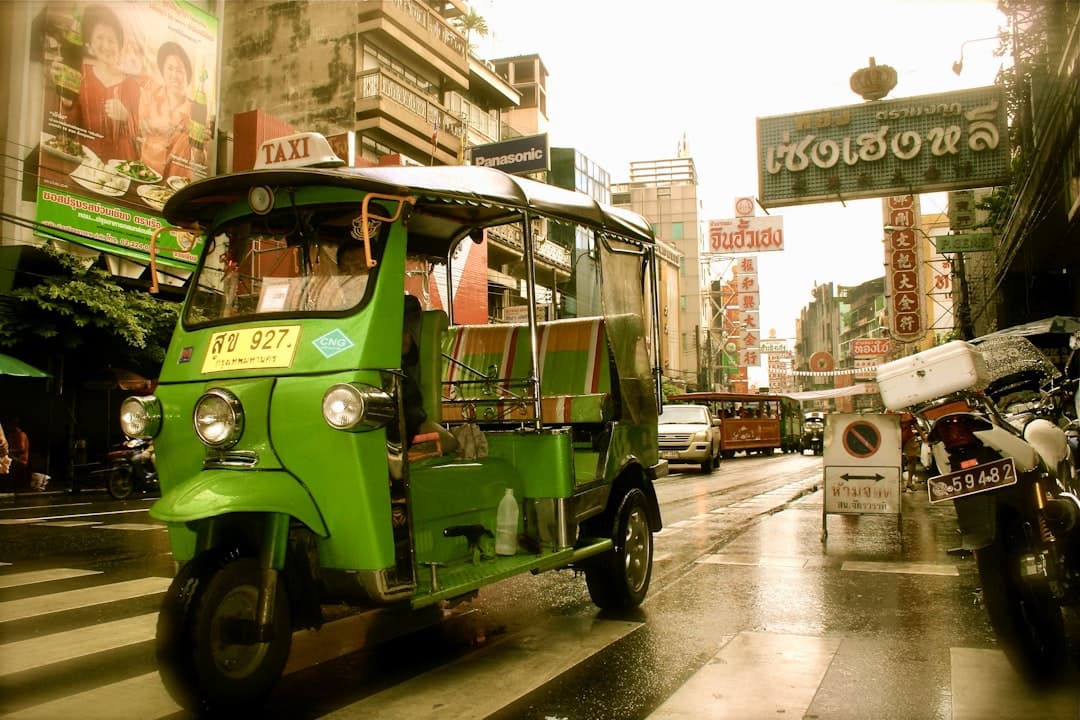
Jim Thompson was an American businessman who revived the Thai silk industry after World War II, turning it into an internationally recognized luxury trade. He lived in Bangkok in a compound of six traditional Thai houses — some centuries old, relocated from across the river — that he reassembled, renovated, and filled with an extraordinary personal collection of Asian art and antiques. Then, in 1967, he walked into the Malaysian jungle on Easter Sunday and was never seen again. His disappearance remains one of Southeast Asia's most enduring mysteries, and his home was preserved almost exactly as he left it. Visiting the Jim Thompson House means touring those wooden pavilions with a guide — there's no self-guided option — moving through rooms packed with Chinese porcelain, Burmese figures, Thai antiques, and European paintings that Thompson collected with a connoisseur's eye. The compound sits alongside a peaceful canal in the middle of Bangkok, shaded by dense tropical gardens, and it feels genuinely removed from the city outside. The guided tour lasts around 45 minutes to an hour and covers the main house in real depth; guides are knowledgeable and the storytelling around Thompson's life and disappearance is part of the draw. The site is right next to the National Stadium BTS skytrain stop, which makes it remarkably easy to reach from anywhere in central Bangkok. Skip the attached restaurant if you're on a budget — it's fine but trades heavily on the name — and instead walk ten minutes to the street food around MBK. Arrive close to opening time if you want a quieter tour; the place gets noticeably busier by midday, especially with group tours.
Jiufen Old Street
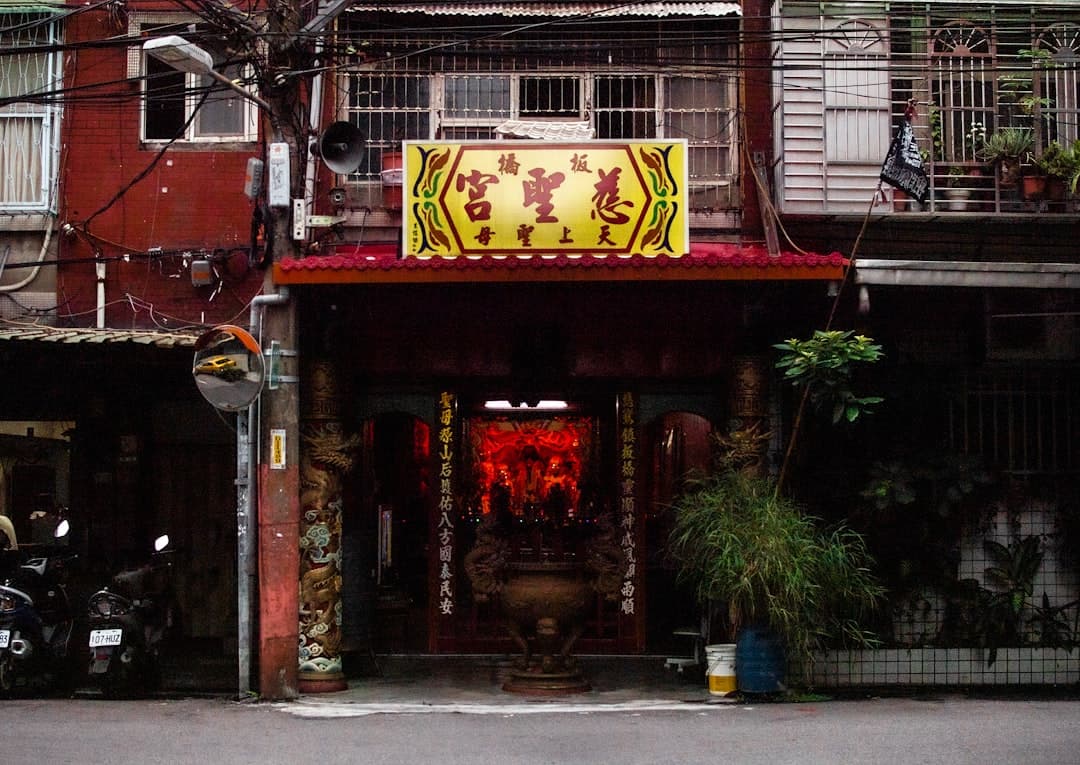
Jiufen Old Street is a labyrinthine hillside market town about an hour from central Taipei, draped over the steep slopes of northeastern Taiwan's mining country. It was a gold-rush boomtown in the late 19th and early 20th centuries, and after the mines closed it slowly transformed into one of Taiwan's most beloved heritage destinations. The narrow, rain-slicked stone staircases, red lanterns swinging in the mountain breeze, and teahouses perched over dramatic sea views have made it iconic — a place where the island's Japanese colonial past, indigenous Ketagalan heritage, and Taiwanese street food culture all collide in a single winding alley. The main artery is Jishan Street, a covered lane packed with vendors selling taro balls, fish balls, peanut ice cream rolls, and stinky tofu. But the real magic is in the side stairs — particularly the famous A-Mei Tea House steps on Shuqi Road, which inspired (or at least closely resembles) the bathhouse in Hayao Miyazaki's Spirited Away, though Miyazaki himself has been deliberately vague about the connection. Climb higher and the crowds thin, the views open up over the Pacific coast and the Keelung River valley, and you start to understand why this place has been drawing painters and photographers for decades. The old teahouses are genuine — order a pot of oolong, find a window seat, and you can watch the fog roll in off the ocean. The Google-listed hours are a rough guide at best — most vendors open around 10am and the street is fully alive by noon, but some shops and teahouses stay open well past 8pm, especially on weekends. Weekday mornings are dramatically quieter than weekend afternoons, when tour buses from Taipei flood the main staircase. The village is genuinely hilly and the steps are steep and often wet, so footwear matters more than you'd expect.
Johari Bazaar
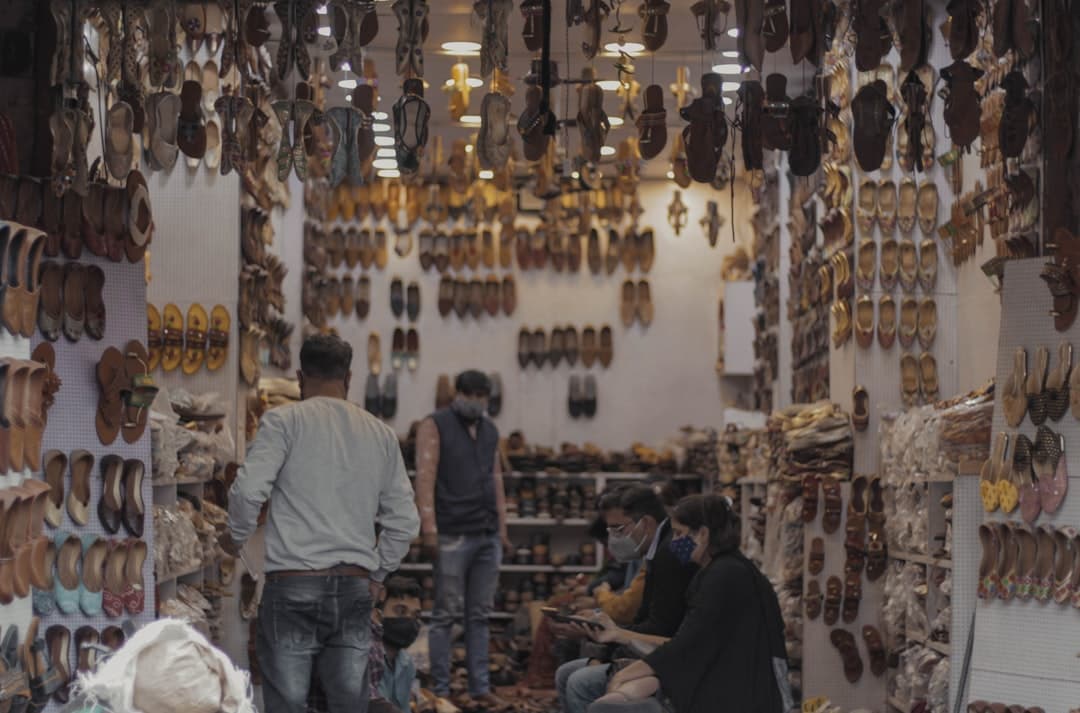
Johari Bazaar is the historic jewellery market at the heart of Jaipur's walled Pink City, and one of the most important gem and jewellery trading hubs in all of India. The name literally means 'jewellers' market' in Hindi, and the street has lived up to that name for several hundred years — Jaipur has been a centre of gemstone cutting and setting since the Mughal era, and this bazaar is where that tradition concentrates. The city is particularly famous for its kundan and meenakari jewellery, as well as its trade in precious and semi-precious stones including emeralds, rubies, and the distinctive blue pottery-inlaid silver work you'll see everywhere. Walking through Johari Bazaar is a full sensory experience. The main street stretches through a dense corridor of shopfronts stacked with glittering displays — everything from tiny gem dealers selling loose stones by weight to elaborate showrooms selling bridal jewellery sets worth lakhs of rupees. Beyond jewellery, the area bleeds into fabric shops, lac bangles, and traditional Rajasthani textiles. The side lanes are where serious buyers and traders do business, often by appointment. Wander far enough and you'll find yourself in Bapu Bazaar or Nehru Bazaar, where the market broadens into shoes, textiles, and everyday goods for locals. The best time to browse is mid-morning on a weekday, when the shops are open and crowds haven't peaked. Haggling is expected at smaller stalls but fixed prices are more common in the larger established shops. Be aware that Jaipur has a well-documented scam culture around gems — any stranger who approaches you on the street offering to connect you to a 'government gem export scheme' is running a con. Stick to established, recommended shops and trust your instincts. The bazaar is busiest and most atmospheric in the evenings when locals come out to shop, but that's also when navigating the crowds is hardest.
Jordaan
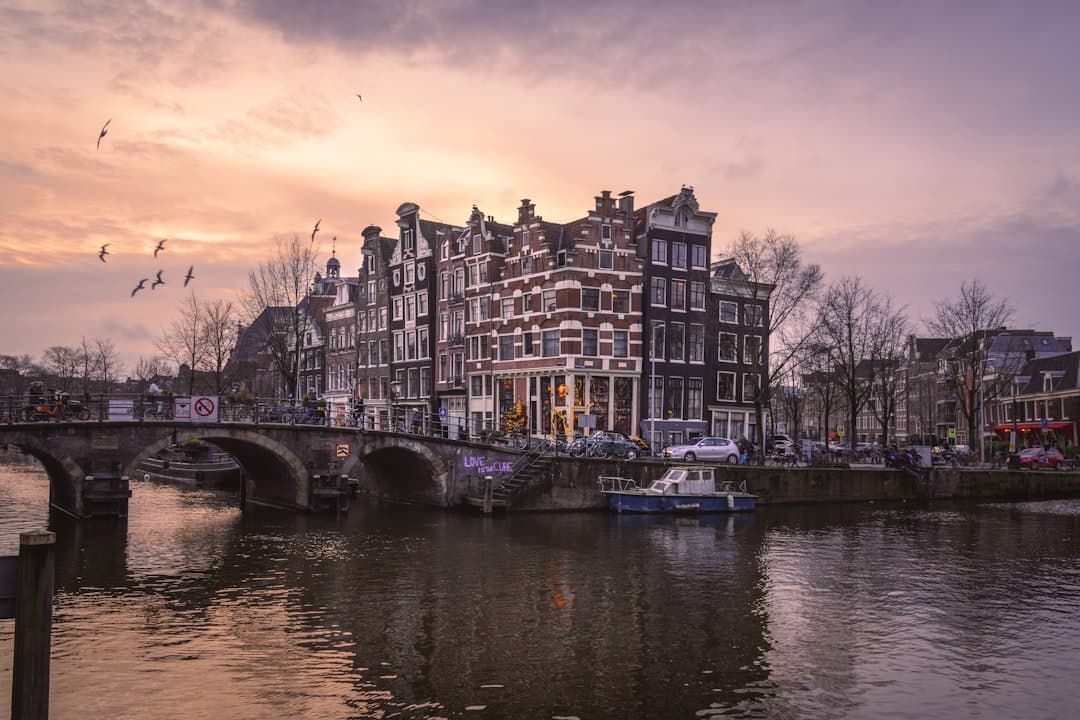
The Jordaan is a former working-class district in the western part of Amsterdam's historic canal ring, wedged between the Prinsengracht and the Singelgracht. What started in the 17th century as a neighborhood for artisans, dyers, and religious refugees — Huguenots, Sephardic Jews, and others fleeing persecution — has evolved over four centuries into what many consider Amsterdam's most characterful quarter. It was a rough, densely packed neighborhood well into the 20th century, known for poverty and a fierce local identity, before a wave of gentrification in the 1980s and 90s transformed it into the desirable, gallery-lined, café-dense area visitors flock to today. The bones of the original neighborhood remain visible: the narrow streets that don't follow the city's usual grid, the modest canal houses built for tradespeople rather than merchants, and the hidden hofjes — enclosed almshouse courtyards dating back centuries. Wandering the Jordaan is what Amsterdam actually looks like when it isn't overrun with tourist infrastructure. You walk along narrow streets like the Bloemgracht, often called the most beautiful canal in Amsterdam, or browse the Noordermarkt on Saturday mornings where locals shop for organic produce and vintage clothing. Independent galleries cluster around the Elandsgracht and the Nine Streets (De Negen Straatjes) that border the Jordaan to the east — a shopping district of boutiques selling everything from specialty cheese to vintage eyewear. The neighborhood is also home to the Westerkerk, the Protestant church where Rembrandt is buried, and a short walk from the Anne Frank House on the Prinsengracht, though the Jordaan itself is less about single landmarks and more about the accumulated texture of streets, courtyards, and brown cafés. The Jordaan rewards slow travel more than almost anywhere in Amsterdam. Come on a weekday morning if you want it relatively quiet; Saturday brings the Noordermarkt and Lindengracht markets but also real crowds. The brown cafés — bruine kroegen — here are the genuine article: wood-paneled, candle-lit, with Heineken or Grolsch on tap and a bowl of bitterballen on the table. Café 't Smalle on the Egelantiersgracht dates to 1786 and is one of the most atmospheric places in the city for an afternoon beer. If you're eating dinner, look toward the smaller streets rather than the canal-front tables, where restaurants catering to locals tend to offer better value and less attitude.
Jordaan Canal Stroll
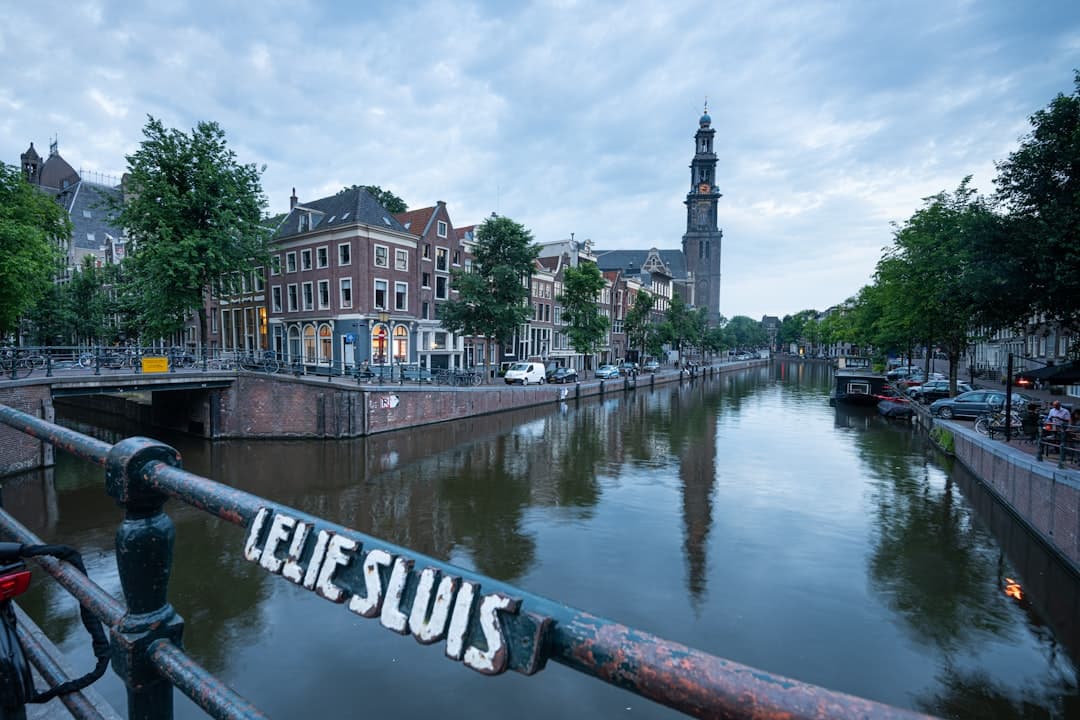
The Jordaan is Amsterdam's most beloved neighbourhood, a former working-class district west of the main canal ring that was gentrified over decades into a place of extraordinary charm. The Egelantiersgracht is one of its signature smaller canals — narrow, tree-lined, and flanked by 17th and 18th-century gabled townhouses that lean gently over the water. A stroll along this canal and the surrounding streets is the classic way to see Amsterdam as it actually looks day-to-day, away from the tourist crush of the Rijksmuseum plaza or the Anne Frank House queue. Walking here means drifting between canals — Egelantiersgracht, Bloemgracht, Prinsengracht — pausing on humpbacked bridges, watching houseboats bob, and ducking into the tiny courtyards called hofjes that hide behind unmarked doors in old almshouse walls. The Begijnhof is the most famous hofje in the city, but the Jordaan has several of its own, including the Karthuizerhof. The neighbourhood is also full of brown cafés (bruine kroegen), the smoky, low-ceilinged Dutch pub that is a social institution, as well as independent galleries, vintage shops, and flower stalls. The opening hours listed here likely correspond to a specific café or bar on Egelantiersgracht rather than the canal walk itself, which is freely accessible at any hour. The stroll is best treated as a half-day wander with stops built in — coffee, a canal-side bench, lunch at one of the neighbourhood's many good spots. Weekday mornings are noticeably quieter than weekends; if you want the canals to yourself, that is your window.
Jordan Museum
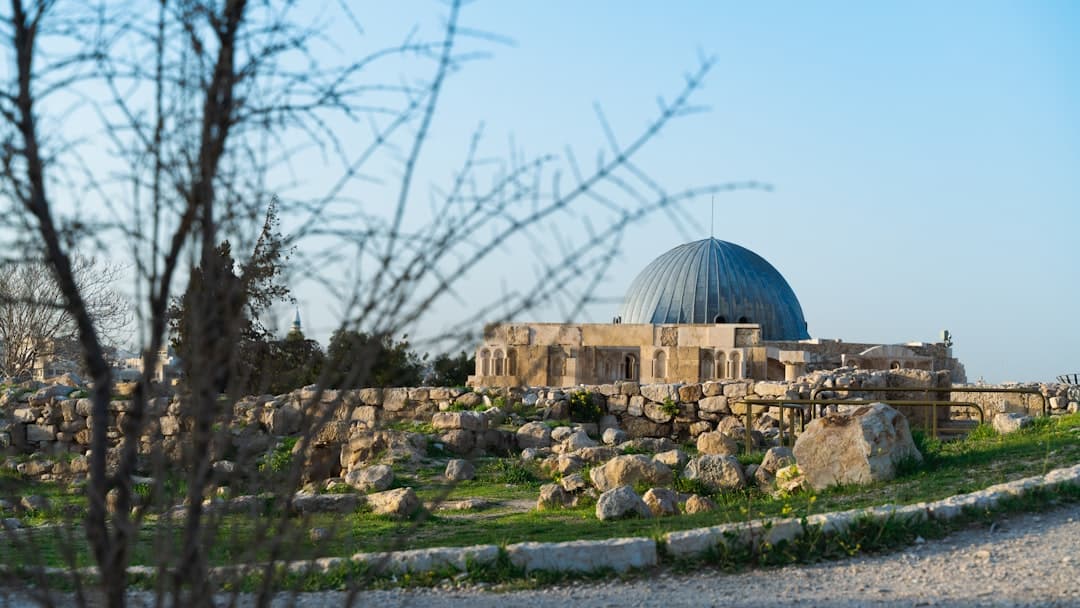
The Jordan Museum is the country's flagship national museum, opened in 2014 in the heart of Amman's Ras al-Ain district. It was built to bring together Jordan's extraordinary archaeological heritage under one roof — a serious effort to tell the story of human civilization on this land from the Stone Age through the Islamic period. Jordan sits at one of the great crossroads of human history, and this museum makes a genuine, well-funded case for why that matters. The experience is anchored by the collection, which ranges from Neolithic plaster statues found at Ain Ghazal — some of the oldest large-scale human figures ever discovered, dating back around 9,000 years — to Dead Sea Scrolls fragments, Nabataean artifacts from Petra, and Byzantine mosaics. The displays are modern, well-lit, and bilingual in Arabic and English. You move through galleries roughly chronologically, with good interpretive text that doesn't talk down to you. The Dead Sea Scrolls section alone is worth the trip; Jordan holds legitimate claim to part of this collection and the context provided here is more nuanced than what you'll get elsewhere. The museum is located close to the Roman Theatre and the Hashemite Plaza, so it pairs well with a walk through downtown Amman. Admission is very affordable by any standard. Tuesday closures are easy to miss — double-check before you go. Friday hours are shorter and start later, so morning arrivals should plan accordingly. A gift shop sells quality reproductions and books on Jordanian history that are genuinely hard to find elsewhere.
Jozani Chwaka Bay National Park
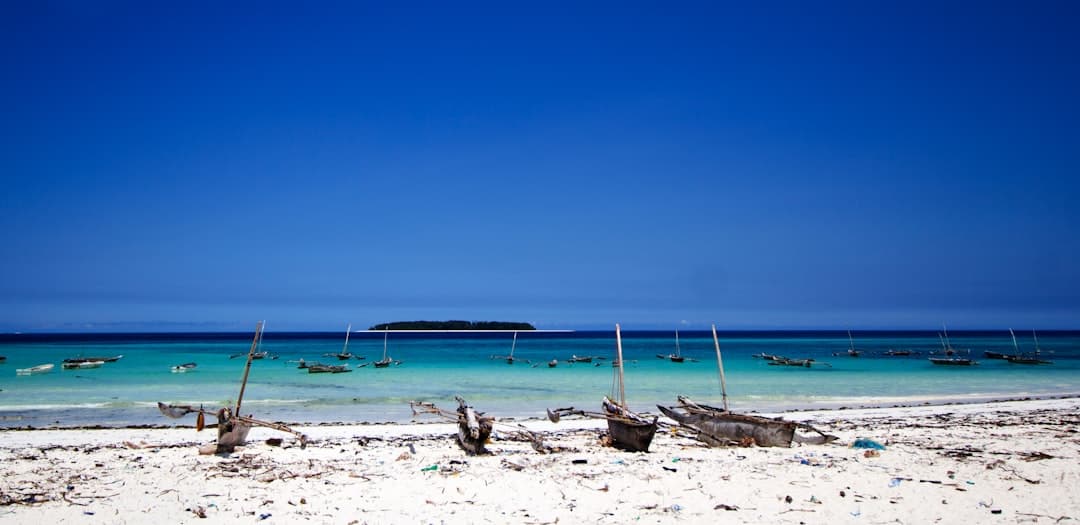
Jozani Chwaka Bay National Park is Zanzibar's only national park, covering around 50 square kilometres of ancient forest, mangrove channels, and coastal wetlands in the centre of the island. It's the last significant remnant of the indigenous groundwater forest that once blanketed much of Zanzibar, and it's the primary — and arguably the only serious — habitat left for the Zanzibar red colobus monkey, a subspecies found nowhere else in the world. These monkeys were critically endangered not long ago; conservation work here has helped stabilise their population to a few thousand, making the park genuinely important, not just pretty. Visiting means walking well-maintained forest trails with a local guide, coming face to face with troops of red colobus monkeys that have grown so accustomed to humans they'll swing within arm's reach overhead. The colobus are the headline act — vivid auburn fur, black faces, and a habit of sitting in patches of sunlight that makes them almost theatrical — but the forest itself is extraordinary. There are also Sykes' monkeys, bush babies, over 40 butterfly species, and a rich understorey of ancient fig trees and tropical palms. A separate boardwalk trail winds through a mangrove ecosystem out toward the tidal flats of Chwaka Bay, where the shift from forest to coast happens quietly and completely. The park is about 35 kilometres south of Stone Town, easily reached by dalla-dalla (shared minibus) or arranged through virtually any hotel. The entry fee includes a mandatory guided walk, which sounds like a tourist formality but actually makes a real difference — the guides know where the monkey troops are feeding and can read the forest in ways you simply won't on your own. Arrive early, before the midday tour buses from the beach resorts descend, and you'll have a noticeably better experience.
Juhu Beach
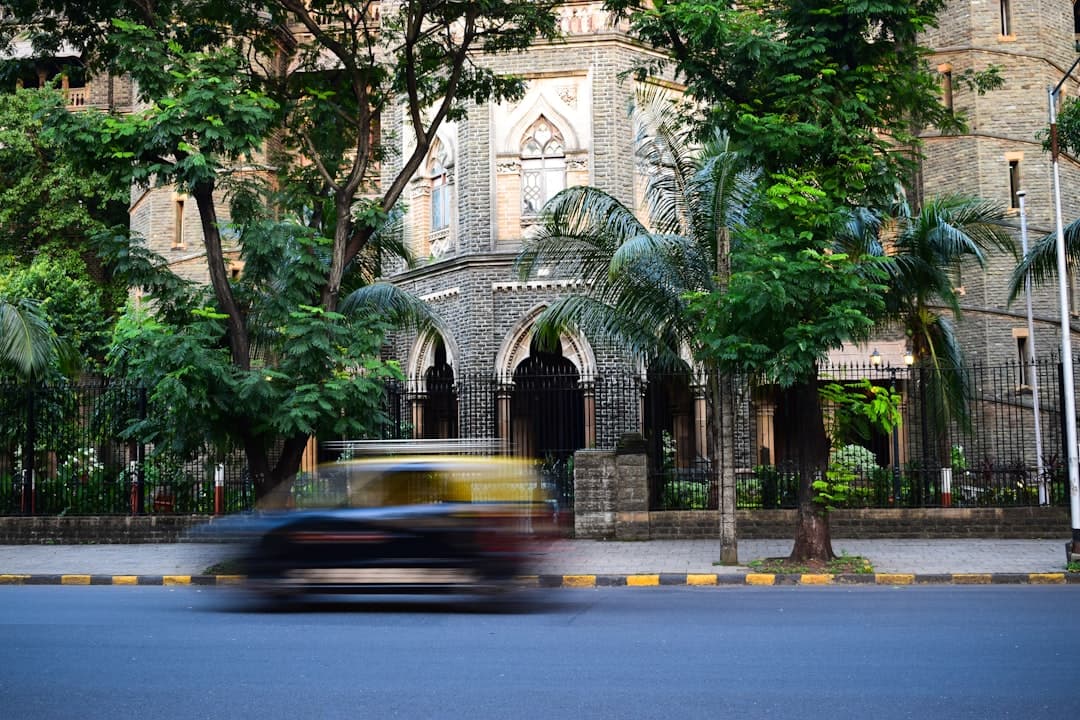
Juhu Beach is a long, wide stretch of Arabian Sea coastline in the western suburbs of Mumbai, and for millions of city residents it functions as the great urban equalizer — a free, open space where Bollywood stars jog at dawn and families spread out picnic mats on weekends. It runs for roughly six kilometers through the Juhu neighborhood, flanked by luxury hotels on one side and open water on the other, and it has been a fixture of Mumbai's social life since at least the mid-20th century. This is not a pristine, tranquil beach. It is a loud, vibrant, democratic spectacle, and that is entirely the point. What you actually do at Juhu is wander, eat, and watch. The food stalls are the main event: vendors selling pav bhaji, bhel puri, pani puri, corn on the cob, and freshly cut fruit line the promenade in chaotic, fragrant rows. At sunset the crowds thicken dramatically — kite flyers, cricket players, children riding horses along the waterline, couples, and extended families all converge. The water itself is polluted and not suitable for swimming, but wading ankle-deep is a common ritual. On clear evenings the light across the Arabian Sea turns extraordinary shades of orange and gold, and the entire scene takes on a cinematic quality that feels entirely appropriate given the neighborhood's deep ties to the film industry. The best time to visit is late afternoon into sunset on a weekday, when the crowds are manageable but the atmosphere is still lively. Weekends and public holidays draw enormous numbers and can feel overwhelming. The beach has no entry fee and no facilities to speak of, so bring what you need. The ISKCON temple and Prithvi Theatre are both within walking distance, making Juhu a natural anchor for a longer afternoon in the neighborhood. Street food hygiene varies, so pick stalls that are busy — high turnover is your best quality signal.
Jumeirah Mosque
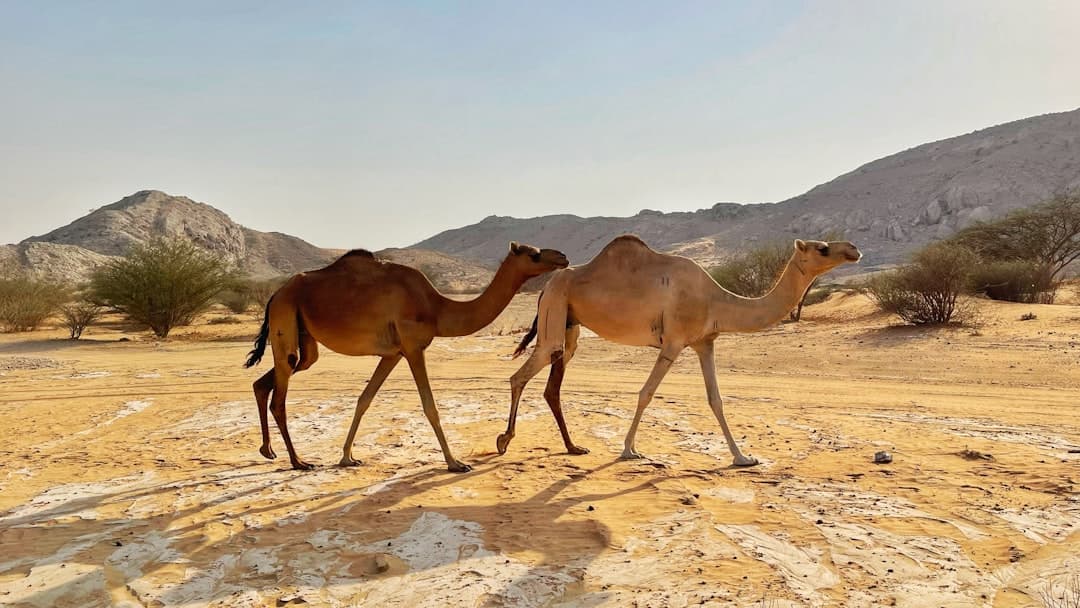
Jumeirah Mosque is a landmark on Dubai's Jumeirah Beach Road and one of the most photographed buildings in the city — a gleaming white structure built in the Fatimid style, with twin minarets and a central dome that glows beautifully at dusk. But what makes it truly special is that it's one of the very few mosques in Dubai, and the UAE more broadly, that actively invites non-Muslim visitors inside. The Sheikh Mohammed Centre for Cultural Understanding (SMCCU) runs regular guided tours here, making this the single best place in the city to genuinely learn about Islam and Emirati culture rather than just admire from a distance. The experience is structured around those SMCCU tours, which run most mornings several days a week. You enter the mosque, remove your shoes, sit on the carpeted floor, and a knowledgeable guide walks you through the architecture, the call to prayer, the Five Pillars of Islam, and daily Emirati life. The tour actively encourages questions — no topic is off-limits — and the atmosphere is open, thoughtful, and surprisingly moving. After the formal session, there's usually a Q&A over tea and dates. The interior itself is serene and beautiful: intricate geometric tilework, carved plasterwork, and a vast prayer hall that feels like quiet luxury stripped of ego. Tours typically run Saturday through Thursday at 10am, but check the SMCCU website for current schedules as these change. Arrive five to ten minutes early — the tours are popular and spaces do fill up. Modest dress is required, and the mosque provides abayas and head coverings for women who need them at no extra charge. There's a small donation or entrance fee involved. This is the kind of experience that recalibrates what you think a Dubai visit is about.
KL Tower
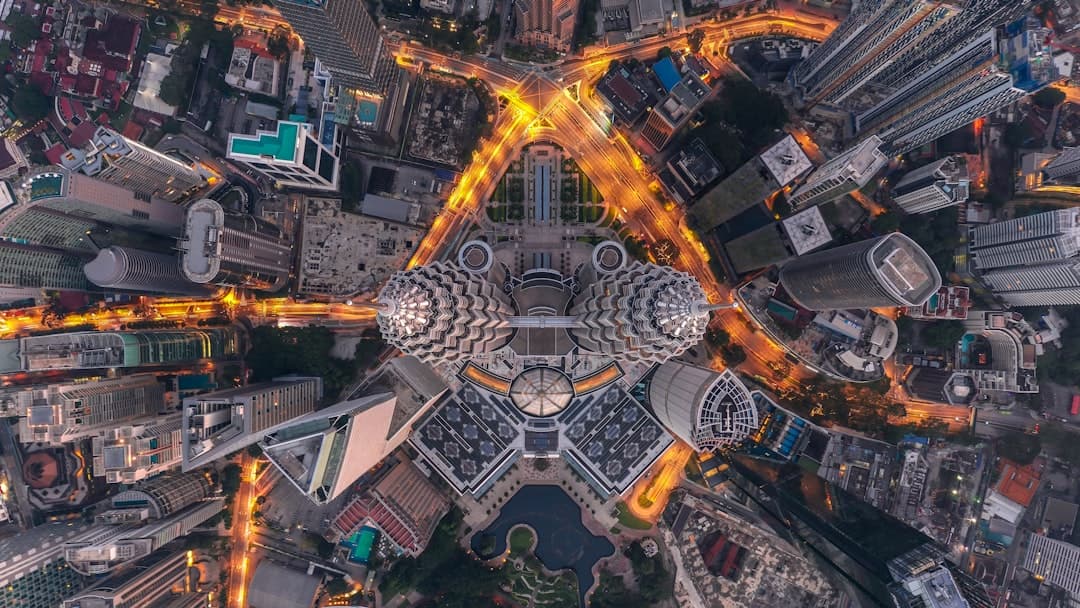
Standing 421 metres tall on Bukit Nanas — one of the oldest forest reserves in Malaysia, right in the middle of the city — the KL Tower (Menara Kuala Lumpur) is a telecommunications tower that opened to the public in 1996. It's the seventh tallest tower in the world by antenna height, and while the Petronas Twin Towers get more of the glory, the KL Tower offers something the Twins can't: an unobstructed view of the Twin Towers themselves. That makes it the better photography perch by a wide margin, and frankly the more interesting vantage point for understanding the city's layout. Visitors take a lift up to the observation deck at 276 metres, where on a clear day you can see the city stretching out in every direction — the Petronas Towers gleaming to the northeast, the Klang Valley suburbs fading into the haze, and the Titiwangsa mountain range on the horizon. There's also a glass-floored Sky Deck higher up for those who want to test their nerves, plus a revolving restaurant called Atmosphere 360 that sits just below the bulb of the tower. The surrounding Bukit Nanas Forest Reserve is worth a wander too — urban jungle in the most literal sense, with macaques, monitor lizards, and ancient trees right beneath a major telecommunications structure. The tower is most spectacular at dusk, when you can watch the city transition from golden hour to a blazing grid of lights. Crowds tend to thin on weekday mornings. The surrounding forested hill is accessible for free even if you skip the tower itself — a rare green patch that gives the whole experience a slightly surreal quality. Skip the overpriced base-level attractions and head straight for the observation deck; that's what you're here for.
KLCC Park
KLCC Park is a 50-acre public green space at the base of the Petronas Twin Towers, one of the most recognizable skylines in Southeast Asia. Designed by the late Brazilian landscape architect Roberto Burle Marx — the same man behind Rio's famous Copacabana promenade — and completed in 1998, the park is a genuine feat of urban planning: lush, well-maintained, and surprisingly serene given that it sits at the heart of one of the busiest commercial districts in the city. The park anchors itself around a large wading pool and a spectacular musical fountain that runs shows in the evenings, drawing crowds who spread out on the grass to watch the light-and-water display with the towers lit up behind. There's a 1.3km jogging path that loops the park and is genuinely used by locals every morning, a children's water playground that's a hit with families, and a 20-metre man-made waterfall near the Suria KLCC mall entrance. The landscaping layers tropical trees, flowering shrubs, and open lawn in a way that feels deliberately composed rather than thrown together — this is a park that was actually thought about. Come early morning if you want to see it as locals do — joggers, tai chi groups, and retirees reading newspapers on benches, the towers catching the soft light before the heat builds. Evening is equally worthwhile for the fountain shows and the dramatic tower views once the sky darkens. The park connects directly to Suria KLCC mall, so it's easy to dip in and out of the air conditioning when the humidity gets serious — and in KL, it usually does.
Kadıköy
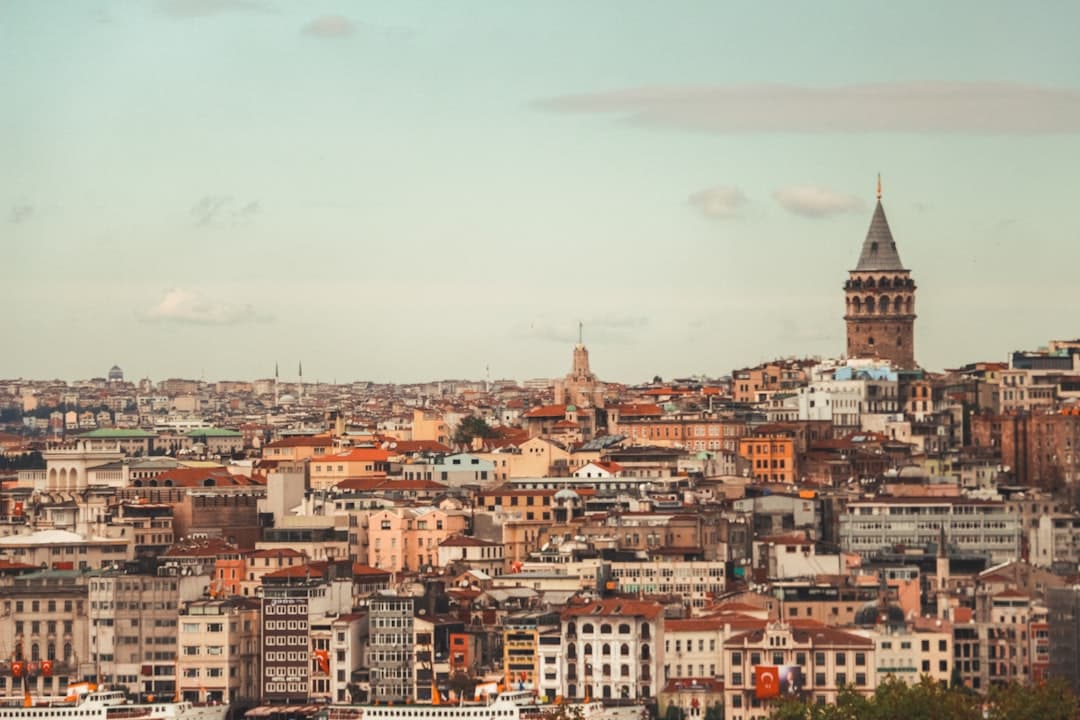
Kadıköy is Istanbul's most livable neighborhood — a dense, energetic district on the Asian shore of the Bosphorus that operates entirely on its own terms. While tourists pile into Sultanahmet and Beyoğlu across the water, the locals who actually call Istanbul home tend to gravitate here. It's a place with a strong political identity (historically left-leaning and secular), a serious food culture, and a street life that feels genuinely organic rather than performed for visitors. The ferry ride from Eminönü or Karaköy takes about 20 minutes and the crossing alone is half the point. The neighborhood rewards wandering. The Kadıköy Çarşısı — the covered market quarter — is a labyrinth of butchers, fishmongers, spice sellers, pickle shops, and meyhanes (traditional taverns) that could absorb hours. Moda, the quiet residential promontory to the south, is where you go to sit in a tea garden overlooking the sea and feel like you live here. Bahariye Caddesi is the pedestrianized main drag for shopping and people-watching. The weekly Saturday market on Yeldegirmeni draws some of the best street food you'll find anywhere in the city. The neighborhood is also thick with vinyl shops, secondhand bookstores, and independent coffee spots that have nothing to prove. Come hungry and come with time. Breakfast culture is taken seriously here — a full Turkish kahvaltı spread at one of the local spots is a legitimate reason to make the crossing. Evenings tip into meyhane territory: raki, cold meze, grilled fish, and the slow pace of a long meal. The neighborhood is entirely navigable on foot once you've crossed. Avoid the main Kadıköy square (Altıyol) during Friday evening rush if you want any kind of calm — but then again, the controlled chaos is part of the appeal.
Karaköy
Karaköy is a historic port neighborhood on the European side of Istanbul, sitting right where the Golden Horn meets the Bosphorus at the foot of the Galata Bridge. For centuries it functioned as the city's main commercial harbor — a gritty, working-class district of fishmongers, shipping agents, and hardware stores. Over the last decade or so it's undergone a remarkable transformation without losing its edge, becoming one of Istanbul's most compelling neighborhoods: a layered mix of the old maritime city and a genuinely exciting contemporary food and design scene. Walking through Karaköy means navigating a productive tension between old and new. On one block you'll find the ornate 19th-century Karaköy Passenger Terminal and the famous Galata Bridge, where generations of Istanbullus have fished from the railings at all hours. On the next you'll stumble into specialty coffee shops like Karaköy Güllüoğlu — the city's most celebrated baklava institution — sitting alongside independent galleries, boutique concept stores, and some of Istanbul's best new restaurants. The neighborhood rewards wandering: follow the tangle of streets uphill toward Galata Tower, duck into the covered market alleys around Kemeraltı Mosque, or simply sit at a waterfront tea garden and watch the ferries cut across the Bosphorus. Karaköy is best visited on foot and works well either as a destination in itself or as a base for exploring nearby Galata, Beyoğlu, and Tophane. The neighborhood is compact and extremely walkable, with excellent transit connections — ferries, trams, and the Tünel funicular all converge here. Avoid the Galata Bridge area immediately after large cruise ships dock, when tour groups overwhelm the waterfront. Early mornings are genuinely lovely: the fish market is active, the light on the water is extraordinary, and the baklava at Güllüoğlu is freshest.
Karen Blixen Museum
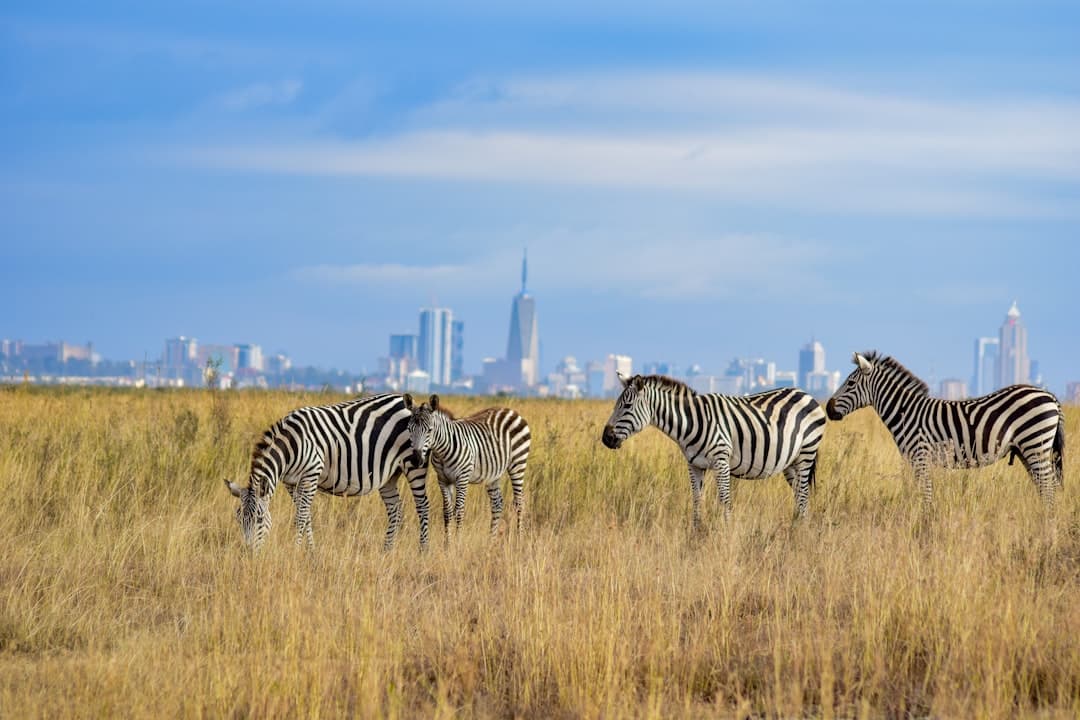
In 1914, Danish writer Karen Blixen arrived in what was then British East Africa and set up a coffee farm at the foot of the Ngong Hills, just outside Nairobi. She lived there for nearly two decades, and the story she eventually wrote about those years — Out of Africa, published in 1937 — became one of the most celebrated memoirs of the 20th century. The farmhouse she lived in is now a museum, managed by the National Museums of Kenya, and it's one of the most atmospheric historic sites in East Africa. You don't need to have read the book or seen the 1985 Sydney Pollack film to find it compelling — though both help. The house itself is a low, white-walled Cape Dutch-style building set in lush gardens, and touring it feels like stepping into a preserved moment in time. Many of the original furnishings are still in place — the china, the writing desk, the hunting trophies, the gramophone. The Danish government gifted some items back after restoration, and the result is genuinely evocative rather than sterile. Guided tours take you through the rooms where Blixen entertained, wrote, and managed the complicated social world of colonial Kenya. The surrounding grounds, with their mature trees and quiet lawns, are lovely to walk through after the house tour. The museum sits in the upscale Karen suburb of Nairobi, named after Blixen herself — the area was subdivided and sold after she left Kenya in 1931, and the new settlement took her name. It's about 18km from the city centre, which makes it a natural half-day excursion, often combined with a visit to the nearby Giraffe Centre or Daphne Sheldrick Wildlife Trust. Arrive early to beat tour groups, and budget time to linger in the gardens.
Kata Beach
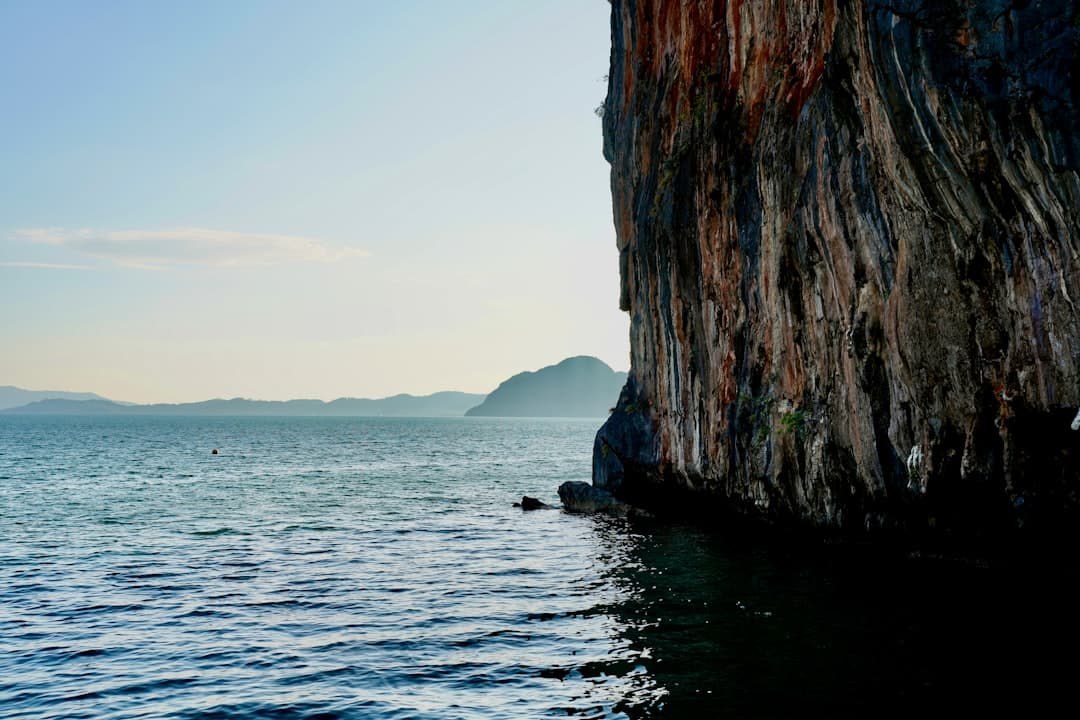
Kata Beach is a crescent of golden sand on Phuket's southwestern coast, about 17 kilometers from Phuket Town. It sits just south of the more crowded Karon Beach and north of the smaller, quieter Kata Noi. For decades it's been one of Phuket's most consistently popular stretches of coastline — not because it's the flashiest, but because it gets the balance right. The water is clear and swimmable for much of the year, the beach is wide enough to feel uncrowded even when busy, and the town behind it has genuine character: local restaurants, dive shops, surf schools, and a market that actually caters to residents as well as visitors. In practice, Kata is a beach where you can do a lot or nothing at all. From November through April, the Andaman Sea here is a vivid turquoise and nearly flat — ideal for swimming, snorkeling off the rocky headlands at either end of the bay, or renting a kayak. From May through October, the southwest monsoon kicks in and turns the surf up considerably, which is why Kata has become one of Phuket's main surf spots. Phuket Surf and other local schools set up along the beach during these months, and the waves, while not enormous by global standards, are genuinely fun for beginners and intermediate surfers. The view from the hilltop viewpoint above Kata — shared with Karon and Kata Noi — is one of the best panoramic shots in all of Phuket. Kata sits within the Karon subdistrict and has a slightly more relaxed energy than Patong to the north — there's nightlife here, but it's low-key rather than relentless. The main road running parallel to the beach, Taina Road, has everything you'd need: massage shops, seafood restaurants, 7-Elevens, tour operators. For a quieter version of the same vibe, Kata Noi is a ten-minute walk around the headland. Come early morning if you want the beach largely to yourself — by 10am the sunbeds are filling up, and by noon it's genuinely buzzing.
Katara Cultural Village
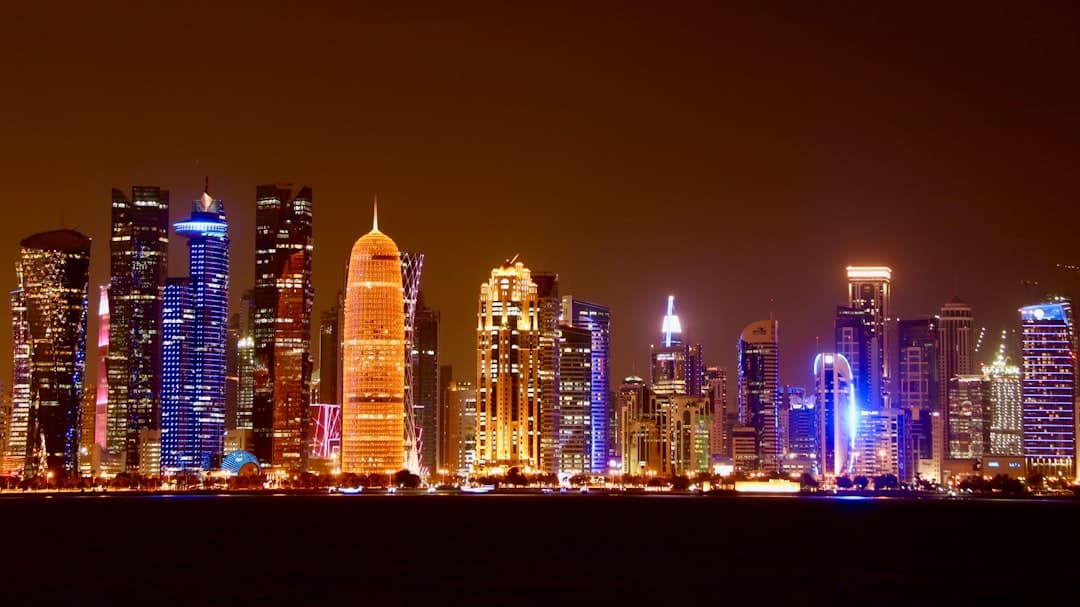
Katara Cultural Village is a sprawling open-air complex on Doha's West Bay Lagoon waterfront, purpose-built to celebrate Qatari heritage and position the country as a genuine cultural force in the Arab world. Opened in 2010 ahead of Qatar's rising global profile, it spans over one million square metres and blends traditional Qatari architecture — think carved wooden screens, ornate archways, and sandy-toned facades — with amphitheatres, galleries, mosques, and restaurants. It's not a museum, not a mall, not quite a neighbourhood; it's something Qatar invented for itself: a living cultural precinct designed for both locals and visitors. In practice, Katara rewards slow wandering. You might start at the golden-domed mosque near the beach, then drift past the ornate Byzantine-style Church (one of very few in Qatar, built in an unusual architectural mashup), into one of the contemporary art galleries, and out onto the beach itself — one of the few public beaches in Doha. The outdoor amphitheatre hosts everything from classical concerts to film screenings, and the village regularly stages major events including the Katara International Hunting and Falconry Festival and various film and music events. Restaurants line the promenade, ranging from high-end Qatari cuisine to international options with sea views. The venue is technically open around the clock but the real action happens in the evenings — especially October through March when the weather drops to something genuinely pleasant. Summer visits are best confined to early morning or after 9pm. During Ramadan, Katara transforms into one of Doha's most atmospheric night destinations, with late-night markets and a festive communal energy. Parking is free and plentiful; the complex is large enough that comfortable shoes are worth thinking about.
Kathmandu Durbar Square
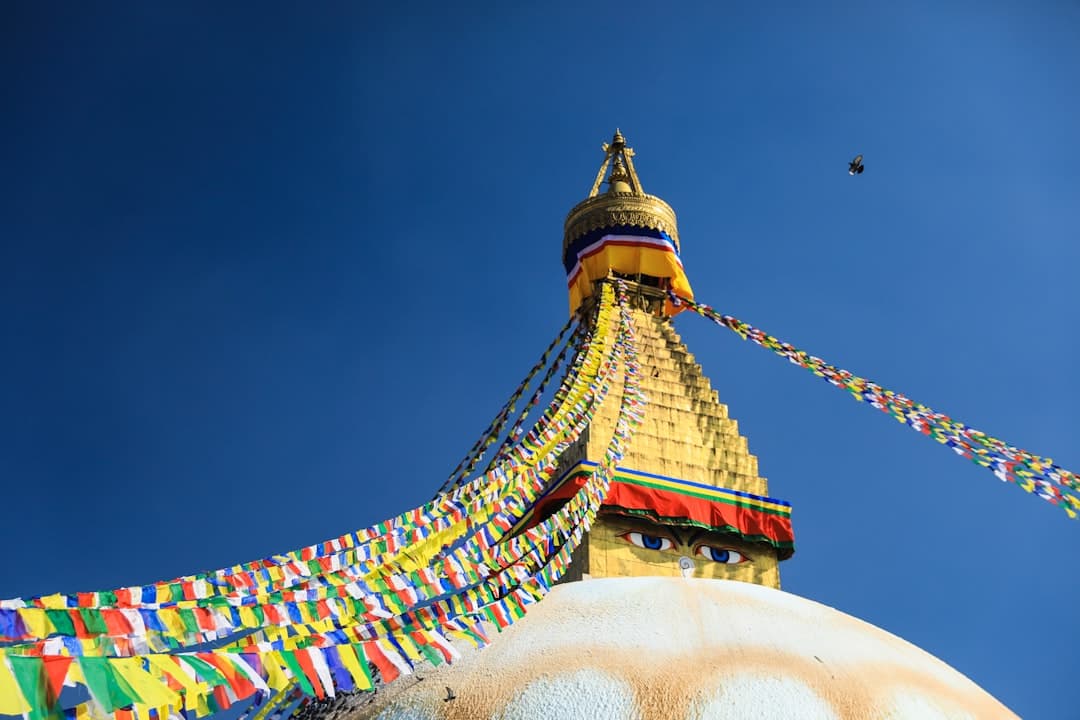
Kathmandu Durbar Square is the historic heart of the Nepali capital — a sprawling open-air complex of palaces, courtyards, and temples that served as the seat of the Malla kings who ruled the Kathmandu Valley from the 12th to 18th centuries. After the Shah dynasty unified Nepal, the square remained a ceremonial and religious focal point, and it still functions that way today. UNESCO recognized it as a World Heritage Site in 1979, though the catastrophic 2015 Gorkha earthquake caused serious damage to several structures, including the famous nine-story Basantapur Tower. Reconstruction is ongoing, which means what you see today is partly a work in progress — and a testament to how much Nepalis care about preserving what's theirs. Walking through the square means threading between vendors, pigeons, and pilgrims while trying to take in dozens of structures at once. The Kumari Ghar — a 18th-century carved wooden palace — is home to the Kumari, a living goddess selected as a young girl and worshipped until she reaches puberty. If you're patient and respectful, she occasionally appears at the latticed window above the inner courtyard. The Taleju Temple, dedicated to the royal deity of the Malla kings, is only open to Hindus, but its tiered pagoda silhouette is unmistakable from anywhere in the square. The Kasthamandap, the pavilion that gave Kathmandu its name, was destroyed in 2015 and rebuilt by 2021 — a remarkable community effort. Entry to the square costs a fee for foreign visitors — around $15 USD as of recent years — which is collected at the perimeter. Keep your ticket; it's valid for multiple days within a short window. The best time to explore is early morning before the square fills up and the haze settles in. Hire a local guide rather than relying solely on signs; most of the best stories — about which king built what and why — aren't written anywhere on-site. The square bleeds into the surrounding Thamel-adjacent old city lanes, so budget time to wander into Freak Street and the Indra Chowk market area afterward.
Katz's Delicatessen
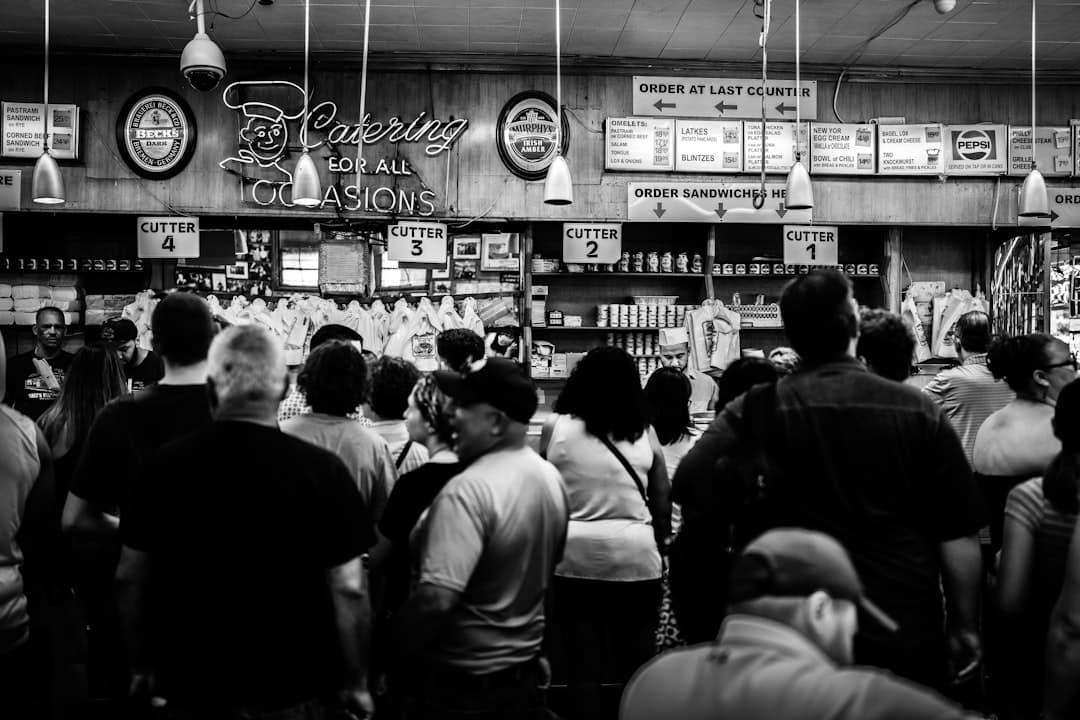
Katz's Delicatessen is a New York institution that has been feeding the Lower East Side since 1888, making it one of the oldest continuously operating delis in the United States. It's a cavernous, fluorescent-lit cafeteria-style Jewish deli where the pastrami and corned beef are cured and smoked in-house, hand-sliced to order, and piled so high on rye bread that the sandwiches become almost architectural. This is not a trend, not a revival, not a homage — it's the original article, and the lines of locals and visitors who pack the place every day are a testament to that. When you walk in, a cashier hands you a ticket — guard it with your life, because you'll need it when you pay. You grab a tray and queue at one of the carving stations, where the counter guys will often hand you a slice of pastrami or corned beef to try while they're cutting. Order a full sandwich and a Dr. Brown's cream soda, find a table (there's a good chance you'll share one with strangers), and dig in. The room is loud, the décor is decades of accumulated nostalgia, and yes, there's a sign hanging from the ceiling marking the table where Meg Ryan filmed the famous scene in When Harry Met Sally. That table is real, and people still fight over it. Katz's does not take reservations, and the line during lunch on a weekend can be daunting — but it moves faster than it looks. Go early on a weekday if you want relative calm. The sandwiches are expensive by any normal measure, around $25 or more for the pastrami, but they're enormous — one sandwich easily feeds two if you're not ravenous. Cash is accepted, as are cards, but many regulars tip their carver directly for a more generous cut.
Kawarau Gorge Suspension Bridge
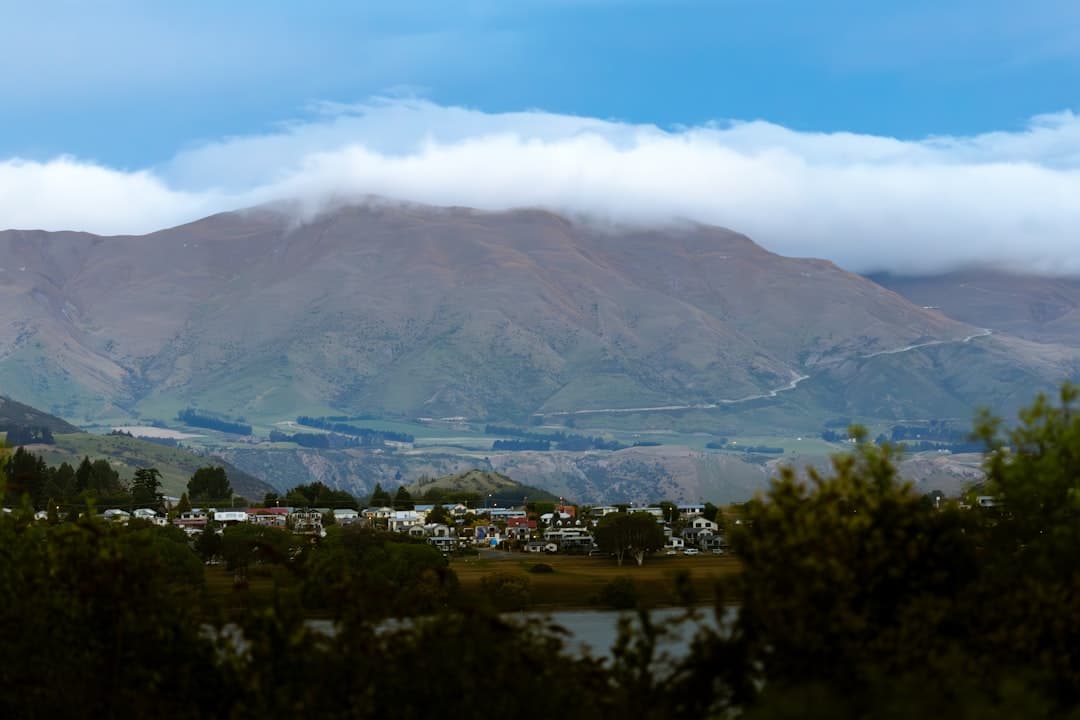
The Kawarau Gorge Suspension Bridge is a historic 1880s wire-rope bridge spanning the vivid turquoise waters of the Kawarau River, about 23 kilometres east of Queenstown. It's the site where AJ Hackett and Henry van Asch launched the world's first commercial bungee jump in 1988, turning a remote piece of gold-rush infrastructure into one of New Zealand's most recognisable adventure landmarks. Even if you have no intention of jumping, this place earns a visit for its history, its setting, and the sheer spectacle of watching other people hurl themselves off a 43-metre bridge above one of the South Island's most beautiful rivers. The bridge itself is open to walk across for free, which gives you a close-up view of the gorge and the river below — that colour, a product of glacial silt and mineral content, genuinely stops people in their tracks. The main draw for most visitors is the bungee operation run by AJ Hackett Bungy, where you can jump solo, tandem, or watch from the viewing platform and the glass-fronted bungy centre below. Jumpers have the option of being dunked into the river at the bottom, which has become something of a Kawarau signature. The site also includes a small museum charting the history of bungee jumping, an obligatory merchandise shop, and a café. If you're not jumping, arrive in the mid-morning when light hits the gorge well and jumpers are going regularly — there's enough activity to make it genuinely entertaining as a spectator experience. The Queenstown Trail cycling and walking route also passes through here, so it integrates naturally into a half-day along the gorge. Parking is free on site. The 24-hour access listed applies to the bridge itself; the bungy operation has its own opening hours and requires advance booking.