
All Places
1,073 places around the world
1,073 places · page 18 of 45
Hyde Park
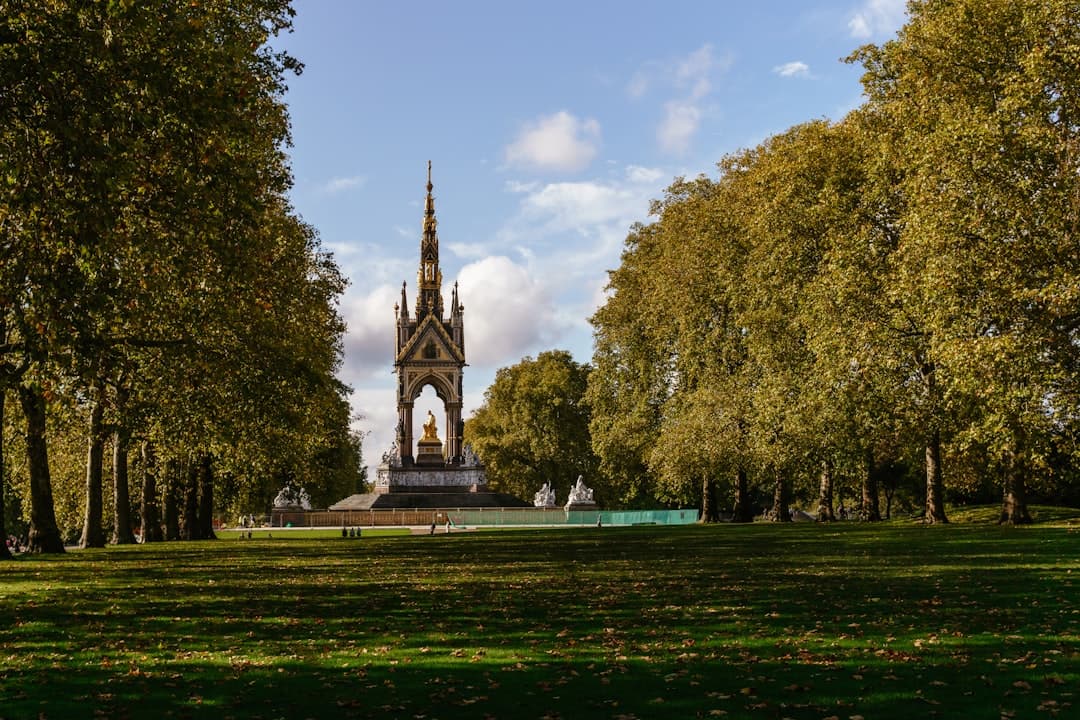
Hyde Park is one of London's eight Royal Parks and one of the largest green spaces in any major European capital. Originally a royal hunting ground seized by Henry VIII from the monks of Westminster Abbey in 1536, it was opened to the public in the early 17th century and has been a beloved fixture of London life ever since. At roughly 350 acres, it sits in the heart of the West End, bordered by Mayfair, Knightsbridge, Bayswater and Kensington, and it flows seamlessly into Kensington Gardens to the west, effectively doubling the green space available to anyone who wanders through. The park offers something genuinely different depending on how you show up. The Serpentine — a 40-acre lake created in 1730 — is the centrepiece: you can hire a pedalo or rowboat, swim at the Lido on the south bank (one of London's few open-water swimming spots), or just sit on the grass and watch the city decompress around you. Speakers' Corner at the northeast corner near Marble Arch has hosted public debate and free speech since the 19th century, and still draws orators and hecklers on Sunday mornings. The Diana Memorial Fountain, the Rose Garden, and the grand tree-lined avenues give the park an almost formal beauty, while the wide open lawns are routinely taken over by cyclists, footballers, sunbathers and dog walkers. The park is free to enter and open almost all day, every day. Hyde Park also hosts some of London's biggest outdoor concerts — British Summer Time has brought the likes of Taylor Swift and the Rolling Stones to the Great Oak Stage in recent years — so check the calendar before you visit in summer, as large portions of the park get fenced off during festival season. The Serpentine Galleries, split across two buildings on either side of the Serpentine Bridge, are worth a detour for contemporary art lovers and are free to enter.

ICON Park
ICON Park is an open-air entertainment complex on International Drive — the busy commercial spine that runs through the tourist heart of Orlando. It's not a theme park in the traditional sense; there are no ride queues requiring a day ticket. Instead, it's a walkable district of restaurants, bars, shops, and standalone attractions clustered around the Wheel at ICON Park, a 400-foot-tall observation wheel that has become one of the most recognizable features of the Orlando skyline. Think of it as a lively boardwalk-style destination where you pick and choose your own experience. The Wheel is the obvious anchor, offering air-conditioned gondola cabins with sweeping views across Orlando — on a clear day you can see the Disney resort in the distance. Beyond that, ICON Park is home to a range of ticketed attractions including SEA LIFE Orlando Aquarium, Madame Tussauds Orlando, Museum of Illusions, and several thrill-based experiences like a drop tower (the Orlando Free Fall, now rebranded after a 2022 tragedy) and a slingshot ride. The dining scene runs the gamut from quick bites to full sit-down restaurants, with options for every appetite and budget lining the pedestrian walkways. The complex is free to enter — you only pay for the individual attractions or restaurants you choose — which makes it easy to visit casually for a drink and a stroll or to build a full afternoon around multiple ticketed experiences. Evening is when ICON Park really comes alive: the Wheel lights up, the bars fill out, and the energy shifts to something genuinely festive. Parking is available on-site but traffic on I-Drive can be brutal, especially on weekends; rideshare drop-off is the path of least resistance.
Imerovigli
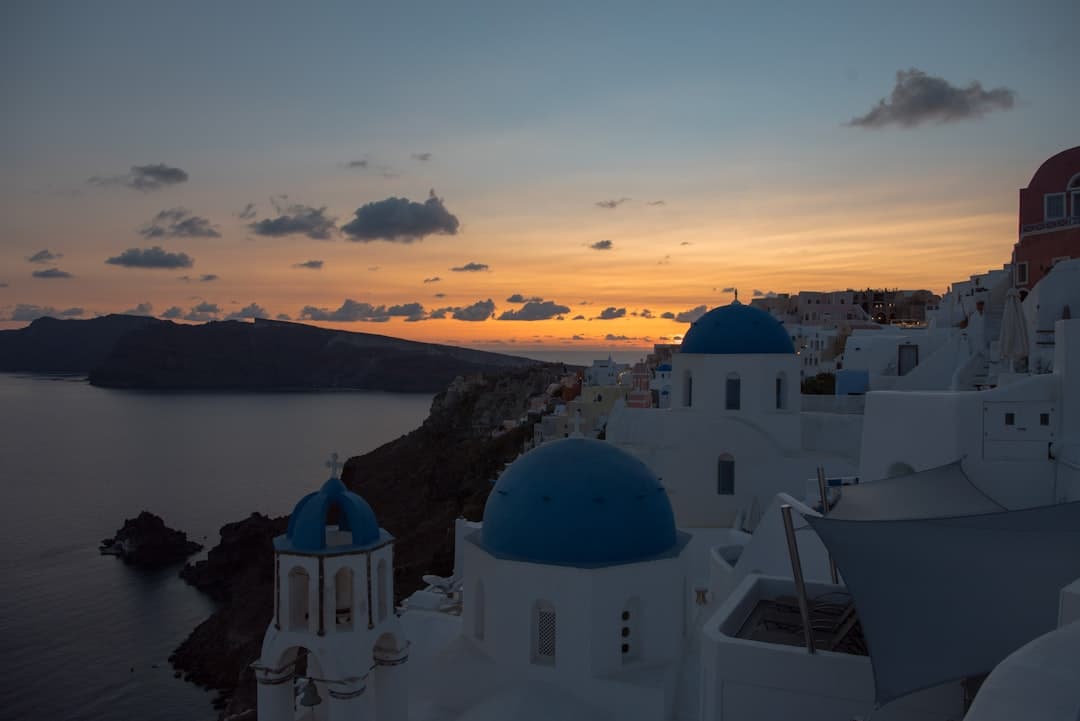
Imerovigli is a small clifftop village sitting at the highest point of Santorini's caldera rim, roughly midway between the island's two most famous settlements — the party-centric Fira and the photogenic Oia. Often overlooked by day-trippers who shuttle between those two, Imerovigli has quietly built a reputation as the most serene and elevated spot on the island, offering unobstructed views across the volcanic caldera to the islands of Thirasia and Nea Kameni below. The name translates roughly to 'day watch' in Greek, a nod to the village's historic role as a lookout point — and standing on its narrow walkways above the sea, it's easy to see why. The experience here is largely about being rather than doing. You walk the caldera-edge path, which connects to both Fira to the south and Oia to the north, pausing constantly because the view simply demands it. Skaros Rock — a dramatic volcanic promontory that juts out from the cliff below the village — is the area's defining landmark, and a trail winds down and around it for those who want a bit of a scramble with their scenery. The village itself is tiny: a cluster of whitewashed cave houses and boutique hotels carved into the cliff, a handful of restaurants with caldera-facing terraces, and a windmill or two. There's no beach, no main square, no nightlife. That's entirely the point. Practically speaking, Imerovigli is best reached on foot from Fira (about 45 minutes along the cliff path) or by bus or taxi if you're coming from further afield. Staying here rather than in Oia or Fira is the move for honeymooners and anyone who values silence over convenience — cave suite hotels like Astra Suites and Chromata have earned devoted followings. If you're just visiting for the views and the walk, come in the late afternoon when the light turns golden on the caldera and the day-trip crowds have thinned considerably.
Imperial Palace East Gardens
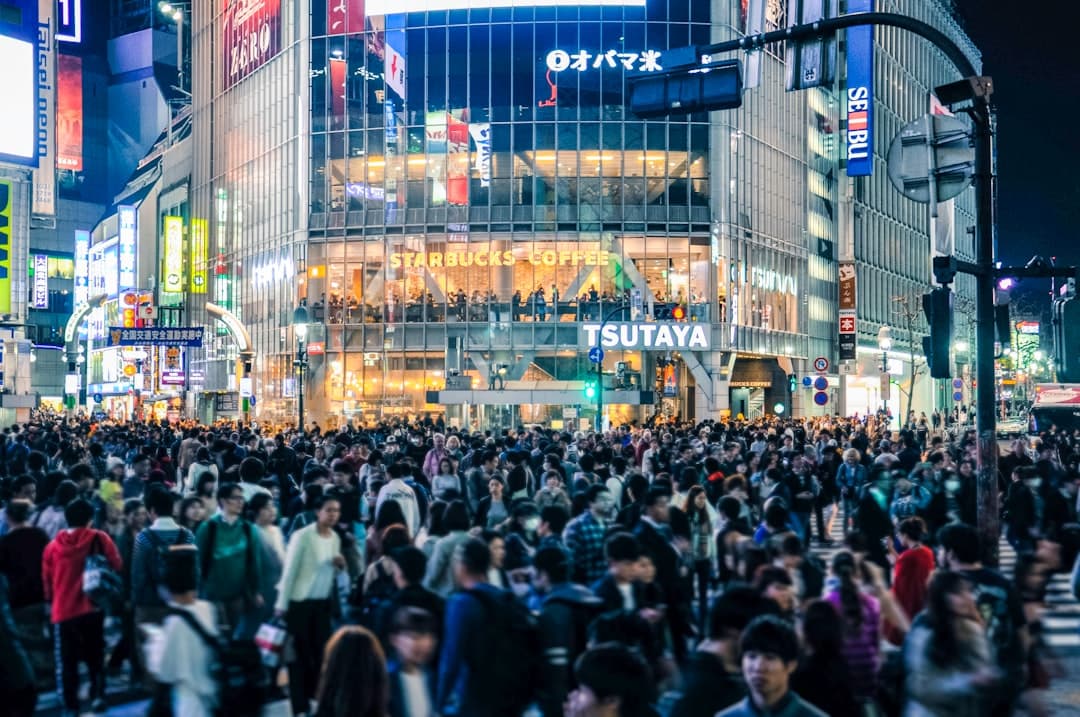
The Imperial Palace East Gardens sit on the former site of Edo Castle's innermost enclosure — the honmaru and ninomaru — which for centuries was the fortress-citadel of the Tokugawa shoguns before becoming the imperial residence. When the Imperial Household Agency opened this portion of the grounds to the public in 1968, it gave Tokyo residents and visitors something genuinely rare: free access to land that had been off-limits since the feudal era. The gardens are small by Tokyo standards but enormous in historical weight. Walking through the Otemon or Hirakawamon gates, you move past the stone foundations of what were once the castle's keeps — the giant platform where the main tower stood until it burned in 1657 was never rebuilt, and today the bare stonework is one of the most evocative ruins in Japan. Beyond that, the gardens open into a mix of traditional Japanese plantings, a formal lawn, seasonal flower beds, and quiet wooded corners. The Sannomaru Shozokan, a small museum within the grounds, holds rotating exhibitions of imperial art and crafts. Spring brings plum and cherry blossoms, June explodes with iris in the ninomaru garden, and autumn turns the trees gold around the old moats. Entry is free, and no reservation is needed — you collect a numbered token at the gate and return it on the way out, a charming and practical system that manages visitor flow without ticketing. The gardens are closed Monday and Friday, a detail that trips up many visitors who plan around a weekend trip. Come on a weekday morning if you can: the crowds thin out considerably, the light is better for photography, and you'll actually be able to hear the birds.
Independence Hall
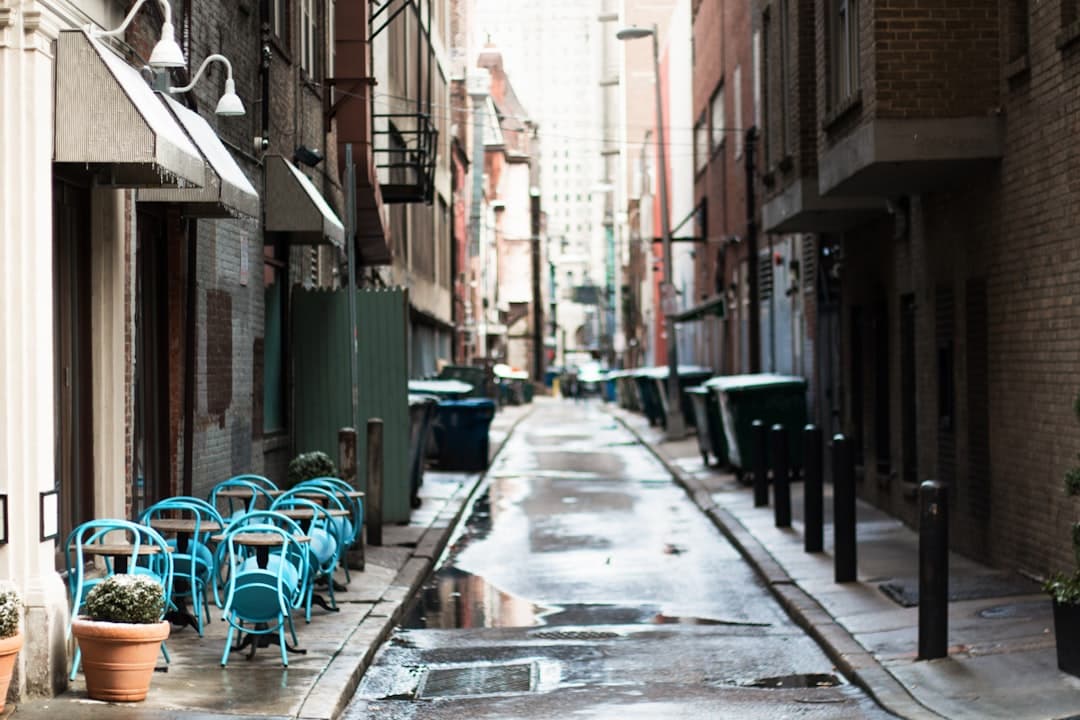
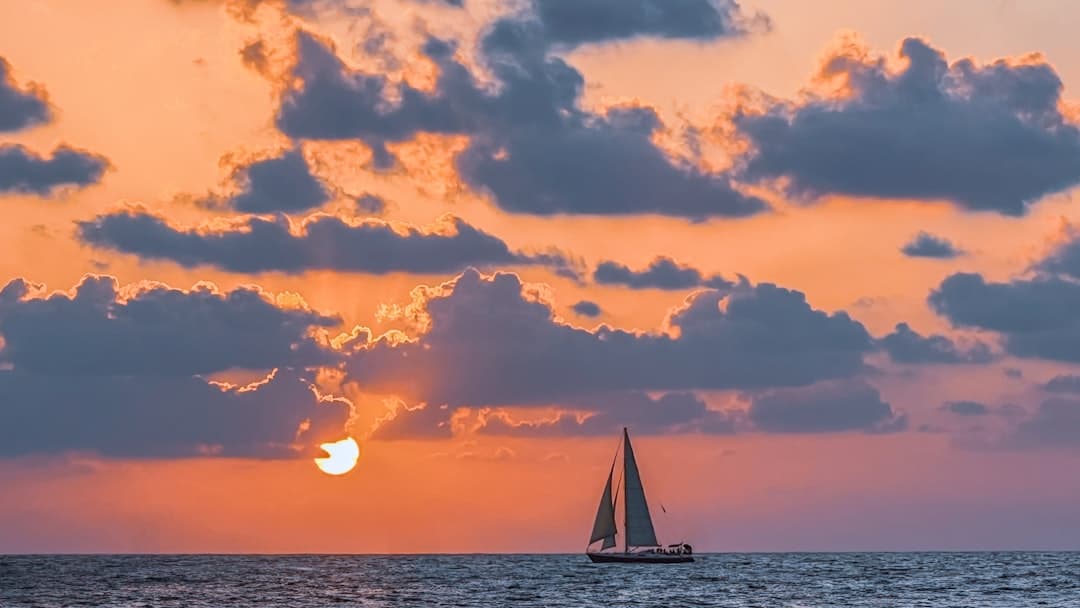
Independence Hall is the redbrick Georgian building in the heart of Old City Philadelphia where two of the most consequential documents in American history were debated and signed: the Declaration of Independence in 1776 and the U.S. Constitution in 1787. What happened inside this building fundamentally changed the course of world history — the ideas hammered out in its Assembly Room gave birth to a new kind of nation built on democratic self-governance. It's now a UNESCO World Heritage Site and the centerpiece of Independence National Historical Park. Visitors enter on a timed tour led by a National Park Service ranger, which is the only way to access the interior. The tour takes you through the Assembly Room — the actual chamber where delegates argued, compromised, and ultimately signed — with its original Windsor chairs and the iconic Rising Sun chair where George Washington presided over the Constitutional Convention. You'll also see the Pennsylvania Supreme Court Chamber and learn how the building functioned as the seat of colonial Pennsylvania's government long before it became the birthplace of a republic. The rangers are genuinely good; this isn't a rote recitation, it's a real history lesson. Timed entry passes are required from roughly March through December and should be reserved in advance through the official website — they're free, but they do run out, especially on summer weekends. Arrive a few minutes early to clear security. The building sits within a pedestrian mall flanked by other significant sites — the Liberty Bell Center is directly across Chestnut Street and takes another 30–45 minutes — so budget at least a half morning for the full Independence Mall experience. Skip the gift shop and walk a block north to Franklin Court instead, one of the most underrated stops in the park.
Independence Hall
On May 14, 1948, David Ben-Gurion stood in this modest hall on Rothschild Boulevard and read aloud the Israeli Declaration of Independence, bringing the State of Israel into existence. The building, originally constructed in 1910 as a private home for Meir Dizengoff — Tel Aviv's first mayor — later became the Tel Aviv Museum of Art before its historic moment of world-changing purpose. Today it operates as a museum dedicated to that single extraordinary event, preserved and presented so visitors can understand exactly what happened here and why it mattered. The experience is intimate and focused. The hall itself is small — almost surprisingly so — with original period furniture, portraits of Zionist leaders lining the walls, and a reconstruction of the scene as it appeared on Declaration Day. You'll see Ben-Gurion's podium, the long table where signatories sat, and the famous portrait of Theodor Herzl watching over proceedings. The museum layers in archival photographs, documents, and audio so you can hear the actual radio broadcast of the declaration being read. It doesn't take long to tour, but the weight of the place rewards slow attention. The museum sits right on Rothschild Boulevard, one of Tel Aviv's most beautiful tree-lined promenades, which makes the visit easy to combine with a longer walk through the neighborhood. Arrive early or on a weekday to avoid school groups, which can make the small hall feel crowded. Guided tours are available and genuinely add context — the stories behind who was in the room and who wasn't are as interesting as the event itself.
India Gate
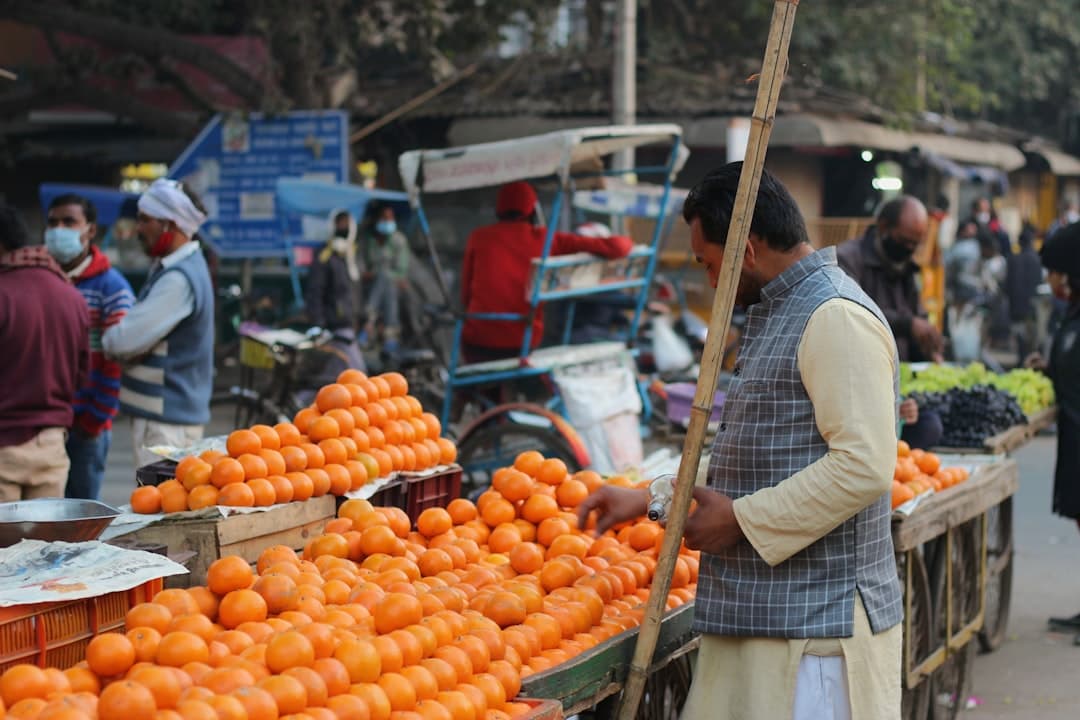
India Gate is a 42-metre-tall stone arch standing at the eastern end of Kartavya Path (formerly Rajpath), the grand ceremonial boulevard that runs through the heart of New Delhi. Built in 1931 and designed by Edwin Lutyens — the same British architect who shaped much of the colonial-era capital — it was originally called the All India War Memorial and commemorates the 84,000 Indian soldiers who died serving in the British Indian Army during World War I and the Third Anglo-Afghan War. The names of more than 13,000 soldiers are inscribed on its walls. Beneath the arch burns Amar Jawan Jyoti, an eternal flame that has long honored India's fallen soldiers. The monument sits at the center of a vast circular intersection flanked by green lawns and a reflecting pool, and the entire composition — arch, lawn, boulevard — is one of the most recognizable urban set-pieces in Asia. Most visitors come to walk the lawns, take in the scale of the structure up close, and soak in the atmosphere. In the evenings especially, the monument is beautifully lit, and the broad lawns fill with families, vendors selling ice cream and snacks, children flying kites, and couples out for a stroll. It functions as both a place of solemn remembrance and one of Delhi's great public parks. Looking back west from India Gate toward the Rashtrapati Bhavan (the Presidential Palace) at the other end of Kartavya Path is one of the great urban vistas in India — nearly two kilometres of tree-lined boulevard with the domed palace anchoring the far end. There's no entry fee and no ticket required. The canopy behind India Gate — a stone baldachin — once held a statue of King George V, which was removed after independence; it now stands empty, a quietly pointed reminder of changed times. Come in the late afternoon to catch the golden hour light on the sandstone, then stay for the illuminated evening atmosphere. Street food vendors set up along the periphery, and the nearby National War Memorial (opened in 2019, just behind India Gate) is absolutely worth a visit as a continuation of the experience.
Insadong
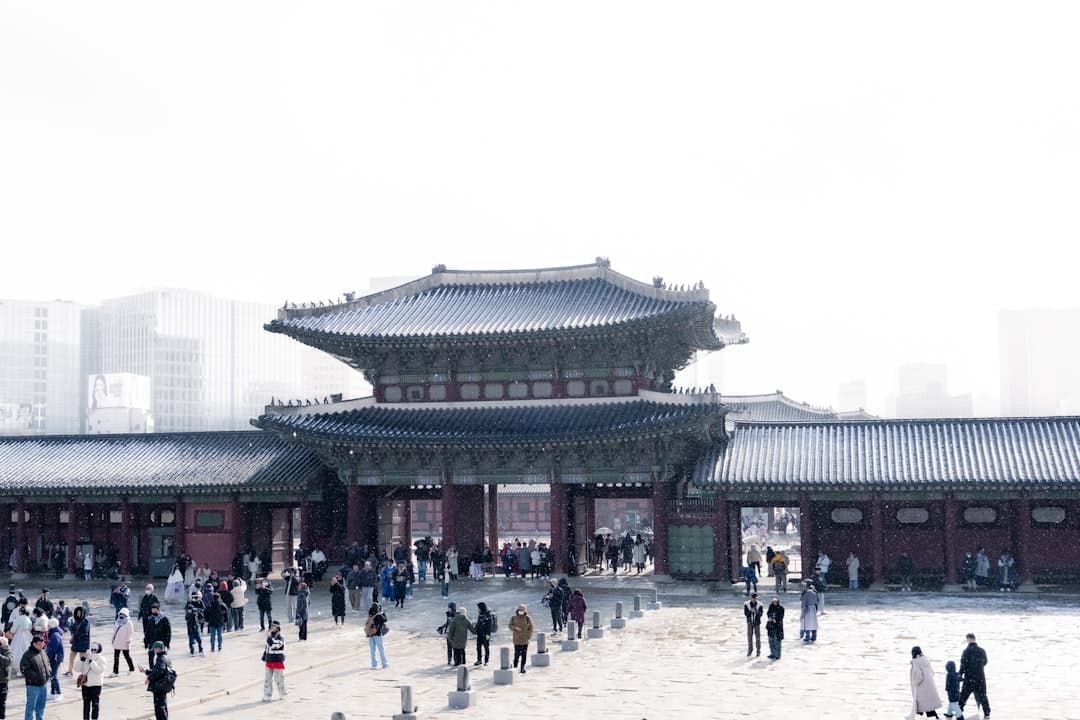
Insadong is a narrow, winding street and surrounding alleyways in the heart of Seoul that has served as the city's cultural and artistic hub for centuries. During the Joseon Dynasty, court painters and scholars lived and worked here, and that creative energy never fully left. Today it's one of the few places in Seoul where you can find traditional Korean crafts, antiques, art galleries, and teahouses all packed into a few walkable blocks — a genuine counterweight to the city's relentless modernization. Walking Insadong means ducking into Ssamziegil, the beloved open-air shopping courtyard where indie designers and local artists sell handmade goods in small stalls spiraling up around a central atrium. It means browsing hanji (traditional Korean paper) shops, stopping at pojangmacha (street food stalls) for hotteok (sweet pancakes filled with brown sugar and nuts), and exploring the covered arcade of Insadong-gil proper. Galleries large and small line the side streets, showing everything from classical ink paintings to contemporary Korean photography. The whole area is compact enough to wander without a map and rewarding enough that you'll want to. The street is busiest on weekends when it becomes semi-pedestrianized and street performers and craft markets take over. Weekday mornings are calmer and better for the gallery-hopping and antique shops. Skip the touristy souvenir traps on the main drag and head into the alleyways — Insadong-gil 12-gil in particular — where the more authentic shops and teahouses tend to cluster. Bring cash, as many smaller vendors don't accept cards.
Intrepid Sea, Air & Space Museum
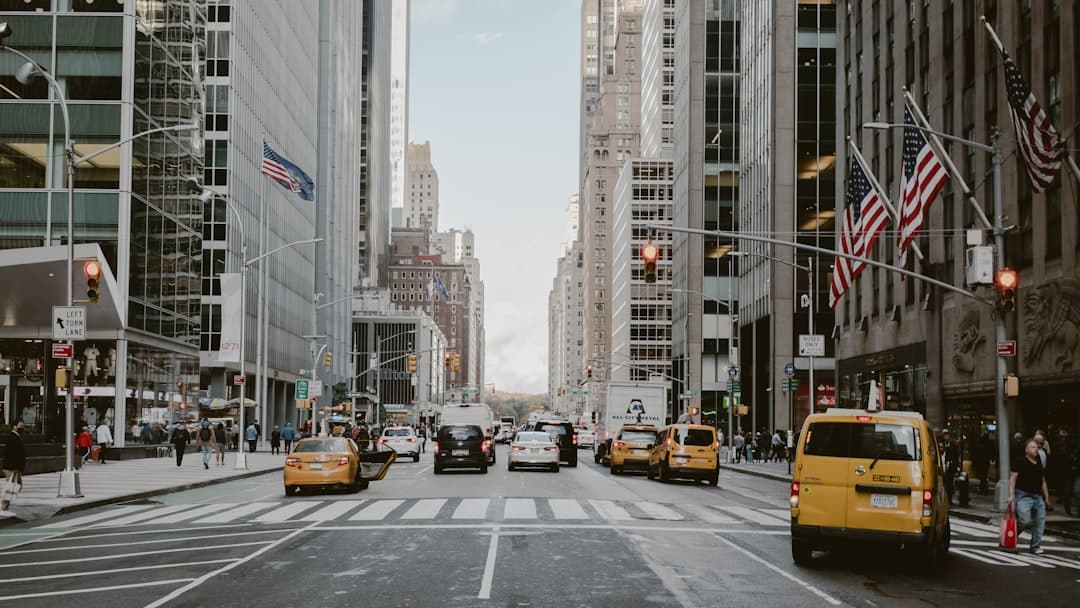
The Intrepid Sea, Air & Space Museum is built around one of the most storied ships in American naval history — the USS Intrepid, an Essex-class aircraft carrier that survived kamikaze attacks in World War II, recovered NASA astronauts, and served through the Cold War before being decommissioned in 1974. Today it's moored permanently at Pier 86 on the Hudson River in Midtown Manhattan, and it's one of the few places in the world where you can walk the actual flight deck of a warship that saw real combat. The experience is genuinely impressive in scale. The flight deck alone is almost three football fields long and lined with historic aircraft, including a Lockheed A-12 Blackbird — the fastest air-breathing plane ever built — and a British Airways Concorde that you can board and walk through. Below decks, you move through the ship's original hangar bay, now filled with more aircraft and interactive exhibits covering naval aviation, space exploration, and the ship's own history. The adjacent flight deck houses the Space Shuttle Pavilion, where the Enterprise — a prototype orbiter — sits under a dedicated structure. A decommissioned Growler submarine is also moored alongside and can be toured separately. Buy tickets online in advance, especially on weekends or during school holidays — lines can be long and prices are steep (around $36 for adults as of recent years, more with add-ons). The Concorde and submarine tours often cost extra. Arrive early and give yourself at least half a day; most people underestimate how much there is to see. The location on the West Side near Hell's Kitchen means it's easy to combine with a Hudson River walk or a post-visit meal in the neighbourhood.
Ipanema Beach
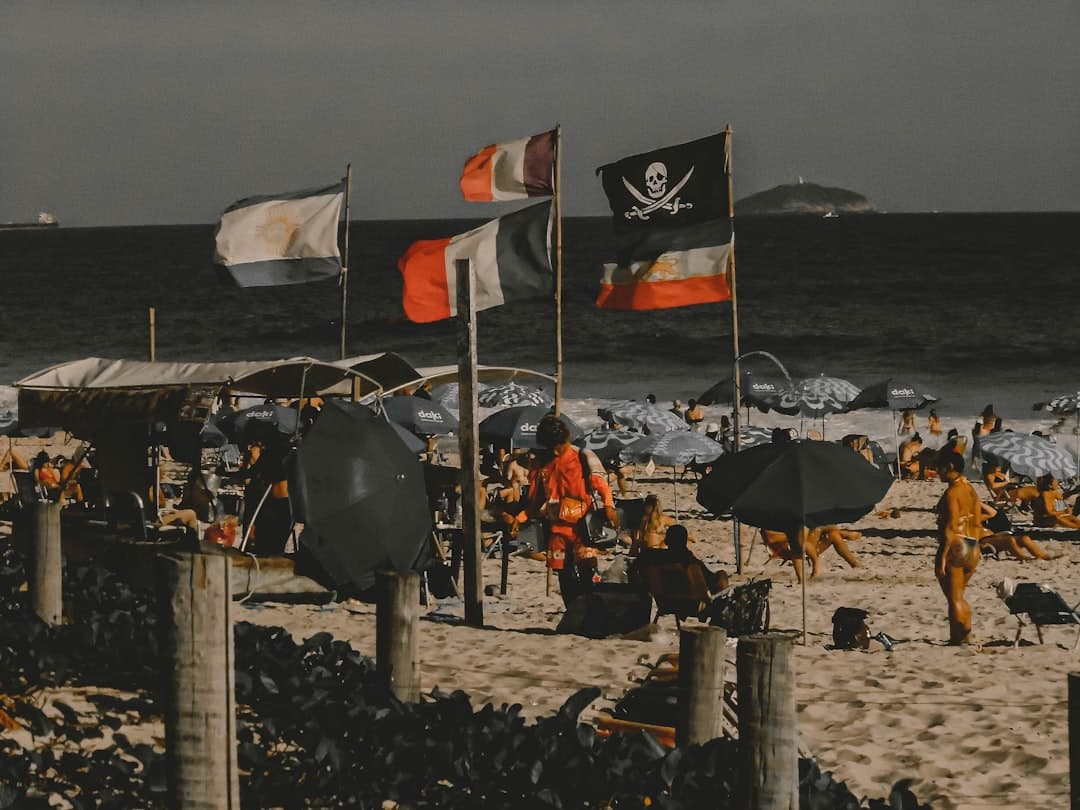
Ipanema Beach is a two-kilometre arc of white sand on Rio de Janeiro's South Zone, framed by the twin peaks of Dois Irmãos at its western end and the Arpoador rocks to the east. It became famous worldwide through the 1964 bossa nova song 'The Girl from Ipanema,' written by Antônio Carlos Jobim and Vinicius de Moraes about a woman who walked past their regular bar, and the neighbourhood has been synonymous with a certain kind of effortless, sun-soaked cool ever since. Today it's one of the most visited beaches on earth, but it earns the reputation — the setting genuinely is beautiful, the social energy is real, and the neighbourhood behind it is one of Rio's most interesting places to eat and wander. On the beach itself, the scene is intensely social. Cariocas — Rio's locals — treat Ipanema as an extension of their living room, and each section of the sand has its own unofficial crowd: the area near Posto 8 draws a young, fashionable set, while Posto 9 has long been known as a gathering spot for Rio's LGBTQ+ community. You'll find vendors walking the shore selling coconut water, mate tea, and queijo coalho (grilled cheese on a skewer) — eating and drinking on the sand is very much part of the ritual. In the late afternoon, people gather near Arpoador to watch the sunset and applaud when the sun drops behind Dois Irmãos, a lovely Carioca tradition. The beach runs parallel to two main streets — Avenida Vieira Souto (oceanfront) and Rua Visconde de Pirajá (one block back, where most of the shops and restaurants are). The neighbourhood is walkable and well-served by public transport. Petty theft is a real concern, as at most Brazilian beaches — go light on valuables, and if you want to swim, have someone watch your things or use one of the beach kiosks. Early morning and late afternoon are the most photogenic times; midday in summer is genuinely punishing heat.
Isabella Stewart Gardner Museum
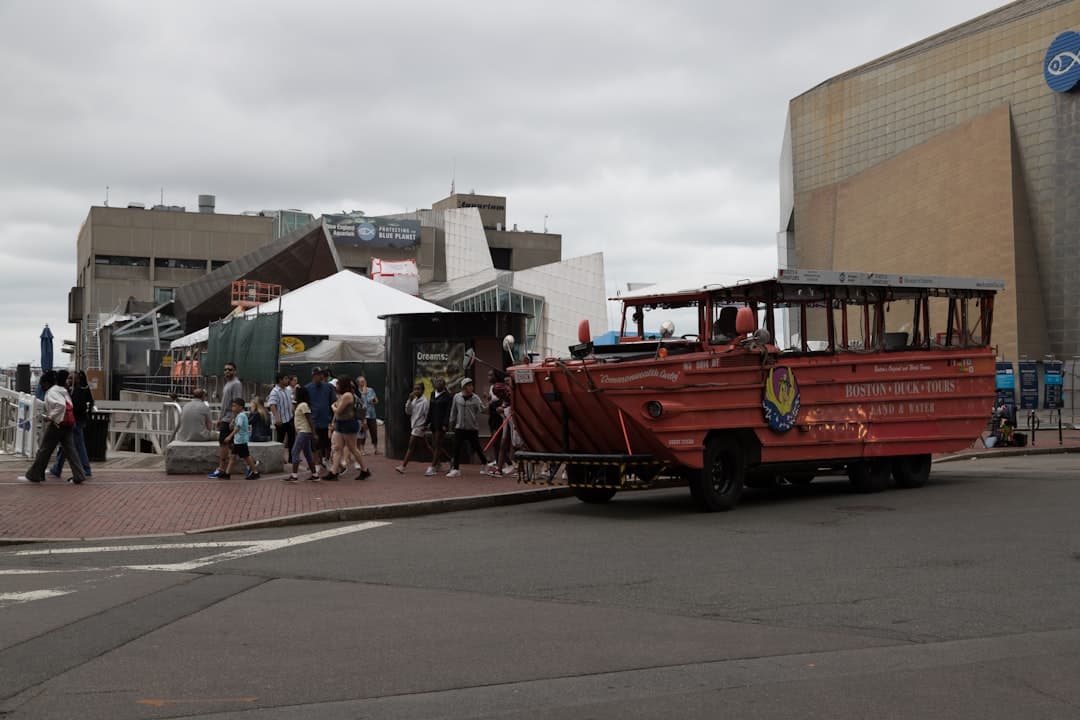
The Isabella Stewart Gardner Museum is a one-of-a-kind art museum in Boston built around the personal collection and vision of a single extraordinary woman. Isabella Stewart Gardner was a wealthy Boston socialite and passionate art collector who spent decades acquiring masterpieces from Europe — Titian, Rembrandt, Botticelli, Vermeer, Sargent — then arranged them herself inside a purpose-built Venetian-style palazzo that she designed as a total work of art. She left strict instructions in her will that nothing could ever be moved, sold, or changed, which means you're walking through a museum that has looked essentially the same since she died in 1924. There's nothing quite like it in America. The experience is genuinely unlike any other museum visit. The building itself — a courtyard palace with a lush central garden open to the sky — is as much the attraction as the paintings. Galleries feel like rooms in a grand private home, with artworks hung floor to ceiling in arrangements that prioritize beauty and personal taste over chronology or curatorial logic. You might find a Raphael next to a Persian carpet next to a Roman mosaic. The famous Titian Room contains some of the greatest paintings in the Western hemisphere. There's also a permanent reminder of the museum's strangest chapter: in 1990, two men disguised as police officers pulled off the largest art theft in history here, stealing 13 works including a Vermeer and a Rembrandt. The empty frames still hang exactly where the paintings once did — per Isabella's rules, nothing can be moved. The museum sits in the Fenway neighborhood near the Museum of Fine Arts, and the two make a natural pairing for a full day of art. Thursday evenings the Gardner stays open until 9pm, often with live chamber music in the courtyard — one of Boston's most quietly magical experiences. The 2012 Renzo Piano-designed new wing added a cafe, a concert hall, and temporary exhibition space, but the heart of the museum remains the palazzo Isabella built for herself. Entry is discounted if your name happens to be Isabella — a quirk she wrote into the terms herself.
Islamic Arts Museum Malaysia
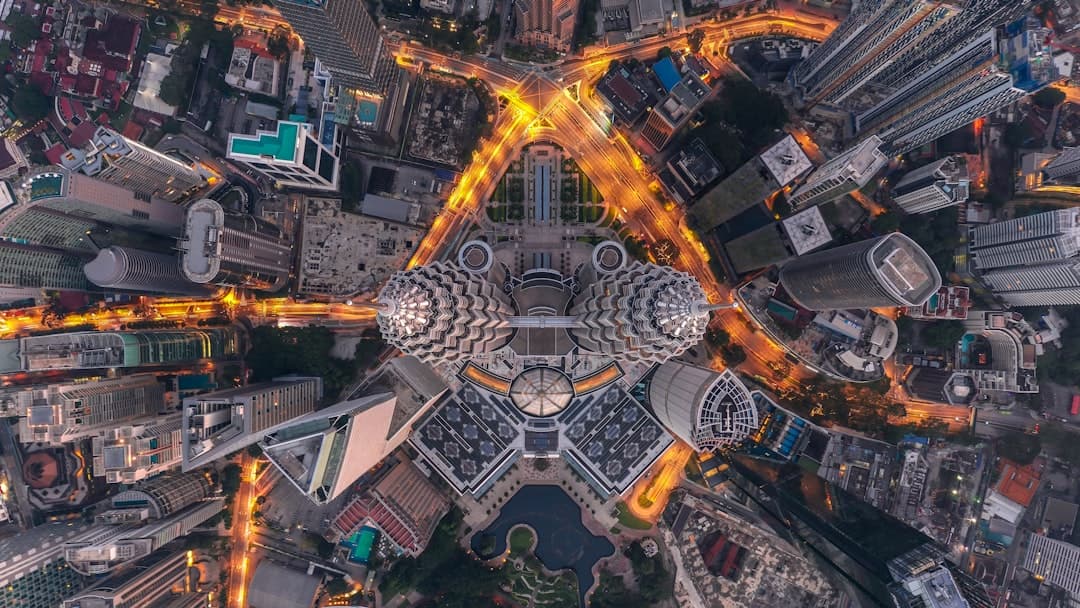
The Islamic Arts Museum Malaysia is one of the finest museums of its kind anywhere on earth, holding a permanent collection of around 7,000 artefacts spanning 14 centuries and a geography that stretches from Spain to Southeast Asia. Opened in 1998 and funded by the Malaysian government, it sits in the leafy Perdana Botanical Garden precinct, a short walk from the National Mosque, and it makes a serious case for Islamic art and architecture as one of history's great creative traditions — not a niche interest, but a civilisational achievement worth understanding on its own terms. The collection is spread across a dozen galleries on multiple floors and it rewards slow, attentive wandering. You'll move through rooms dedicated to Quranic manuscripts with illuminated pages of astonishing delicacy, then into galleries of Ottoman textiles, Mughal jewellery, Chinese mosque architecture models, and Indian decorative arts. The centrepiece is a series of architectural scale models — entire mosques from Turkey, Iran, and India reproduced in extraordinary detail — that give you a spatial sense of Islamic architecture you simply can't get from photographs. The museum's own building is worth examining: the domed interior galleries are faced in hand-laid geometric tilework and inscribed calligraphy, so the building itself becomes part of the exhibit. Admission is very reasonable by international museum standards — there's a small entrance fee, with reductions for children and students. The on-site restaurant, Ilham, serves Middle Eastern and Malay food under a gorgeous domed ceiling and is worth factoring into your visit rather than treating as an afterthought. Arrive when it opens to get the galleries to yourself; by mid-morning tour groups can fill the more famous rooms.
Islamic Cairo
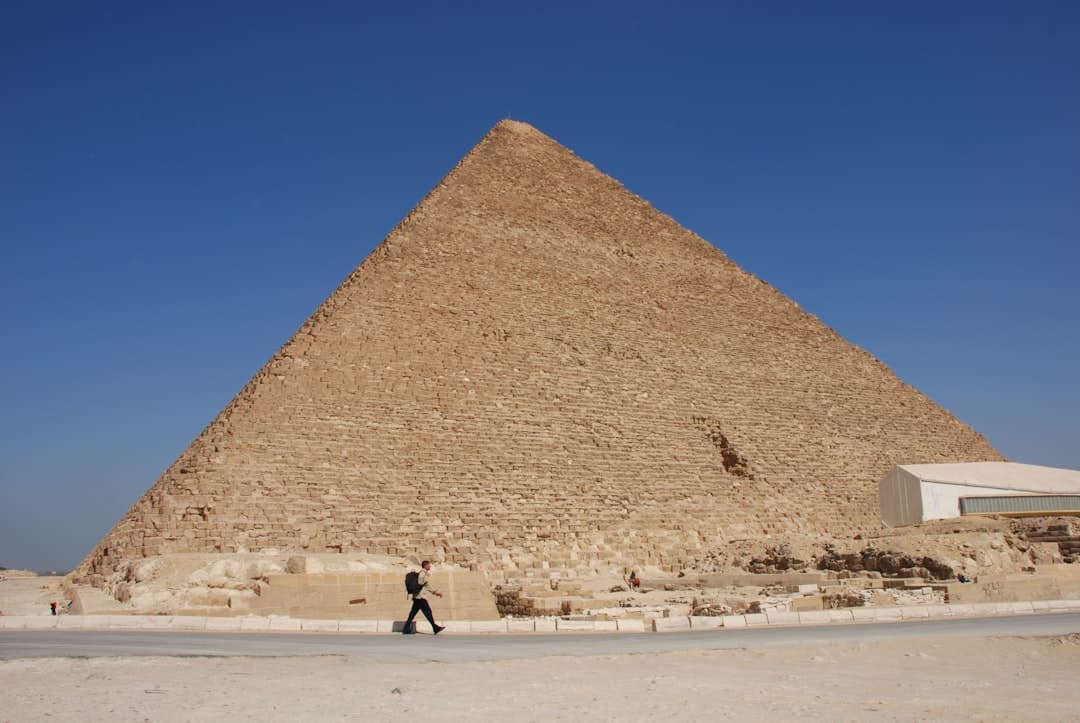
Islamic Cairo is one of the oldest and most densely layered urban landscapes on earth — a medieval city that never stopped being a living city. Stretching roughly from the Citadel in the south to the old Fatimid gates of Bab el-Futuh and Bab Zuweila in the north, this district was the heart of Cairo from its founding in 969 AD right through the Ottoman era. UNESCO has recognized it as a World Heritage Site, and for good reason: nowhere outside the Arabian Peninsula will you find such a concentration of medieval Islamic architecture — mosques, mausoleums, madrasas, caravanserais, and sabil-kuttabs all stacked together along streets that have barely changed their bones in centuries. Visiting Islamic Cairo means wandering. The main artery, Sharia Muizz li-Din Allah — usually just called Al-Muizz Street — is the showpiece: a pedestrianized stretch lined with restored medieval monuments where you can step inside the Mosque of Al-Hakim, duck into the ornate interiors of the Madrasa and Mausoleum of Sultan Qalawun, or climb the minaret of the Mosque of Al-Aqmar. Khan el-Khalili bazaar spills off to the east, a labyrinthine souk selling everything from genuine antique lanterns to tourist trinkets. The Citadel of Saladin looms to the south, housing the Mohammed Ali Mosque with its Ottoman dome and sweeping views over the city. In between, you'll find teahouses, street food vendors, coppersmiths, tentmakers, and everyday Cairo life carrying on amid monuments most European capitals couldn't dream of. The district rewards exploration but also requires some stamina — distances are longer than they look, the streets get genuinely crowded, and the heat can be punishing outside of winter. Friday mornings are when the mosques are most alive with worshippers, which is atmospheric but also means some interiors are temporarily off-limits. Hiring a knowledgeable local guide for at least your first pass makes a real difference here — the context transforms what might otherwise look like just another old building into something extraordinary. The best time of year is October through February, when the temperatures drop to something manageable.
Istanbul Archaeology Museums
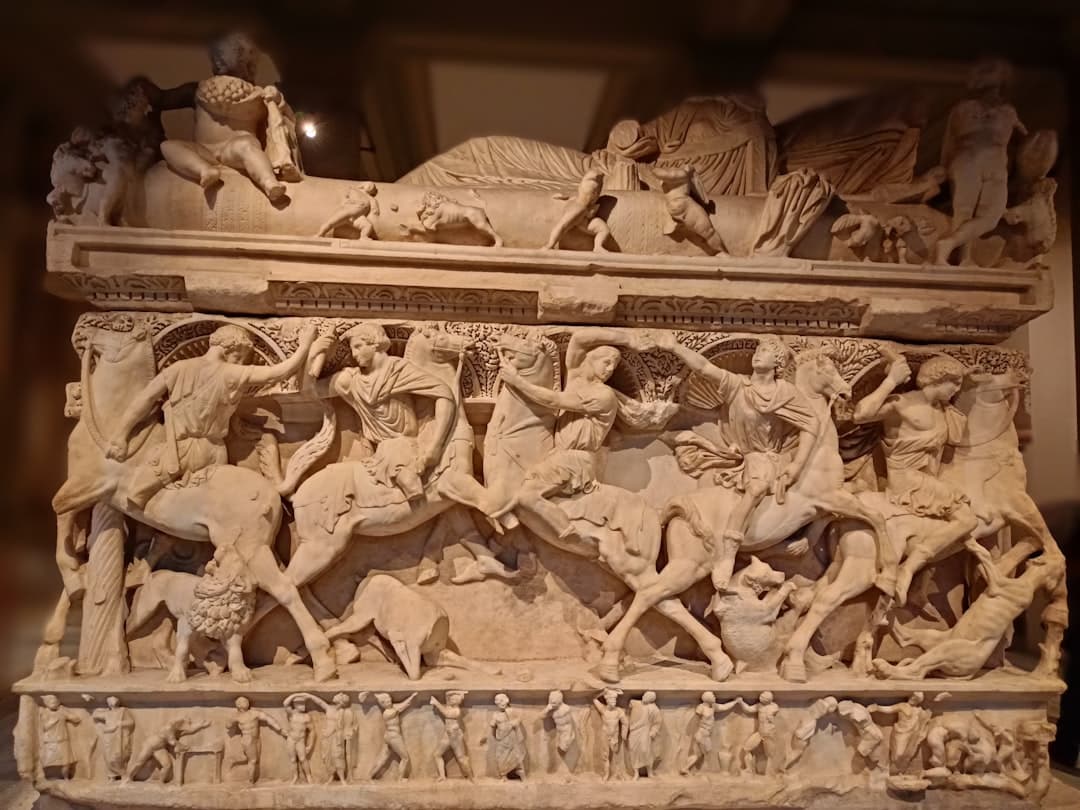
The Istanbul Archaeology Museums is one of the oldest and most important museum complexes in the world, tucked into a corner of the first Topkapi Palace grounds in the Sultanahmet district. Founded in the late 19th century largely through the vision of Osman Hamdi Bey — a pioneering Ottoman painter and archaeologist who pushed through landmark legislation preventing antiquities from being exported — the complex actually comprises three separate buildings: the main Archaeological Museum, the Museum of the Ancient Orient, and the Tiled Kiosk Museum. Together they hold over one million objects, including some of the most significant ancient artifacts anywhere on earth. The headline attraction is the Alexander Sarcophagus in the main building — a breathtaking 4th-century BC marble coffin decorated with battle scenes in high relief, its original paint traces still faintly visible. Despite the name, it probably wasn't Alexander the Great's, but it's extraordinary regardless. Beyond that, you'll find the Treaty of Kadesh (one of the world's oldest known peace treaties, between the Hittites and Egyptians), Mesopotamian artifacts, Phoenician sarcophagi, Greek and Roman sculpture, and one of the most impressive ancient Near Eastern collections outside of London or Berlin. The Tiled Kiosk, dating from 1472, is one of the oldest surviving Ottoman secular buildings and worth the visit just for the architecture. Arrive early — the complex sits just below the main Topkapi entrance and is easy to miss or leave too little time for after the palace. The Museum of the Ancient Orient often gets skipped but is genuinely remarkable. Buy your ticket at the complex itself rather than bundling with a museum pass unless you're already holding one. The shaded courtyard between the buildings is a quiet spot to regroup mid-visit, and the whole place is noticeably less crowded than Topkapi or Hagia Sophia, which is part of its appeal.
Istanbul Modern
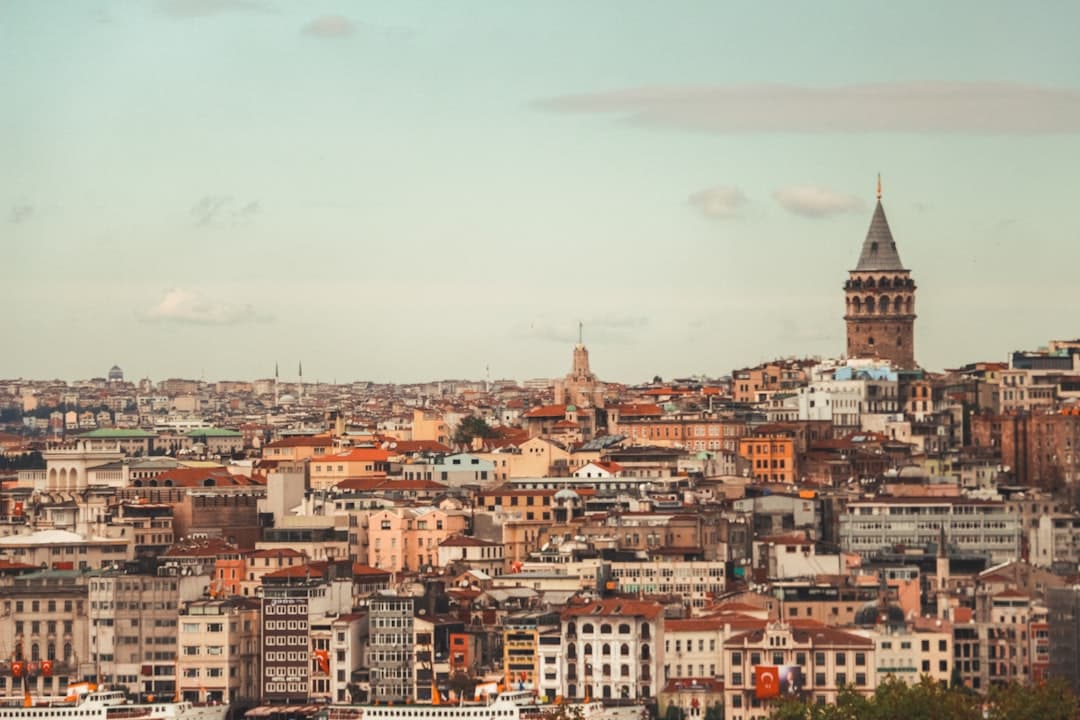
Istanbul Modern is Turkey's first and most prominent museum dedicated to modern and contemporary art, housed in a striking building on the Karaköy waterfront designed by the celebrated Italian architect Renzo Piano. The original museum opened in 2004 in a converted warehouse, but in 2023 it moved into this purpose-built home — a sleek, luminous structure of glass and concrete that feels like it grew out of the Bosphorus itself. It's not just a museum; it's a statement that Istanbul belongs in the same conversation as any major cultural capital in the world. Inside, you'll find a permanent collection spanning Turkish painting, sculpture, photography, and video art from the late 19th century to today — work that traces a country wrestling with modernity, tradition, and identity in ways that feel genuinely compelling rather than academic. The temporary exhibitions rotate regularly and tend to be ambitious, often featuring major international artists alongside Turkish contemporaries. The building itself is worth your time: the top-floor terrace and the museum's restaurant both offer sweeping views across the water to the old city and the minarets of Sultanahmet — one of the great urban panoramas in Europe or Asia, take your pick. The museum sits in Tophane, just a short walk from Karaköy and the Galata Bridge, which makes it easy to fold into a broader day exploring the city's contemporary culture. Friday evenings are a local favourite — the museum stays open until 8pm, the light over the Bosphorus turns golden, and the rooftop fills with people who've clearly figured out something good. Skip Monday, when it's closed.
Jackson Square
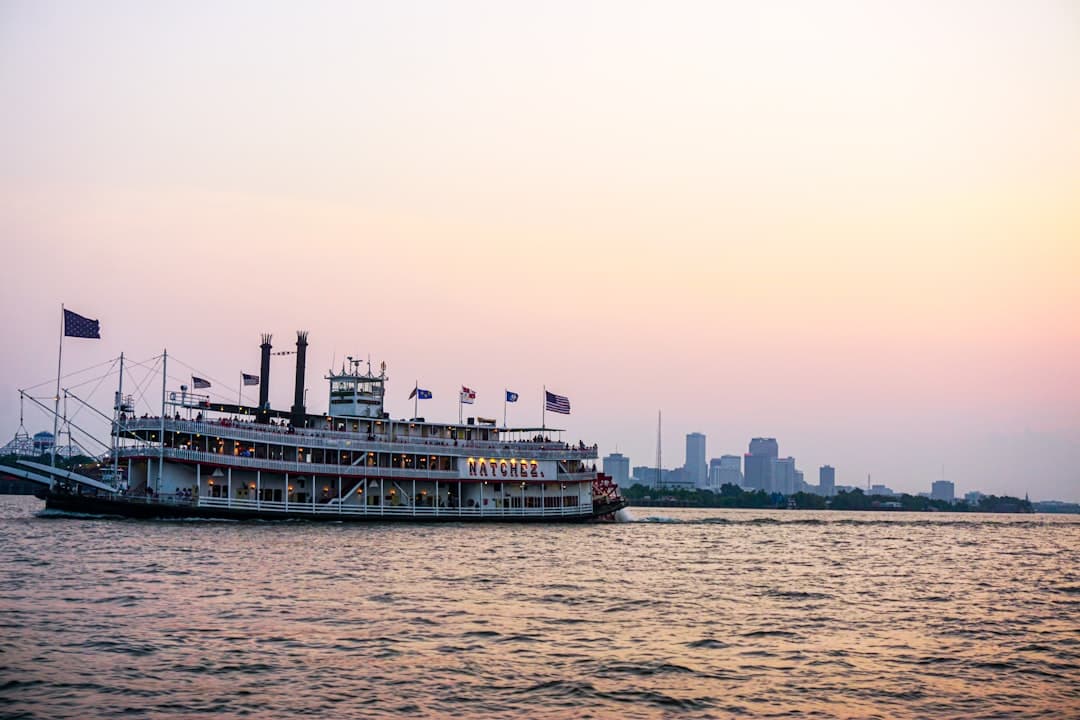
Jackson Square is a historic public plaza in the heart of New Orleans' French Quarter, sitting directly on the Mississippi River. Designated a National Historic Landmark, it has been the civic and spiritual center of the city since the French colonial period — originally called the Place d'Armes, it was renamed after Andrew Jackson following the Battle of New Orleans in 1815. The square is anchored by the iconic St. Louis Cathedral, the oldest continuously active Roman Catholic cathedral in the United States, and flanked by the Cabildo and Presbytere, two colonial-era buildings that now house Louisiana State Museum collections. It is one of the most recognizable and photographed public spaces in America. On any given day, Jackson Square is a living performance. Tarot card readers and palm readers set up folding tables along the iron fence, psychics have held informal licenses to work here for decades. Street musicians range from brass bands to solo jazz guitarists to classical violinists — the quality is often genuinely extraordinary. Local artists display their work along the fence rails, a tradition going back generations. The equestrian statue of Andrew Jackson at the center is a focal point, and the view from the square toward the river, past the Moon Walk levee, is one of the great urban vistas in the South. People-watching here is a full-contact sport. The hours listed reflect when the square itself is formally managed, but in practice Jackson Square never really closes — it is an open urban plaza and visitors can walk through at any hour, though the vendors and readers pack up by early evening. Mornings are quieter and genuinely lovely, especially on weekdays. Café Du Monde, serving chicory café au lait and beignets since 1862, sits right on the square's riverside edge — budget at least 20 minutes for that pilgrimage. Weekends bring crowds and more performers; if you want space and calm, come before 10am.
Jade Buddha Temple
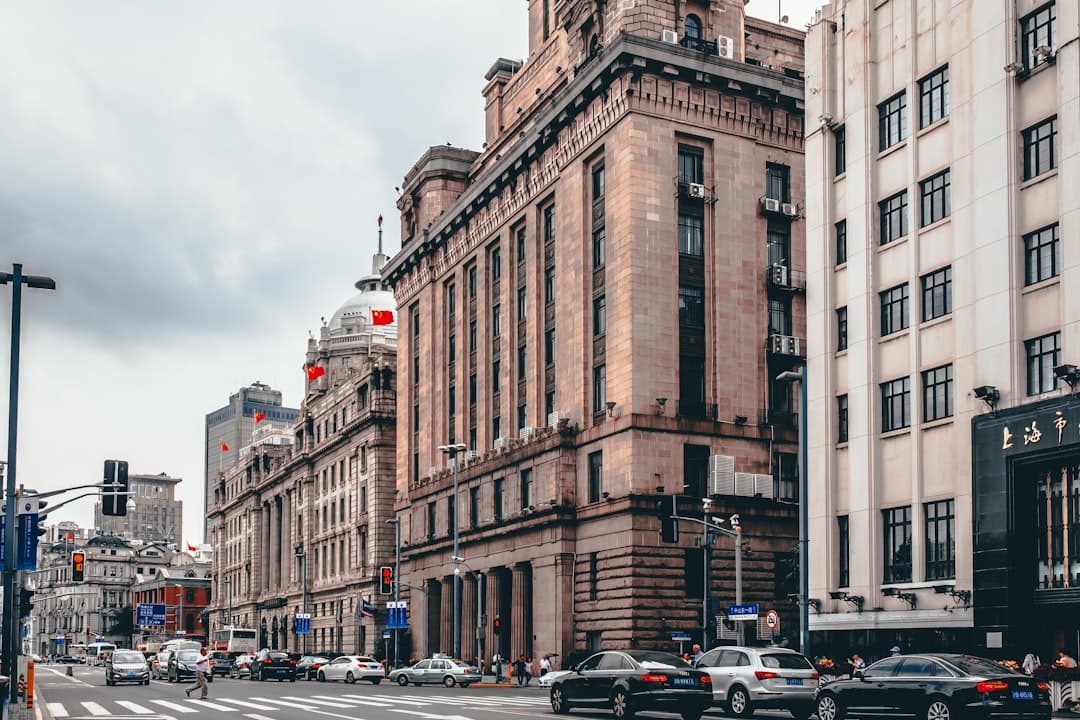
The Jade Buddha Temple — Yùfó Chán Sì in Mandarin — is a fully functioning Chan (Zen) Buddhist monastery tucked into a residential neighborhood in northwestern Shanghai. Built in 1882 and relocated to its current site in 1928, it was constructed specifically to house two extraordinarily valuable jade Buddha statues brought back from Burma by the monk Huigen. Unlike many of Shanghai's tourist attractions, this is not a museum or a recreation — monks live and practice here, incense burns constantly, and worshippers come daily to pray. That living quality is what sets it apart from countless temple complexes across China that have become hollow heritage sites.
Jade Emperor Pagoda
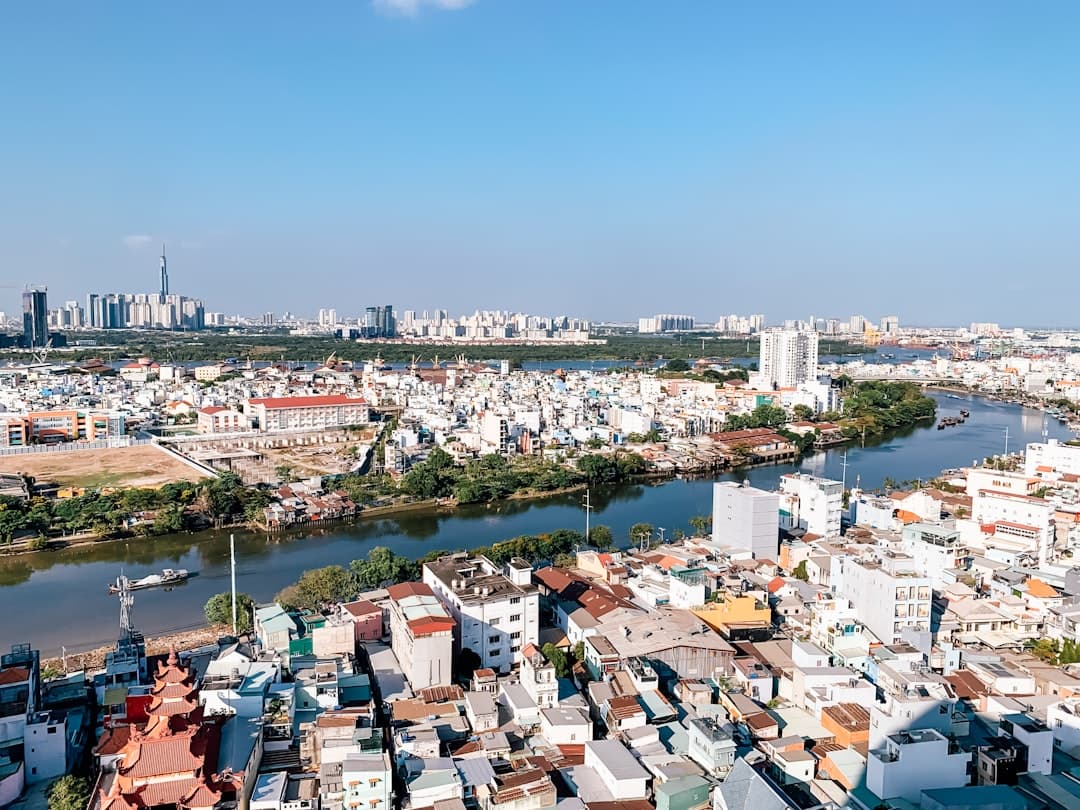
The Jade Emperor Pagoda is one of the most atmospheric religious sites in Ho Chi Minh City — a Taoist temple built by the Chinese Cantonese community in 1909 that has been in continuous use ever since. It's dedicated to Ngọc Hoàng, the Jade Emperor, the supreme ruler of heaven in Taoist and folk Buddhist belief, and it draws a mix of devout local worshippers and curious visitors every single day. Unlike a lot of temples that feel like museums of faith, this one is genuinely alive — incense clouds the air, offerings pile up at altars, and elderly women shuffle between shrines with focused intensity. Inside, the temple unfolds through a series of dark, smoke-stained chambers packed with extraordinary carved wooden and papier-mâché figures — demons, deities, and celestial officials rendered in vivid, sometimes unsettling detail. The Hall of Ten Hells is a particular highlight: bas-relief panels depicting the punishments awaiting sinners in the afterlife, graphic enough to make you reconsider your life choices. Out back, a pond full of turtles adds an unexpectedly serene counterpoint to the intensity of the interior. Locals release turtles here as an act of merit-making, and the pond has become something of an unofficial turtle sanctuary. This is a working temple, not a tourist attraction, so the experience rewards a quiet, respectful approach. Go on a weekday morning if you can — the light filtering through the incense haze is extraordinary, and you'll catch the temple at its most authentic, when worshippers outnumber visitors. It's located in the Tân Định neighbourhood, not far from the famous pink church, and makes a natural pairing with a walk through that area.
Jal Mahal
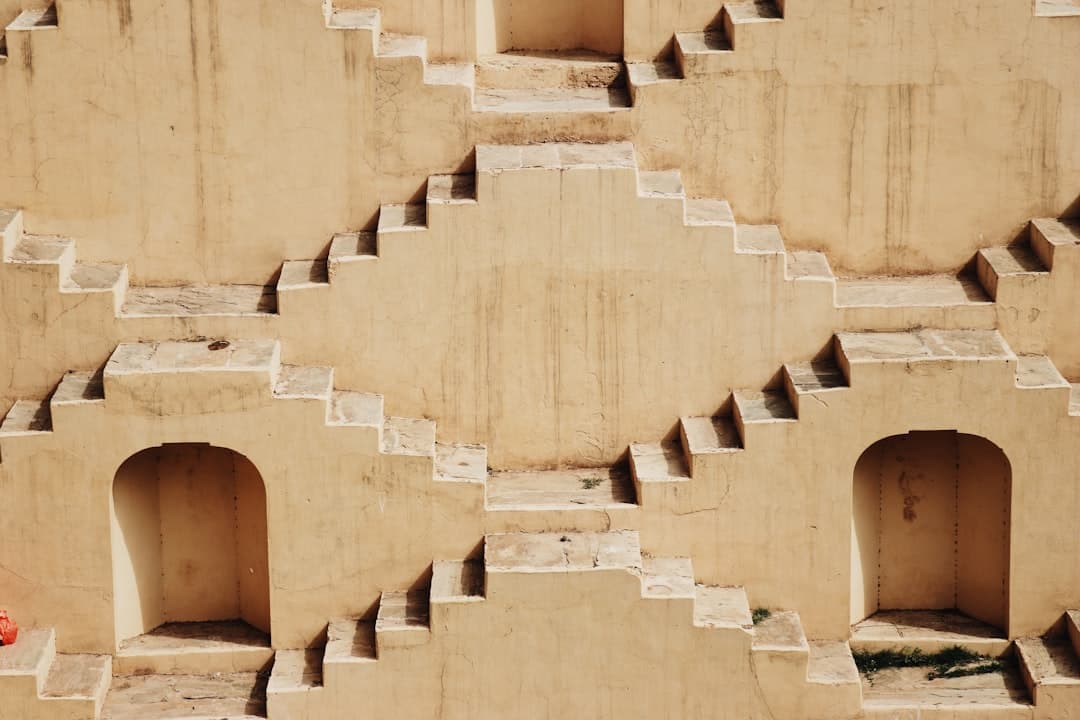
Jal Mahal — literally 'Water Palace' — sits in the centre of Man Sagar Lake on the road between Jaipur and Amber, looking for all the world like it's floating. Built in the 18th century by Maharaja Madho Singh I and later renovated by Sawai Pratap Singh, it was originally used as a royal duck hunting lodge. Four of its five storeys sit submerged beneath the water, which makes the single visible storey feel almost impossibly elegant — red sandstone filigree and corner pavilions mirrored perfectly in the lake, with the Nahargarh Hills rising behind it. For most visitors, Jal Mahal is experienced from the shore rather than from inside — the palace itself is not currently open to the public, so the experience is about the view, the lakeside promenade, and the atmosphere. You walk the embankment, watch the light shift across the water, and photograph what is genuinely one of the most arresting architectural images in all of Rajasthan. At golden hour the sandstone glows orange-pink and the reflection doubles the spectacle. The lake has also been restored in recent years and now draws migratory birds, adding a surprising wildlife dimension to what might otherwise feel like a purely photographic stop. The area around the lake has been cleaned up and developed into a pleasant garden promenade. Come early morning to beat the tour buses that roll in from Jaipur city and Amber Fort, both of which are nearby. This is an easy stop to combine with an Amber Fort visit — the two sites sit on the same road and are only a few kilometres apart. Vendors sell chai and snacks along the embankment, and the whole scene feels genuinely local, not just tourist-facing.
Jama Masjid
Jama Masjid is India's largest mosque and one of the most important Islamic monuments in the world. Built by Mughal Emperor Shah Jahan between 1644 and 1656, it took around 5,000 workers to construct and was the last great architectural project of his reign before the Taj Mahal. The mosque can hold up to 25,000 worshippers in its vast sandstone and marble courtyard, and it remains an active place of worship today — not a museum, not a heritage showpiece, but a living, breathing spiritual center at the heart of one of Asia's oldest and most densely layered cities. Visiting means climbing one of three grand gateways — the eastern gate is the most dramatic approach — and stepping into an enormous open courtyard paved in black-and-white stone, flanked by two tall red sandstone minarets. You can climb the southern minaret (for a small fee) for a sweeping view over Old Delhi's rooftops and the haze of the city beyond. The prayer hall at the far end is cool and hushed, its striped domes and inlaid marble floor a striking contrast to the busy lanes outside. The whole compound feels genuinely monumental — this is architecture designed to humble you, and it succeeds. Jama Masjid sits at the edge of Chandni Chowk, Old Delhi's legendary market district, which makes it easy to combine with a few hours of street food and bazaar wandering. Non-Muslim visitors are welcome outside prayer times, and the mosque is typically closed to tourists for roughly 30 minutes during each of the five daily prayers. Weekday mornings are the calmest time to visit; Fridays draw huge crowds for Jumu'ah prayers and feel more atmospheric but far busier. There's an entry fee for cameras, though entry itself is free.
Jantar Mantar
Jantar Mantar is a collection of nineteen massive astronomical instruments built between 1727 and 1734 by Maharaja Jai Singh II, the founder of Jaipur. A scholar-king obsessed with astronomy and mathematics, Jai Singh wasn't satisfied with the brass instruments of his day — he believed larger, fixed structures made of stone and marble would yield more accurate measurements. The result is one of the most extraordinary scientific complexes in the world: a UNESCO World Heritage Site that still functions as a working observatory, capable of tracking celestial bodies, predicting eclipses, and measuring time with remarkable precision. Walking through Jantar Mantar feels like entering a surrealist sculpture garden where everything has a purpose. The star attraction is the Samrat Yantra, the world's largest sundial, whose gnomon — the triangular ramp — soars nearly 27 metres into the sky and can measure local time accurate to two seconds. Nearby, the Jai Prakash Yantra consists of two hemispherical marble bowls sunk into the ground, their interiors etched with scales that map the heavens. Each instrument invites you to stop, look up, and recalibrate your sense of space and time. A good guide makes an enormous difference here — without one, many instruments look like abstract architecture rather than precision tools. Jantar Mantar sits right next to the City Palace in the heart of the old walled city, making it an easy pairing with a visit to the palace or the nearby Hawa Mahal. Visit in the morning when the light is clean and the crowds haven't peaked. Hiring a licensed guide at the entrance is well worth the fee — they'll demonstrate exactly how the sundial works and show you how to read instruments that would otherwise remain mysterious. The whole site is outdoors, so avoid midday in summer when the stone radiates serious heat.
Japanese Covered Bridge
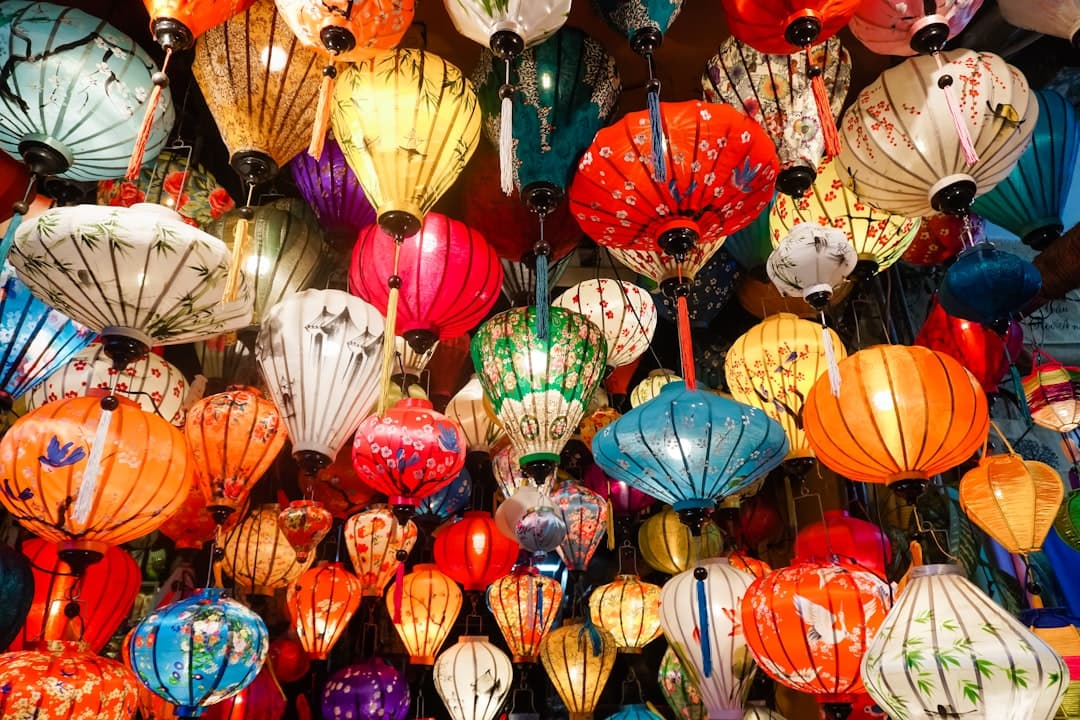
The Japanese Covered Bridge — called Chùa Cầu in Vietnamese, meaning 'Pagoda Bridge' — is a small wooden footbridge with a roofed temple built into its side, spanning a narrow canal in the heart of Hoi An's Ancient Town. Japanese traders constructed it in the early 17th century to connect their quarter with the Chinese merchant district across the water, and it has stood, more or less intact, ever since. It's one of the best-preserved examples of Japanese bridge architecture anywhere in Southeast Asia, and its image appears on the Vietnamese 20,000 dong banknote — which tells you everything about its cultural significance. The bridge itself is compact — you cross it in about a minute — but the details reward a slower look. The roof is tiled in the style of a Japanese shrine, the interior is dim and atmospheric with a small altar dedicated to the northern deity Tran Vo Bac De, and the two ends are guarded by carved wooden statues of dogs and monkeys — animals that, according to one popular legend, represent the years in which construction began and ended. The canal below reflects the lantern-lit facades of the Ancient Town's merchant houses, and at dusk the whole scene turns the colour of warm amber. Entry to the bridge is included in the Hoi An Ancient Town ticket, which also covers access to several other historic houses and assembly halls nearby — so don't pay separately at the bridge itself. Crowds peak between 9am and noon and again after 5pm when tour groups arrive; aim for the quiet hour just after opening or just before. The bridge is even more photogenic after dark when the lanterns come on, though it gets genuinely packed on full moon evenings when the Ancient Town hosts its monthly lantern festival.
Jardin des Tuileries
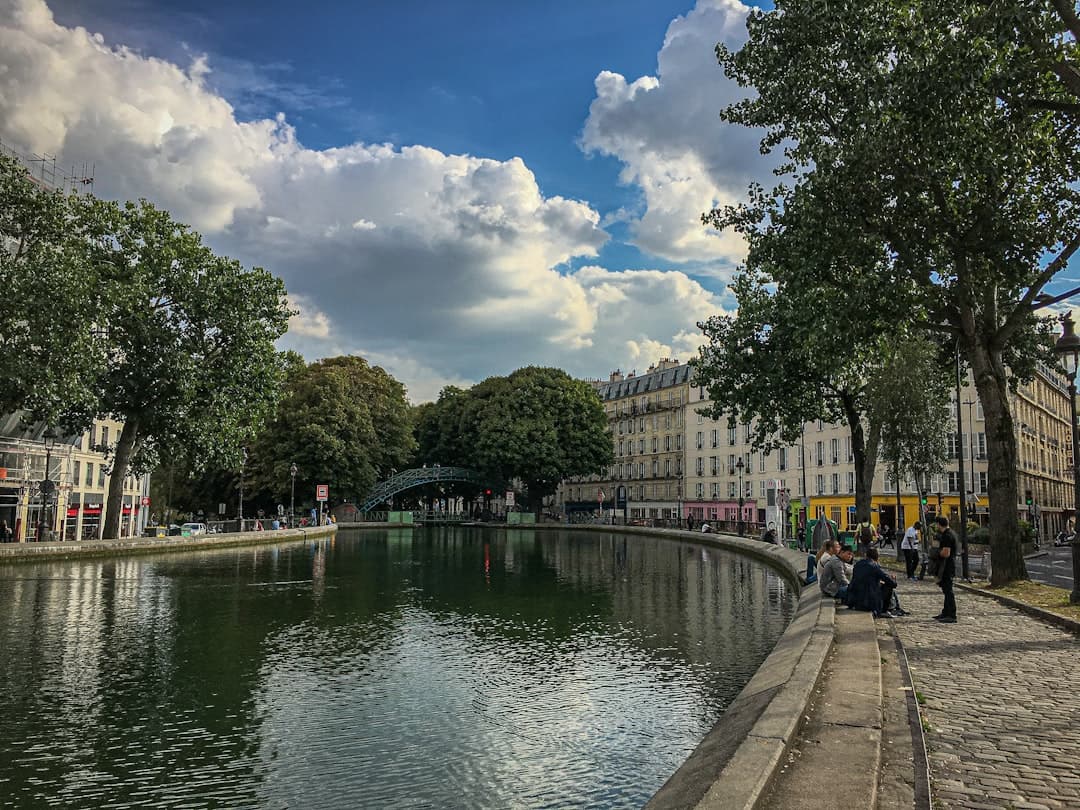
The Jardin des Tuileries is a 28-hectare public garden running along the Right Bank of the Seine, stretching from the Louvre to the Place de la Concorde. It's one of the oldest and most historically significant gardens in France — created in the 16th century for Catherine de Medici and later redesigned in the formal French style by André Le Nôtre in 1664, the same landscape architect who went on to design the gardens at Versailles. For centuries it was a royal garden; today it belongs to the city, and Parisians use it freely as a daily escape from the surrounding stone and traffic. The experience here is distinctly Parisian in the best possible way. The garden is laid out on a long central axis lined with gravel paths, clipped linden trees, and circular fountains where kids sail wooden toy boats on warm afternoons — a tradition that's survived for generations. Along the paths you'll find bronze sculptures by Rodin and Maillol scattered among the greenery. At the western end, the garden opens onto the Place de la Concorde and offers a clear view up the Champs-Élysées toward the Arc de Triomphe. At the eastern end, the Louvre's glass pyramid sits framed by the garden's formal hedgerows. The two major museums that flank the garden — the Musée de l'Orangerie and the Jeu de Paume — are worth visiting in their own right. The Tuileries is genuinely free to enter and open year-round, though hours extend significantly in summer. The park fills up on warm evenings and weekends, but mornings are reliably calm. Every July, a large traveling funfair called the Fête des Tuileries sets up along the northern edge, which is great fun with kids but adds significant noise and foot traffic. If you're here for quiet, avoid July and August midday. Otherwise, grab a metal chair from one of the dozens scattered around the fountains — they're not fixed to anything, you're meant to drag them wherever you like — and stay a while.
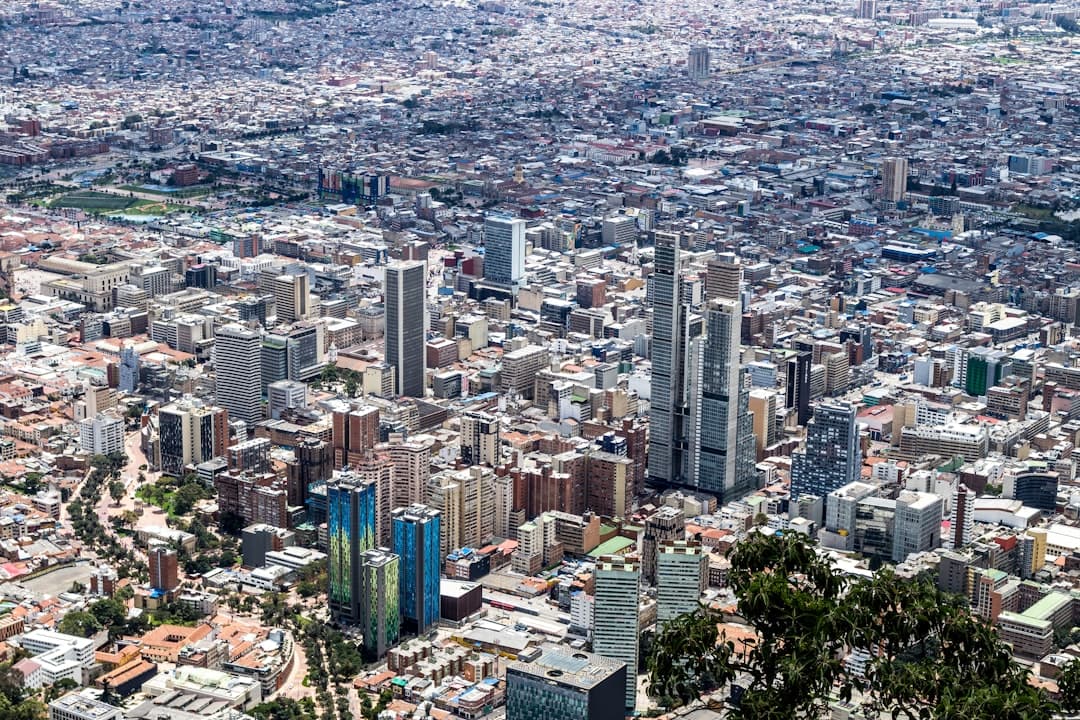
Jardín Botánico
The Jardín Botánico José Celestino Mutis — named after the 18th-century Spanish botanist who catalogued much of Colombia's plant life — is Bogotá's official botanical garden and one of the most important collections of Andean and Colombian flora in South America. Spread across roughly 19 hectares in the northwest of the city, it was founded in 1955 and today houses thousands of native plant species, including extensive collections from the páramo ecosystem, cloud forest, and tropical zones. For a city sitting at 2,600 metres above sea level in the Andes, this garden functions as both a serious scientific institution and a rare breathing space. Inside, you wander between distinct themed zones: a rose garden, a bamboo grove, an orchid greenhouse, and a dedicated section for plants of the páramo — the eerie, fog-draped highland ecosystem unique to the northern Andes. The glass-and-steel greenhouse (the invernadero) shelters tropical species that couldn't survive Bogotá's cool climate outdoors, and it's worth a slow look around. Families come on weekends, researchers work here during the week, and at almost any time you'll find quiet corners that feel miles from the city noise outside the walls. Entry fees are very affordable — this is a public institution, not a tourist attraction priced for foreigners. Weekday mornings are noticeably calmer than weekend afternoons when local families arrive in force. The garden sits near the Universidad Nacional campus, so the surrounding neighbourhood has a studenty, unhurried feel. It's closed on Mondays, which catches visitors out more often than it should.