Jackson Square
The living heart of the French Quarter, framed by history on every side.
Jackson Square is a historic public plaza in the heart of New Orleans' French Quarter, sitting directly on the Mississippi River. Designated a National Historic Landmark, it has been the civic and spiritual center of the city since the French colonial period — originally called the Place d'Armes, it was renamed after Andrew Jackson following the Battle of New Orleans in 1815. The square is anchored by the iconic St. Louis Cathedral, the oldest continuously active Roman Catholic cathedral in the United States, and flanked by the Cabildo and Presbytere, two colonial-era buildings that now house Louisiana State Museum collections. It is one of the most recognizable and photographed public spaces in America.
On any given day, Jackson Square is a living performance. Tarot card readers and palm readers set up folding tables along the iron fence, psychics have held informal licenses to work here for decades. Street musicians range from brass bands to solo jazz guitarists to classical violinists — the quality is often genuinely extraordinary. Local artists display their work along the fence rails, a tradition going back generations. The equestrian statue of Andrew Jackson at the center is a focal point, and the view from the square toward the river, past the Moon Walk levee, is one of the great urban vistas in the South. People-watching here is a full-contact sport.
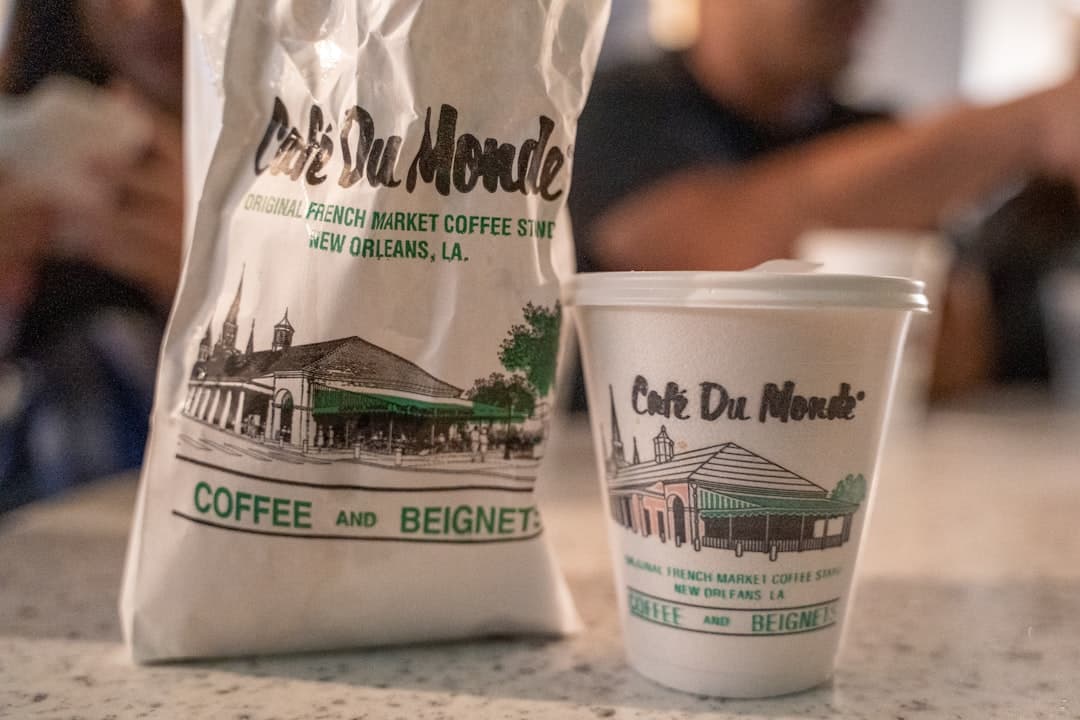
The hours listed reflect when the square itself is formally managed, but in practice Jackson Square never really closes — it is an open urban plaza and visitors can walk through at any hour, though the vendors and readers pack up by early evening. Mornings are quieter and genuinely lovely, especially on weekdays. Café Du Monde, serving chicory café au lait and beignets since 1862, sits right on the square's riverside edge — budget at least 20 minutes for that pilgrimage. Weekends bring crowds and more performers; if you want space and calm, come before 10am.