
French Quarter
New Orleans / French Quarter

French Quarter

America's most intoxicating neighborhood, where history, music, and excess collide.

🛍️ Shopping🎶 Nightlife🏛️ Sights & Landmarks🍽️ Food & Drink🎯 Activities & Experiences🎭 Arts & Entertainment🏘️ Neighborhoods
🧗 Adventurous🍽 Foodie🎭 Cultural🌹 Romantic

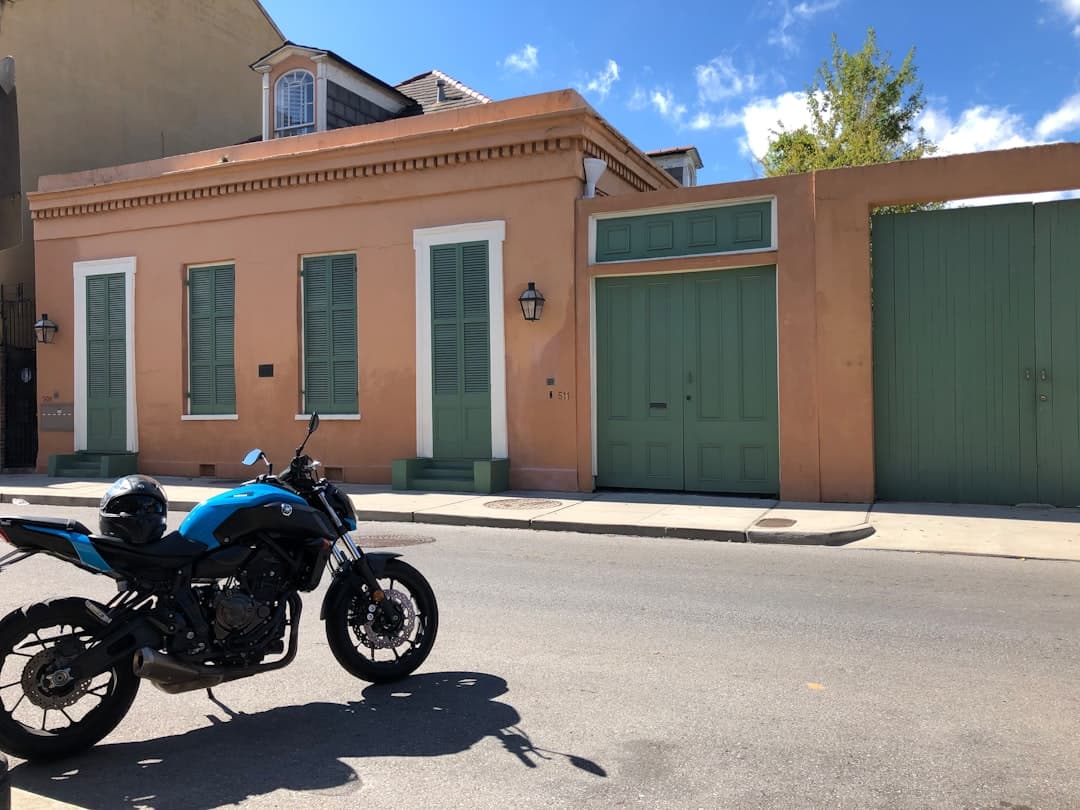
The French Quarter — known locally as the Vieux Carré, meaning 'old square' — is the oldest neighborhood in New Orleans and the cultural heart of one of America's most singular cities. Established by French colonists in 1718, its iconic grid of streets is lined with Spanish Colonial architecture (rebuilt after two devastating fires in the late 1700s), wrought-iron balconies dripping with ferns and Mardi Gras beads, and centuries of accumulated atmosphere. This is not a theme park version of history — people live here, argue here, fall in love here, and have been doing so for over 300 years.

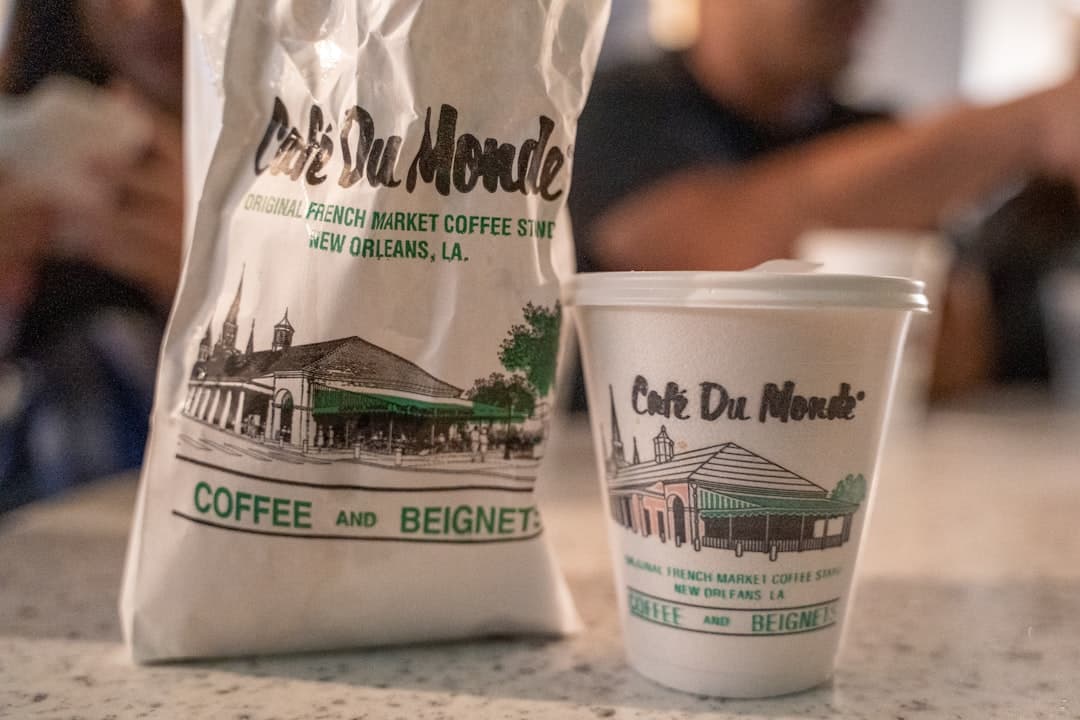
Walking the Quarter means stepping between worlds in the space of a single block. Bourbon Street delivers on its infamous reputation — loud, boozy, and unapologetically chaotic at any hour — but duck one block in either direction and you'll find yourself in a completely different city. Royal Street is all antique shops and jazz drifting from open doors. Decatur Street runs along the Mississippi riverfront past Café Du Monde, where beignets and café au lait have been served since 1862. Jackson Square anchors the whole thing — a cathedral, fortune tellers, street musicians, and the great river just beyond. The neighborhood rewards slow walking and curiosity more than any checklist approach.

The Quarter is dense and entirely walkable — roughly 13 blocks by 7 blocks — and most visitors naturally anchor here. That's both its strength and its limitation: it gets genuinely crowded, especially on weekends and during events like Mardi Gras or Jazz Fest. The quieter, more residential blocks toward Esplanade Avenue and the lakeside streets show you a different, more authentic side. Come for a full day at minimum, stay later than you planned, and know that the neighborhood changes character completely after dark.
Local Tips

  1. 1

    Bourbon Street is the neighborhood's most famous block but its least interesting — spend the majority of your time on Royal, Chartres, and Decatur Streets for a far richer experience.

  2. 2

    Café Du Monde is open 24 hours and the line moves quickly — go very early morning or very late at night to skip the worst waits and catch the Quarter at its most atmospheric.

  3. 3

    Preservation Hall on St. Peter Street offers intimate traditional jazz sets several times nightly — tickets are cheap, the room is tiny and hot, and it's one of the most genuinely moving music experiences in the city.

  4. 4

    The side streets between Esplanade Avenue and Gov. Nicholls Street are quieter and more residential — stroll here in the late afternoon to see the neighborhood as people actually live in it, not just visit it.

When to Go

Best times
February–March (Mardi Gras)

The city transforms completely — parades, costumes, and street parties everywhere. Extraordinary experience but hotels book out months in advance and crowds are intense.

April–May (Jazz Fest)

New Orleans Jazz & Heritage Festival brings world-class music and the city's best food vendors together. The Quarter buzzes with energy and many visiting musicians play late-night club sets.

October–November

Arguably the best time to visit — weather is comfortable, Halloween brings out New Orleans' theatrical side, and crowds thin compared to peak season.

Try to avoid
July–August

Heat and humidity are brutal — regularly 95°F with near-100% humidity. The Quarter can feel oppressive midday, and afternoon thunderstorms are frequent. Visit if you must, but pace yourself aggressively.

Why Visit

01

The architecture alone is worth the trip — centuries-old buildings with ornate ironwork balconies and hidden courtyards that you won't find anywhere else in North America.

02

Live music pours out of open doors at all hours, from traditional jazz at Preservation Hall to brass bands marching down the street for no particular reason.

03

The food culture here is among the deepest in the country — beignets at Café Du Monde, oysters at Acme or Felix's, po'boys, and Creole cooking that's been refined over generations.