
Japanese Covered Bridge
Hoi An / Japanese Covered Bridge

Japanese Covered Bridge

A 400-year-old bridge built by Japanese merchants, now the symbol of Hoi An.

🏛️ Sights & Landmarks🎭 Arts & Entertainment
👨‍👩‍👧 Family-friendly🎭 Cultural🌹 Romantic

The Japanese Covered Bridge — called Chùa Cầu in Vietnamese, meaning 'Pagoda Bridge' — is a small wooden footbridge with a roofed temple built into its side, spanning a narrow canal in the heart of Hoi An's Ancient Town. Japanese traders constructed it in the early 17th century to connect their quarter with the Chinese merchant district across the water, and it has stood, more or less intact, ever since. It's one of the best-preserved examples of Japanese bridge architecture anywhere in Southeast Asia, and its image appears on the Vietnamese 20,000 dong banknote — which tells you everything about its cultural significance.

The bridge itself is compact — you cross it in about a minute — but the details reward a slower look. The roof is tiled in the style of a Japanese shrine, the interior is dim and atmospheric with a small altar dedicated to the northern deity Tran Vo Bac De, and the two ends are guarded by carved wooden statues of dogs and monkeys — animals that, according to one popular legend, represent the years in which construction began and ended. The canal below reflects the lantern-lit facades of the Ancient Town's merchant houses, and at dusk the whole scene turns the colour of warm amber.

Entry to the bridge is included in the Hoi An Ancient Town ticket, which also covers access to several other historic houses and assembly halls nearby — so don't pay separately at the bridge itself. Crowds peak between 9am and noon and again after 5pm when tour groups arrive; aim for the quiet hour just after opening or just before. The bridge is even more photogenic after dark when the lanterns come on, though it gets genuinely packed on full moon evenings when the Ancient Town hosts its monthly lantern festival.

Local Tips

  1. 1

    You need the Hoi An Ancient Town ticket to cross the bridge — buy it at one of the ticket booths nearby rather than from touts. It also gets you into a handful of historic houses and assembly halls, so it's good value.

  2. 2

    The best photograph of the bridge is taken from the small footpath beside the canal to the north side — not from on the bridge itself. Step off and look back.

  3. 3

    Visit twice: once in daylight to see the architectural detail, and once after dark when the lanterns are lit and the canal reflections make everything look painterly.

  4. 4

    The bridge faces onto Nguyễn Thị Minh Khai on one side and Trần Phú on the other — both of Hoi An's most atmospheric walking streets, so build your visit into a broader stroll through the Ancient Town rather than treating it as a standalone stop.

When to Go

Best times
Full Moon Festival (monthly)

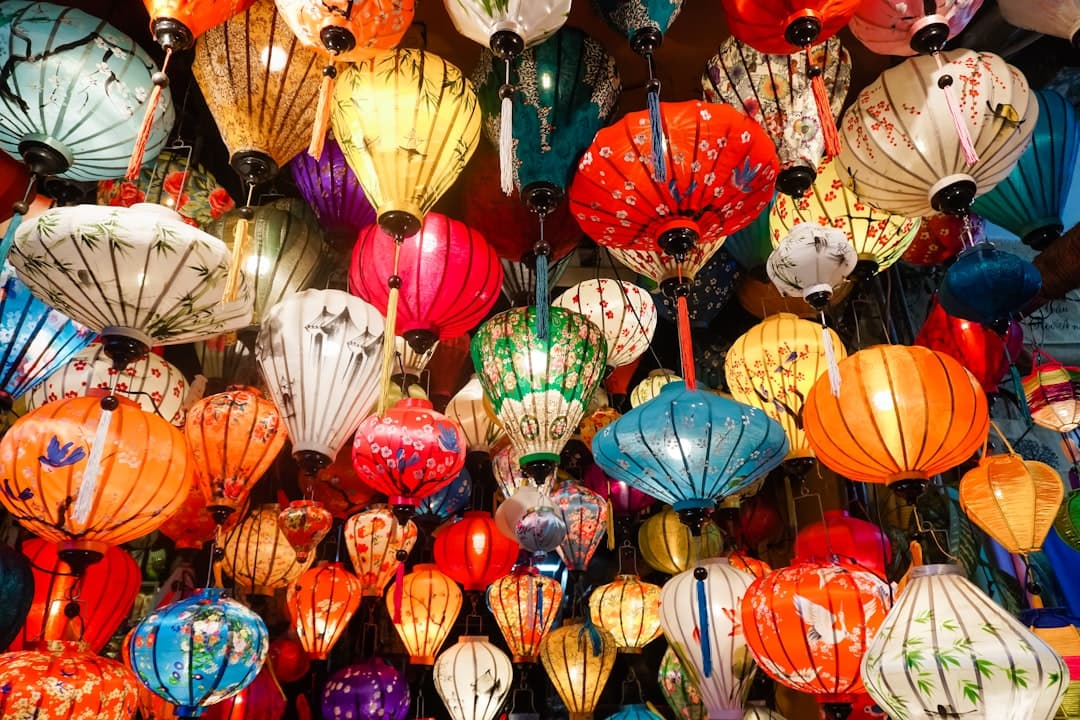
On the 14th day of each lunar month, Hoi An turns off electric lights and fills the streets with silk lanterns — the bridge looks extraordinary but crowds are at their most intense.

Early morning (before 9am)

The bridge and surrounding streets are quiet before the tour groups arrive — you'll have space to photograph and linger without being jostled.

Try to avoid
October–November

Central Vietnam's rainy season peaks here; flooding in the Ancient Town can make the bridge area waterlogged and unpleasant, and access is sometimes restricted.

Midday in summer (June–August)

Heat and humidity peak and the narrow covered bridge gets airless and crowded simultaneously — not the most comfortable window.

Why Visit

01

It's the defining symbol of Hoi An — a beautifully preserved 17th-century bridge that connects the town's Japanese and Chinese merchant quarters and feels genuinely historic rather than restored-for-tourists.

02

The small temple built into the bridge's middle is an unusual architectural curiosity you won't find anywhere else — a functioning religious space suspended over a canal.

03

At dusk, with lanterns reflected in the water and the old merchant houses glowing on either side, this is one of the most atmospheric spots in all of Vietnam for photography or simply standing still.