
Cam Kim Island
Hoi An / Cam Kim Island

Cam Kim Island

A quiet island of rice paddies and fishing life, minutes from Hoi An's crowds.

🏛️ Sights & Landmarks🌿 Nature & Outdoors🎯 Activities & Experiences🏘️ Neighborhoods
🧗 Adventurous🌿 Relaxing🎭 Cultural🗺 Off the beaten path

Cam Kim Island sits just across the Thu Bon River from Hoi An's Ancient Town, separated from the UNESCO-listed old quarter by a short boat ride or a bridge crossing. It's a small, largely agricultural island that has remained unhurried and undeveloped while its famous neighbor became one of Southeast Asia's most visited destinations. That contrast is precisely the point — this is rural central Vietnam as it has existed for generations, with rice fields, vegetable gardens, fishing families, and workshop craftspeople going about their days largely unbothered by tourism.

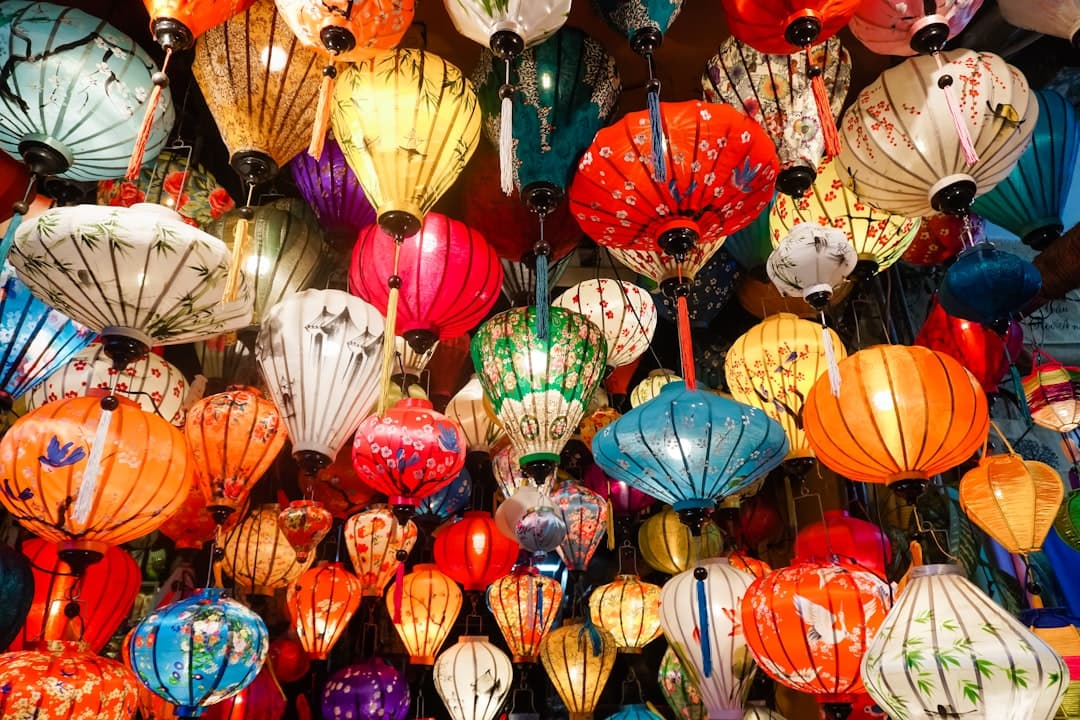
On the island you'll find working farms, narrow lanes bordered by banana trees and bougainvillea, and workshops producing the wood-carved furniture and silk lanterns that Hoi An's shops sell to visitors. Cycling is the best way to explore — you can loop the island's flat roads in a few hours, stopping to watch fishermen mending nets along the riverbank or peek into family workshops where artisans have been carving wood for decades. The views back across the water toward Hoi An's rooflines are genuinely lovely, especially in the early morning light.

Most visitors arrive by renting a bicycle in Hoi An and taking the short ferry crossing, or by cycling over the Cam Kim Bridge. There's no admission fee, no ticket booth, no formal infrastructure — the island is simply a place to slow down. Come early to catch the light and the morning activity along the river, and bring cash for any small snacks or drinks you pick up along the way. The island rewards wandering over planning.

Local Tips

  1. 1

    Rent a bicycle in Hoi An's Ancient Town rather than the island itself — options are better and cheaper, and cycling over on the Cam Kim Bridge or taking the short ferry is part of the experience.

  2. 2

    The small ferry crossing from near the An Hoi boat landing is the more atmospheric arrival route and costs only a few thousand dong — worth it over the bridge for first-timers.

  3. 3

    Don't just stick to the main road. The island's real character is on the smaller tracks between the rice paddies and along the riverbank edges — get lost a little.

  4. 4

    A few family-run workshop stops welcome visitors to watch woodcarving — you're not obligated to buy anything, but if you're going to purchase carved goods in Hoi An anyway, buying directly here is both cheaper and more meaningful.

When to Go

Best times
February to April

Dry season with cool, clear weather — ideal for cycling and the rice paddies are lush and green. The best overall window for visiting.

Early morning

Fishing activity along the riverbank is most active at dawn, the light is beautiful for photography, and the island feels most authentically itself before the heat builds.

Try to avoid
October to November

Hoi An's flood season. The Thu Bon River rises significantly and Cam Kim Island can experience flooding that makes road access difficult or impassable.

Why Visit

01

Experience authentic Vietnamese rural life — rice paddies, fishing families, and craft workshops — just ten minutes from Hoi An's busy tourist center.

02

Flat, easy cycling through scenic countryside with river views back toward Hoi An's ancient rooflines, perfect for a relaxed half-day bike ride.

03

Visit working woodcarving and lantern-making workshops to see how the handicrafts sold throughout Hoi An are actually made.