
Hoi An Ancient Town
Hoi An / Hoi An Ancient Town

Hoi An Ancient Town

A 400-year-old trading port frozen in amber, glowing lantern-lit at dusk.

🛍️ Shopping🏛️ Sights & Landmarks🍽️ Food & Drink🎭 Arts & Entertainment🏘️ Neighborhoods
🍽 Foodie👨‍👩‍👧 Family-friendly🎭 Cultural🌹 Romantic

Hoi An Ancient Town is a remarkably preserved merchant port on central Vietnam's Thu Bon River that flourished between the 15th and 19th centuries as one of Southeast Asia's most important trading hubs. Japanese, Chinese, and Dutch merchants all passed through, leaving behind an architectural legacy so intact and layered that UNESCO designated it a World Heritage Site in 1999. Walking its streets feels genuinely different from other historic districts — the buildings are lived in, the tailors are still working, and the cooking traditions that developed here have their own distinct identity recognized even within Vietnam.

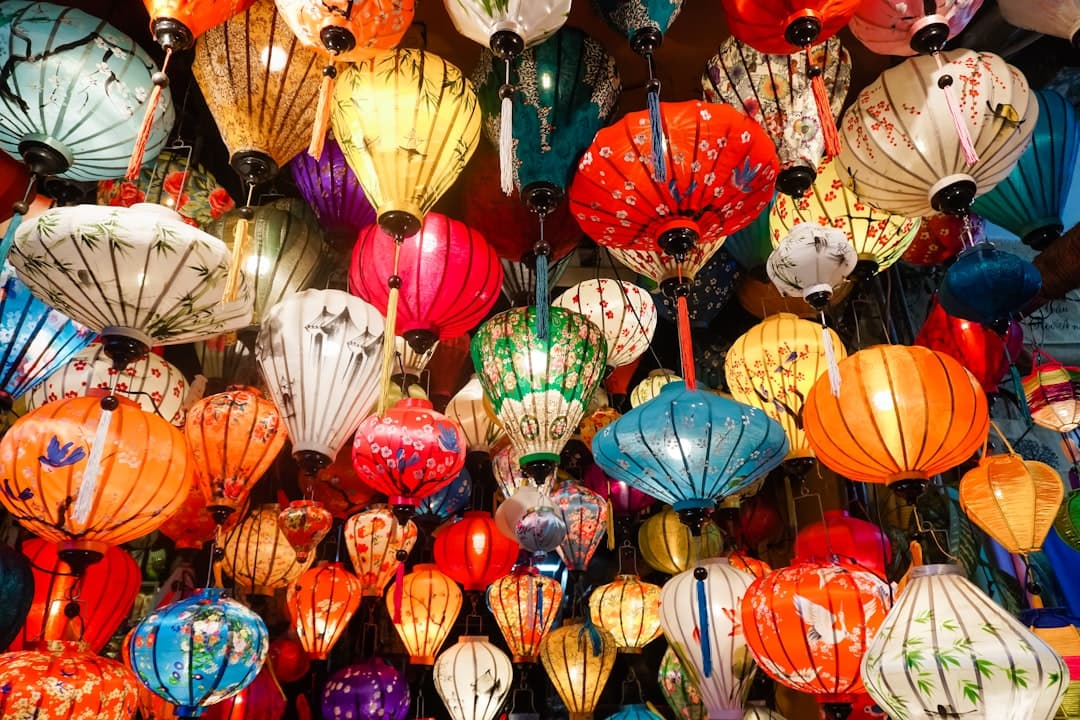
The old town is compact enough to cover on foot but rich enough to fill days. The Japanese Covered Bridge, built around 1593, is the town's most iconic structure and still stands at the western end of Trần Phú Street. Nearby are the Chinese assembly halls — Phúc Kiến Hội Quán being the most spectacular — along with merchant houses like Tấn Ký that open their dark-timbered interiors to visitors. Come evening, the streets are strung with hundreds of silk lanterns in every color, and the riverside fills with visitors releasing flower lanterns onto the water. The whole town shifts into a softer, more dreamlike version of itself after sunset.

A single combined ticket (purchased at booths around the old town) covers entry to five heritage sites of your choice from a list of around 20, including assembly halls, museums, and traditional houses. The ticket system means you don't need to plan far in advance — just buy on arrival. Early morning before 8am is dramatically quieter, when locals do their shopping at the central market and the streets belong mostly to cyclists and coffee drinkers. Consider basing yourself here rather than day-tripping from Da Nang — the town's character changes completely once the tour buses leave.

Local Tips

  1. 1

    Buy your heritage ticket early and choose your five sites before you start walking — Phúc Kiến Assembly Hall and Tấn Ký Merchant House are almost universally worth using a ticket on.

  2. 2

    Bánh mì Phượng at 2B Phan Châu Trinh is genuinely one of the best bánh mì in Vietnam — arrive before 10am or expect a queue and possible sell-outs of certain fillings.

  3. 3

    Rent a bicycle rather than taking taxis — the old town is almost entirely flat and a bike lets you reach An Bàng Beach (about 4km away) and the quieter back streets that tuk-tuks can't access.

  4. 4

    The riverside on Bạch Đằng Street gets very crowded at night; walk one block inland to Nguyễn Thái Học for the same lantern atmosphere with half the foot traffic and better restaurant choices.

When to Go

Best times
February to April

Dry, warm, and relatively uncrowded. Temperatures sit around 25°C and the streets are at their most pleasant for walking.

14th of each lunar month (Full Moon Festival)

Electric lights are switched off in the old town, lanterns are lit everywhere, and the river fills with floating candles. One of the most atmospheric evenings in Vietnam.

Try to avoid
October to November

Central Vietnam's rainy season peaks here — flooding in the old town is common and some streets can become ankle-deep in water. The town takes on an eerie beauty in the mist, but logistics get complicated.

June to August

Peak tourist season with large crowds, higher prices, and intense heat. The town is still magical but mornings start very early if you want the streets to yourself.

Why Visit

01

One of the best-preserved historic trading towns in Southeast Asia, with authentic architecture spanning five centuries and multiple cultures — Chinese, Japanese, Vietnamese, and French.

02

The food scene is legitimately world-class: cao lầu noodles, white rose dumplings, and bánh mì from Phượng are dishes that exist in their full form only here.

03

At dusk, hundreds of silk lanterns illuminate the riverside and old streets in a way that's genuinely beautiful rather than kitschy — especially on the 14th of each lunar month during the Full Moon Lantern Festival when cars are banned.