
All Places
1,073 places around the world
1,073 places · page 17 of 45
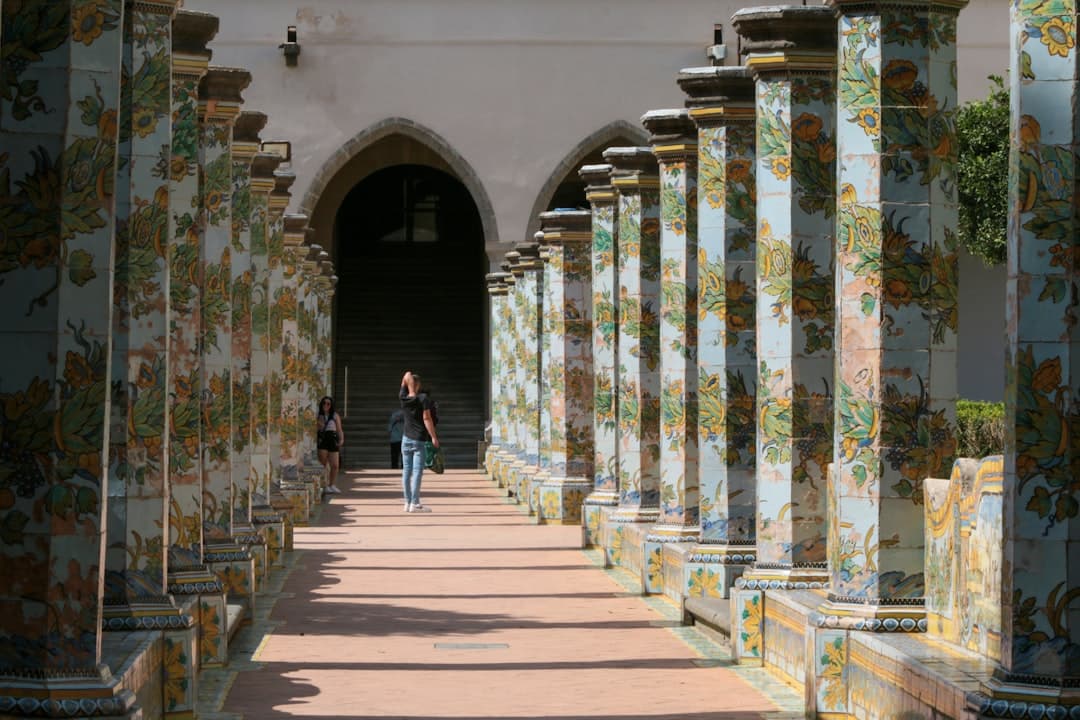
Herculaneum
In 79 AD, when Mount Vesuvius erupted, it didn't just bury Herculaneum under ash — it encased the entire town in a superheated flow of volcanic material up to 20 metres deep. That catastrophe, devastating as it was, turned out to be an extraordinary act of preservation. While Pompeii gets all the fame, Herculaneum — a prosperous Roman resort town home to wealthy merchants and aristocrats — survived in startling detail. Wooden furniture, carbonised food, painted walls in vivid colour, even a library of scrolls: the stuff that normally rots away over two millennia survived here because the pyroclastic surge sealed everything almost instantly. Walking through the site today feels genuinely uncanny. You descend into an excavated pit below the modern town of Ercolano, and suddenly you're on actual Roman streets, looking through doorways into rooms where the mosaic floors are still intact, where painted frescoes cling to walls, where a wooden bed frame sits in the corner of a bedroom. The House of the Stags, the House of Neptune and Amphitrite (named for its extraordinary seafood mosaic), the intact thermopolium where Romans grabbed their street food — the specific details here are what make it extraordinary. There are also the skeletal remains of over 300 people found huddled in the ancient boat sheds at the waterfront, one of the most sobering sights in all of Italy. Herculaneum is significantly smaller than Pompeii, which is actually a point in its favour — it's walkable in a focused half-day, less crowded, and the preserved detail per square metre is arguably higher. The site is managed by the Herculaneum Conservation Project, a collaboration that has done serious work on stabilisation and interpretation. Come in the morning when the light is good and crowds are thin. The modern town of Ercolano sits directly above and around the excavation, which gives the whole experience a strange layered quality — ancient Roman streets literally beneath someone's apartment building.
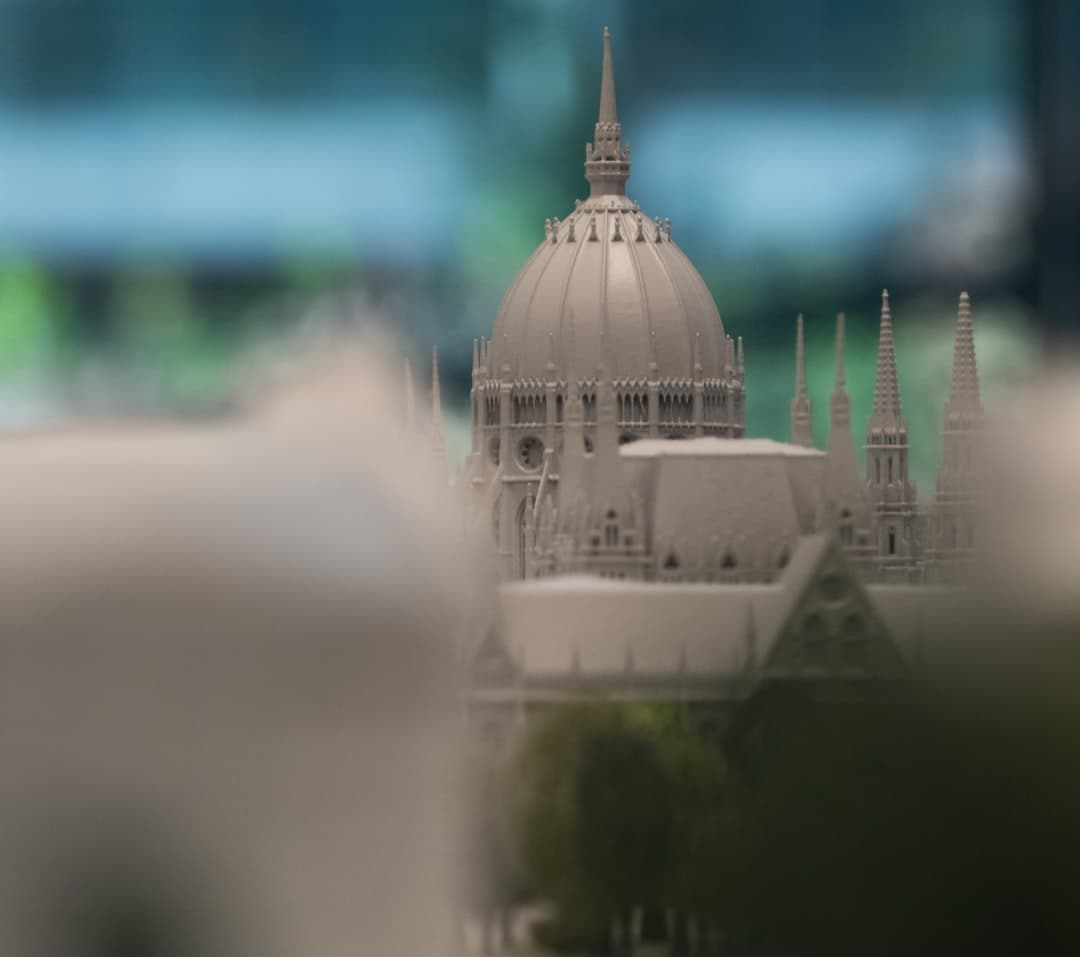
Heroes' Square
Heroes' Square — Hősök tere in Hungarian — is Budapest's most monumental public space, built to mark the 1,000th anniversary of the Magyar conquest of the Carpathian Basin in 1896. It sits at the head of Andrássy Avenue, a UNESCO World Heritage boulevard, and serves as both the symbolic heart of the Hungarian nation and one of the city's most visually arresting open-air spectacles. At its center stands the Millennium Monument: a 36-meter column topped by the Archangel Gabriel, flanked by two sweeping colonnades bearing bronze statues of Hungary's greatest rulers and national heroes, from the tribal chieftain Árpád to King Matthias Corvinus to Prince Rákóczi. Behind the square sit two of Budapest's most important cultural institutions — the Museum of Fine Arts on one side and the Kunsthalle (Hall of Art) on the other. Visiting is a simple, unhurried pleasure. You walk the square, read the names carved into the colonnades if you're curious, and look up — the scale of the thing is genuinely humbling. The bronze chariots and allegorical figures on the colonnade rooftops reward a closer look. Children tear around on the flat paving stones while couples take selfies in front of Gabriel's column. Locals cross through it on their way into Városliget, the large city park directly behind the square. In the evenings, the monument is lit up and the whole scene takes on a cinematic quality. Heroes' Square is free, always open, and pairs naturally with Városliget park and a visit to one of the two flanking museums. Come early on summer mornings to beat the tour groups. The square has also been the site of major historical events — it's where Hungary's communist-era state funeral for Imre Nagy was held in 1989, a pivotal moment in the fall of the Iron Curtain — so there's genuine weight beneath the photo-op surface.
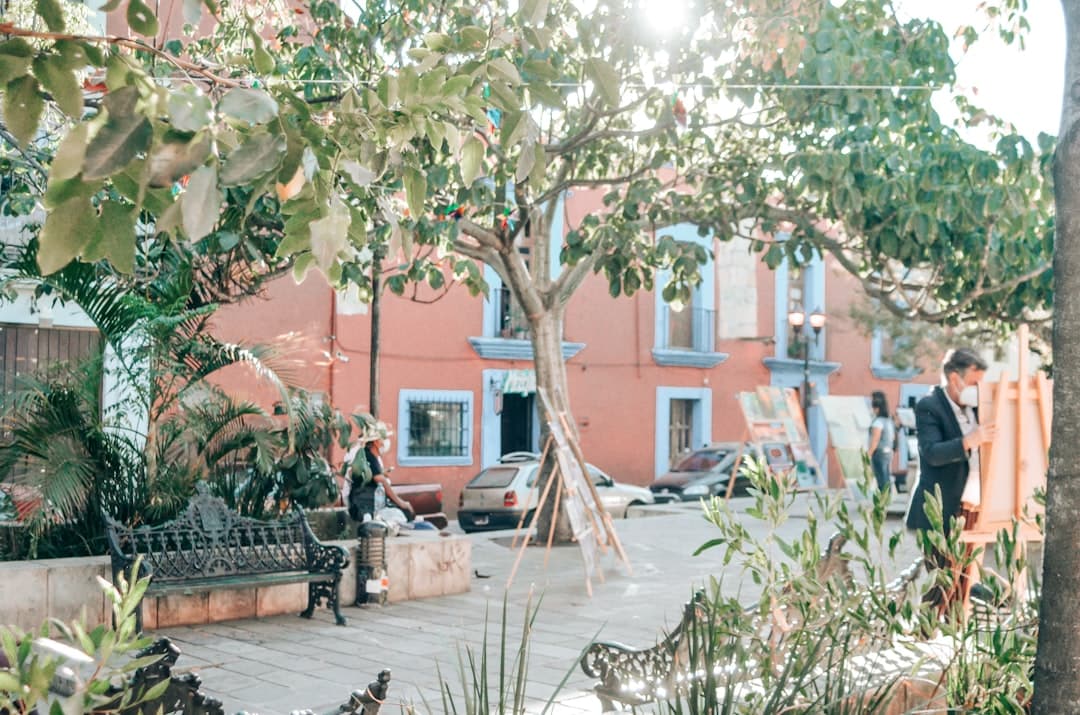
Hierve el Agua
Hierve el Agua is a natural rock formation about 70 kilometers east of Oaxaca City, in the Sierra Juárez highlands near the Zapotec village of San Isidro Roaguía. The name means 'the water boils' — not because the water is hot, but because mineral-rich springs bubble up from the earth like a simmering pot. Over thousands of years, calcium carbonate and other minerals carried by those springs have dripped over the cliff edge and slowly solidified into what looks, from a distance, like a frozen waterfall cascading down the mountainside. The largest formation drops about 30 meters. It's one of only two petrified waterfalls in the world — the other is in Italy — and it sits at roughly 1,500 meters above sea level with sweeping views over the valley below. What you actually do here is explore two main cliff formations — Cascada Grande (the big one) and Cascada Chica — connected by a well-worn hiking trail that winds along the rim and down to viewpoints at the base. There are also spring-fed pools at the top where you can swim; the water is cool, slightly brackish, and cloudy with minerals, and the infinity-edge effect looking out over the canyon is genuinely spectacular. The hike between the formations is dusty and exposed but not technical — maybe 45 minutes at an easy pace. Vendors sell mezcal, tlayudas, and cold drinks near the entrance and pools. This is a popular day-trip from Oaxaca City, usually combined with a stop at the nearby Tule Tree and sometimes Mitla ruins. Arriving early — before 9am — makes a real difference: you'll often have the pools nearly to yourself, and the morning light on the formations is soft and photogenic. Weekends draw bigger crowds, especially from Mexican families on holiday. Access has historically been complicated by disputes between neighboring communities over tourism revenue, so it's worth checking current access conditions before you go — the road situation can change.
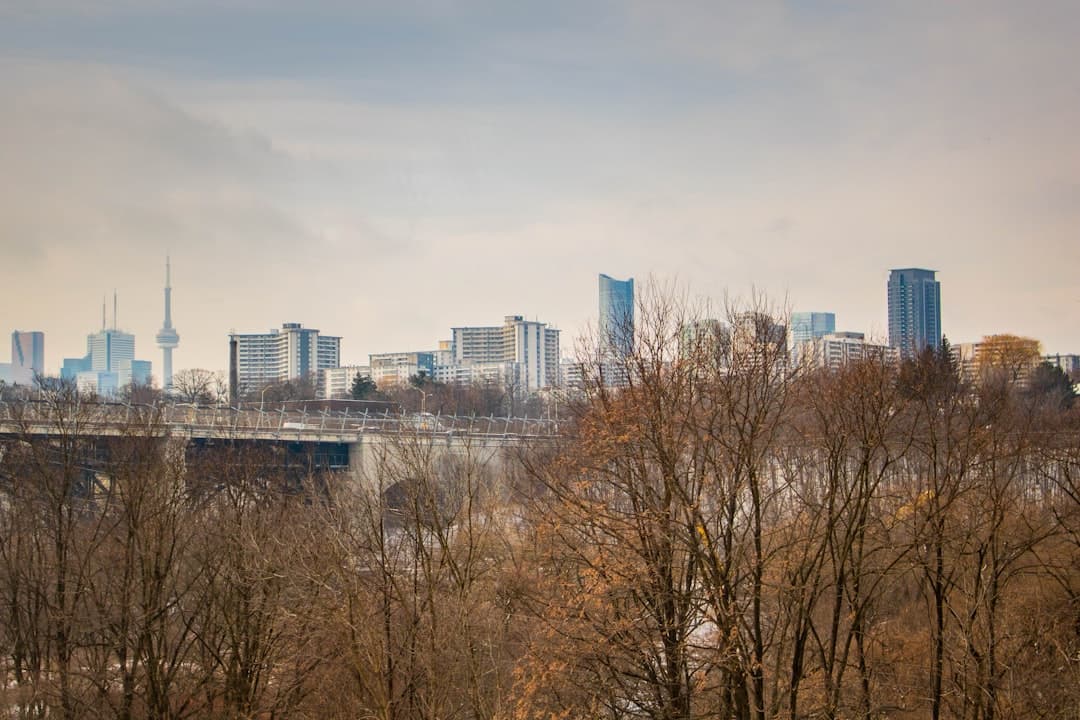
High Park
High Park is Toronto's largest and most beloved public park, covering about 161 hectares in the city's west end. It's the kind of place that genuinely earns the word 'beloved' — a sprawling mix of manicured gardens, wild natural areas, a zoo, sports facilities, and one of the best outdoor theatre experiences in Canada. The park has been a public green space since John George Howard, its original owner, donated it to the city in 1873, and that long history gives it a maturity and character that newer parks simply don't have. On any given day you might wander past the Grenadier Pond — a genuine glacial lake where people ice skate in winter and watch migrating birds in spring — then stumble through the oak savannah, one of the rarest ecosystems in Canada and a remnant of the pre-settlement landscape. The park has a small free zoo popular with families, a beautiful formal garden, a café, and countless trails that feel genuinely wild for a park sitting inside a major city. Shakespeare in High Park, a summer tradition running since 1983, draws thousands every year for free outdoor performances on warm evenings. The cherry blossoms at High Park are a phenomenon in themselves — one of the largest collections of Somei Yoshino cherry trees outside Japan, donated by the Japanese community, turning the hillside near Hillside Gardens into a pink spectacle for a few weeks every spring. Timing is everything: download the city's blossom tracker and go on a weekday morning. The park is open 24 hours, there's no admission, and parking can be brutal on weekends — take the TTC subway to High Park station and walk straight in.
High Roller
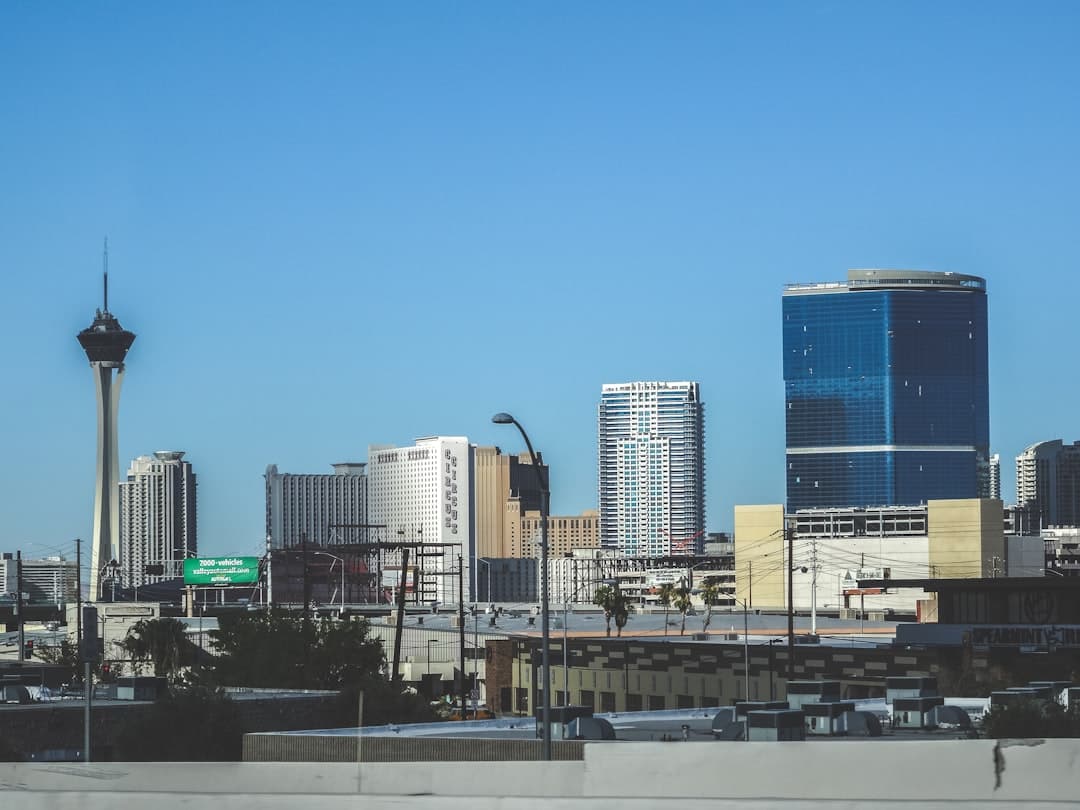
The High Roller is a 550-foot observation wheel — the tallest in the world when it opened in 2014 — anchoring the LINQ Promenade on the central Strip. Built by Caesars Entertainment, it's become one of Las Vegas's most recognizable landmarks, visible from miles away and offering a perspective on the city that you simply can't get anywhere else. Each ride takes you slowly around a full rotation in one of 28 air-conditioned glass cabins, giving you sweeping views of the Strip, the desert valley, and the distant Spring Mountains. You board one of the large spherical pods — each holds up to 40 people — and drift upward over about 30 minutes as Vegas unfolds around you. At the peak, you're looking straight down the length of the Strip in both directions, with downtown glittering to the north and the airport to the south. The pods are spacious enough to move around in, and the fully transparent walls mean there's no bad angle. In the evening, the city lights transform the view into something genuinely spectacular. There's also a "Happy Half Hour" option where your pod is stocked with a self-serve bar, which turns the ride into a moving cocktail party. Timing matters here. Daytime rides are clear and great for photos, but sunset and dusk are when the High Roller earns its reputation — the light over the desert goes golden just before the neon kicks in, and catching that transition from inside a pod is a legitimately memorable experience. The LINQ Promenade directly below is also worth walking before or after, with plenty of bars and restaurants to extend the evening.
Historic Center of Lima
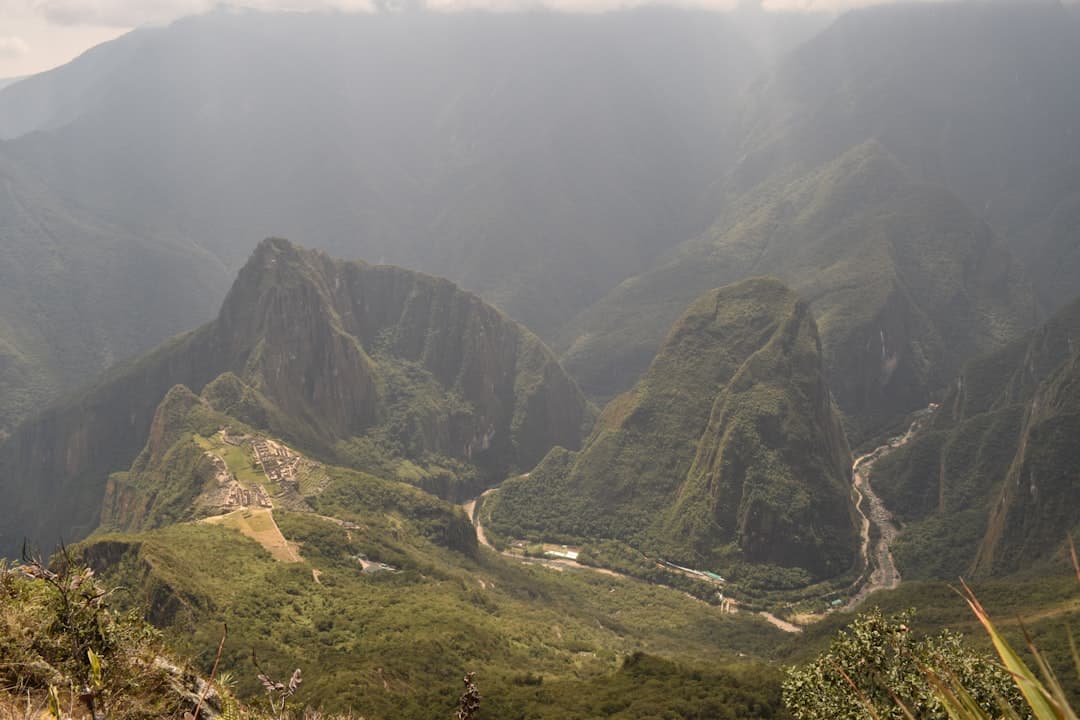
The Historic Center of Lima is the original heart of the city founded by Spanish conquistador Francisco Pizarro in 1535, and it remains one of the best-preserved colonial urban centers in the Americas. Recognized as a UNESCO World Heritage Site since 1988, it's a dense concentration of baroque churches, ornate carved wooden balconies, grand republican plazas, and centuries-old convents — all still in active use. This isn't a frozen museum piece; people live, work, pray, and shop here every day, which gives it an energy that pure tourist zones rarely have. The anchor of the whole district is the Plaza Mayor, flanked by the Government Palace, the Cathedral of Lima, the Archbishop's Palace, and the Municipal Palace — four institutions that between them tell most of Peru's political and religious history. From there you can fan out to the Monastery of San Francisco, famous for its catacombs holding the bones of tens of thousands, the ornate Iglesia de La Merced, and the Jiron de la Union pedestrian street connecting the plaza to the Plaza San Martín to the south. The carved wooden balconies overhanging the streets — a distinctive Lima architectural tradition — are some of the finest examples anywhere in the Spanish colonial world. The center is best explored on foot in the morning when it's cooler and less crowded, and weekdays are noticeably calmer than weekends. Security has improved significantly in recent years, particularly around the main plazas and Jiron de la Union, but stay alert in side streets and keep valuables concealed. Hiring a local guide for a few hours is genuinely worth it here — the layers of history packed into a few city blocks reward context, and the guides working the plaza area are knowledgeable and affordable.
Historium Bruges
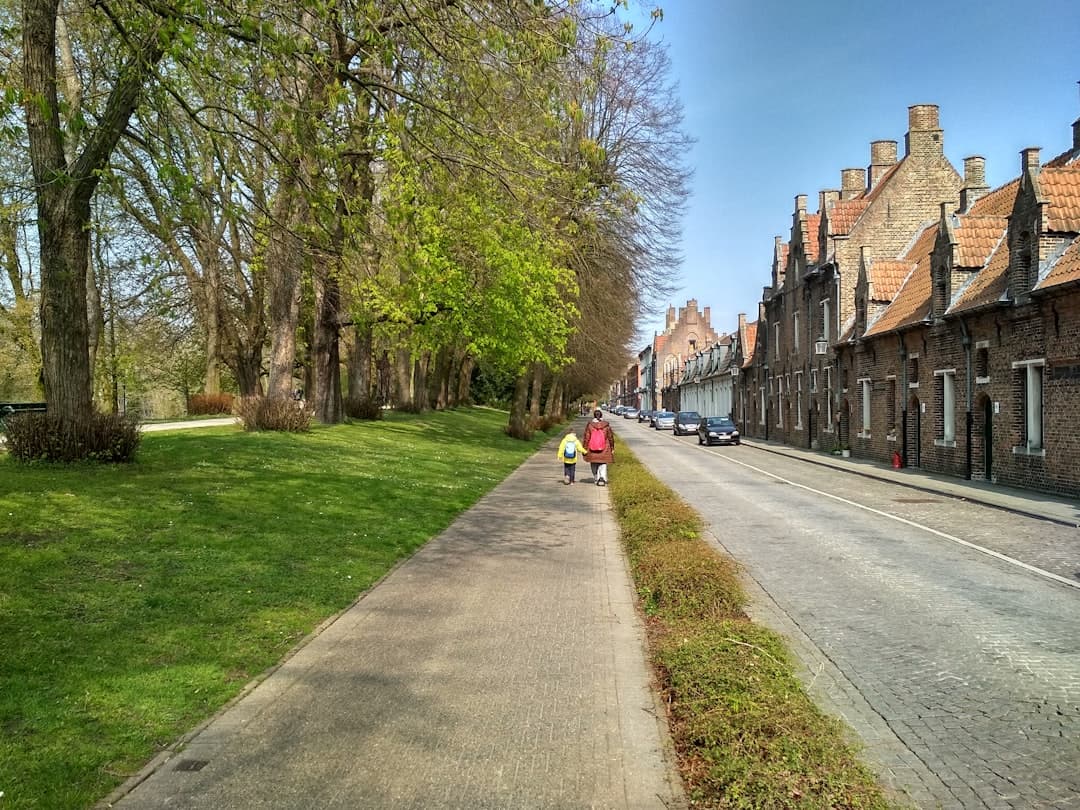
Historium is an experiential attraction on Bruges' central market square — the Markt — that recreates the city as it would have appeared in its golden age, around 1430. At that time, Bruges was one of the most prosperous and cosmopolitan cities in Europe, a hub of Flemish cloth trade and early capitalism, and the home of Jan van Eyck. The attraction uses a mix of theatrical staging, film, sets, sound design, and artefacts to put you inside that world, telling a fictional story of a young traveller arriving in the city during that era. In practice, you move through a series of elaborately designed rooms — a merchant's house, a harbour, a painter's workshop — each representing a different facet of 15th-century life. There's a short immersive film at the heart of it narrated in a cinematic style, and the whole journey leads you upward through the building, which is itself a neo-Gothic structure from 1914 sitting right on the Markt. At the top, you step out onto a rooftop terrace with a stunning view over the square, the Belfry, and the city's rooftops — one of the better elevated views in Bruges without climbing a hundred-plus stairs. The building also houses a Jan van Eyck exhibition exploring his life and work in Bruges, and a bar at the top level where you can linger over a Belgian beer with that view. It's pitched at a general audience and works particularly well with older children and anyone who wants context before wandering the city's medieval streets. It's not a traditional museum — there are no significant original artefacts — but as an orientation and storytelling experience, it's genuinely well-executed.
Ho Chi Minh Mausoleum
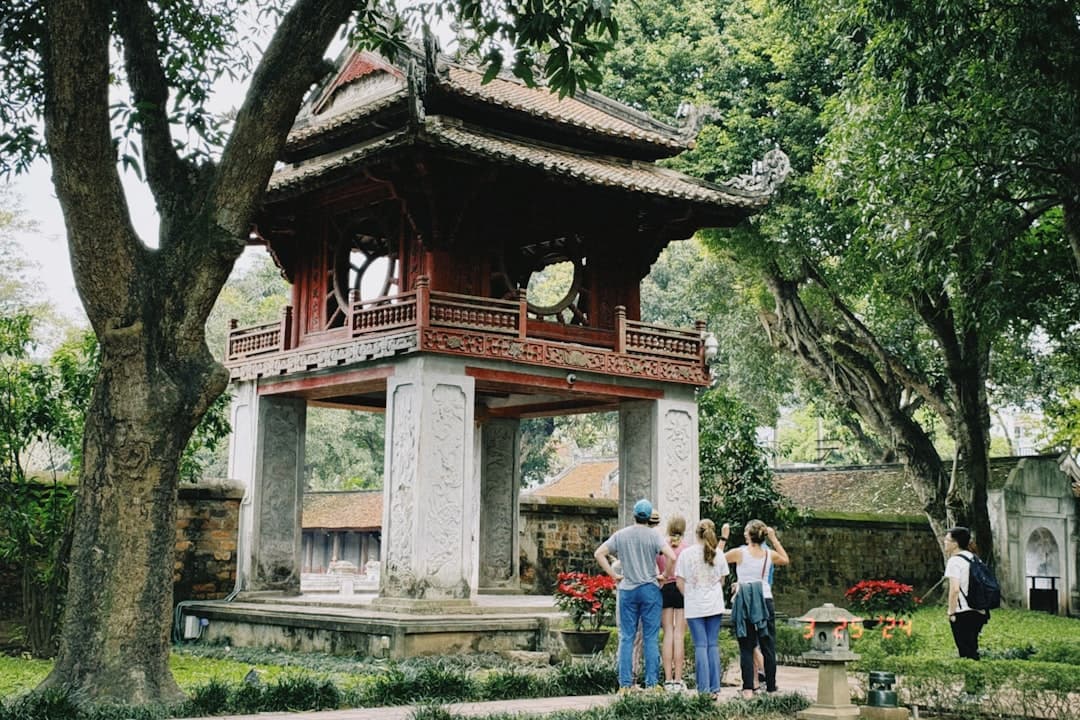
The Ho Chi Minh Mausoleum is one of the most politically and emotionally charged sites in Southeast Asia. Built between 1973 and 1975 and modeled loosely on Lenin's Mausoleum in Moscow, it houses the preserved body of Ho Chi Minh — the revolutionary leader who led Vietnam's independence movement and became the founding father of the Democratic Republic of Vietnam. He died in 1969, and despite his own wishes to be cremated, the Vietnamese government chose to embalm him as a symbol of national unity. The building itself is a striking piece of socialist architecture: severe grey granite, geometric and monumental, set on Ba Dinh Square where Ho Chi Minh read the Declaration of Independence in September 1945. Visiting is a genuinely solemn experience unlike anything else in Vietnam. You queue outside, surrender bags at a security checkpoint, and then file slowly through the dim interior in near silence. Guards in white dress uniforms stand at attention at every turn. Ho Chi Minh lies in a glass case, softly lit, hands folded — smaller and more peaceful-looking than most visitors expect. The whole procession takes only a few minutes inside, but the atmosphere is profound and strangely moving even for non-Vietnamese visitors. Outside, the surrounding grounds are immaculate, and the complex connects directly to the Presidential Palace, the One Pillar Pagoda, and the Ho Chi Minh Museum, making it the anchor of a broader historical precinct worth spending a half-morning on. The mausoleum closes for roughly two months each year — typically September and October — when the body is sent to Russia for maintenance. It also closes on Mondays and Fridays every week. Hours are strictly morning-only, so plan your visit early. Dress modestly and behave respectfully: this is a place of genuine reverence for millions of Vietnamese people, not just a tourist attraction. Photography inside the mausoleum is strictly forbidden.
Hoa Lo Prison
Hoa Lo Prison is one of Hanoi's most sobering and historically significant sites — a place where the full weight of Vietnam's colonial past and wartime experience collides with the present. Built by the French in the 1890s to house Vietnamese political prisoners, it became notorious for brutal conditions and overcrowding. Later, during the American War of the 1960s and 70s, it held U.S. prisoners of war — most famously Senator John McCain, who was shot down over Hanoi in 1967. American POWs sardonically nicknamed it the 'Hanoi Hilton,' a bitter joke about the gap between the prison's grim reality and its diplomatic framing. Today only a small portion of the original complex survives — much of it was demolished in the 1990s to make way for the Hanoi Towers development that now looms overhead. What remains has been converted into a museum with two distinct narratives. The French colonial section is genuinely harrowing: you'll see original guillotines, cramped cells with shackled mannequins, and documentation of the mass executions and starvation that characterized French colonial justice. The American War section has a markedly different tone — it presents the POW experience in largely sympathetic terms toward Vietnamese captors, with photos of prisoners playing basketball and celebrating Christmas. It's a carefully constructed counter-narrative, and recognizing that tension is part of what makes Hoa Lo intellectually interesting rather than simply depressing. Plan to arrive early, before tour groups pack the corridors. The museum is compact but dense — rushing it would be a disservice to what happened here. Audio guides are available and worth taking. If you're visiting with strong feelings about the Vietnam War from an American perspective, be prepared for a version of events that differs substantially from what you might expect. That discomfort is the point.
Hoan Kiem Lake
Hoan Kiem Lake sits at the center of Hanoi's Old Quarter, and it functions as the city's living room — a place where locals exercise at dawn, couples stroll at dusk, and tourists get their first real sense of what this city feels like at street level. The name translates to 'Lake of the Returned Sword,' a reference to a 15th-century legend in which Emperor Le Loi returned a magical sword to the Golden Turtle God after using it to drive out Chinese invaders. That story still shapes how the lake is understood — not just as a park, but as a symbol of Vietnamese independence and identity. The lake itself is small enough to walk around in 30 minutes, but most visitors linger far longer. On a small island near the northern shore sits Ngoc Son Temple, connected to the bank by a bright red wooden bridge called The Huc — one of the most photographed spots in all of Vietnam. The temple is dedicated to the 13th-century military general Tran Hung Dao and houses a preserved giant soft-shell turtle, a species once seen in the lake and tied directly to the sword legend. In the middle of the lake, the solitary Turtle Tower rises from a small rocky island, its silhouette reflected in the green water and visible from nearly every angle around the shore. Weekend evenings bring a different energy entirely — from Friday night through Sunday, the streets immediately surrounding the lake are closed to traffic and become a pedestrian zone filled with street food, performers, games, and thousands of locals. This is when Hoan Kiem feels most like a true community gathering place rather than a tourist attraction. Come early morning on any day to see elderly residents doing tai chi and aerobics on the lakeside paths — it's one of those honest, unhurried moments that no guided tour will manufacture for you.
Hofburg Palace
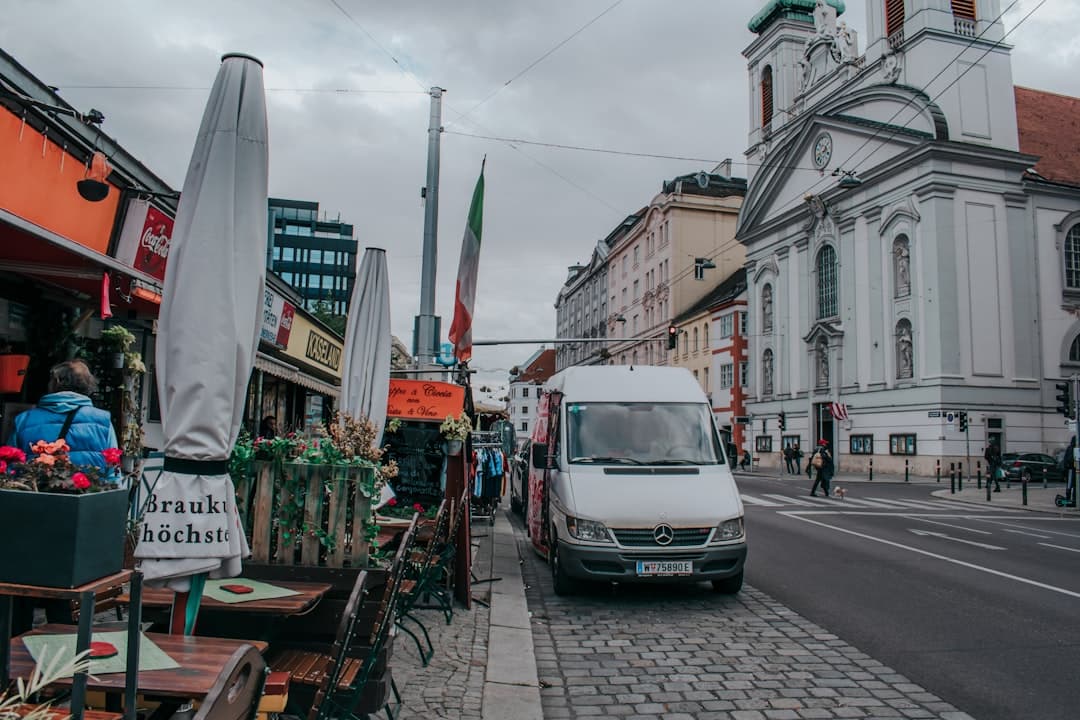
The Hofburg was the seat of the Habsburg dynasty — one of the most powerful royal families in European history — for over 600 years, and it shows. Sprawling across the heart of Vienna's first district, this vast palace complex isn't a single building but a city-within-a-city: 18 wings, 19 courtyards, and more than 2,600 rooms built and rebuilt from the 13th century through to the early 20th. The Habsburgs ruled an empire that at its peak stretched from Spain to Hungary, and the Hofburg was where they lived, governed, and projected their authority. Today it houses the Austrian president's official residence, several world-class museums, and the Spanish Riding School — all still functioning, all still magnificent. In practical terms, a visit to the Hofburg means choosing what to focus on, because you genuinely cannot see everything in a day. The Imperial Apartments — where Emperor Franz Joseph and Empress Elisabeth (the beloved 'Sisi') lived and worked — are among the most visited rooms in Vienna, filled with original furnishings, portraits, and an almost eerie sense of preserved daily life. The Sisi Museum within the same ticket traces her complicated, melancholy life with real nuance. The Imperial Silver Collection (Silberkammer) displays the breathtaking tableware and ceremonial objects used for Habsburg banquets. Separately, the Imperial Treasury holds the Habsburg crown jewels and, most strikingly, the 10th-century Imperial Crown of the Holy Roman Empire — one of the most significant objects in all of European history. The Spanish Riding School, where Lipizzan stallions have been trained in classical dressage since 1565, requires a separate ticket but is genuinely unlike anything else. A combined ticket for the Imperial Apartments, Sisi Museum, and Silver Collection is the most popular entry point and takes roughly two to three hours at a comfortable pace. Arrive early — by 9am — to beat the tour groups that flood in mid-morning. The Hofburg sits on Heldenplatz and connects directly to the Kunsthistorisches Museum and the Volksgarten, so it pairs naturally with an afternoon in either. Audio guides are included with most tickets and are worth using — the context transforms what would otherwise feel like a procession of gilded rooms into something genuinely moving.
Hoi An Ancient Town
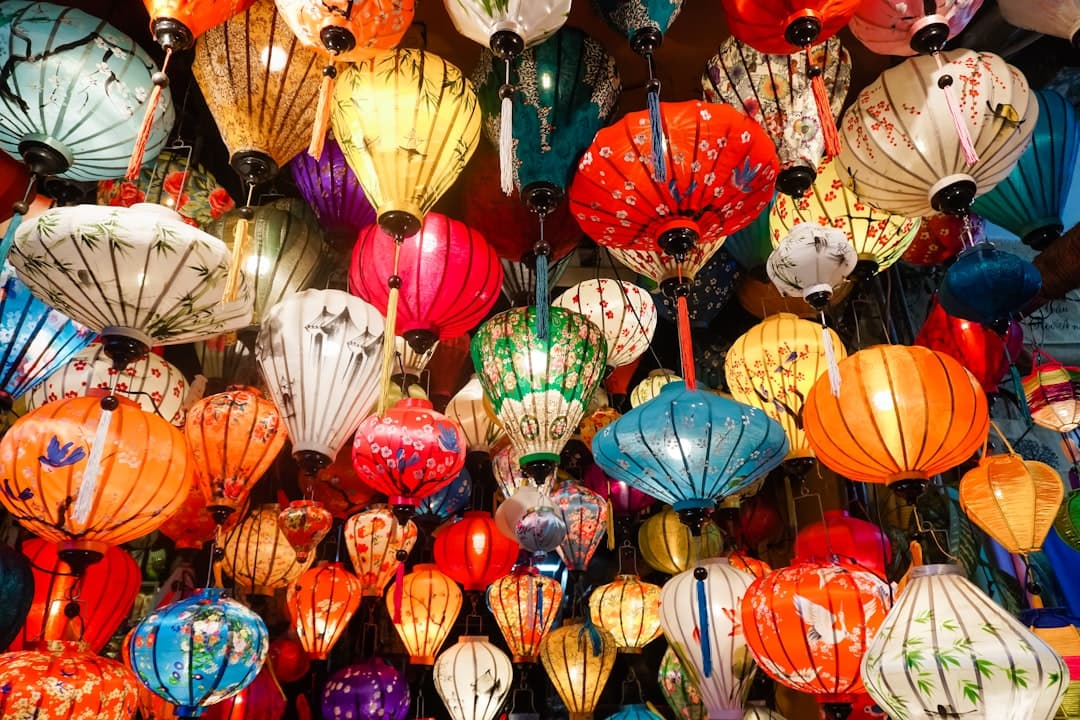
Hoi An Ancient Town is a remarkably preserved merchant port on central Vietnam's Thu Bon River that flourished between the 15th and 19th centuries as one of Southeast Asia's most important trading hubs. Japanese, Chinese, and Dutch merchants all passed through, leaving behind an architectural legacy so intact and layered that UNESCO designated it a World Heritage Site in 1999. Walking its streets feels genuinely different from other historic districts — the buildings are lived in, the tailors are still working, and the cooking traditions that developed here have their own distinct identity recognized even within Vietnam. The old town is compact enough to cover on foot but rich enough to fill days. The Japanese Covered Bridge, built around 1593, is the town's most iconic structure and still stands at the western end of Trần Phú Street. Nearby are the Chinese assembly halls — Phúc Kiến Hội Quán being the most spectacular — along with merchant houses like Tấn Ký that open their dark-timbered interiors to visitors. Come evening, the streets are strung with hundreds of silk lanterns in every color, and the riverside fills with visitors releasing flower lanterns onto the water. The whole town shifts into a softer, more dreamlike version of itself after sunset. A single combined ticket (purchased at booths around the old town) covers entry to five heritage sites of your choice from a list of around 20, including assembly halls, museums, and traditional houses. The ticket system means you don't need to plan far in advance — just buy on arrival. Early morning before 8am is dramatically quieter, when locals do their shopping at the central market and the streets belong mostly to cyclists and coffee drinkers. Consider basing yourself here rather than day-tripping from Da Nang — the town's character changes completely once the tour buses leave.
Hoi An Night Market
The Hoi An Night Market runs along Nguyễn Hoàng Street on the An Hội peninsula, a small island in the middle of the Thu Bon River connected to the ancient town by the iconic An Hội Bridge. Every evening after dark, the street transforms into a dense corridor of stalls selling hand-painted lanterns, embroidered clothing, silk scarves, lacquerware, and all manner of Vietnamese handicrafts. It's one of the most photogenic and atmospheric night markets in Southeast Asia — not because it's polished, but because it sits inside a UNESCO World Heritage town where the surrounding shophouses are 200 years old and the river reflections of silk lanterns are genuinely stunning. In practice, you wander. You'll pass vendors calling out from stalls piled high with fabric and trinkets, food carts grilling bánh mì and skewers of meat, and women selling handmade lanterns that glow in every colour. The market is compact enough to walk end to end in twenty minutes, but most people loop back repeatedly, stopping for a bowl of cao lầu (Hoi An's signature noodle dish, available nearby) or a fresh coconut before heading onto the footbridge to watch the river. Bargaining is expected and mostly friendly — vendors open high, so come in at around half their asking price and meet somewhere reasonable. The market runs every night of the week, typically from around 6pm until 10pm, though vendors start packing up before the official closing time. Friday, Saturday, and the 14th of each lunar month (when the ancient town dims its electric lights for the Full Moon Lantern Festival) are the busiest and most atmospheric nights. Get there at opening if you want photos without crowds, or lean into the chaos and go at 8pm when the whole peninsula is buzzing.
Hoi An Silk Village
Hoi An Silk Village is a working cultural attraction on the western edge of Hoi An that brings together the full story of Vietnamese silk production under one roof. Hoi An has been a silk trading town for centuries — during its heyday as a major Southeast Asian port in the 16th and 17th centuries, silk was one of its most prized exports — and this complex attempts to keep that heritage alive as a hands-on educational experience rather than just a museum display. It sits a few kilometres outside the Ancient Town, set within gardens alongside a lotus pond. The experience takes you through the entire silk-making process in sequence: you see live silkworms feeding on mulberry leaves, watch the delicate process of reeling silk from cocoons in hot water, and observe weavers working traditional looms to produce finished fabric. Demonstrations are given by local artisans, and the quality of the weaving on display — intricate patterns produced on handlooms — is genuinely impressive. After the tour, there's a showroom where you can purchase silk products directly, from scarves and ao dai fabric to custom tailoring, which connects naturally to Hoi An's thriving tailoring scene in town. The village is set up to be accessible for visitors with no background in textiles — commentary is provided in English and the process is explained step by step. It's a manageable half-morning or half-afternoon trip from the Ancient Town, best reached by bicycle, motorbike, or taxi. Go in the morning when light in the garden area is better and the artisans are typically at full work. The attached restaurant and garden make it possible to extend your visit into lunch.
Hollywood Sign
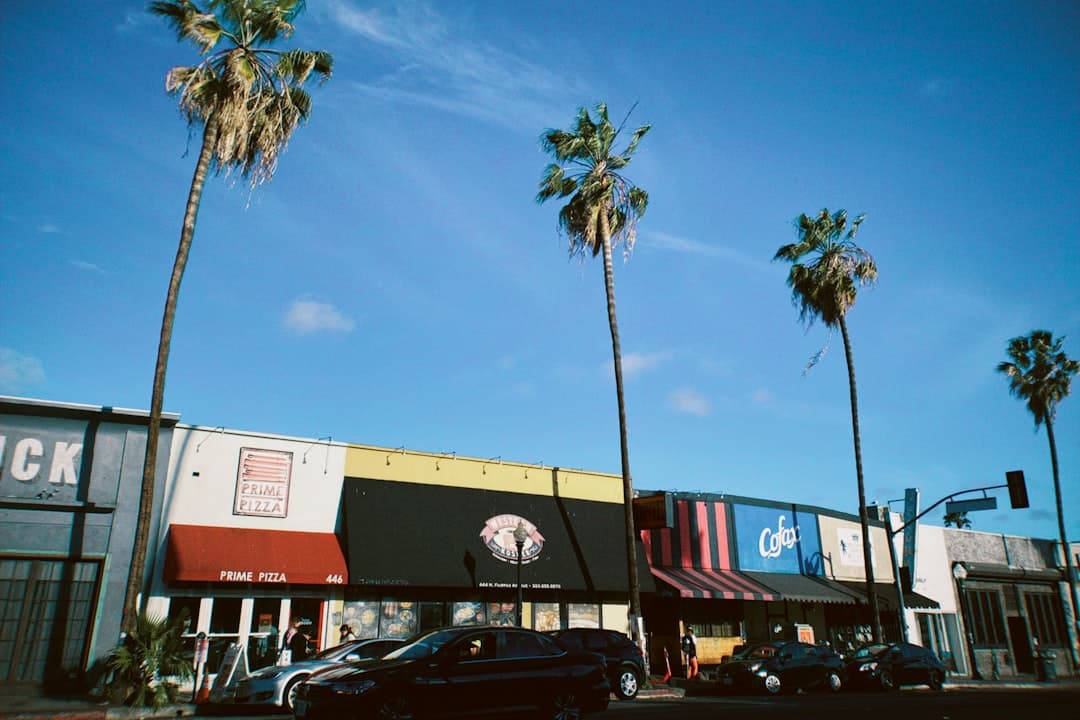
The Hollywood Sign is a 45-foot-tall white steel letter monument stretching 350 feet across the southern slope of Mount Lee in the Santa Monica Mountains. Originally erected in 1923 as a real estate advertisement for a hillside housing development called 'Hollywoodland' — the last four letters were dropped in 1949 — it became an accidental symbol of the entire entertainment industry and, by extension, American ambition itself. It's one of the most photographed landmarks on the planet, and seeing it in person for the first time carries a genuine charge, even if you think you're immune to that kind of thing. Most visitors don't get close to the sign itself — the fenced perimeter keeps you a respectful distance away — but the real reward is the hike to get there. The most popular route is the Griffith Observatory Trail from Griffith Park, which winds up through dry chaparral and coastal sage scrub before arriving at a viewpoint above and behind the letters. You can also approach via the Wisdom Tree Trail from Burbank or the longer Brush Canyon Trail from the Hollywood side. What you actually see changes dramatically depending on where you stand: the classic postcard view (sign in front, city sprawling behind it) is best captured from below, from spots like the Griffith Observatory grounds, the Hollywood & Highland observation deck, or the end of Mulholland Drive near the Lake Hollywood Reservoir. The Lake Hollywood Park viewpoint on Weidlake Drive is a genuine insider move — it frames the sign beautifully against the reservoir with far fewer crowds than the observatory. If you're hiking up to the sign itself, go early on a weekday morning before the heat builds and before the trail fills with tour groups. The sign is monitored by cameras and patrolled, so don't try to climb the fence — people do get arrested. Parking near the trailheads is genuinely difficult on weekends; many hikers take a rideshare to the trailhead and walk back down.
Holocaust Memorial
The Memorial to the Murdered Jews of Europe — known informally as the Holocaust Memorial — is a sprawling outdoor monument in the heart of Berlin dedicated to the approximately six million Jewish victims of the Holocaust. Designed by American architect Peter Eisenman and opened in 2005, it occupies a full city block just steps from the Brandenburg Gate and the former site of Hitler's bunker. It is not a museum in any traditional sense, and it does not explain history through plaques or exhibits. Instead, it confronts you with feeling. The memorial consists of 2,711 grey concrete stelae — rectangular blocks ranging from ankle height to over four metres tall — arranged in a grid across gently undulating ground. You walk into it. As the ground slopes downward and the blocks rise around you, the familiar sounds of the city fade and a strange, disorienting quiet takes over. There is no prescribed path, no correct way to move through it, and that ambiguity is deliberate. Beneath the field is an underground information centre, the Ort der Information, which provides the human context: names, faces, diary entries, and the documented fates of individual families. That part will stay with you. The memorial is open at all hours, free to enter above ground, and the information centre charges a small admission. Timed entry for the centre is worth arranging in advance during peak summer months. Come in the morning if you can — the stelae cast extraordinary shadows in early light, and the reflective mood of the space is easily shattered by crowds. The memorial sits between Ebertstraße and Cora-Berliner-Straße in the Mitte district, within easy walking distance of Potsdamer Platz and Tiergarten. If you are visiting Berlin for the first time, this is not optional.
Hongdae District
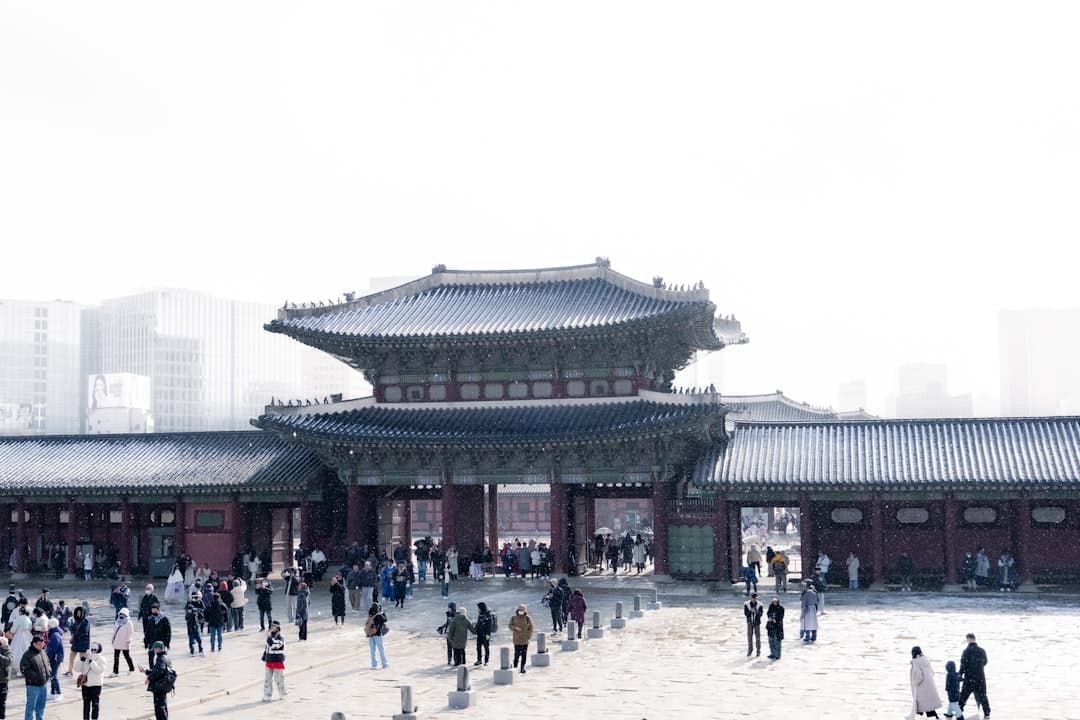
Hongdae is Seoul's most creatively charged neighborhood, built around Hongik University — one of South Korea's most prestigious fine arts schools. Over decades, the area evolved from a student hangout into the city's beating heart of indie culture, producing everything from underground music venues and DIY art spaces to some of Seoul's most inventive street fashion and food. It's not a single attraction but an entire district that you wander, discover, and absorb — equal parts gallery, concert hall, night market, and social experiment. On any given evening, the streets between Hongik University Station and the main club strips are alive with buskers performing original music, pop-up vintage stalls, and crowds spilling out of basement bars and rooftop venues. Daytime Hongdae is calmer but still rich — you'll find independent clothing boutiques, character-themed cafes, comic art studios, and the sprawling Hongdae Free Market on weekends, where local artists and designers sell handmade goods directly to the public. The residential back alleys hide excellent low-key restaurants, craft beer bars, and tiny record shops worth hours of browsing. Hongdae rewards wandering rather than planning. Most of the best finds — a live jazz set drifting from a half-open door, a tteok (rice cake) street food cart operating until 3am, a courtyard gallery showing student work — are stumbled upon rather than searched for. Come after dark on a Friday or Saturday for the full energy, but don't overlook the quieter Wednesday afternoon version, which feels more authentically local and less tourist-facing.
Hoover Dam
Hoover Dam is one of the most audacious engineering achievements of the 20th century — a 726-foot concrete arch-gravity dam built during the Great Depression on the Colorado River, straddling the border between Nevada and Arizona. Completed in 1936, two years ahead of schedule, it was the largest dam in the world at the time and remains one of the most visited man-made structures in the United States. It created Lake Mead, still one of the largest reservoirs in the country by volume, and generates hydroelectric power for Nevada, Arizona, and California. Coming here puts you face-to-face with the sheer ambition of an era when the government employed 21,000 workers in the Mojave Desert to do something that had never been done before. Most visitors walk the top of the dam itself, which straddles the state line — there's something genuinely fun about standing with one foot in Nevada and one in Arizona. The outdoor experience is dramatic: the drop into Black Canyon is vertiginous, the turquoise water of Lake Mead stretches behind you, and the scale of the concrete structure is hard to fully absorb until you're standing on it. For a deeper look, the Power Plant Tour takes you inside to see the massive generators still humming away, and the more comprehensive Hoover Dam Tour descends into the tunnels and diversion works. The visitor center on the Nevada side has a well-done exhibition on the dam's construction, including stories about the workers who lived in nearby Boulder City. The dam is about 30 miles southeast of the Las Vegas Strip — an easy 45-minute drive. Go early in the morning if you can: summer temperatures in Black Canyon regularly hit 110°F by midday, and the parking situation gets genuinely painful as the day wears on. The Mike O'Callaghan–Pat Tillman Memorial Bridge, completed in 2010, offers one of the best aerial views of the dam from a dedicated pedestrian walkway — cross it on foot for a perspective most people miss.
Hortus Botanicus
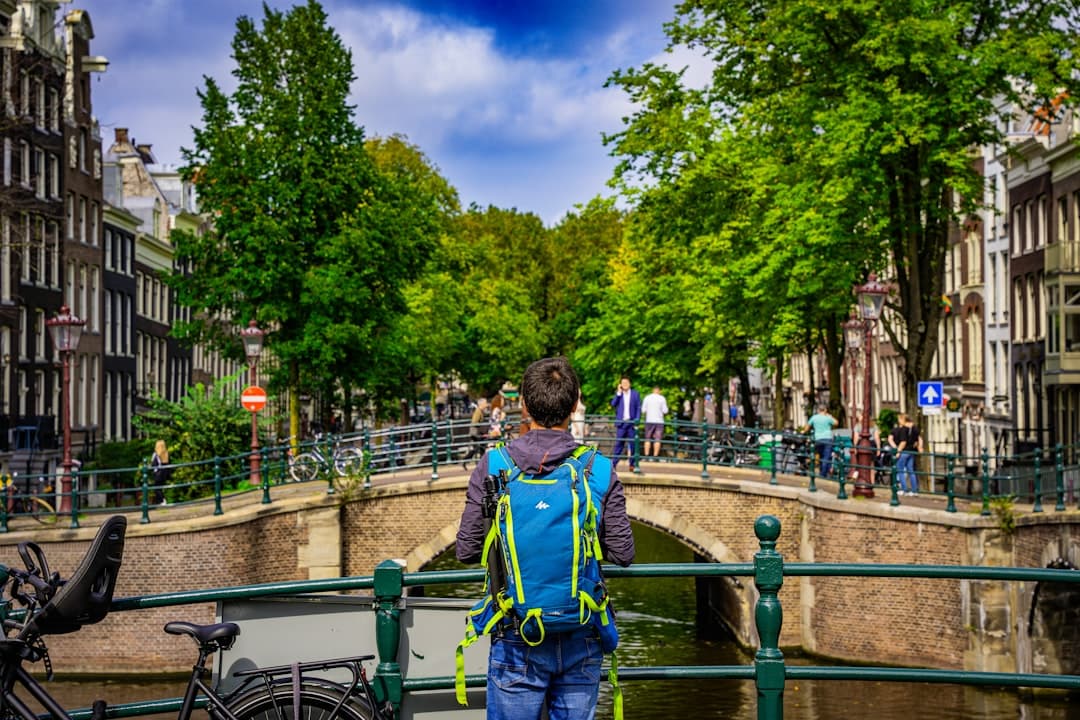
The Hortus Botanicus is one of the oldest botanical gardens in the world, founded in 1638 as a medicinal herb garden for Amsterdam's doctors and apothecaries. It sits in the Plantage neighbourhood, just east of the city centre, and has been quietly collecting and cultivating plants for nearly four centuries. What started as a practical resource for treating plague victims eventually grew into a scientific institution of global importance — the garden played a significant role in the Dutch spice trade, and plants like coffee, cinnamon, and palm oil were propagated here before being shipped to Dutch colonies around the world. Today the garden covers about 1.2 hectares and contains around 6,000 plant species across a series of beautifully maintained outdoor beds, a butterfly greenhouse, a three-climate greenhouse, and a monumental glass-and-iron palm house. The star attraction for many visitors is a 300-year-old Eastern Cape cycad — one of the oldest potted plants on earth — which arrived in Amsterdam in 1686 and hasn't moved since. Beyond that singular specimen, you wander through rose gardens, a formal herb garden, an ornamental pond, and a semi-tropical greenhouse that genuinely feels like stepping into a different continent. This is a wonderfully manageable attraction — small enough to explore fully in a couple of hours but rich enough to reward slow wandering. The on-site café is a lovely spot for coffee after the greenhouses. Because it sits in the Plantage district, it pairs naturally with a visit to Artis Zoo next door or a stroll through the broader neighbourhood, which has its own layered Jewish history worth knowing. Tickets are reasonably priced and can be bought at the door on most days, though weekends in spring can draw crowds.
Huaca Huallamarca
Huaca Huallamarca is an ancient adobe pyramid built by the Lima culture roughly 2,000 years ago, long before the Inca ever arrived in the region. It sits in the middle of San Isidro, one of Lima's most upscale residential and business districts, which creates a genuinely striking contrast — manicured apartment buildings and glass office towers pressed right up against a stepped mud-brick mound that has been here since around 200 AD. The site was also used by later cultures including the Ichma and eventually the Inca, making it a layered archaeological record spanning more than a millennium. The name Huallamarca comes from the Quechua word for the Lima culture's people. Visitors climb to the top of the pyramid via a restored ramp, which gives you a clear view over the surrounding neighborhood and the site's ceremonial platform. An onsite museum — small but well-organized — displays ceramics, textiles, and human remains recovered during excavations, including mummified individuals buried in the distinctive seated position typical of pre-Columbian Andean cultures. One of the most remarkable finds on display is the mummy of a woman nicknamed "La Dama de Huallamarca," discovered with elaborate funerary goods that suggest high social status. Everything is labeled in Spanish and English, which is rare for Lima's smaller archaeological sites. Because it sits in San Isidro rather than the more tourist-heavy Miraflores or Barranco, Huallamarca sees far fewer visitors than it deserves. You can show up on a weekday and practically have the place to yourself. Admission is inexpensive, the staff are genuinely enthusiastic, and you can pair a visit with a coffee or lunch at any number of good restaurants within easy walking distance. It's the kind of place that reminds you Lima has thousands of years of history underneath it — the city itself sits on top of more than 400 pre-Columbian sites.
Huaca Pucllana
Huaca Pucllana is a massive ceremonial and administrative pyramid built by the Lima Culture — a pre-Inca civilization that flourished on Peru's central coast between roughly 200 and 700 AD. Rising dramatically from the middle of Miraflores, one of Lima's wealthiest residential districts, the site covers about 5.5 hectares and reaches nearly 22 meters at its peak. It was built using millions of small hand-made adobe bricks stacked in a distinctive 'bookshelf' pattern that gives the structure flexibility against earthquakes — an engineering solution that still impresses engineers today. Long before the Incas arrived, this was a place of ritual feasting, offerings, and political power. Visiting is a genuinely rewarding experience. Guided tours in Spanish and English take you around the base and up pathways onto the pyramid itself, where you can look out across the surrounding city and feel the strange, slightly surreal sensation of standing on ancient mud brick while modern apartment blocks loom on every side. The site museum holds ceramics, textiles, and human remains recovered from excavations that are still ongoing — archaeologists are actively working here, and if you visit during the day you may well see a dig in progress. The setting at dusk, when the pyramid is lit against a darkening sky, is genuinely atmospheric. The evening hours are worth knowing about: the site stays open late on most nights, and there is an upscale restaurant — also called Huaca Pucllana — right on the grounds with direct views of the illuminated pyramid. It serves contemporary Peruvian cuisine and is a legitimate destination in its own right. Tuesday is the one day the site is fully closed, which catches a lot of visitors off guard. Entrance fees are modest by international standards, and the guided tour is included in the ticket price, which makes this one of Lima's better value cultural experiences.
Humayun's Tomb
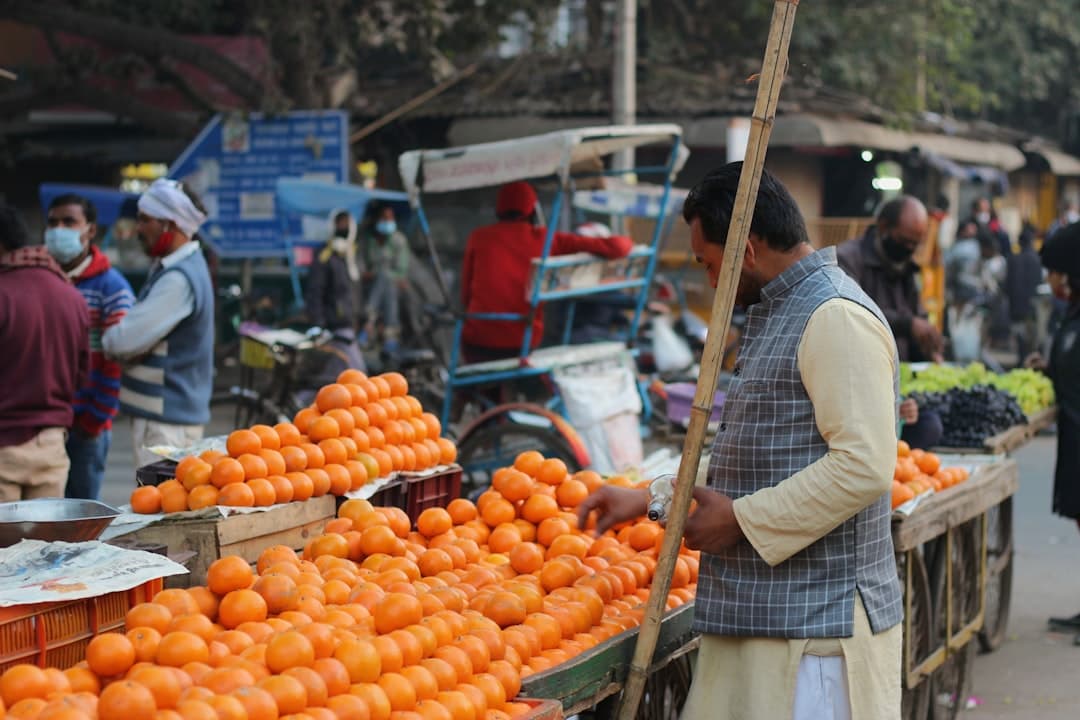
Humayun's Tomb is a 16th-century mausoleum built for the Mughal Emperor Humayun by his widow Haji Begum, completed around 1572. It was the first garden-tomb on the Indian subcontinent — a Persian concept that would go on to define Mughal architecture for the next century and a half. The building is a UNESCO World Heritage Site and represents a genuine turning point in how the Mughals thought about death, memory, and power. Standing 47 metres tall, clad in red sandstone with white marble inlay, it introduced double domes and a char bagh — a four-part walled garden — to India. Without it, there is no Taj Mahal as we know it. Visiting means arriving into the char bagh and walking straight paths through formal, irrigated garden quadrants toward the central platform. The tomb itself sits elevated on a massive plinth, and climbing up gives you a view across the garden and the surrounding landscape of Old Delhi's periphery. Inside, the cenotaph chamber is cool and hushed. The complex also contains several smaller tombs and monuments — including Isa Khan's octagonal garden-tomb from an earlier era — making this effectively an open-air museum of pre- and early-Mughal funerary architecture. The Archaeological Survey of India has done significant restoration work here, and the gardens are among the best-maintained Mughal gardens in India. This is best visited in the morning before tour groups arrive in force. The light on the sandstone is exceptional in the early hours, and the gardens are quiet enough that you can actually hear birds. It sits in Nizamuddin East, right next to the famous Nizamuddin Dargah — the Sufi shrine of the 13th-century saint Hazrat Nizamuddin Auliya — so combining the two in one visit is very much worth doing. Entry fees are modest by international standards and foreigners pay more than Indian nationals, which is standard across ASI sites. Friday qawwali nights at the adjacent dargah are legendary if you want to extend your afternoon into something truly memorable.
Hungarian Parliament Building
The Hungarian Parliament Building is one of Europe's most dramatic pieces of architecture — a vast Neo-Gothic palace that stretches along the eastern bank of the Danube in central Budapest. Completed in 1904 after nearly two decades of construction, it was designed by Imre Steindl and remains the largest building in Hungary and the third-largest parliament building in the world. It was built at a moment of intense national pride, marking the 1,000th anniversary of the Magyar conquest of the Carpathian Basin, and every detail of its construction was meant to signal that Hungary had arrived as a major European power. The building's symmetrical facade, 96-metre-tall central dome, and forest of Gothic spires are as recognizable as any landmark on the continent. Visitors who go inside — which is absolutely worth doing — join a guided tour that winds through a sequence of genuinely stunning spaces. The Grand Staircase alone, clad in red carpet and gilded ceilings, is worth the ticket price. The tour takes you through ornate lobbies decorated with Hungarian historical paintings, intricate tilework, and carved stone details, before arriving at the Crown Jewels room, where the actual Holy Crown of Hungary — a 1,000-year-old relic of enormous symbolic importance to Hungarians — is displayed under guard. The tour typically lasts around 45 minutes and covers a relatively small portion of the building's 691 rooms, but it's carefully curated to hit the most spectacular spaces. Book tickets in advance, especially between April and October — this is one of Budapest's most visited attractions and queues at the door can be brutal. Tours run in multiple languages and depart at set times, so it pays to check the schedule before you arrive. The view of the building from the Buda side of the river, particularly from the Fisherman's Bastion at dusk, is among the finest city views in Europe — but the view from across the Danube at night, when the building is fully illuminated, is genuinely unforgettable.
Hutong Neighbourhoods
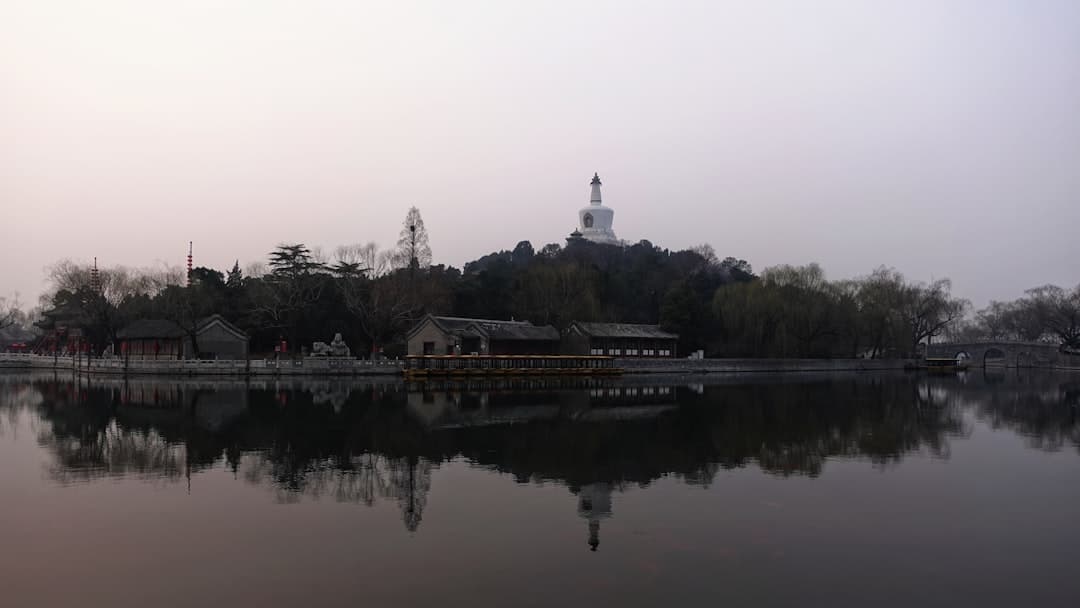
Beijing's hutongs are a network of narrow alleyways and courtyard homes that formed the residential backbone of the city for over 700 years, dating back to the Yuan Dynasty. They radiate outward from the Forbidden City in a dense, organic grid, and at their peak there were more than 3,000 of them. Today around 1,000 survive, concentrated in districts like Shichahai, Nanluoguxiang, and Dongsi. These aren't museum pieces — people live here, hang laundry, play mahjong outside their doors, and keep coal-burning stoves lit in winter. Walking through them is the closest you can get to understanding what Beijing looked like before the high-rises arrived. The experience varies wildly depending on which hutong you pick. Nanluoguxiang has become a tourist strip, lined with snack vendors and indie boutiques, and it's worth knowing upfront that it feels more like a food market than a residential lane. The real texture is found in the quieter streets branching off it — Mao'er Hutong, Ju'er Hutong, Banchang Hutong — where you'll find converted courtyard cafés, elderly residents playing cards, and the occasional pigeon loft on a rooftop. Shichahai area, around the Back Lakes, is the classic postcard territory: willow-fringed waterways, crumbling grey brick walls, and rickshaw pullers who've been working the same route for decades. Rent a bike, get deliberately lost, and stop whenever something catches your eye. The best strategy is to pick a base hutong — Nanluoguxiang or Yandai Xiejie for food and coffee — and then wander the surrounding lanes without a fixed plan. Morning is the best time: residents are out doing tai chi or shopping from street vendors, and the light is gorgeous on the grey brick. Avoid the middle of the day on weekends near the famous lanes, when crowds make the narrower alleys uncomfortable. Most hutong areas are free to enter; the only thing you're paying for is whatever you eat or drink along the way.