
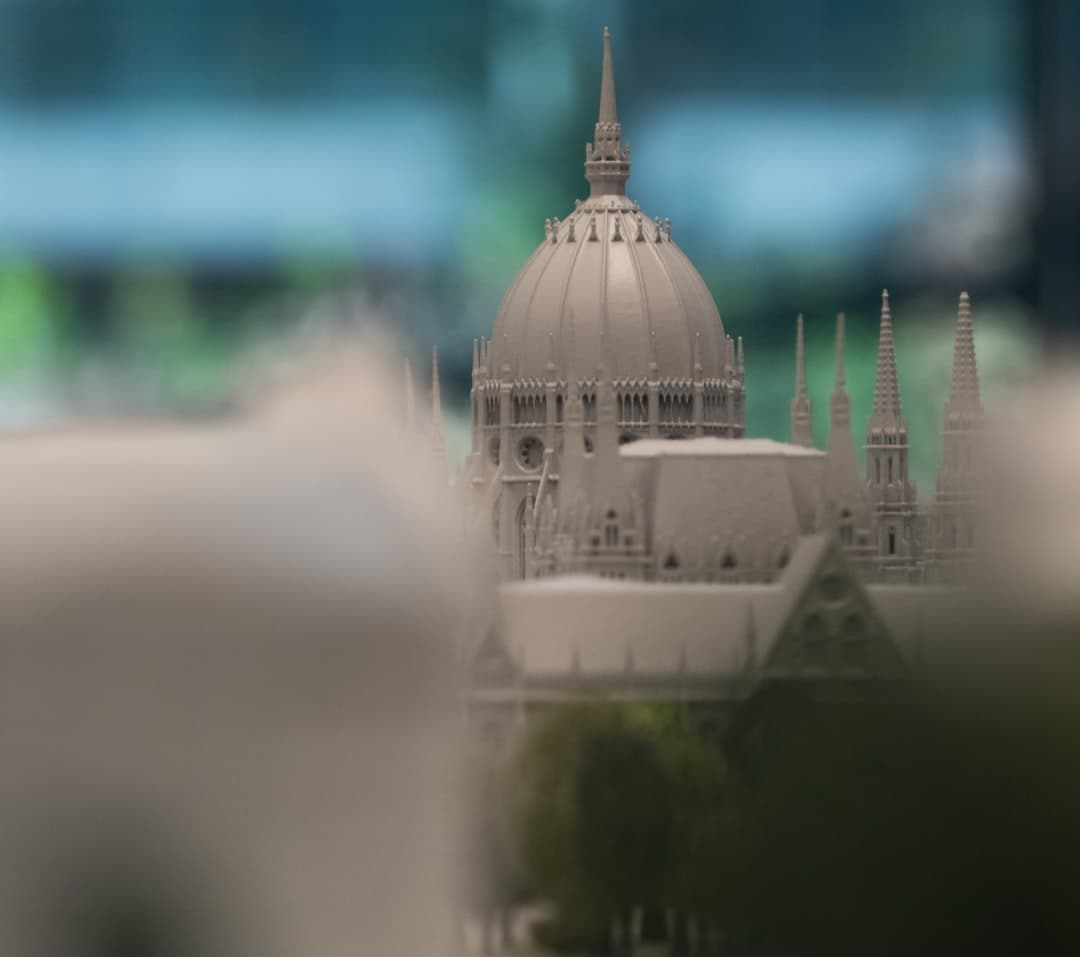
Hungarian Parliament Building
Budapest / Hungarian Parliament Building

Hungarian Parliament Building

Gothic Revival grandeur on the Danube, built to announce a nation's ambitions.

🏛️ Sights & Landmarks🎭 Arts & Entertainment
👨‍👩‍👧 Family-friendly🎭 Cultural🌹 Romantic

The Hungarian Parliament Building is one of Europe's most dramatic pieces of architecture — a vast Neo-Gothic palace that stretches along the eastern bank of the Danube in central Budapest. Completed in 1904 after nearly two decades of construction, it was designed by Imre Steindl and remains the largest building in Hungary and the third-largest parliament building in the world. It was built at a moment of intense national pride, marking the 1,000th anniversary of the Magyar conquest of the Carpathian Basin, and every detail of its construction was meant to signal that Hungary had arrived as a major European power. The building's symmetrical facade, 96-metre-tall central dome, and forest of Gothic spires are as recognizable as any landmark on the continent.

Visitors who go inside — which is absolutely worth doing — join a guided tour that winds through a sequence of genuinely stunning spaces. The Grand Staircase alone, clad in red carpet and gilded ceilings, is worth the ticket price. The tour takes you through ornate lobbies decorated with Hungarian historical paintings, intricate tilework, and carved stone details, before arriving at the Crown Jewels room, where the actual Holy Crown of Hungary — a 1,000-year-old relic of enormous symbolic importance to Hungarians — is displayed under guard. The tour typically lasts around 45 minutes and covers a relatively small portion of the building's 691 rooms, but it's carefully curated to hit the most spectacular spaces.

Book tickets in advance, especially between April and October — this is one of Budapest's most visited attractions and queues at the door can be brutal. Tours run in multiple languages and depart at set times, so it pays to check the schedule before you arrive. The view of the building from the Buda side of the river, particularly from the Fisherman's Bastion at dusk, is among the finest city views in Europe — but the view from across the Danube at night, when the building is fully illuminated, is genuinely unforgettable.
Local Tips

  1. 1

    The best photography of the exterior is from the Buda side of the river — take the Chain Bridge across and walk south toward Batthyány tér for a straight-on view across the water.

  2. 2

    Tours depart at fixed times, so arrive at least 20 minutes early for your slot — the security check takes longer than you'd expect.

  3. 3

    EU citizens can enter free of charge on most days — bring your EU ID or passport to get the discount at the ticket counter.

  4. 4

    Kossuth Lajos tér, the square in front of the building, was completely redesigned in 2014 and is now a pleasant place to sit and take in the facade — the statues of Hungarian leaders dotted around the square are worth a slow walk on their own.

When to Go

Best times
Evening (year-round)

The floodlit exterior reflected in the Danube is one of Budapest's defining sights — walk along the riverbank or cross to the Buda side after dark.

Winter (November–February)

Crowds thin out considerably and pre-booking is less critical, making it easier to get a tour slot on the day — though check ahead as session times may be reduced.

Try to avoid
April–October

Peak tourist season means queues for walk-up tickets can be very long — book online well in advance to avoid wasting an hour outside.

National holidays

On March 15, August 20, and October 23, parliament hosts national celebrations and the building may be closed to tourists or have significantly restricted access.

Why Visit

01

The actual Hungarian Crown Jewels — including the 1,000-year-old Holy Crown — are on display inside the building, making this Hungary's answer to the Tower of London.

02

The interior is a masterpiece of late 19th-century decorative excess: gilded ceilings, red-carpeted staircases, and hand-painted historical murals that most visitors never expect to find.

03

The exterior, reflected in the Danube at night under full floodlights, is one of the most visually spectacular buildings in Europe — even if you skip the tour, seeing it from the river is essential.