
Buda Castle
Budapest / Buda Castle

Buda Castle

A thousand years of Hungarian history, perched dramatically above the Danube.

🏛️ Sights & Landmarks🎭 Arts & Entertainment
👨‍👩‍👧 Family-friendly🎭 Cultural🌹 Romantic

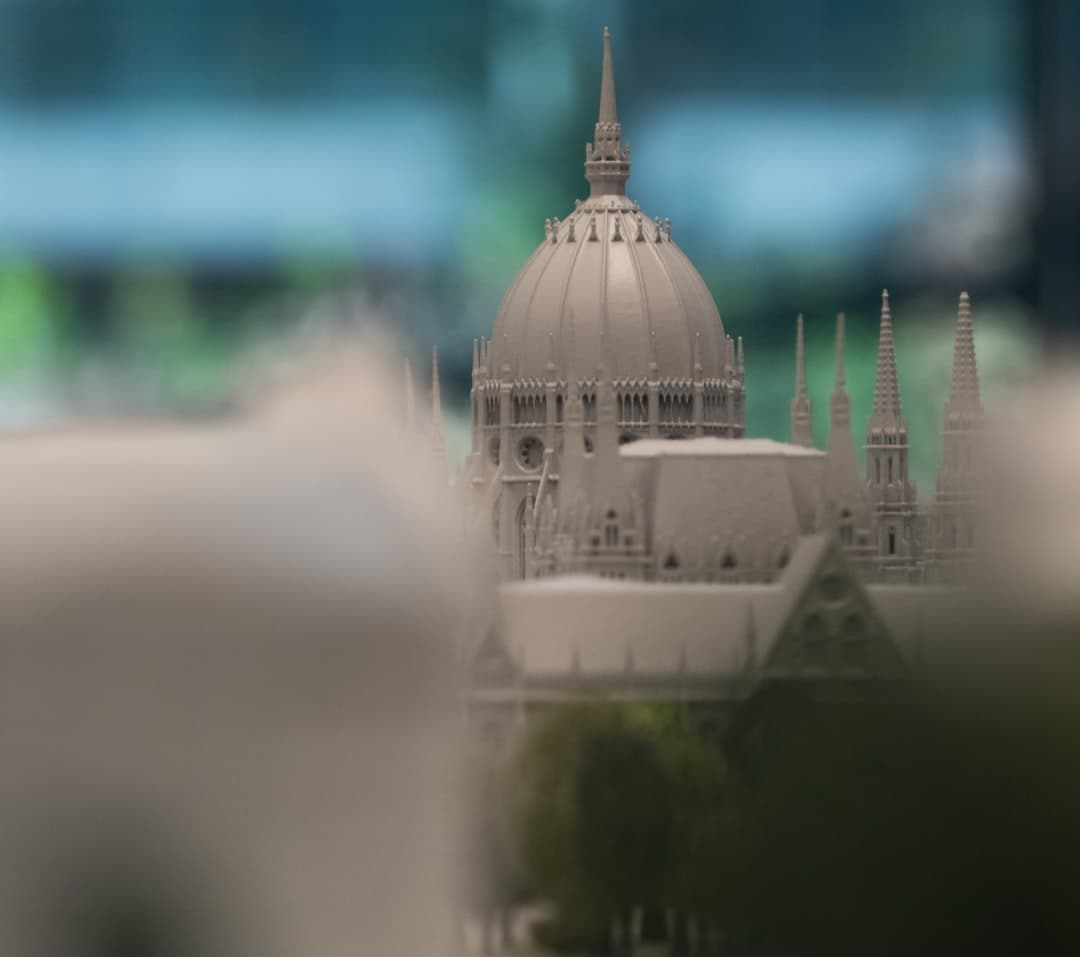
Buda Castle — known in Hungarian as Budavári Palota — is the sprawling royal palace complex that crowns Castle Hill on the Buda side of the city. Originally built in the 13th century and rebuilt and expanded repeatedly over the centuries, it has served as the seat of Hungarian kings, been destroyed by wars, and risen again through painstaking restoration. Today it's one of the most recognizable landmarks in Central Europe and a UNESCO World Heritage Site, forming the dramatic skyline that defines Budapest when viewed from the Pest bank of the Danube.

The castle complex itself is enormous, and what you actually do here is wander — between courtyards, along terraces, and into the two major museums housed within the wings: the Hungarian National Gallery, which holds centuries of Hungarian fine art, and the Budapest History Museum, which traces the city from Roman times through to the present. The views from the terraces out over the Danube, the Chain Bridge, and the Parliament building across the river are among the best in all of Budapest — genuinely breathtaking, especially at golden hour. Don't miss the ornate Matthias Fountain in the western courtyard, a grand 1904 bronze depicting the legendary king on a hunting trip.

The easiest and most enjoyable way up is via the Castle Hill Funicular (Budavári Sikló) from Clark Ádám tér near the Chain Bridge — a restored 19th-century funicular that drops you right at the castle's doorstep. You can also walk up through the castle district streets, which adds charm and context. Allow at least a half-day if you intend to visit the museums; if you're just here for the views and exterior exploration, two to three hours will do nicely. Arrive early on summer mornings to beat tour groups.
Local Tips

  1. 1

    Skip the funicular queue by walking up through the Vienna Gate (Bécsi kapu) from Moszkva tér (Széll Kálmán tér) — the walk takes about 10–15 minutes and passes lovely residential castle-district streets.

  2. 2

    The best Danube panorama shot isn't from the main terrace — walk to the southern end of the castle near the Eugène of Savoy statue for a less-photographed but arguably more dramatic angle.

  3. 3

    If you're visiting the Hungarian National Gallery, check for temporary exhibitions — the permanent collection is strong but often overshadowed by excellent rotating shows that draw serious crowds.

  4. 4

    The castle complex connects easily to Fisherman's Bastion and Matthias Church just to the north — plan to combine them in one visit rather than making separate trips up the hill.

When to Go

Best times
Spring (April–May)

Mild temperatures, blooming gardens, and manageable crowds make this one of the most pleasant times to explore the terraces and courtyards on foot.

Summer (June–August)

Peak tourist season — the terraces and funicular can get extremely congested by mid-morning. Arrive before 9am or visit in the early evening.

Autumn (September–October)

Arguably the best season — golden light, thinner crowds than summer, and cooler temperatures that make walking the hill comfortable.

Winter (December)

A Christmas market sets up in the castle district and the snow-dusted views across the Danube are magical, though some outdoor areas can be icy.

Try to avoid
July–August midday

The exposed castle terraces offer little shade and can become uncomfortably hot; tour groups also peak at this time, making it crowded and tiring.

Why Visit

01

The panoramic views from the castle terraces — over the Danube, the Chain Bridge, and the Parliament — rank among the finest city vistas in Europe.

02

The Hungarian National Gallery inside the castle holds major works spanning Gothic altarpieces to 20th-century Hungarian masters, almost entirely unknown to outside visitors.

03

The castle's layered history — medieval foundations, Habsburg reconstructions, WWII destruction, communist-era rebuilding — makes it a living document of Central European upheaval.