
Hutong Neighbourhoods
Ancient alleyways where Beijing's neighbourhood life plays out in real time.
Beijing's hutongs are a network of narrow alleyways and courtyard homes that formed the residential backbone of the city for over 700 years, dating back to the Yuan Dynasty. They radiate outward from the Forbidden City in a dense, organic grid, and at their peak there were more than 3,000 of them. Today around 1,000 survive, concentrated in districts like Shichahai, Nanluoguxiang, and Dongsi. These aren't museum pieces — people live here, hang laundry, play mahjong outside their doors, and keep coal-burning stoves lit in winter. Walking through them is the closest you can get to understanding what Beijing looked like before the high-rises arrived.
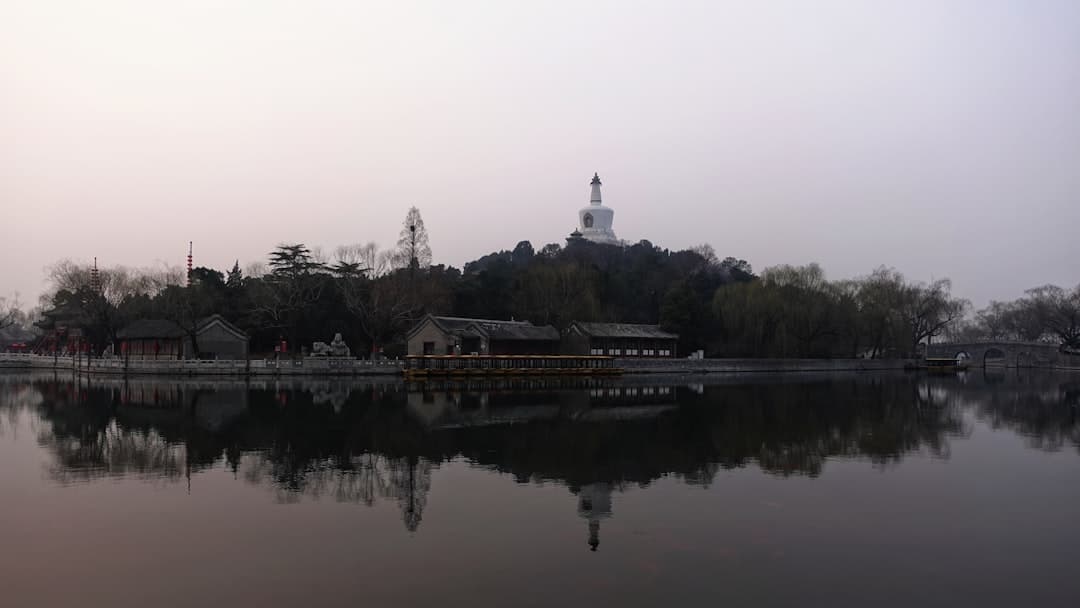
The experience varies wildly depending on which hutong you pick. Nanluoguxiang has become a tourist strip, lined with snack vendors and indie boutiques, and it's worth knowing upfront that it feels more like a food market than a residential lane. The real texture is found in the quieter streets branching off it — Mao'er Hutong, Ju'er Hutong, Banchang Hutong — where you'll find converted courtyard cafés, elderly residents playing cards, and the occasional pigeon loft on a rooftop. Shichahai area, around the Back Lakes, is the classic postcard territory: willow-fringed waterways, crumbling grey brick walls, and rickshaw pullers who've been working the same route for decades. Rent a bike, get deliberately lost, and stop whenever something catches your eye.
The best strategy is to pick a base hutong — Nanluoguxiang or Yandai Xiejie for food and coffee — and then wander the surrounding lanes without a fixed plan. Morning is the best time: residents are out doing tai chi or shopping from street vendors, and the light is gorgeous on the grey brick. Avoid the middle of the day on weekends near the famous lanes, when crowds make the narrower alleys uncomfortable. Most hutong areas are free to enter; the only thing you're paying for is whatever you eat or drink along the way.