Hyde Park
350 acres of royal parkland at the heart of one of the world's busiest cities.
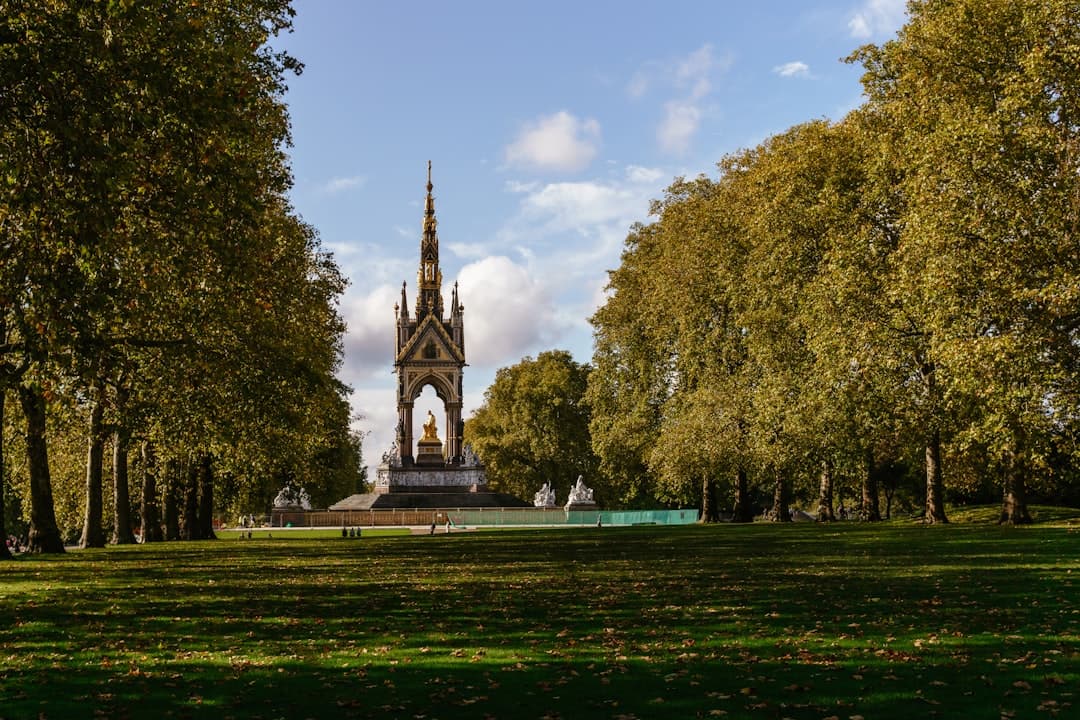
Hyde Park is one of London's eight Royal Parks and one of the largest green spaces in any major European capital. Originally a royal hunting ground seized by Henry VIII from the monks of Westminster Abbey in 1536, it was opened to the public in the early 17th century and has been a beloved fixture of London life ever since. At roughly 350 acres, it sits in the heart of the West End, bordered by Mayfair, Knightsbridge, Bayswater and Kensington, and it flows seamlessly into Kensington Gardens to the west, effectively doubling the green space available to anyone who wanders through.
The park offers something genuinely different depending on how you show up. The Serpentine — a 40-acre lake created in 1730 — is the centrepiece: you can hire a pedalo or rowboat, swim at the Lido on the south bank (one of London's few open-water swimming spots), or just sit on the grass and watch the city decompress around you. Speakers' Corner at the northeast corner near Marble Arch has hosted public debate and free speech since the 19th century, and still draws orators and hecklers on Sunday mornings. The Diana Memorial Fountain, the Rose Garden, and the grand tree-lined avenues give the park an almost formal beauty, while the wide open lawns are routinely taken over by cyclists, footballers, sunbathers and dog walkers.
The park is free to enter and open almost all day, every day. Hyde Park also hosts some of London's biggest outdoor concerts — British Summer Time has brought the likes of Taylor Swift and the Rolling Stones to the Great Oak Stage in recent years — so check the calendar before you visit in summer, as large portions of the park get fenced off during festival season. The Serpentine Galleries, split across two buildings on either side of the Serpentine Bridge, are worth a detour for contemporary art lovers and are free to enter.