Jordaan
Amsterdam's most livable neighborhood: canals, courtyards, and creative soul.
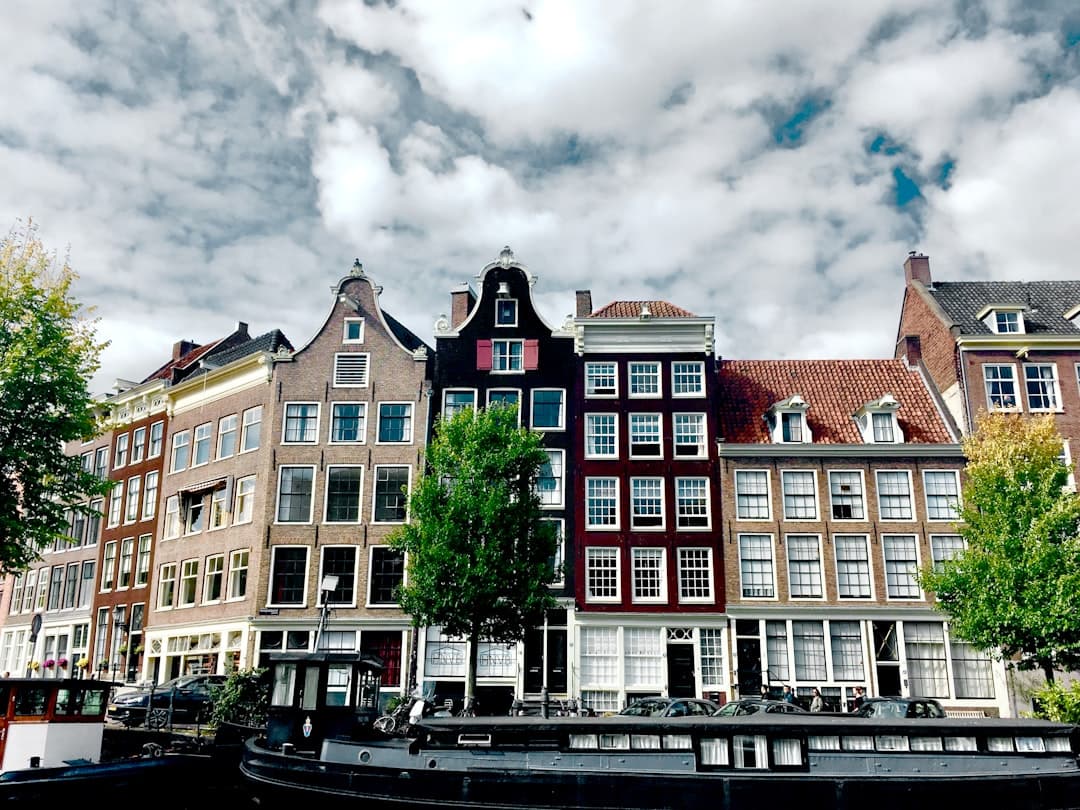
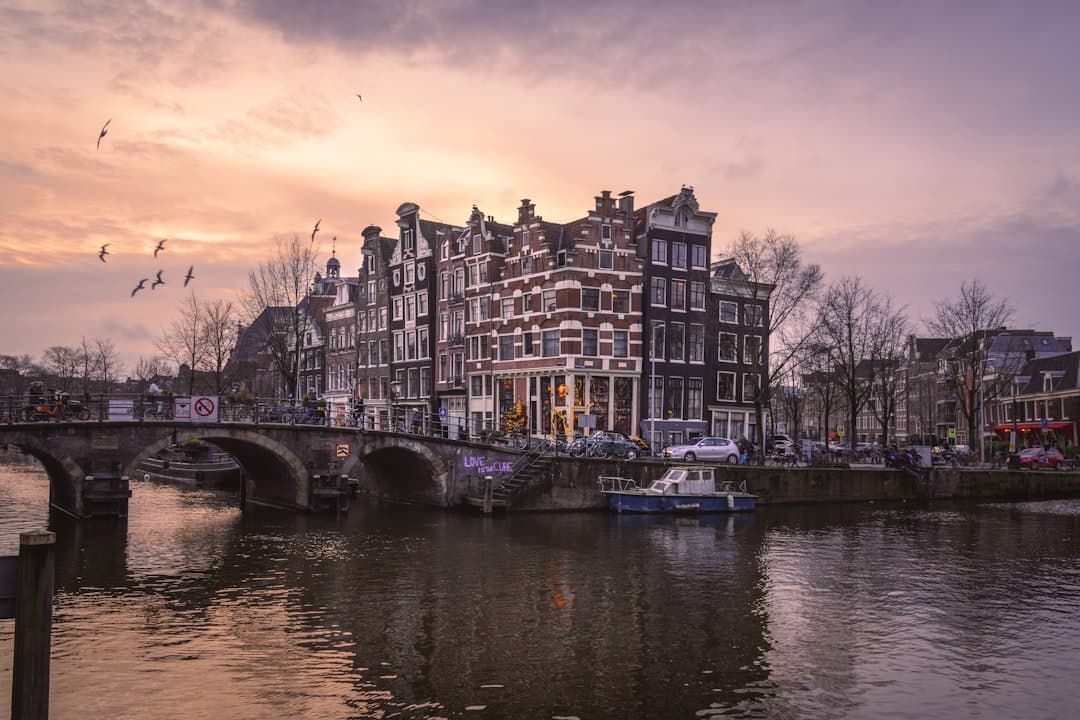
The Jordaan is a former working-class district in the western part of Amsterdam's historic canal ring, wedged between the Prinsengracht and the Singelgracht. What started in the 17th century as a neighborhood for artisans, dyers, and religious refugees — Huguenots, Sephardic Jews, and others fleeing persecution — has evolved over four centuries into what many consider Amsterdam's most characterful quarter. It was a rough, densely packed neighborhood well into the 20th century, known for poverty and a fierce local identity, before a wave of gentrification in the 1980s and 90s transformed it into the desirable, gallery-lined, café-dense area visitors flock to today. The bones of the original neighborhood remain visible: the narrow streets that don't follow the city's usual grid, the modest canal houses built for tradespeople rather than merchants, and the hidden hofjes — enclosed almshouse courtyards dating back centuries.
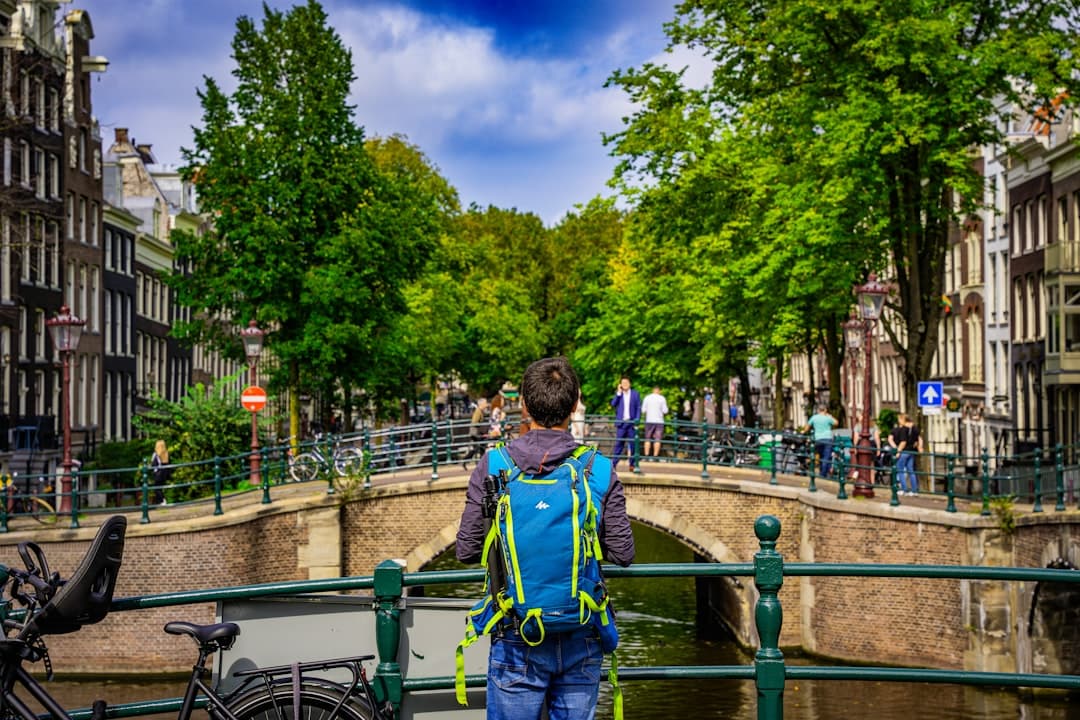
Wandering the Jordaan is what Amsterdam actually looks like when it isn't overrun with tourist infrastructure. You walk along narrow streets like the Bloemgracht, often called the most beautiful canal in Amsterdam, or browse the Noordermarkt on Saturday mornings where locals shop for organic produce and vintage clothing. Independent galleries cluster around the Elandsgracht and the Nine Streets (De Negen Straatjes) that border the Jordaan to the east — a shopping district of boutiques selling everything from specialty cheese to vintage eyewear. The neighborhood is also home to the Westerkerk, the Protestant church where Rembrandt is buried, and a short walk from the Anne Frank House on the Prinsengracht, though the Jordaan itself is less about single landmarks and more about the accumulated texture of streets, courtyards, and brown cafés.
The Jordaan rewards slow travel more than almost anywhere in Amsterdam. Come on a weekday morning if you want it relatively quiet; Saturday brings the Noordermarkt and Lindengracht markets but also real crowds. The brown cafés — bruine kroegen — here are the genuine article: wood-paneled, candle-lit, with Heineken or Grolsch on tap and a bowl of bitterballen on the table. Café 't Smalle on the Egelantiersgracht dates to 1786 and is one of the most atmospheric places in the city for an afternoon beer. If you're eating dinner, look toward the smaller streets rather than the canal-front tables, where restaurants catering to locals tend to offer better value and less attitude.