
Karaköy
Istanbul / Karaköy

Karaköy

Istanbul's coolest waterfront district, where ferries meet third-wave coffee and art galleries.

🛍️ Shopping🏛️ Sights & Landmarks🍽️ Food & Drink🏘️ Neighborhoods
🧗 Adventurous🍽 Foodie🎭 Cultural

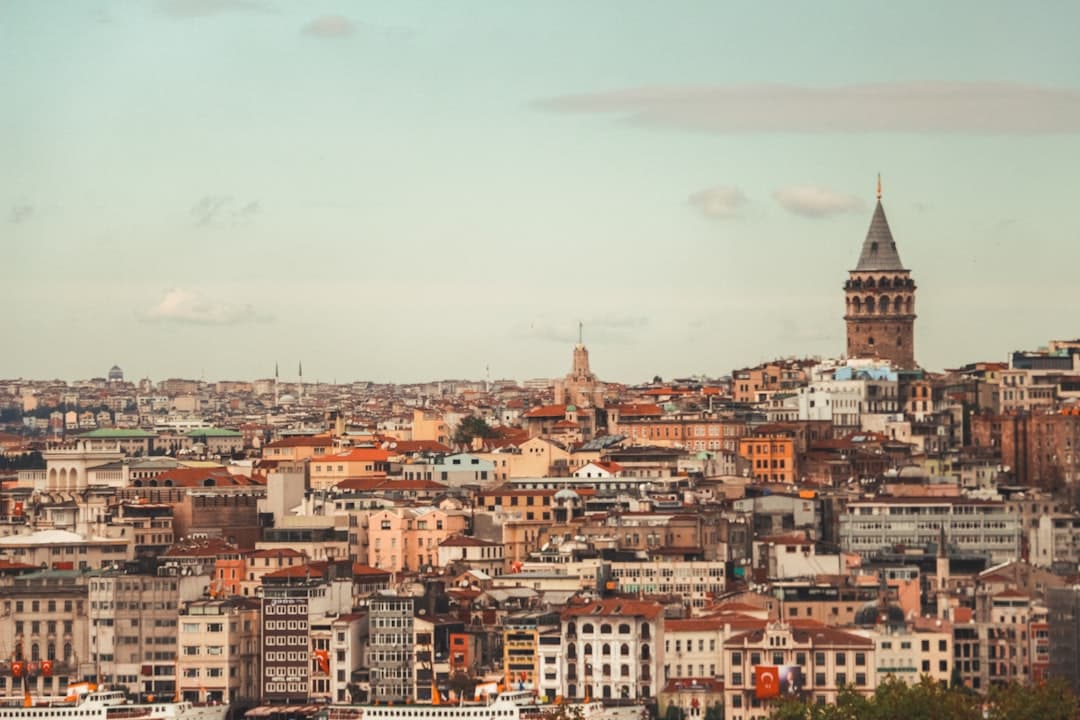
Karaköy is a historic port neighborhood on the European side of Istanbul, sitting right where the Golden Horn meets the Bosphorus at the foot of the Galata Bridge. For centuries it functioned as the city's main commercial harbor — a gritty, working-class district of fishmongers, shipping agents, and hardware stores. Over the last decade or so it's undergone a remarkable transformation without losing its edge, becoming one of Istanbul's most compelling neighborhoods: a layered mix of the old maritime city and a genuinely exciting contemporary food and design scene.

Walking through Karaköy means navigating a productive tension between old and new. On one block you'll find the ornate 19th-century Karaköy Passenger Terminal and the famous Galata Bridge, where generations of Istanbullus have fished from the railings at all hours. On the next you'll stumble into specialty coffee shops like Karaköy Güllüoğlu — the city's most celebrated baklava institution — sitting alongside independent galleries, boutique concept stores, and some of Istanbul's best new restaurants. The neighborhood rewards wandering: follow the tangle of streets uphill toward Galata Tower, duck into the covered market alleys around Kemeraltı Mosque, or simply sit at a waterfront tea garden and watch the ferries cut across the Bosphorus.

Karaköy is best visited on foot and works well either as a destination in itself or as a base for exploring nearby Galata, Beyoğlu, and Tophane. The neighborhood is compact and extremely walkable, with excellent transit connections — ferries, trams, and the Tünel funicular all converge here. Avoid the Galata Bridge area immediately after large cruise ships dock, when tour groups overwhelm the waterfront. Early mornings are genuinely lovely: the fish market is active, the light on the water is extraordinary, and the baklava at Güllüoğlu is freshest.
Local Tips

  1. 1

    Go to Karaköy Güllüoğlu early — by mid-afternoon the best trays of pistachio baklava are often picked over. It's on Rıhtım Caddesi and impossible to miss.

  2. 2

    The fishermen on the Galata Bridge fish day and night regardless of season — it's a genuine Istanbul institution, not a performance for tourists. Stop and watch for a few minutes.

  3. 3

    The streets running uphill from the waterfront toward Galata Tower are lined with specialist shops — musical instrument makers, technical hardware suppliers — a living remnant of the old commercial district that's fascinating to browse.

  4. 4

    Take the Tünel funicular from Karaköy up to Istiklal Avenue — it's one of the world's oldest underground railways (opened 1875), takes about 90 seconds, and costs almost nothing.

When to Go

Best times
Spring (April–May)

Mild temperatures and long evenings make waterfront wandering and outdoor seating at cafes genuinely pleasant. The light on the Bosphorus in late afternoon is outstanding.

Early morning (any season)

The fish market is in full swing, the neighborhood belongs to locals, and Güllüoğlu's baklava is at its freshest. The best version of Karaköy.

Winter (December–February)

Fewer tourists and a more authentic neighborhood feel. The covered market streets and indoor cafes provide warmth, though outdoor waterfront seating is limited.

Try to avoid
Summer (July–August)

Hot and crowded, especially around the Galata Bridge when cruise ships are in port. The waterfront can feel overwhelmed by midday.

Why Visit

01

Karaköy Güllüoğlu makes what many consider the best baklava in Istanbul — fresh, buttery, and entirely worth the short queue.

02

The neighborhood sits where the Golden Horn meets the Bosphorus, giving you some of Istanbul's most dramatic waterfront views without the tourist crush of Sultanahmet.

03

It's one of the best places in the city to see old Istanbul and new Istanbul coexisting — historic ferry terminals and fishermen sharing blocks with design studios and specialty coffee bars.