Johari Bazaar
Jaipur's ancient jewellery district, where Rajasthani gems and gold have traded for centuries.
Johari Bazaar is the historic jewellery market at the heart of Jaipur's walled Pink City, and one of the most important gem and jewellery trading hubs in all of India. The name literally means 'jewellers' market' in Hindi, and the street has lived up to that name for several hundred years — Jaipur has been a centre of gemstone cutting and setting since the Mughal era, and this bazaar is where that tradition concentrates. The city is particularly famous for its kundan and meenakari jewellery, as well as its trade in precious and semi-precious stones including emeralds, rubies, and the distinctive blue pottery-inlaid silver work you'll see everywhere.
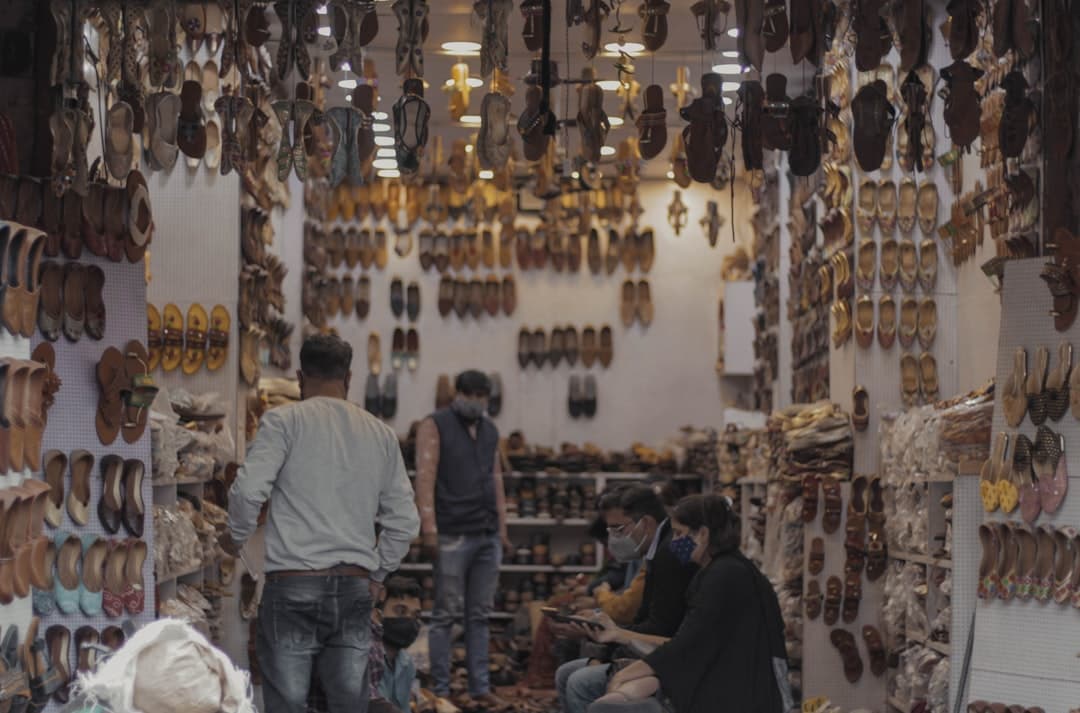
Walking through Johari Bazaar is a full sensory experience. The main street stretches through a dense corridor of shopfronts stacked with glittering displays — everything from tiny gem dealers selling loose stones by weight to elaborate showrooms selling bridal jewellery sets worth lakhs of rupees. Beyond jewellery, the area bleeds into fabric shops, lac bangles, and traditional Rajasthani textiles. The side lanes are where serious buyers and traders do business, often by appointment. Wander far enough and you'll find yourself in Bapu Bazaar or Nehru Bazaar, where the market broadens into shoes, textiles, and everyday goods for locals.
The best time to browse is mid-morning on a weekday, when the shops are open and crowds haven't peaked. Haggling is expected at smaller stalls but fixed prices are more common in the larger established shops. Be aware that Jaipur has a well-documented scam culture around gems — any stranger who approaches you on the street offering to connect you to a 'government gem export scheme' is running a con. Stick to established, recommended shops and trust your instincts. The bazaar is busiest and most atmospheric in the evenings when locals come out to shop, but that's also when navigating the crowds is hardest.