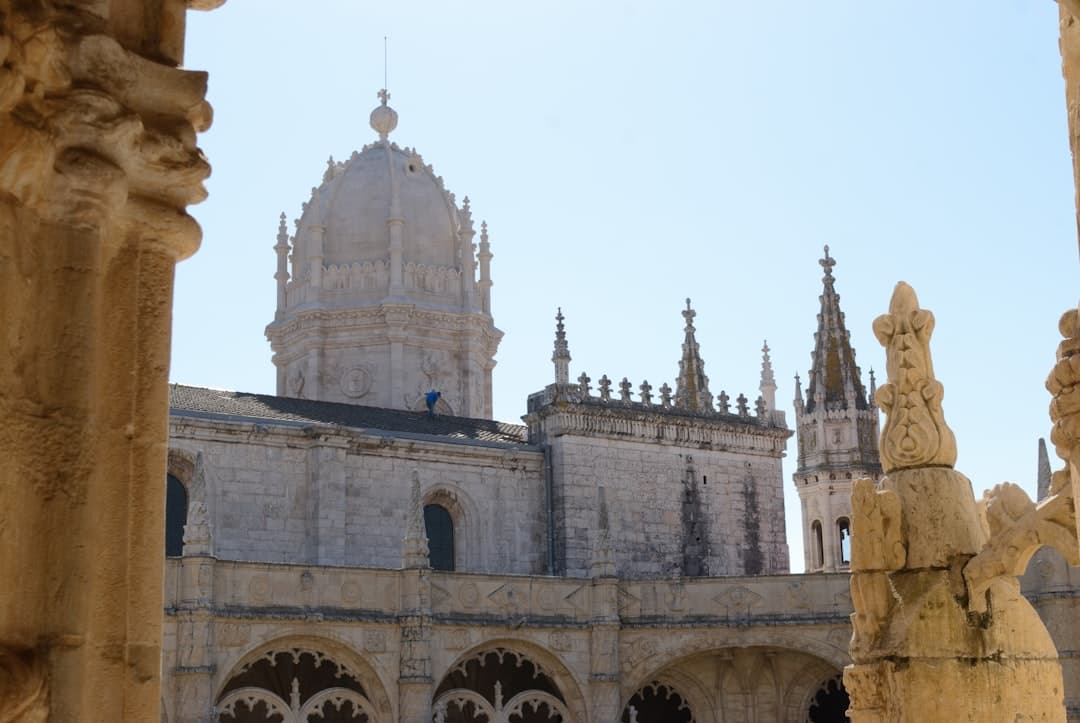
Jerónimos Monastery
Lisbon's greatest monument, built to celebrate an age of oceanic discovery.
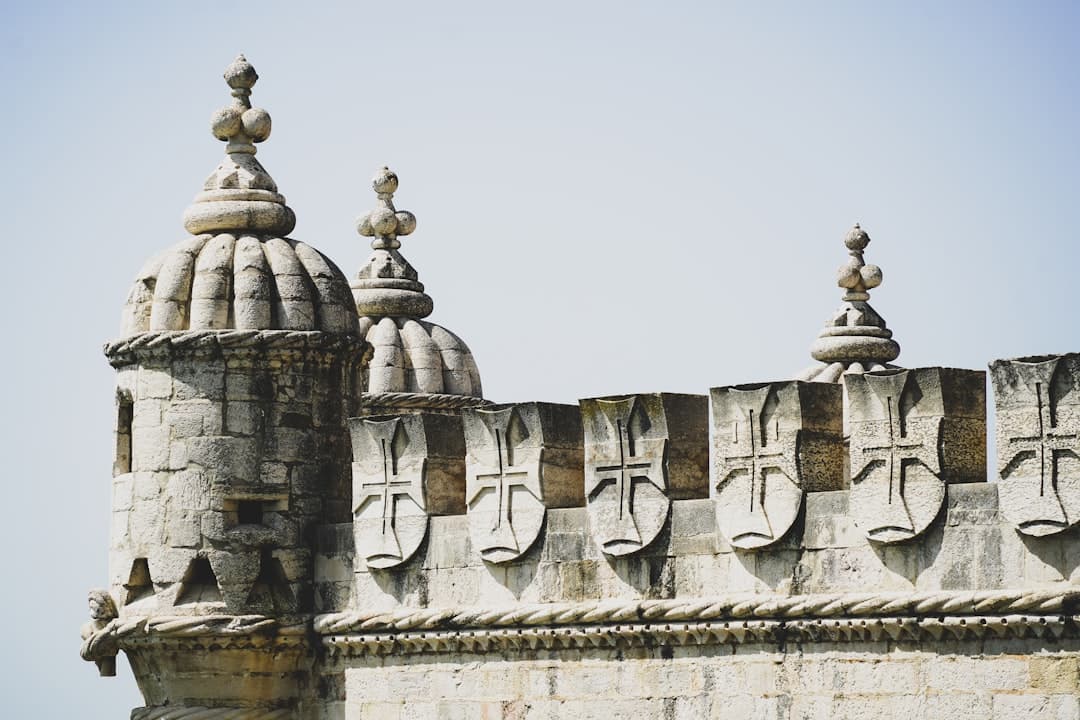
The Jerónimos Monastery is a UNESCO World Heritage Site and the most important surviving example of Manueline architecture — Portugal's own ornate Gothic style that flourished in the early 16th century, when explorers were returning from Africa, India, and Brazil laden with wealth and wonder. King Manuel I commissioned the monastery in 1501, partly as a thanksgiving for Vasco da Gama's successful voyage to India, and it took nearly a century to complete. The result is one of the most extraordinary buildings in Europe: an entire complex of cloisters, a church, and chapels elaborately carved in limestone, with maritime motifs — ropes, coral, armillary spheres, sea creatures — woven into every surface. Vasco da Gama himself is buried here, along with the poet Luís de Camões, whose epic poem about the Age of Discovery made him Portugal's Shakespeare.
When you visit, start in the church, which is free to enter. The interior is astonishing — soaring vaulted ceilings supported by slender palm-like columns, with the tombs of da Gama and Camões resting in ornate sarcophagi near the entrance. Then pay to access the two-storey cloister, which is the true showstopper: an open courtyard ringed by some of the most intricately carved stone you'll ever see, where twisted columns and stone lacework frame views of sky and garden. The upper gallery is quieter and gives you a different perspective on the details below.
The monastery sits in the Belém neighbourhood, right on the waterfront, and is best visited in the morning when light hits the south-facing cloister facade. The famous Pastéis de Belém bakery is a five-minute walk away — a custard tart stop here is non-negotiable. Crowds can be heavy, especially in summer; arriving at opening time makes a real difference. Note that the church is sometimes closed during religious services, so early weekday mornings can occasionally see disruptions.