
La Candelaria
Bogotá's oldest neighborhood, where colonial architecture meets radical street art.
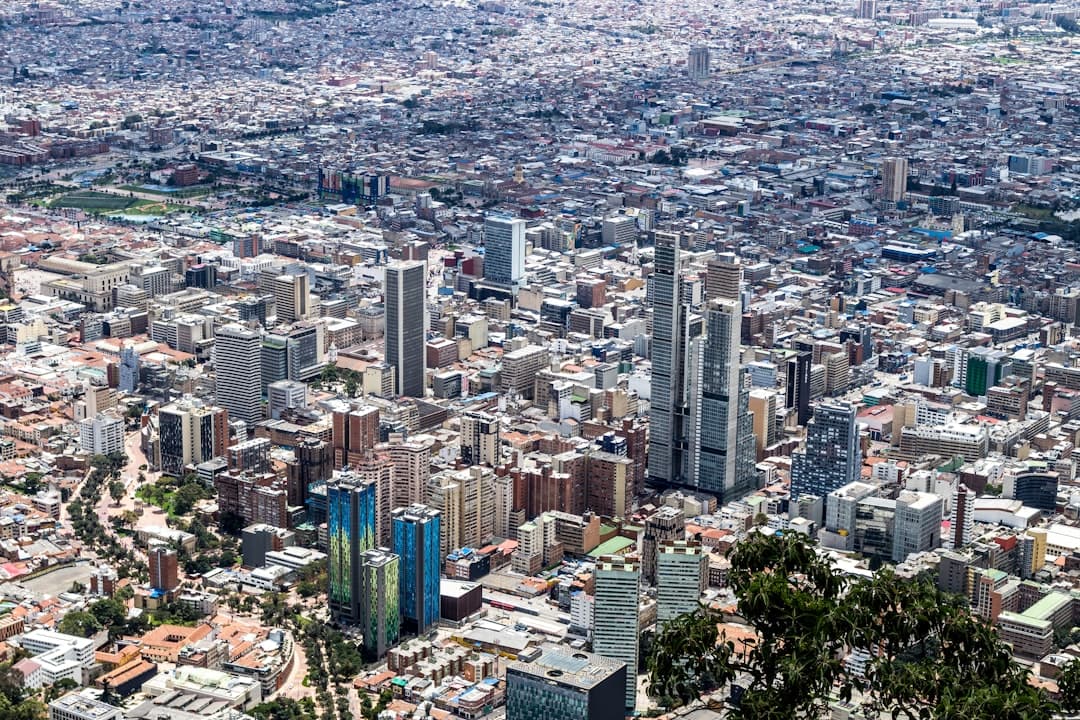
La Candelaria is the historic heart of Bogotá — a compact, hilly neighborhood of cobblestone streets and terracotta-roofed buildings that dates back to the city's founding by Spanish conquistador Gonzalo Jiménez de Quesada in 1538. This is where Colombia's story begins: the Plaza de Bolívar, the country's most important public square, sits at its center, flanked by the Cathedral Primada, the Palacio de Justicia, the Capitolio Nacional, and the Palacio Liévano (city hall). It's densely layered with history — Simón Bolívar walked these streets, the republic was born in these buildings — but it's also a living, breathing place that belongs as much to university students and street vendors as it does to tourists.
What you actually do here is wander. The Gold Museum (Museo del Oro), one of the finest museums in Latin America, holds over 55,000 pre-Hispanic gold pieces that will recalibrate your understanding of indigenous civilizations. The Botero Museum offers free entry and houses Fernando Botero's personal collection — Picassos, Dalís, and his own iconic rotund figures. Stroll up the hill past the Universidad de los Andes campus toward the Cerro de Monserrate cable car station, stopping to look at murals by local and international artists that cover entire building facades. The neighborhood rewards exploration on foot, with every alley offering something unexpected.
Practically speaking, La Candelaria has a complicated reputation for petty theft, so keep your phone out of sight and don't flash expensive cameras carelessly — though the main plazas and museum corridors are generally fine. The area is most alive on weekday mornings when students and office workers fill the streets; weekend afternoons can feel quieter, with some vendors closed. Most major museums cluster within easy walking distance of each other, making this an ideal half-day to full-day loop.