
Ciclovía
Bogotá / Ciclovía

Ciclovía

Bogotá closes its streets to cars every Sunday and the city transforms.

🏛️ Sights & Landmarks🌿 Nature & Outdoors🎯 Activities & Experiences
🧗 Adventurous🌿 Relaxing👨‍👩‍👧 Family-friendly🎭 Cultural

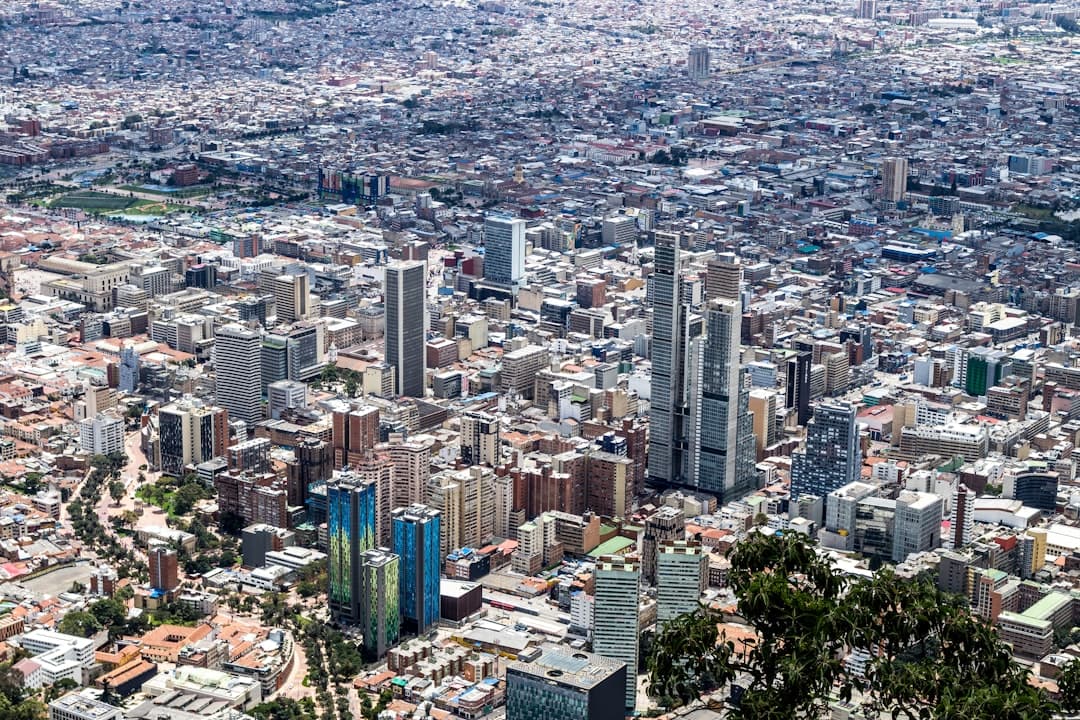
Every Sunday morning, Bogotá does something that no other city in the world does quite as ambitiously: it shuts down over 120 kilometers of its main roads and hands them entirely to cyclists, joggers, inline skaters, walkers, and anyone else who wants to move through the city under their own power. This is the Ciclovía, a program that's been running since 1974 and has become one of the defining institutions of Bogotá's civic identity — a weekly ritual that draws somewhere between one and two million participants on a good day. It's not a race, not an event with tickets, not a tourist attraction in any conventional sense. It's just the city, breathing.

From 7am to 2pm on Sundays (and on public holidays), the routes stretch across major arterials like Carrera Séptima, Avenida El Dorado, and Avenida Primero de Mayo, connecting neighborhoods from the north of the city down through the center. You can rent a bike near many of the starting points, or just walk. Along the route you'll find temporary outdoor gyms, salsa classes, food vendors selling fresh juices and arepas, and enough people-watching to keep you busy for hours. The city's different economic zones rub shoulders in a way that rarely happens otherwise — this is one of the few places in stratified Bogotá where everyone is genuinely in the same space.

The address listed here is one reference point near the northern stretch around the Parque de la 93 area, but the Ciclovía doesn't really have an address — it's a network. If you're staying in La Candelaria or Chapinero, just walk to any major avenue on a Sunday morning and follow the people in lycra. The Usaquén section, which feeds into a popular flea market (the Mercado de las Pulgas), is particularly good for a morning that combines the ride with some browsing and a late breakfast.

Local Tips

  1. 1

    The Usaquén stretch is the most social — it feeds directly into the Mercado de las Pulgas flea market, which is one of Bogotá's best weekend markets for antiques, crafts, and street food.

  2. 2

    Bike rentals are available from informal vendors along the route but supply is limited near major entry points early on — bring your own if you can, or rent from one of the city's Bicicletas Públicas stations beforehand.

  3. 3

    Bogotá sits at 2,600 meters above sea level. If you're newly arrived, take it easy for the first hour — the altitude hits harder than you expect when you're moving.

  4. 4

    Combine the Ciclovía with a stop at one of the Ciclovía Recreativa pop-up exercise stations — free outdoor aerobics and yoga classes run throughout the morning along the route and are completely open to join.

When to Go

Best times
Year-round Sundays, 7am–9am

Arrive early for cooler temperatures, lighter crowds, and the best energy — vendors are freshest and the roads feel most open.

Public holidays

Ciclovía also runs on Colombian public holidays, which can make for even bigger, more festive crowds than a typical Sunday.

Rainy season (April–May and October–November)

Bogotá's afternoon rains are frequent but Ciclovía runs Sunday mornings, so you're usually fine — though heavy overnight rain can make roads slick.

Try to avoid
After 1pm

Roads reopen at 2pm and traffic returns quickly; the last half hour gets chaotic as the route winds down.

Why Visit

01

It's the fastest way to understand Bogotá's scale and its neighborhoods — 120km of open roads let you move through the city the way locals actually experience it.

02

The atmosphere is genuinely joyful: outdoor aerobics classes, street food, impromptu music, and a cross-section of the city that you won't find anywhere else.

03

It's completely free, requires no planning, and operates every single Sunday — the rare travel experience that's both effortless and deeply memorable.