
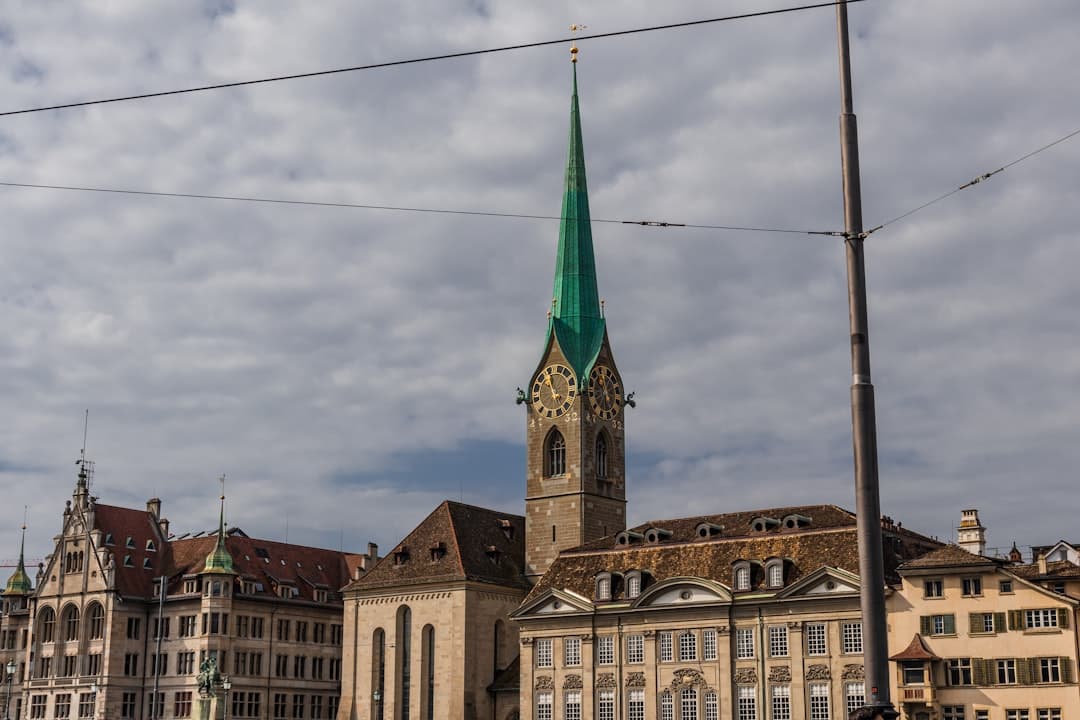
Lake Zurich
Zurich / Lake Zurich

Lake Zurich

Zurich's glittering backyard — swimming, sailing, and alpine views from the city's edge.

🏛️ Sights & Landmarks🌿 Nature & Outdoors🎯 Activities & Experiences
🧗 Adventurous🌿 Relaxing👨‍👩‍👧 Family-friendly🌹 Romantic

Lake Zurich is a long, narrow glacial lake stretching about 40 kilometres southeast from the city into the Swiss countryside. It sits right at the heart of Zurich's identity — this isn't a destination you make a special trip to so much as a body of water that the city wraps itself around. The Quaibrücke bridge roughly marks where the lake meets the Limmat River, and from there the lakeside promenades extend in both directions, lined with chestnut trees, park benches, and views that on clear days reach all the way to the snow-capped Alps.

In summer, the lake becomes the city's communal living room. Zurichers swim here — not in a casual, tentative way but with the complete conviction of people who grew up doing it. The public bathing stations called Badis, like the Seebad Enge or the Strandbad Tiefenbrunnen, are institutions: wooden platforms over the water where locals spend entire afternoons. You can rent paddleboards, kayaks, or take a Zürichsee Schifffahrtsgesellschaft ferry to villages like Rapperswil, a medieval town at the lake's far end. The water is exceptionally clean — it meets drinking water standards — and the swimming season runs roughly May through September.

The western shore (accessible by tram from the city centre) is generally quieter and more residential; the eastern shore road through the Gold Coast — the Zürichsee Goldküste — runs through some of Switzerland's most expensive real estate. For the best panoramic lake view without going far, climb up to Lindenhügel or take the short funicular to the Zürichberg. The lake itself is free to access along the public promenades, and even the Badis charge only a nominal entry fee.

Local Tips

  1. 1

    The Gold Coast (eastern shore) villages like Küsnacht and Erlenbach are accessible by S-Bahn and have quieter, less crowded swimming spots than the central city Badis.

  2. 2

    The ZSG ferry pass is included in the Zürich Card — if you have one, use it for the round trip to Rapperswil rather than paying separately.

  3. 3

    Locals tend to swim in the late afternoon when the water is warmest and the light on the Alps is best — the evening crowd at Seebad Enge is a proper social ritual.

  4. 4

    The lakeside path on the western shore between Wollishofen and the city is a lovely, flat cycling or jogging route largely free from traffic — rent a bike at the main station to do it properly.

When to Go

Best times
June–August

Peak swimming season — the Badis are fully open, ferry services run at maximum frequency, and the lakeside promenades are at their liveliest. Water temperatures reach a comfortable 20–24°C.

Late September–October

Crowds thin out dramatically after school resumes and temperatures drop. The autumn colours along the promenades are beautiful and the lake often looks its clearest.

Try to avoid
December–February

The lake can be atmospheric in winter with mist and occasional frost, but swimming is off the table and many Badis close. Best skipped unless you're specifically enjoying a winter walk.

Late July–August weekends

The popular Badis like Strandbad Mythenquai get extremely crowded on hot weekend afternoons. Arrive before 11am or go on a weekday.

Why Visit

01

You can swim in clean, clear water within walking distance of a major European city centre — a genuinely rare thing.

02

The lakeside ferry system connects Zurich to charming lakeside towns like Rapperswil, turning a simple boat ride into a half-day alpine adventure.

03

On clear days the Alpine panorama reflected across the water — particularly visible from the southern end of the lake — is one of the most quietly stunning views in Switzerland.