Mellah (Jewish Quarter)
Marrakech's Jewish quarter layers 400 years of Sephardic history into narrow, golden-walled streets.
The Mellah is Marrakech's historic Jewish quarter, established in 1558 by the Saadian sultan to house the city's Jewish population — one of the oldest such designated quarters in Morocco. The word 'mellah' likely derives from the Arabic for salt, a reference either to the salting of executed heads that were once stored near the quarter or to a nearby salt marsh, depending on who you ask. At its peak in the early 20th century, the Mellah was home to tens of thousands of Jewish Moroccans; today, after successive waves of emigration to Israel and France, the Jewish population is largely gone, but the architecture, synagogues, and cemeteries remain as a remarkably intact record of a community that shaped Moroccan commerce, culture, and scholarship for centuries.
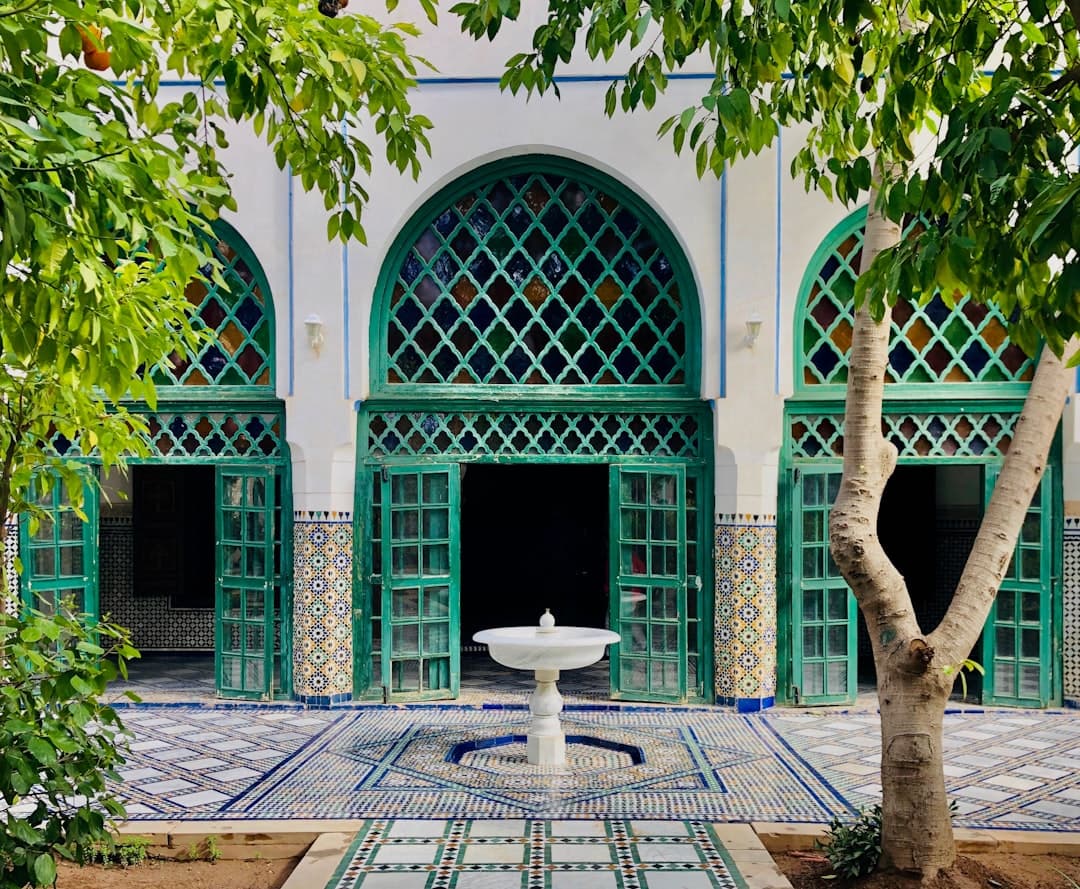
Walking the Mellah today means navigating a dense labyrinth of covered souks and narrow derbs (alleyways) where the distinctive architecture sets it apart from the rest of the medina — look for the characteristic wrought-iron balconies and larger windows that face the street, a style quite different from the inward-looking riad tradition of Moroccan Muslim homes. The landmark Lazama Synagogue, tucked inside a courtyard off the main market street, is still active and open to visitors; its blue-and-white tilework and serene interior offer a genuine moment of quiet. The large Jewish cemetery nearby — one of the most important in North Africa — is a moving, well-maintained site with whitewashed tombs dating back centuries. The quarter also bleeds into a busy gold and spice market, making it a fascinating blend of living commerce and layered history.
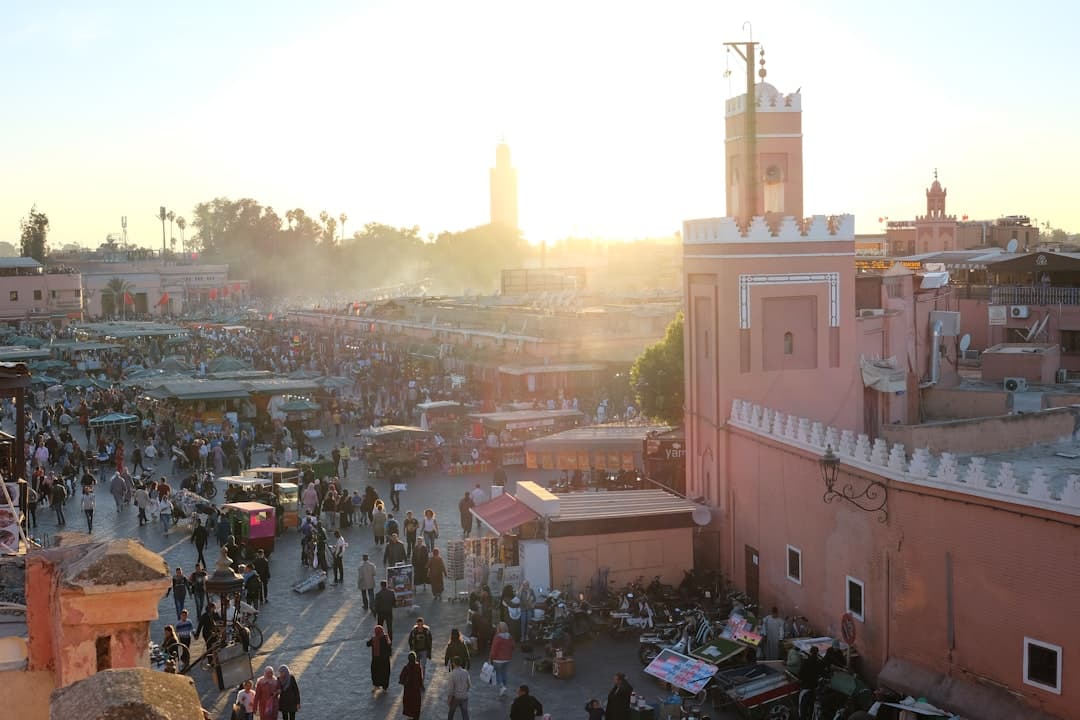
The Mellah sits directly adjacent to the Royal Palace and is just a short walk from Jemaa el-Fna, making it easy to fold into a broader medina day. Come in the morning when light filters through the market canopies and the souks are waking up — it's calmer than the tourist-heavy northern medina and rewards slow, curious walking. A local guide who knows the quarter's Jewish history adds enormous depth to the visit, as many of the most interesting stories are invisible without context.