El Badi Palace
A ruined sultan's palace that turns deliberate destruction into haunting grandeur.
El Badi Palace is one of the most significant historical sites in Morocco — a vast, largely open-air ruin in the heart of Marrakech's medina that was once considered one of the most spectacular palaces in the world. Built by the Saadian sultan Ahmad al-Mansur starting in 1578, financed by the ransoms and gold that flooded in after his victory at the Battle of the Three Kings, the palace took decades to complete and was decorated with Italian marble, onyx, and materials traded directly from sub-Saharan Africa. It didn't last long in its glory — in the 1690s, Sultan Moulay Ismail had the palace systematically stripped and looted to furnish his new capital in Meknes, leaving behind the skeletal shell you see today. What remains is immense: towering pisé walls, sunken gardens, an enormous central courtyard, and a series of pools and pavilion bases that give you the spatial sense of what this place once was.
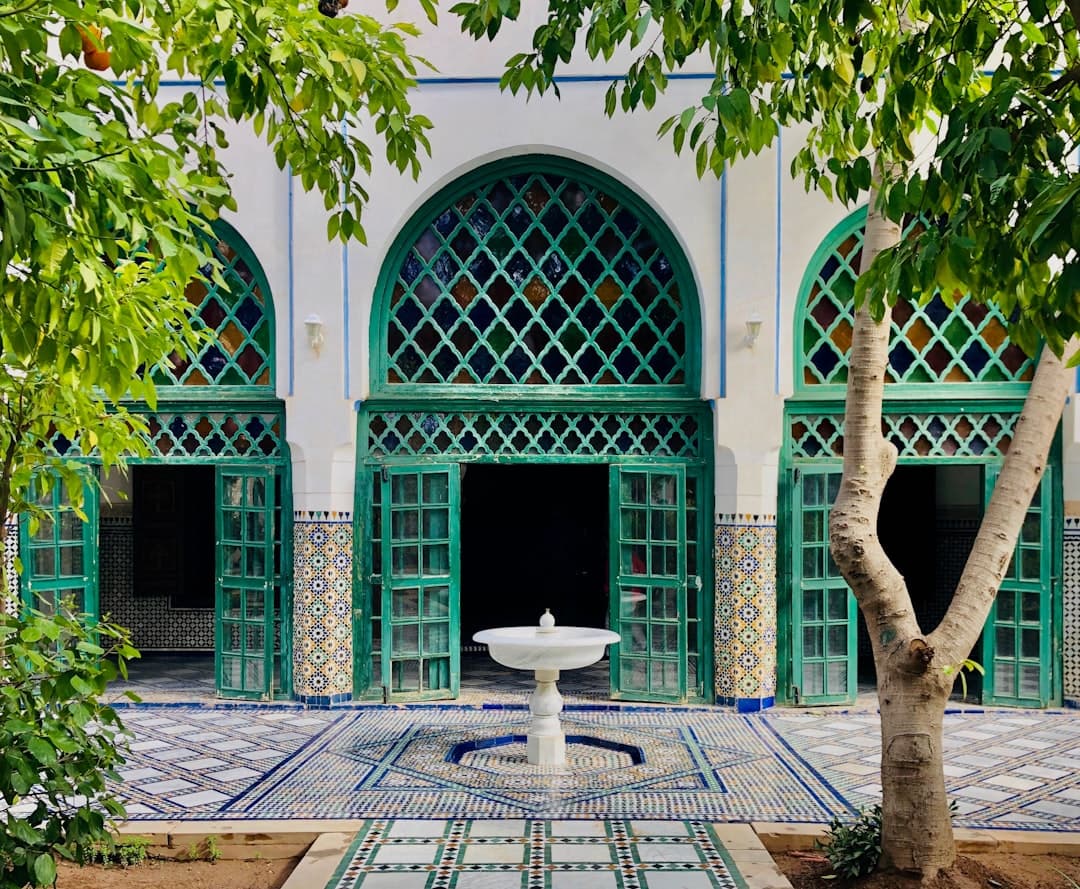
A visit here is less about museum exhibits and more about atmosphere and imagination. You wander through the cavernous central courtyard — roughly 135 metres long — flanked by the remains of 360 rooms. Orange trees grow in the sunken garden beds, storks nest loudly on the ramparts every spring and summer, and the scale of the ruins quietly overwhelms you. There is a small underground chamber that once housed the sultan's prisoners, and on an upper terrace you get sweeping rooftop views over the medina and toward the Atlas Mountains on clear days. The palace also houses the original minbar (pulpit) from the Koutoubia Mosque, an exquisite piece of 12th-century Andalusian woodwork that is easy to miss but absolutely worth seeking out in the side pavilion.
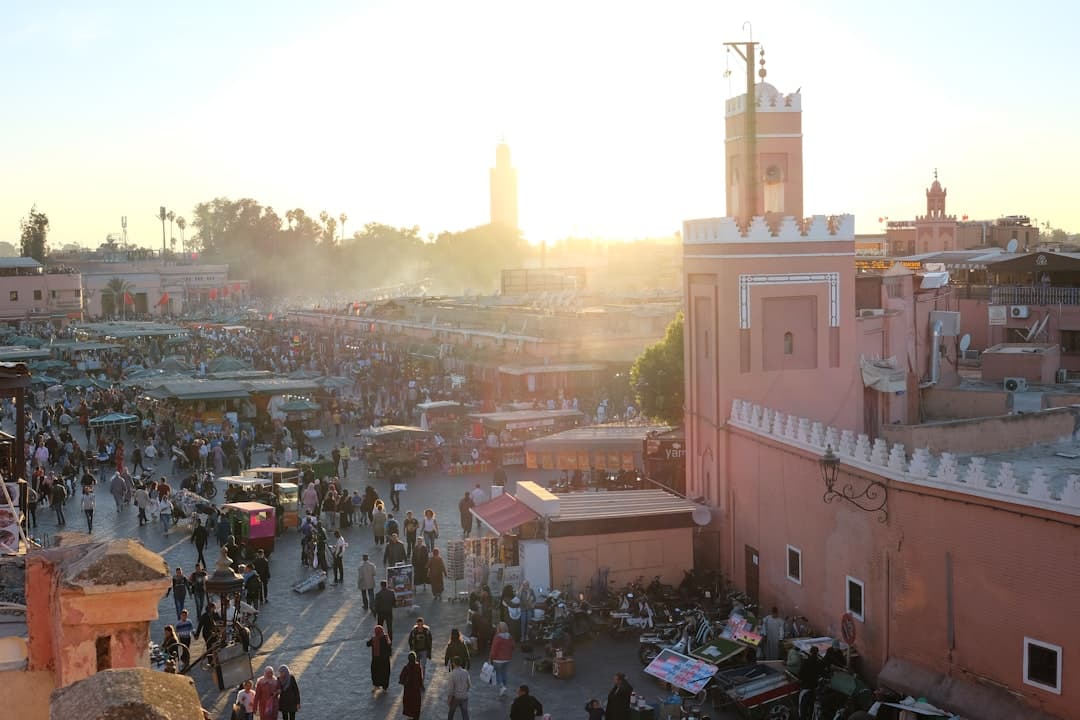
El Badi sits in the Kasbah district, close to the Saadian Tombs — the two sites pair naturally into a half-morning of serious sightseeing. Entry is inexpensive by any standard, and the palace rarely feels as crowded as Jemaa el-Fna or the souks, which makes it one of the more contemplative experiences you can have in Marrakech. Come in the morning when the light hits the walls at an angle and the heat hasn't built up yet. The signage is sparse, so a guide or a bit of reading beforehand genuinely adds to what you take away.