
Ben Youssef Madrasa
Marrakech / Ben Youssef Madrasa

Ben Youssef Madrasa

A 16th-century Islamic school carved in breathtaking cedar, stucco, and tile.

🏛️ Sights & Landmarks🎭 Arts & Entertainment
🎭 Cultural🌹 Romantic

The Ben Youssef Madrasa is a former Islamic boarding school built in the 14th century and dramatically expanded under the Saadian sultan Moulay Abdallah in the 1560s. At its peak it housed around 900 students who came to Marrakech to study theology, law, and the Quran. It's one of the largest and most ornate madrasas ever built in North Africa, and for centuries it was the spiritual and intellectual heart of the medina. Today it functions as a monument — no longer a working school — but walking through it, you get a vivid sense of what it meant for a city to take education seriously enough to make a building this beautiful.

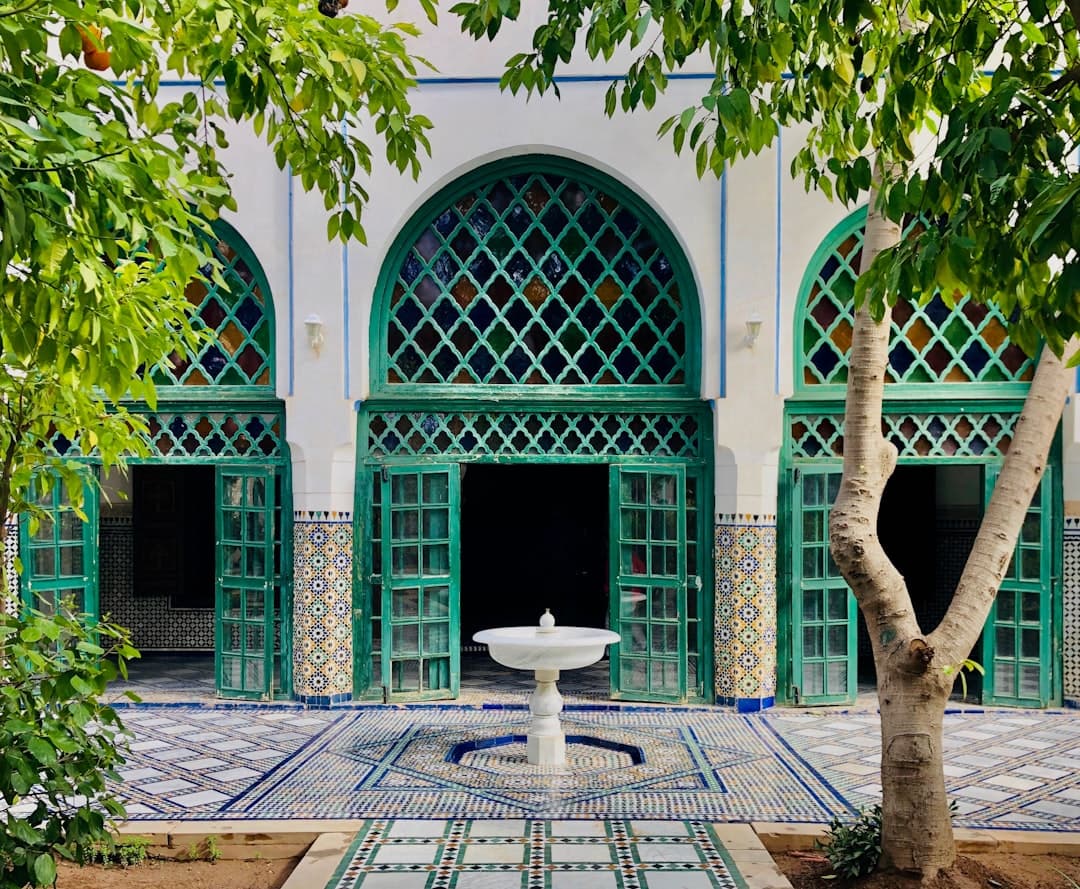
The experience is essentially a slow, reverent wander through layered Islamic craftsmanship. The ground floor opens onto a central courtyard centered on a long marble pool, surrounded by walls covered in three distinct registers: intricate zellige tilework at the base, carved stucco arabesque in the middle, and soaring cedar latticework screens above. The details are staggering — you'll find yourself stopping every few steps to look more closely at something. A staircase leads up to the student cells, tiny austere rooms that ring the upper floors, the contrast between their plainness and the courtyard's extravagance is quietly affecting. The prayer hall at the far end rewards a long look at its carved mihrab.

The madrasa sits just north of the Ben Youssef Mosque and a short walk from the Marrakech Museum, making it natural to combine all three in a half-day loop of the northern medina. Go early — by 10am the courtyard fills up and the photography gets competitive. Tuesday closing at 4:30pm is an anomaly worth double-checking before you go, as hours have historically shifted. Entry fees are modest by any standard and there's no need to book ahead.
Local Tips

  1. 1

    The upper-floor student cells are easy to overlook but worth exploring — peer inside to feel the austere scale of student life against the courtyard's grandeur just below.

  2. 2

    The carved cedar panels and stucco are original 16th-century work, not restorations — look closely and you'll see centuries of wear that no modern reproduction can fake.

  3. 3

    Combine the visit with the Marrakech Museum next door and the Koubba Ba'adiyn (an 11th-century Almoravid ablutions pavilion just nearby) — all three are within a 5-minute walk and tell a connected story of the city's history.

  4. 4

    The Tuesday 4:30pm closing is earlier than other days — if the hours listed seem off, verify locally or arrive well before 4pm on Tuesdays to be safe.

When to Go

Best times
Early morning (9–10am)

The light falls beautifully into the courtyard and crowds haven't arrived yet — the difference between 9am and 11am is dramatic.

November–March

Cooler temperatures and thinner crowds make for the most comfortable and unhurried visit. Winter light in the courtyard is especially good.

Try to avoid
July–August

The marble courtyard can feel like a furnace in midsummer — midday heat is brutal and the space gets crowded. Go at opening time if visiting in summer.

Why Visit

01

The central courtyard is one of the finest examples of Moroccan architectural decoration anywhere — the combination of zellige tile, carved stucco, and cedar woodwork has no equal in Marrakech.

02

It tells a genuine human story: 900 students once lived in those bare little cells, studying in one of the most beautiful buildings on the continent.

03

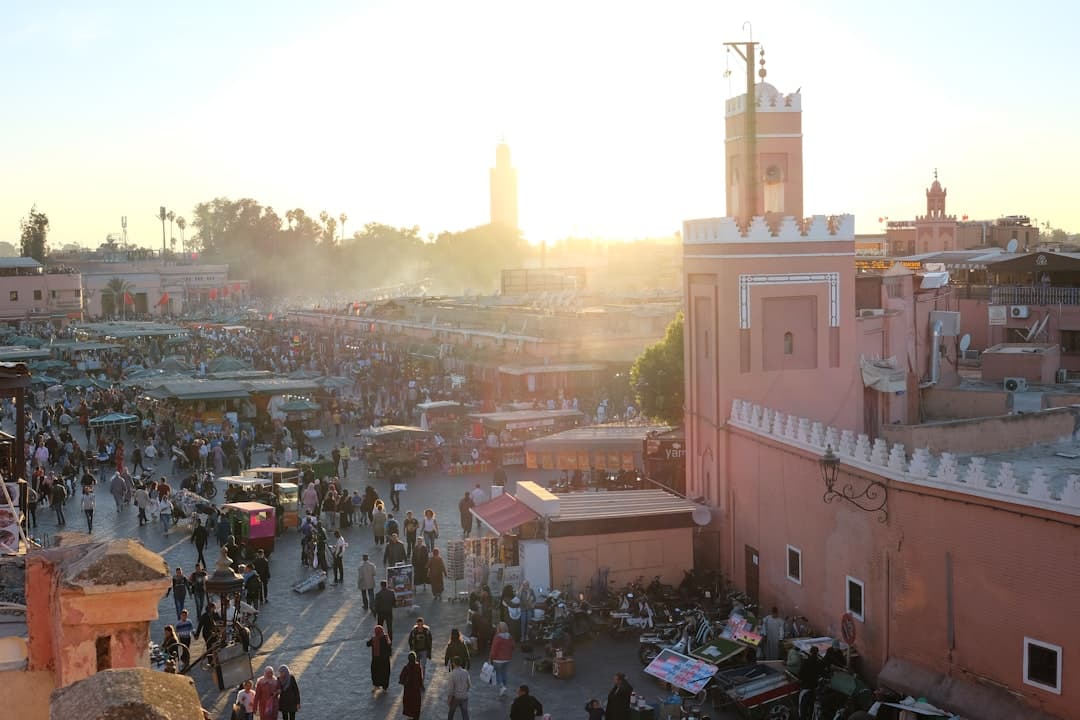
It sits at the quiet northern end of the medina, away from Djemaa el-Fna's chaos, making it a natural anchor for a more contemplative half-day in the old city.