Bahia Palace
A 19th-century palace where Moroccan craftsmanship reaches its absolute peak.
The Bahia Palace is one of the finest examples of Moroccan and Andalusian architecture in existence, built in the late 1800s by Si Moussa, grand vizier to the sultan, and later expanded by his son Ahmed ibn Moussa. The name means 'brilliance' in Arabic, and the palace was designed to be the greatest of its era — a statement of power and aesthetic ambition that drew the best craftsmen from across Morocco. It sits in the southern medina, not far from the mellah (the old Jewish quarter), and covers roughly eight hectares of rooms, courtyards, and gardens.
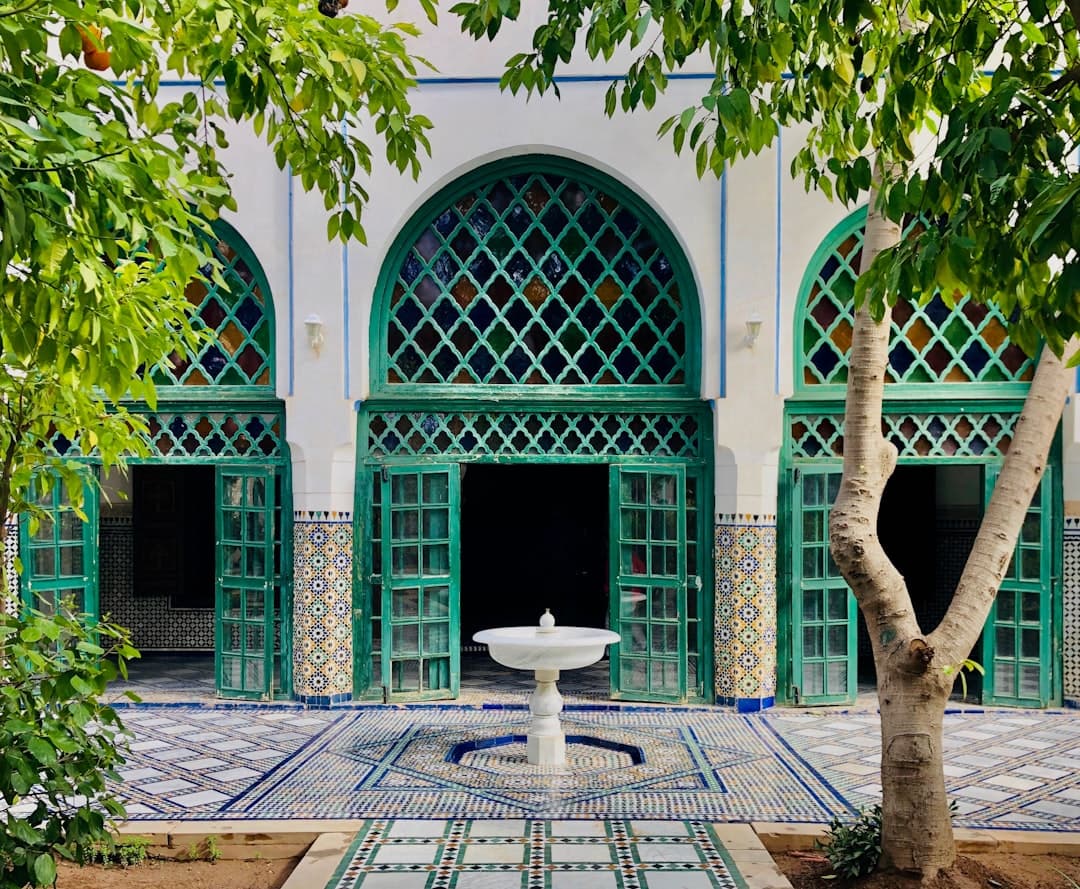
Walking through the Bahia is a slow, absorbing experience. You move through a series of interconnected courtyards and reception rooms, each lavished with hand-painted cedar ceilings, intricate zellij tilework in geometric patterns, carved stucco walls, and marble floors. The Grand Courtyard is the showpiece — a vast open space surrounded by colonnaded galleries — but the smaller, more intimate apartments and the cool, shaded garden of orange and cypress trees are equally memorable. The palace housed the vizier's wives and concubines across separate wings, and the spatial politics of that arrangement are still legible in the layout.
Come early — ideally right when it opens at 9am — before tour groups arrive and the narrow corridors fill up. Audio guides are available but optional; the architecture speaks for itself. The light in the painted rooms is best in the morning, when it filters in at a low angle and catches the color in the tilework. Tickets are cheap by any standard, and the palace is easily combined with a visit to the nearby El Badi Palace ruins and the Mellah for a full morning in the southern medina.