Meiji Shrine
Tokyo / Meiji Shrine

Meiji Shrine

Tokyo's most sacred Shinto shrine, hidden inside a vast urban forest.

🏛️ Sights & Landmarks🌿 Nature & Outdoors🎯 Activities & Experiences
🌿 Relaxing👨‍👩‍👧 Family-friendly🎭 Cultural

Meiji Shrine is a Shinto shrine dedicated to Emperor Meiji and Empress Shoken, completed in 1920 following the emperor's death in 1912. Emperor Meiji oversaw Japan's dramatic transformation from a feudal society into a modern nation-state during the Meiji era, and this shrine was built by the Japanese people as an act of collective gratitude. It sits at the heart of a 70-hectare evergreen forest planted entirely by hand — 100,000 trees donated from across Japan and beyond — making it one of the most serene and genuinely surprising escapes in any major city on earth.

The approach to the shrine is the experience. You enter through one of several towering torii gates — the largest is one of the biggest wooden torii in Japan — and walk along wide gravel paths through dense forest. The noise of Harajuku and Shinjuku fades almost immediately. Inside the inner garden (which requires a small entry fee and blooms spectacularly with irises in June), you'll find koi ponds, wisteria trellises, and a well that Emperor Meiji once used. At the main shrine complex, visitors participate in the standard Shinto ritual: bow twice, clap twice, bow again. On weekends, it's common to witness a traditional wedding procession moving through the grounds in full ceremonial dress — one of the most quietly moving things you can see in Tokyo.

The shrine is open from sunrise to sunset every day of the year, and admission to the main precinct is free. Come early on a weekday morning and you may have the forest path largely to yourself. New Year's is a different story entirely — Meiji Shrine receives more visitors over the first three days of January than almost any religious site in the world, with around three million people coming to pay their respects. That's either a reason to go or a very good reason to stay away, depending on your temperament.

Local Tips

  1. 1

    Enter from the south Harajuku gate (closest to Harajuku Station on the JR Yamanote line) rather than the north gate — the southern approach takes you through the most impressive stretch of forest and past the giant wooden torii.

  2. 2

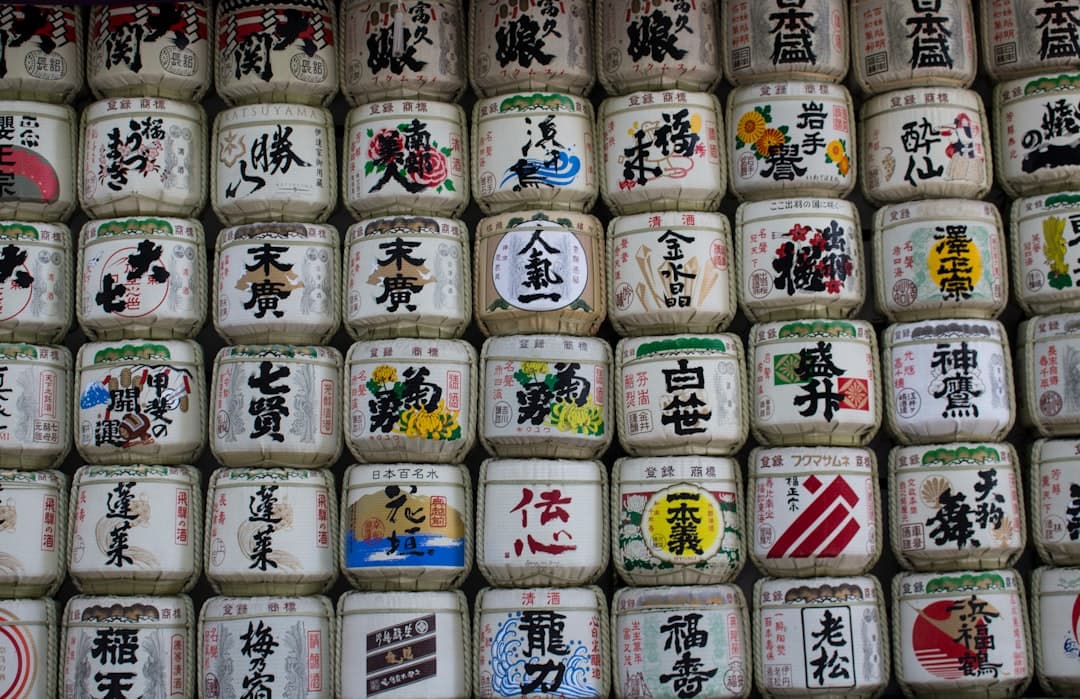
    The rows of sake barrels (kazaridaru) and Burgundy wine barrels near the north entrance are real donations from producers — a reminder that the shrine accepts offerings in many forms and that the French connection to Meiji-era Japan ran deeper than most people realise.

  3. 3

    Pick up a wooden ema plaque near the main hall and write a wish on it — it's a genuine Shinto tradition, not a tourist gimmick, and the wall of plaques left by previous visitors is fascinating to read.

  4. 4

    Combine your visit with the neighbouring Yoyogi Park, which is immediately adjacent and excellent for people-watching, picnics, and — particularly on Sunday afternoons — street performers and cosplay groups near the park entrance.

When to Go

Best times
Early morning, year-round

The forest path is at its most peaceful in the first hour after opening. Birdsong, soft light through the canopy, and almost no crowds — a completely different experience from midday visits.

June

The inner garden's iris garden peaks in mid-June with hundreds of varieties in bloom — the most visually spectacular time to visit and worth the small entry fee.

Autumn (October–November)

The forest takes on warm golden tones and the grounds are less crowded than spring cherry blossom season. Comfortable temperatures make for excellent long walks.

Try to avoid
January 1–3 (New Year, Hatsumode)

Around three million visitors come to pray here over the first three days of January. Crowds are extraordinary — queues to reach the main hall can stretch for hours. Avoid unless you specifically want the cultural spectacle of Hatsumode.

Midsummer (July–August)

Tokyo's heat and humidity are intense, and the forest walk offers limited shade in exposed sections. The experience is still worthwhile but bring water and go early.

Why Visit

01

Walking through 70 hectares of hand-planted urban forest to reach the shrine is an unexpectedly powerful experience — the city disappears completely within minutes.

02

Weekend wedding processions in full Shinto ceremonial dress move through the grounds regularly, and watching one is one of Tokyo's most memorable free experiences.

03

The inner garden (Meiji Jingu Gyoen) is a beautifully preserved historic landscape with irises, wisteria, and koi ponds that date back to the emperor's own era.