Mekong Delta
A vast river labyrinth where rice paddies, floating markets, and canal life unfold at water level.
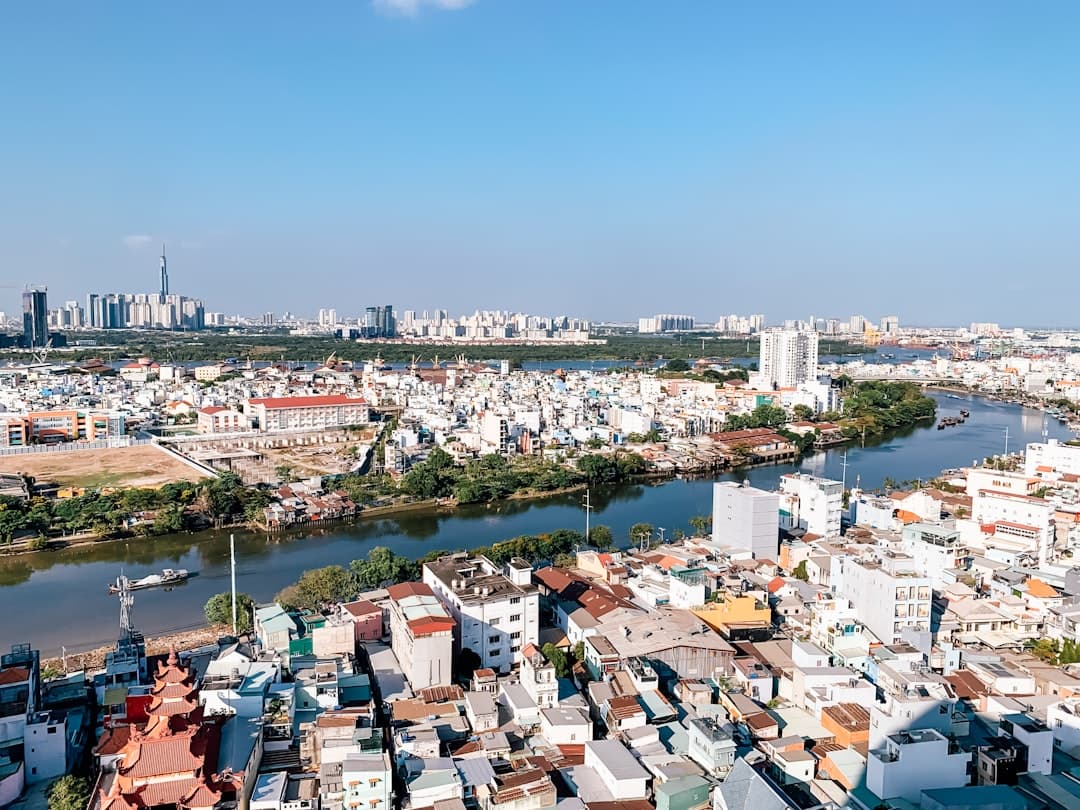
The Mekong Delta is one of Southeast Asia's most productive and densely populated river systems — a sprawling web of tributaries, canals, and rice paddies that fans out across southern Vietnam before draining into the South China Sea. Fed by the Mekong River, which travels all the way from the Tibetan Plateau through China, Myanmar, Laos, Thailand, and Cambodia before reaching Vietnam, this region produces roughly half of Vietnam's rice and the vast majority of its tropical fruit. It's not a single attraction but an entire world — one where people have built their lives around the water for generations, getting around by boat, selling goods from floating markets, and living in stilted houses along canal banks.
Most visitors come on a day trip or overnight excursion from Ho Chi Minh City, which sits about 60–90 kilometers to the northeast. The classic experience involves boarding a wooden boat to weave through narrow canals shaded by water palms, stopping at a coconut candy workshop, a rice paper factory, or a honey farm, and visiting one of the delta's famous floating markets — Cai Rang, near Can Tho, is the most atmospheric and largest, while Cai Be is the one most commonly visited on quick day trips. You'll likely eat lunch somewhere along a canal, cross a river by sampan, and ride a bicycle through fruit orchards between boat legs. It sounds like a lot and it is — the delta rewards slow travel more than a rushed checklist.
The key practical decision is how much time you're willing to invest. A cheap, crowded group tour from Pham Ngu Lao will technically get you there and back in a day, but the experience will be curated and rushed, and the floating markets you visit may be staged more for tourists than for locals doing actual commerce. If you can spend a night in Can Tho — the delta's largest city and a genuinely pleasant place to base yourself — you can reach Cai Rang market by boat before 6am, when actual trading is happening, rather than arriving at 9am to photograph the last few vendors. Private or small-group tours, while more expensive, make an enormous difference in how much you actually see.