Montjuïc
Barcelona's hilltop escape with fortress views, world-class gardens, and Olympic history.
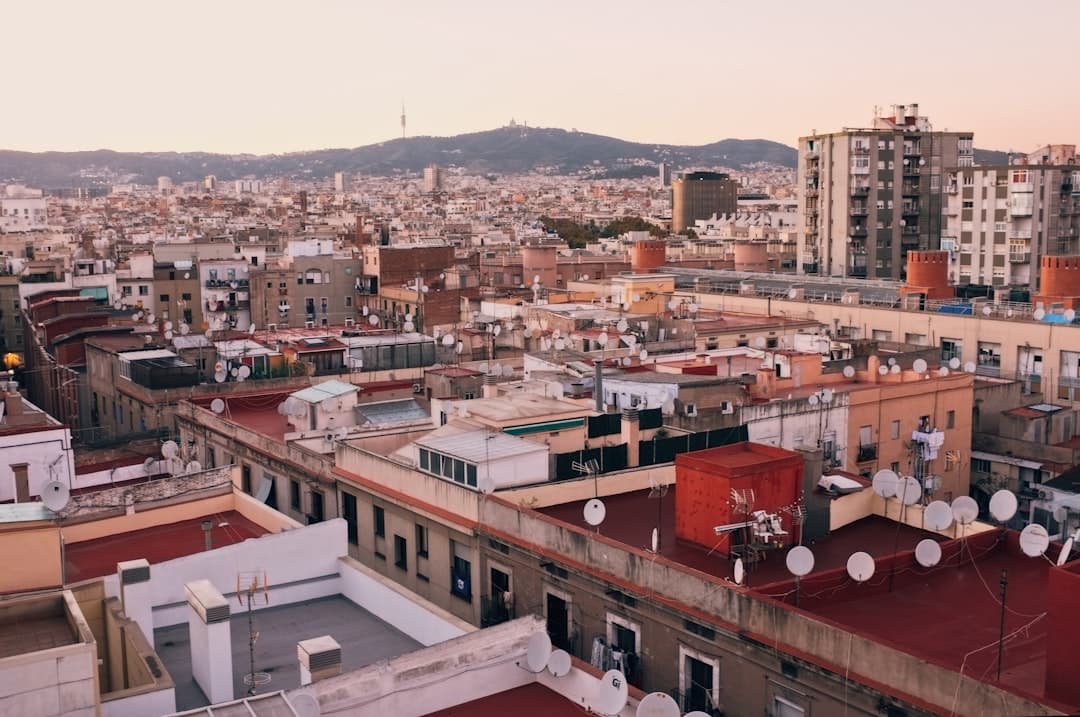
Montjuïc is a 173-metre hill rising dramatically at the southwest edge of Barcelona, overlooking the port and the city's entire skyline. It's not a single attraction but an entire landscape packed with museums, gardens, a medieval castle, the 1992 Olympic stadium, and some of the most sweeping views in Catalonia. For centuries it sat at the edge of the city as both a strategic military outpost and, later, a place of leisure — and today it functions as Barcelona's great outdoor living room, drawing locals on weekends and visitors who finally break free from the Gothic Quarter.
On Montjuïc you can spend a morning wandering the terraced Jardins de Laribal or the rose-scented Jardí Botànic, then climb up to the Castell de Montjuïc — a 17th-century fortress with a dark history as a political prison and now a genuinely excellent free viewpoint. The Fundació Joan Miró sits here too, one of the finest art museums in Spain, purpose-built by Josep Lluís Sert to flood Miró's bold, colourful work in natural light. The Museu Nacional d'Art de Catalunya (MNAC) anchors the hill's lower face, its Romanesque collection unmatched anywhere in the world. In the evenings, the Magic Fountain of Montjuïc — the Font Màgica — puts on a free light and water show that the whole city turns out for.
The hill is best reached by cable car from Barceloneta (the Telefèric del Port, which crosses the harbour) or by the Telefèric de Montjuïc from Paral·lel metro station — though the Funicular de Montjuïc from Paral·lel is cheaper and more practical for most visits. Give yourself at least a half day, and consider going on a weekday when the gardens are quieter. The west-facing slopes catch the late afternoon sun perfectly, making sundowner drinks at one of the bar terraces a thoroughly worthwhile activity.