
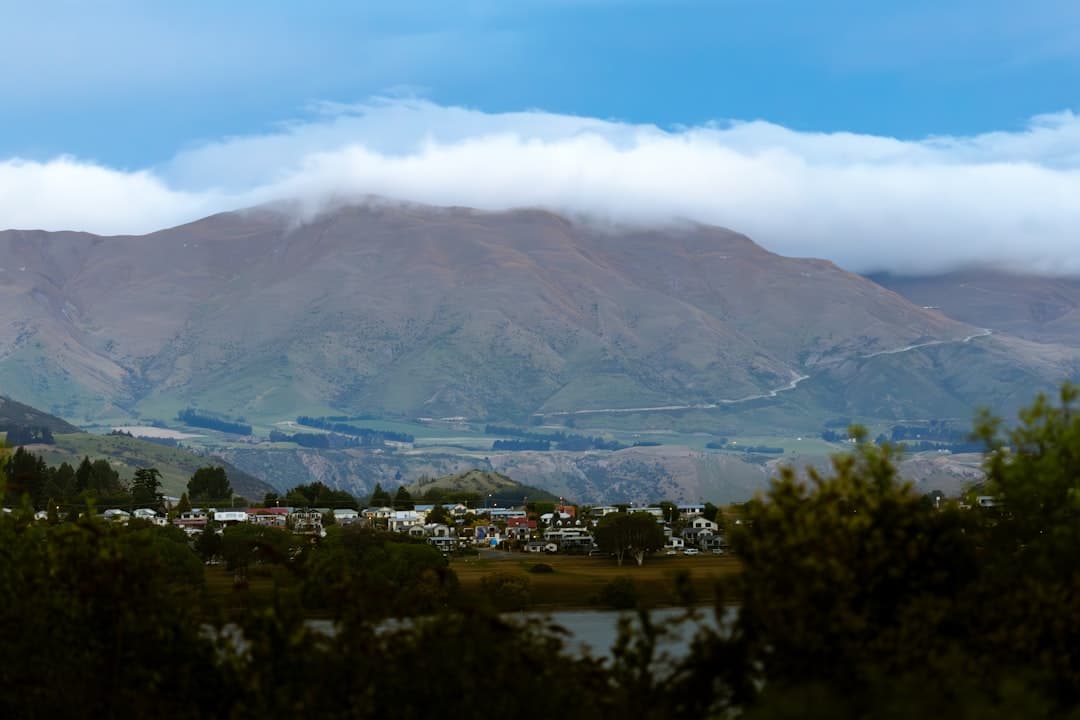
Milford Sound
Queenstown / Milford Sound

Milford Sound

Sheer fjord walls, thundering waterfalls, and almost no way to prepare for the scale.

🏛️ Sights & Landmarks🌿 Nature & Outdoors🎯 Activities & Experiences
🧗 Adventurous🌿 Relaxing👨‍👩‍👧 Family-friendly🌹 Romantic

Milford Sound — known in Māori as Piopiotahi, meaning 'a single thrush' — is a fiord carved by glaciers on the southwestern tip of New Zealand's South Island, deep inside Fiordland National Park. Despite the name, it's technically a fiord, not a sound, formed by glacial action rather than river erosion. It's one of the most visited natural sites in New Zealand, and the reputation is earned: sheer rock walls rise nearly 1,200 metres straight out of dark, still water, with Mitre Peak — the country's most photographed mountain — dominating the view from the moment you arrive.

Most visitors experience Milford Sound by boat cruise, which is genuinely the best way to understand the scale. Out on the water, you drift past two major waterfalls — Stirling Falls and Lady Bowen Falls — that cascade directly into the fiord. Seals haul out on rocks near the entrance, dolphins occasionally follow the bow, and the resident population of Fiordland crested penguins sometimes makes an appearance. Underwater, the freshwater layer sitting above the denser saltwater creates a rare environment where deep-sea black coral grows unusually close to the surface — some operators run kayak or small-boat tours that get you closer to the walls than the big cruises can. Rain, which falls here roughly 200 days a year, actually makes it more dramatic: hundreds of temporary waterfalls pour off every cliff face.

The drive in is part of the experience. The 120km road from Te Anau passes through the Homer Tunnel — a raw, unlined rock tunnel blasted through the Darran Mountains in the 1950s — and descends into the fiord country through a series of increasingly jaw-dropping valleys. Leave Te Anau early to beat tour buses at the tunnel and avoid the cramped car park at the sound's edge. Fly-cruise-fly packages are genuinely worth the cost if the budget allows — landing in a small plane on a grassy airstrip surrounded by peaks is not a bad way to arrive.
Local Tips

  1. 1

    The sandflies at Milford Sound are legendary and genuinely relentless on calm days — DEET-based repellent is not optional. Locals call them one of Fiordland's most effective crowd control measures.

  2. 2

    If it's raining when you arrive, don't turn back. Locals will tell you the sound is better in the rain — the temporary waterfalls that appear on every cliff face are worth getting wet for.

  3. 3

    Book the earliest available cruise rather than the mid-morning ones. You'll get the light on the water, fewer people on deck, and you'll be heading out as the tour bus convoys are still arriving.

  4. 4

    The Milford Track, one of New Zealand's Great Walks, ends at the sound — if you want to earn the view rather than drive to it, the four-day guided or independent walk is one of the best multi-day hikes in the country.

When to Go

Best times
December–February (Summer)

Long daylight hours, best weather windows, and wildflowers on the drive in — but this is peak season and boat cruises, car parks, and the road itself get very crowded. Book well ahead.

May–September (Winter)

Fewer crowds and the possibility of snow on the peaks makes for dramatic scenery. The road can close briefly after heavy snowfall, so check conditions with NZTA before leaving Te Anau.

October–November (Spring)

Shoulder season with lighter crowds, reasonable prices, and waterfalls running full from snowmelt and spring rain — a genuinely good time to go.

Try to avoid
December–January peak (midday)

Tour buses from Queenstown and Te Anau all tend to arrive between 11am and 2pm. Booking the first sailing of the day (around 9am) or late afternoon avoids the worst of it.

Why Visit

01

One of the few places on earth where you can cruise between sheer 1,200-metre cliffs rising straight from the water — it looks unreal even when you're standing in it.

02

Rain transforms it entirely: on wet days, hundreds of temporary waterfalls appear across every rock face, making the stormy version arguably more spectacular than the sunny one.

03

The scenic drive through Fiordland and the Homer Tunnel is a road trip destination in its own right — the approach alone justifies the trip from Queenstown.