
Arrowtown
Queenstown / Arrowtown

Arrowtown

A perfectly preserved gold-rush village that earns every cobblestone.

🛍️ Shopping🏛️ Sights & Landmarks🌿 Nature & Outdoors🍽️ Food & Drink🏘️ Neighborhoods
🌿 Relaxing👨‍👩‍👧 Family-friendly🎭 Cultural🌹 Romantic

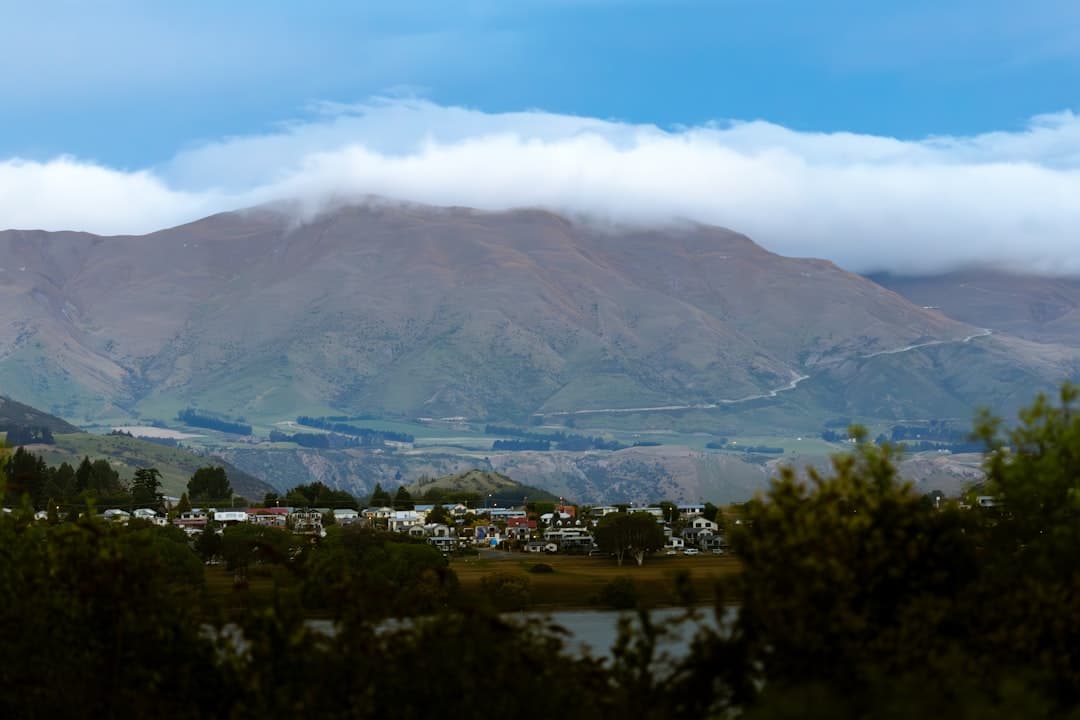
Arrowtown is a small historic gold-mining settlement about 20 kilometres northeast of Queenstown, tucked into a narrow river valley beneath the Remarkables and Crown Range foothills. It boomed in the 1860s when gold was discovered in the Arrow River, and unlike so many frontier towns that burned or crumbled when the gold ran out, Arrowtown somehow managed to keep itself intact. More than 60 of its original gold-rush era buildings survive today — wooden storefronts, stone cottages, and the remnants of a Chinese settlement that housed the miners who were largely excluded from European life. The result is a place that feels genuinely old rather than costumed, a rarity in this part of the world.

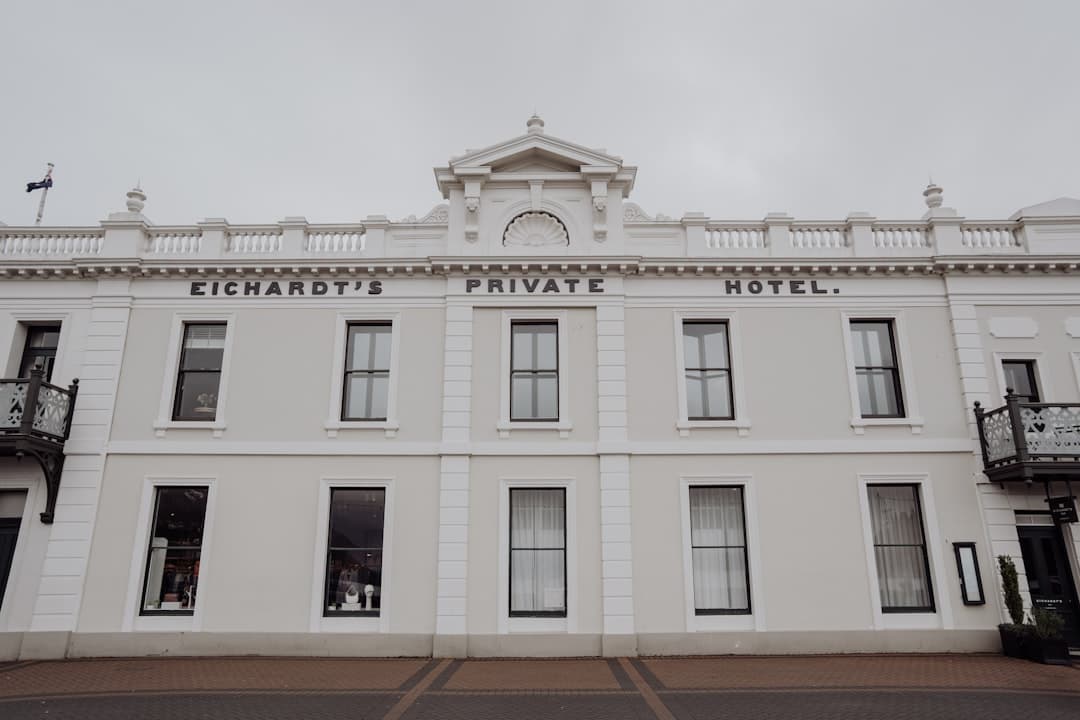
The main street, Buckingham Street, is the obvious starting point — lined with heritage buildings housing independent shops, wine bars, and cafes that punch well above their weight for a town of under 3,000 people. The Lakes District Museum anchors the cultural story with solid gold-rush exhibits and the history of the Chinese settlement, which is one of the best-preserved in the Southern Hemisphere and sits just a short walk from the main drag. The Arrow River itself is walkable and beautiful, and in autumn — typically April and May — the avenue of poplars and willows along its banks turns every shade of amber and gold in what might be the most photographed seasonal display in New Zealand.

Arrowtown works as a half-day trip from Queenstown, but it rewards slowing down. The Millbrook Resort area nearby has excellent golf. Provisions on Buckingham Street does a serious cheese board, and Slow Cuts has built a genuine reputation for its coffee. If you time it right — a weekday in early April — you might have the autumn colour largely to yourself. Weekends in high season and especially during the Arrowtown Autumn Festival in late April bring real crowds, so plan accordingly.
Local Tips

  1. 1

    Drive or cycle the Arrow River Bridges Trail instead of just walking Buckingham Street — the river path gives you the valley scenery and the old bridge crossings that most day-trippers skip entirely.

  2. 2

    The Chinese Settlement behind the main town is free to walk through and often quiet even when the main street is busy — the stone and sod huts are among the most evocative remnants of the gold-rush era anywhere in New Zealand.

  3. 3

    For coffee, skip the obvious tourist cafes and head to Slow Cuts on Buckingham Street — it has earned a real reputation among locals and Queenstown regulars for actually caring about what goes in the cup.

  4. 4

    If you're visiting in autumn, come on a Tuesday or Wednesday morning rather than a weekend — the light is best in the morning and the crowds are dramatically smaller, even during peak foliage.

When to Go

Best times
April–May (Autumn)

Peak foliage season — the poplars and willows along the Arrow River turn vivid gold and amber. This is when Arrowtown looks its absolute best.

Late April (Autumn Festival)

The Arrowtown Autumn Festival draws large crowds over a long weekend. The town gets very busy and accommodation books out months in advance.

June–August (Winter)

Crowds thin significantly and the valley can get sharp frosts that create atmospheric misty mornings. A quieter, more authentic experience of the town.

Try to avoid
Weekends in Summer (December–February)

Buckingham Street gets congested with day-trippers from Queenstown. Parking is tight and popular cafes have long waits.

Why Visit

01

One of the most intact gold-rush settlements in the Southern Hemisphere, with over 60 original 19th-century buildings still standing and in use.

02

The Arrow River valley in autumn (April–May) produces some of New Zealand's most spectacular foliage — golden poplars reflected in clear water against a mountain backdrop.

03

The Chinese settlement and Lakes District Museum tell a layered, honest history of the gold rush that goes well beyond the usual pioneer mythology.