Millennium Park
Chicago's great outdoor living room, anchored by two of the city's most iconic public artworks.
Millennium Park is a 24.5-acre public park in the heart of Chicago's downtown, opened in 2004 after a much-delayed and over-budget construction that transformed a former rail yard into one of the most visited urban parks in the United States. It sits at the eastern edge of the Loop, facing Lake Michigan, and quickly became the cultural centerpiece of the city — a place where world-class architecture, public art, music, and everyday life collide in a way that feels genuinely democratic. Admission is free, which makes the quality of what's here all the more remarkable.
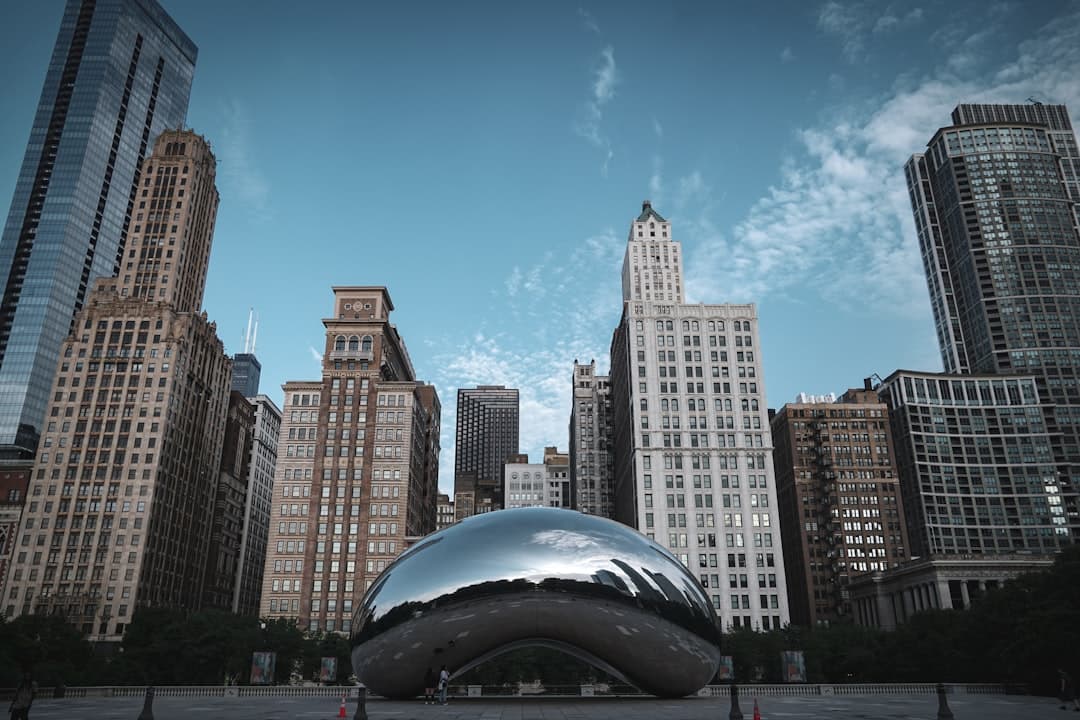
The park's two headline attractions are unmistakable. Cloud Gate — the giant mirrored bean-shaped sculpture by Anish Kapoor — distorts the Chicago skyline and your own reflection in ways that never quite get old, no matter how many photos you've seen of it. Nearby, Jaume Plensa's Crown Fountain consists of two 50-foot glass block towers that project video faces of Chicago residents and, in warmer months, shoot water from their mouths into a shallow wading pool that children absolutely lose their minds over. The Jay Pritzker Pavilion, designed by Frank Gehry, hosts free concerts throughout summer and fall — the Grant Park Music Festival plays here on Wednesday, Friday, and Saturday evenings, and the lawn fills with picnickers and families in a way that feels like the best version of what a city can be. Lurie Garden, tucked in the southeast corner, is a surprisingly serene perennial garden designed by Kathryn Gustafson that most visitors walk right past.
The park connects directly to the Art Institute of Chicago via the Nichols Bridgeway, a pedestrian bridge that rises from the park's southwest corner. If you're visiting in summer, the BP Bridge — also a Gehry design — offers one of the better elevated views of the park and lakefront. Come early morning if you want Cloud Gate without the crowds; by midday in peak season it's a scrum. The park is entirely free to enter and remarkably well maintained, which still surprises people who've never been.