Mouraria
Lisbon's oldest neighborhood, where fado was born and diversity never left.
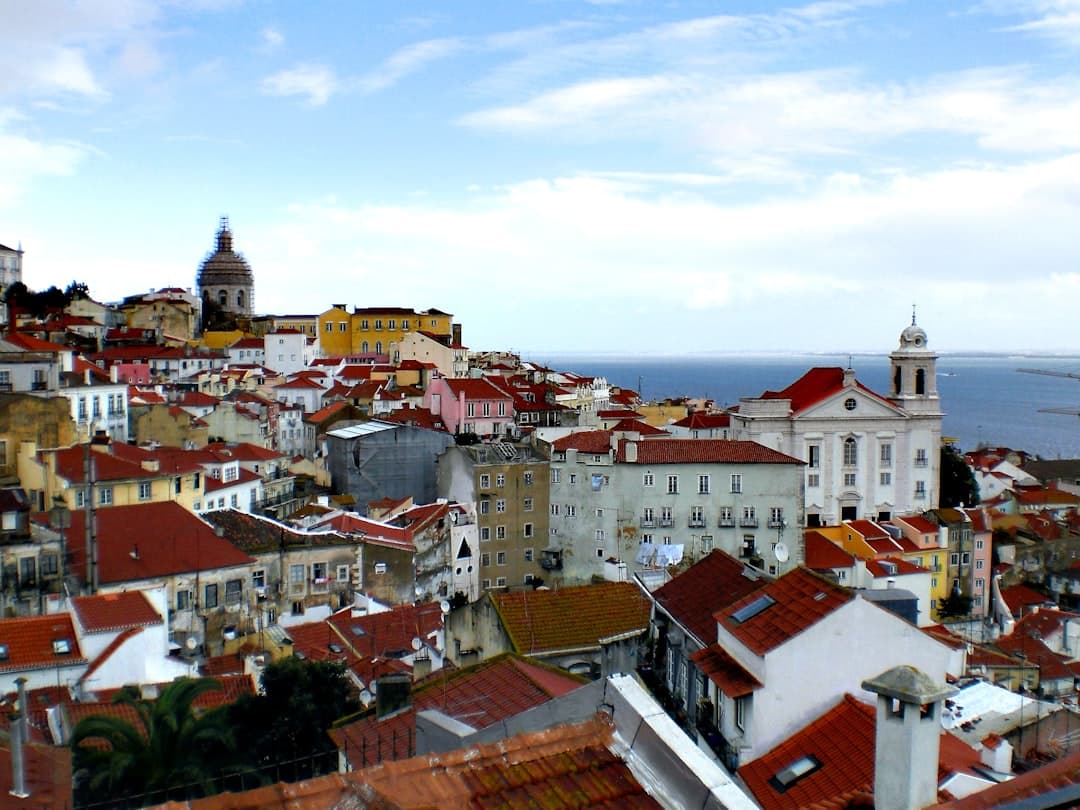
Mouraria is the ancient Moorish quarter tucked below the walls of São Jorge Castle, one of Lisbon's oldest and most historically layered neighborhoods. When the Moors were expelled from Lisbon after the Christian reconquest in 1147, they were forced to settle in this area outside the city walls — hence the name. For centuries it remained a place of outsiders: religious minorities, migrants, the working poor. That marginality gave it character. Mouraria is also widely credited as the birthplace of fado, the haunting Portuguese musical tradition, and is closely associated with Maria Severa, the legendary 19th-century singer whose life story is inseparable from the genre's origins.
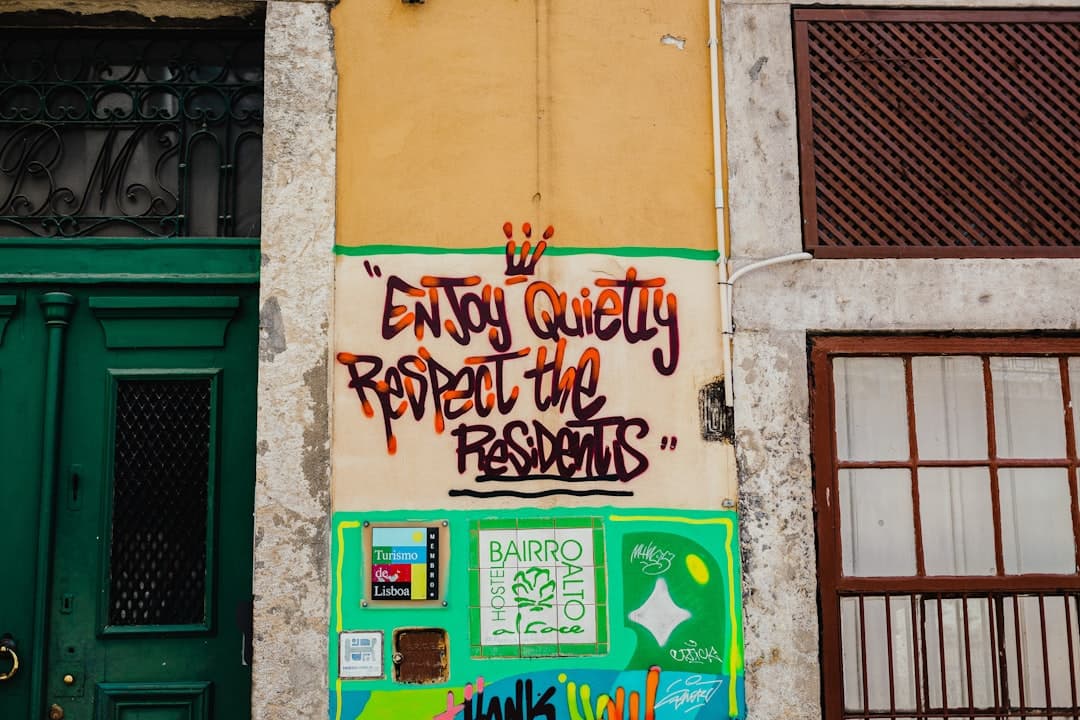
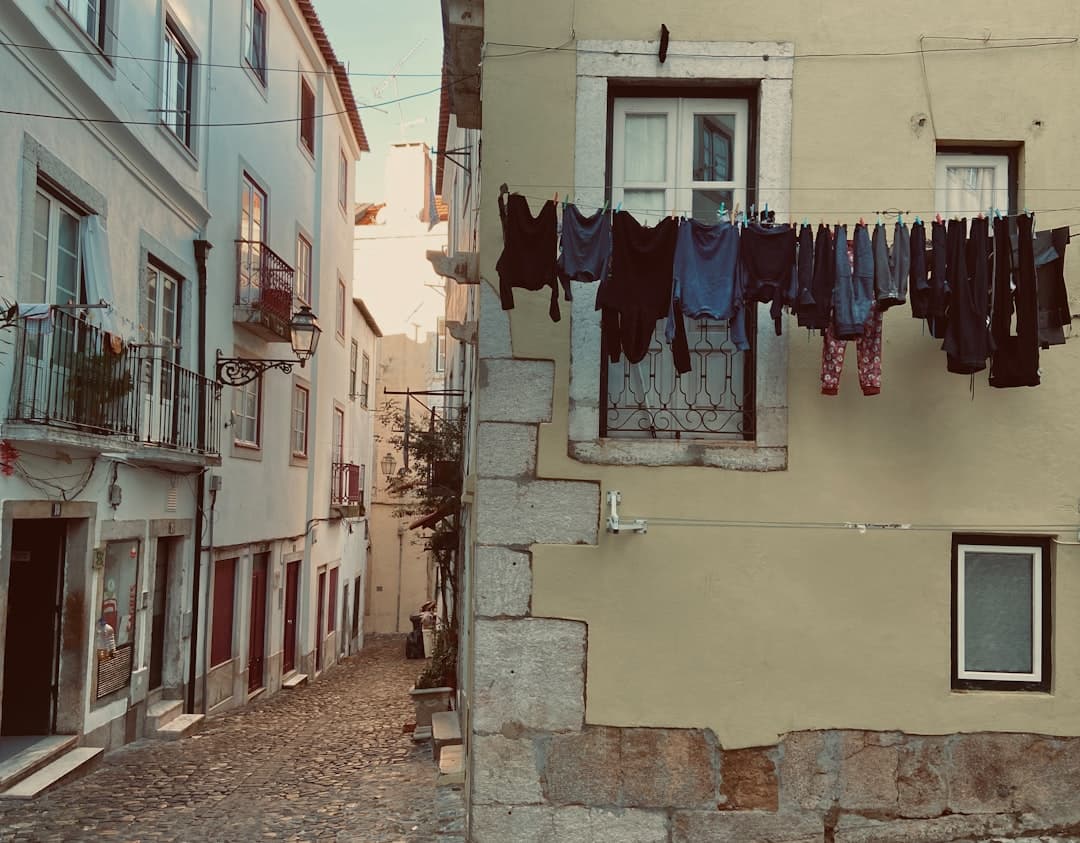
Walking through Mouraria today means navigating a web of steep, narrow alleyways — calcadas paved in rough stone — that spill into small squares like Largo do Intendente and Largo da Mouraria. The neighborhood is genuinely multicultural, home to a large South Asian and Chinese immigrant community, so you'll find Bangladeshi curry houses, Chinese grocery stores, and Arab tea rooms alongside traditional tascas serving bacalhau and petiscos. Street art covers many walls, and the Museu do Aljube — a former political prison now dedicated to the memory of the Salazar dictatorship's resistance — sits on the neighborhood's edge. The rooftop of the nearby Intendente neighborhood gives sweeping views toward the Tagus.
Mouraria resisted the worst of Lisbon's tourist gentrification longer than Alfama or Bairro Alto, so it still has a rawness to it that feels authentic rather than curated. It's not perfectly polished — some streets are rough around the edges — and that's the point. Come during the Festas de Lisboa in June when the neighborhood transforms with lights, music, and street parties that spill into the early hours. Walk uphill through Rua da Mouraria and Rua do Capelão for the most atmospheric stretches, and don't miss a petisco stop at one of the small restaurants on Largo da Mouraria square itself.