
Museum of Islamic Art
I.M. Pei's geometric masterpiece holds 1,400 years of Islamic civilization.
The Museum of Islamic Art sits on its own small island just off the Doha corniche, connected to the mainland by a short causeway — a deliberate bit of drama that sets it apart from the city before you've even walked through the door. The building itself was designed by I.M. Pei, who came out of retirement at age 91 to take on the commission, and spent months traveling the Islamic world studying architecture before producing this quietly monumental structure in 2008. It's one of the finest museum buildings constructed anywhere in the 21st century, and Qatar's crown jewel of cultural ambition.
Inside, the collection spans 1,400 years and three continents — ceramics, textiles, jewelry, manuscripts, metalwork, and woodcarving from Spain to Central Asia to sub-Saharan Africa. Highlights include a jaw-dropping collection of Mamluk metalwork, stunning Safavid-era carpets, and one of the world's finest assemblages of Islamic manuscripts and illustrated books. The layout rewards slow, deliberate exploration. The central atrium alone — a soaring geometric space flooded with light from a central oculus — is worth the visit. The museum does serious scholarly work but never feels academic or dry.
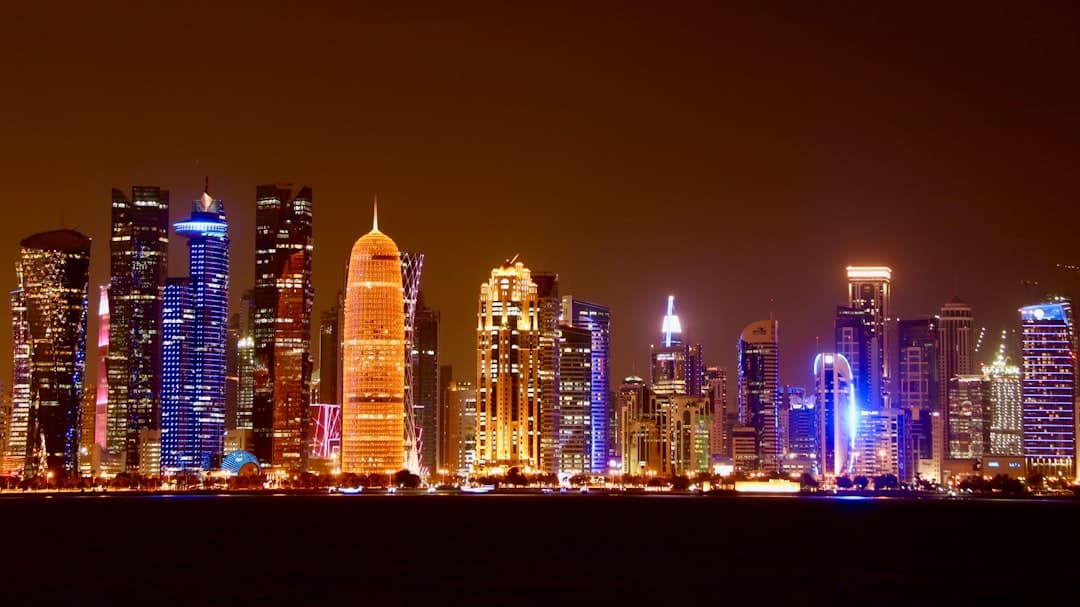
Practically speaking, entry is very affordable and the museum is rarely as crowded as its reputation might suggest, which means you can linger in front of pieces without fighting for space. Friday hours are shorter — the museum doesn't open until 1:30pm — so plan accordingly. The waterfront park surrounding the building is beautifully landscaped and offers some of the best views of the Doha skyline, so build in time to walk around outside before or after. The in-house IDAM restaurant, by Alain Ducasse, sits on the top floor with panoramic views and is one of the city's more special dining experiences if budget allows.