
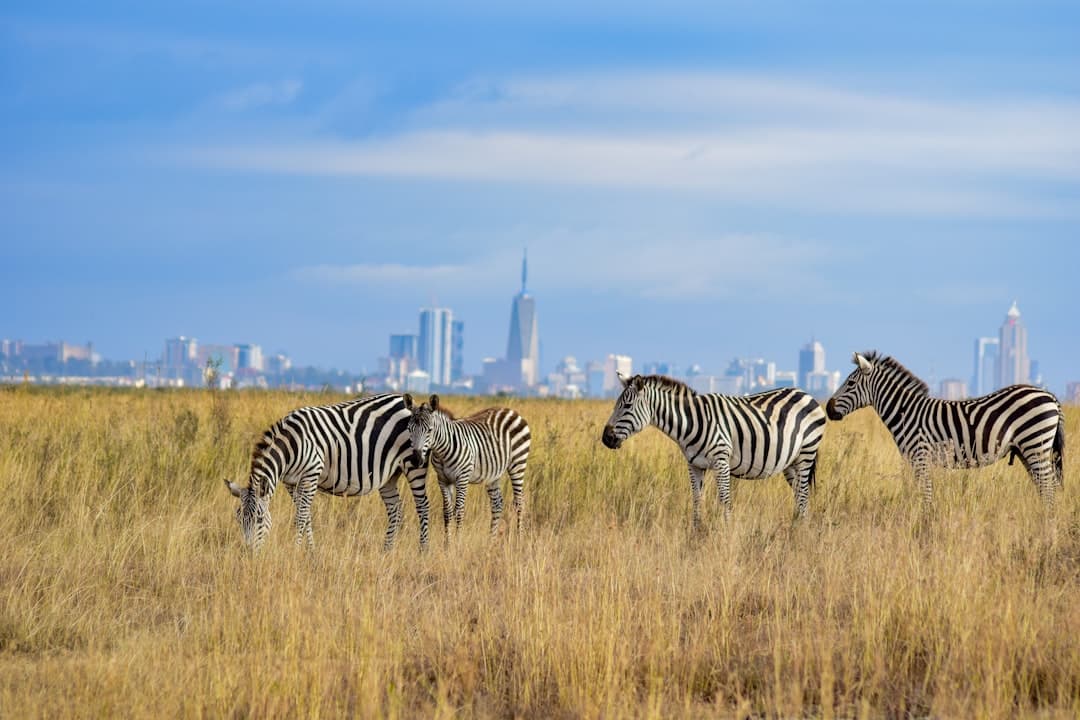
Nairobi National Museum
Kenya's natural and cultural heritage under one remarkable roof.
The Nairobi National Museum is Kenya's foremost museum, operated by the National Museums of Kenya and sitting just north of the city centre on Museum Hill. It's the kind of place that puts the country's staggering breadth — 50 million years of geological time, dozens of ethnic cultures, colonial history, and post-independence nationhood — into a single afternoon. Founded in 1910 as the East Africa and Uganda Natural History Society's collection and relocated to its current building in 1930, it has grown into a serious institution with genuine world-class holdings, most famously in palaeontology.
Inside, you'll find one of the most important collections of early human fossils anywhere on earth, including casts and originals from the Turkana Basin discoveries that have shaped our understanding of human evolution — the work of the Leakey family, who made Kenya the cradle of modern palaeontology. The Hall of Kenya's Past walks you through millions of years with impressive clarity. The natural history galleries cover East African wildlife in depth, and the cultural exhibits explore the traditions and material culture of Kenya's many ethnic groups, from the Maasai to the Giriama. There's also a Snake Park on the grounds, a botanical garden, and a gallery dedicated to Joy Adamson — the conservationist who wrote Born Free — which adds an unexpected emotional layer to the visit.
The museum sits in a relatively quiet, leafy pocket of Nairobi, making it a calming counterpoint to the city's intensity. Entry fees are tiered for residents and non-residents, so expect to pay more as a foreign visitor — roughly in line with international museum standards. The café on site is functional rather than special, so eat beforehand or after. The museum shop carries some genuinely good books on East African wildlife, archaeology, and culture that are harder to find elsewhere in the city.