
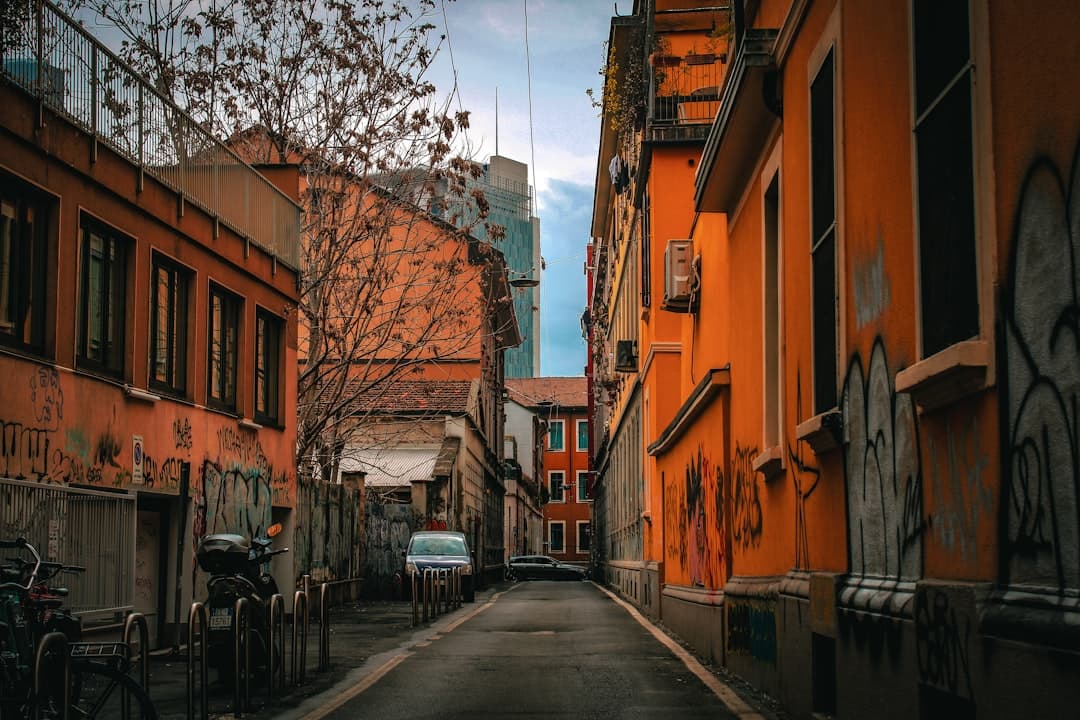
Navigli
Milan / Navigli

Navigli

Milan's historic canal district where aperitivo culture and bohemian energy collide.

🛍️ Shopping🎶 Nightlife🏛️ Sights & Landmarks🍽️ Food & Drink🏘️ Neighborhoods
🌿 Relaxing🍽 Foodie🎭 Cultural🌹 Romantic

Navigli is Milan's canal neighborhood, built around two surviving waterways — the Naviglio Grande and the Naviglio Pavese — that were once part of a vast medieval canal system used to transport marble for the Duomo and goods across Lombardy. Leonardo da Vinci himself helped engineer parts of the network. Today the canals are a social and cultural hub, the kind of place that feels lived-in and unpretentious in a city that can sometimes feel intimidatingly polished. It's where Milanese locals actually hang out, not just where they send tourists.

The experience is fundamentally about wandering and drinking in the atmosphere — literally. The towpaths along the canals are lined with bars, trattorias, vintage shops, and art galleries, most of which spill out onto the waterfront in warm weather. The big ritual is aperitivo, the pre-dinner tradition that Milan does better than anywhere in Italy: order a Campari Spritz or a Negroni at one of the outdoor terraces around 6pm and watch the neighborhood come alive. On weekend evenings, the canalside fills with a mix of students, young professionals, and older Milanese who've been coming here for decades. The last Sunday of each month, the Mercatone dell'Antiquariato — a sprawling antiques market — takes over the Naviglio Grande, drawing serious collectors and casual browsers alike.

Navigli sits in the southwest corner of Milan's inner city, roughly a 15-minute walk from the Duomo or a quick ride on the M2 metro to Porta Genova. The streets off the main canal strip — Via Corsico, Ripa di Porta Ticinese, Alzaia Naviglio Grande — are where you'll find the better restaurants and the less touristy bars. Come in the evening for aperitivo and stay through dinner; this is not a morning destination.

Local Tips

  1. 1

    Skip the most photographed stretch right at the Darsena basin and walk further along Alzaia Naviglio Grande — the bars get better and less touristy the further you go from the main junction.

  2. 2

    For aperitivo, look for places that still offer a proper free buffet with your drink rather than just a few olives — Bar Basso is the Milanese institution, though it's actually north of Navigli in Porta Venezia; in Navigli itself, locals favor spots on Via Corsico and the quieter side streets.

  3. 3

    The last Sunday antiques market (Mercatone dell'Antiquariato) starts early and the serious dealers are there by 9am — arrive mid-morning for the best balance of selection and energy.

  4. 4

    If you want to eat dinner here, book ahead at actual restaurants on the side streets rather than the canalfront — the waterside spots tend to trade heavily on location rather than food quality.

When to Go

Best times
April to June

The best time to be here — warm enough for outdoor terraces, canals look their best, and the evening crowds are lively without being overwhelming.

September to October

Second-best window: the summer tourist rush is over, locals are back from holiday, and the aperitivo scene feels authentically Milanese again.

Winter evenings

Cold and damp, though the canal reflections of bar lights at night have a certain melancholy beauty. Most action moves indoors and the scene is noticeably quieter.

Try to avoid
July and August

Much of Milan empties out in August — many bars and restaurants close for weeks, and the neighborhood loses its energy. July can be oppressively humid.

Why Visit

01

Milan's aperitivo scene is legendary, and Navigli is its heartland — dozens of canalside bars pour drinks and put out free food from around 6pm every evening.

02

The Mercatone dell'Antiquariato, held the last Sunday of the month, is one of Italy's best antiques markets, with over 400 stalls stretching the length of the Naviglio Grande.

03

This is one of the rare Milan neighborhoods where the atmosphere is genuinely relaxed and neighborhood-feel — canal reflections, cobblestones, and no sense that you're being sold anything.