
Oceanário de Lisboa
Lisbon / Oceanário de Lisboa

Oceanário de Lisboa

One of Europe's finest aquariums, built on Lisbon's waterfront for Expo '98.

🏛️ Sights & Landmarks🌿 Nature & Outdoors🎭 Arts & Entertainment
👨‍👩‍👧 Family-friendly🎭 Cultural

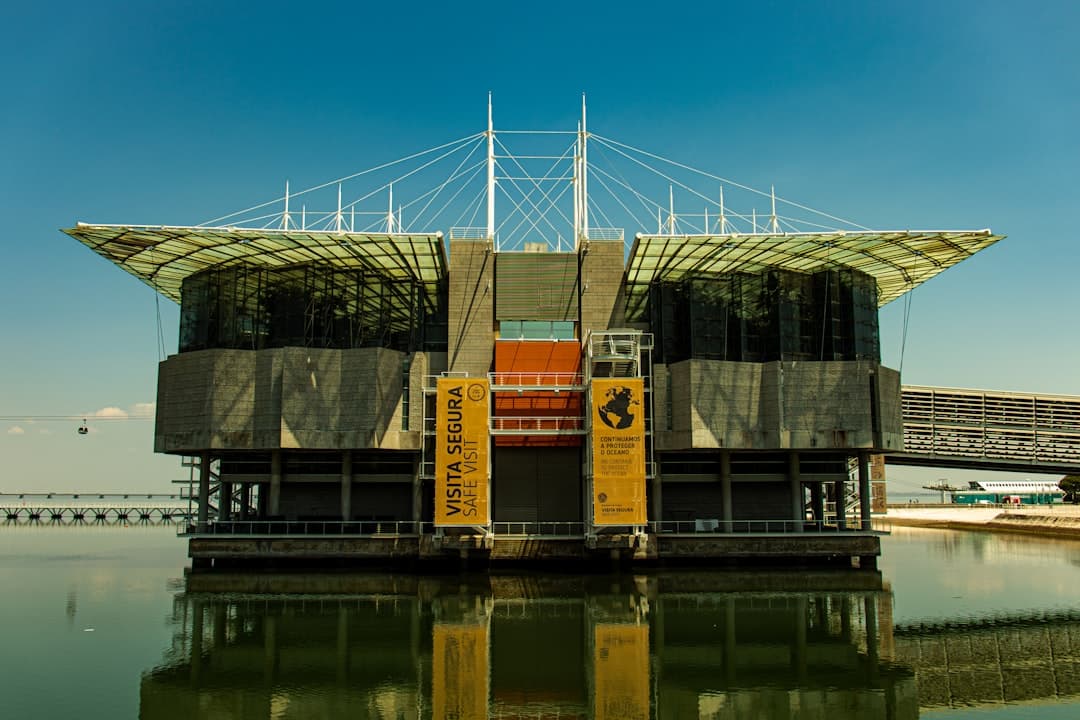
The Oceanário de Lisboa opened in 1998 as the centrepiece of Portugal's World Exposition, themed around the oceans. Designed by American architect Peter Chermayeff, the building appears to float on the Tagus estuary in the Parque das Nações district — a deliberate architectural nod to the sea itself. It has since earned a reputation as one of the best aquariums in Europe, not just for the scale of its exhibits but for the genuine quality of its conservation mission and presentation.

The heart of the experience is the enormous central ocean tank — holding around four million litres of seawater — which you can observe from multiple levels, watching ocean sunfish, sharks, rays, and schools of smaller fish move through it in an almost hypnotic loop. Surrounding it are four distinct habitat zones representing the Atlantic, Pacific, Indian, and Antarctic oceans, each with its own above and below-water viewing areas. You'll encounter sea otters, puffins, penguins, sea dragons, and a remarkable diversity of reef life. Temporary exhibitions run alongside the permanent collection and are usually thoughtfully curated.

The Oceanário sits inside Parque das Nações, Lisbon's modern waterfront neighbourhood, so it pairs naturally with a longer day out — riverside walking paths, good restaurants, and the Telecabine cable car are all nearby. Buy tickets online in advance, especially in summer or during school holidays, as queues at the door can be significant. Morning visits tend to be calmer, and the light through the main tank is particularly beautiful earlier in the day.

Local Tips

  1. 1

    The ocean sunfish (mola mola) in the central tank tends to station itself near the glass on the lower viewing level — worth being patient for a close look, as it's one of the strangest and most impressive fish you'll ever see.

  2. 2

    After your visit, walk north along the waterfront promenade toward the Telecabine Lisboa cable car — it runs along the riverbank and gives a great elevated perspective of the whole Parque das Nações area.

  3. 3

    The Oceanário's own café is fine but unremarkable. For a better meal, head to the Centro Comercial Vasco da Gama next door or explore the waterfront restaurants along the Passeio das Tágides.

  4. 4

    The temporary exhibitions are included in the standard ticket price and are genuinely worth your time — they tend to focus on marine conservation themes and are well-produced.

When to Go

Best times
Weekday mornings (year-round)

Noticeably quieter than afternoons and weekends — the main tank viewing areas are less crowded and the experience is more contemplative.

October–March

Shoulder and off-season visits mean shorter queues and a more relaxed atmosphere. The indoor nature of the attraction makes it ideal on grey or rainy days when other Lisbon sights are less appealing.

Try to avoid
July–August

School summer holidays bring peak crowds, especially from Portuguese families and European tourists. Queues without pre-booked tickets can be long, and the building gets busy inside.

Why Visit

01

The central ocean tank is genuinely spectacular — four million litres of open ocean life, including sharks and enormous ocean sunfish, viewable from several floors.

02

The habitat zones are unusually immersive, letting you see creatures like sea otters and puffins both above and below the waterline in naturalistic settings.

03

It's one of the few major attractions in Lisbon that works brilliantly regardless of weather — and the building itself, seemingly floating on the water, is worth seeing from outside too.