
Old Montreal
Montreal / Old Montreal

Old Montreal

Four centuries of French colonial history packed into cobblestone streets.

🏛️ Sights & Landmarks🍽️ Food & Drink🎯 Activities & Experiences🎭 Arts & Entertainment🏘️ Neighborhoods
🍽 Foodie👨‍👩‍👧 Family-friendly🎭 Cultural🌹 Romantic

Old Montreal — Vieux-Montréal in French — is the original heart of the city, a roughly 90-block historic district that sits along the St. Lawrence River waterfront. Founded in 1642 as Ville-Marie, it's where Montreal began, and the bones of that origin are still visible: 17th- and 18th-century stone buildings line the streets, the old port stretches along the water, and the neighbourhood hums with a lived-in energy that feels nothing like a theme-park recreation of the past. It's genuinely old, genuinely beautiful, and genuinely busy.

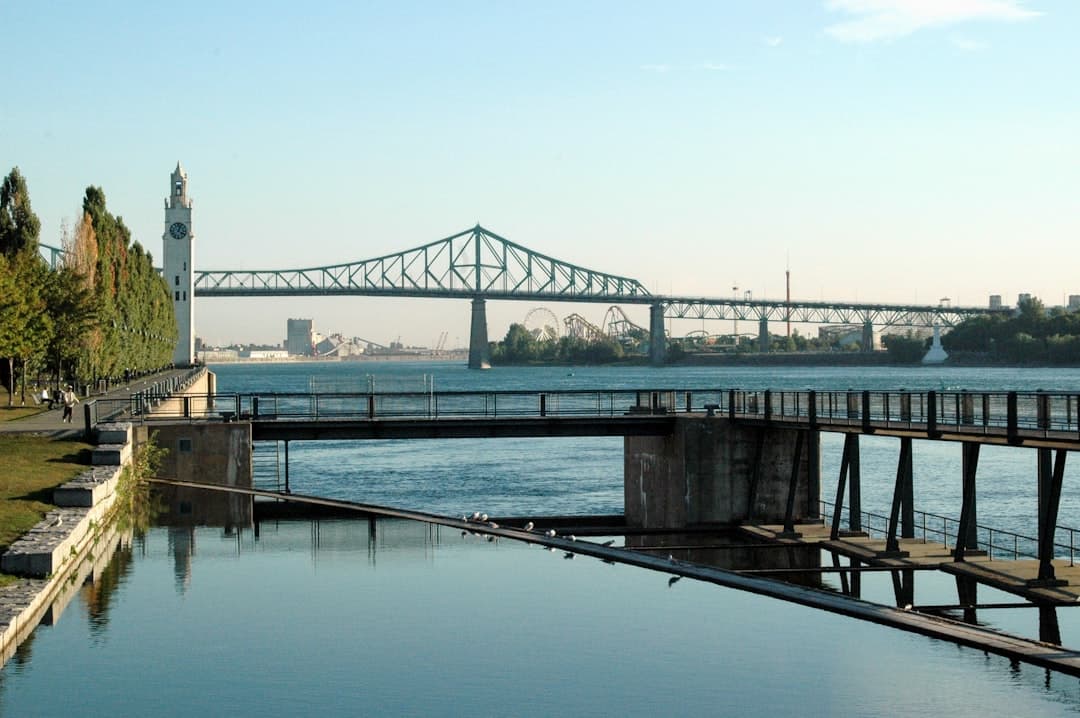
On any given visit you'll wander through Place Jacques-Cartier — the main square that fills with buskers, café terrasses, and tourists from spring through fall — and eventually find yourself in front of the stunning Notre-Dame Basilica, whose neo-Gothic interior is one of the most jaw-dropping spaces in North America. The Pointe-à-Callière archaeology museum sits on the actual founding site of the city and lets you walk through excavated layers of history beneath the streets. The Old Port (Vieux-Port) runs along the riverfront and hosts everything from cycling paths and paddleboats to winter ice skating and the summer Formula E race. Rue Saint-Paul, the oldest street in Montreal, is lined with galleries, restaurants, and boutiques worth getting lost in.

The neighbourhood is compact enough to cover largely on foot, but dense enough to reward slowing down. Weekend mornings before noon are the sweet spot — the tour groups haven't arrived in force and the light on the limestone buildings is extraordinary. Avoid driving in if you can; the streets are narrow, parking is expensive, and the Métro's Champ-de-Mars or Square-Victoria–OACI stations drop you right at the edges of the district.

Local Tips

  1. 1

    Notre-Dame Basilica charges admission and requires a ticket — book ahead online if visiting in summer to avoid the queue, or go right when it opens at 9am.

  2. 2

    Rue Saint-Paul runs parallel to the more tourist-heavy Place Jacques-Cartier area and has better independent galleries, chocolate shops, and restaurants at calmer prices.

  3. 3

    The Champ-de-Mars Métro station exits directly onto the old city walls and offers a great elevated view of the neighbourhood — a free and underused vantage point.

  4. 4

    Many of the best restaurants in the neighbourhood (like Toqué! on Place Jean-Paul-Riopelle) are dinner-reservation territory — book ahead if a specific spot matters to your evening.

When to Go

Best times
June–August

Place Jacques-Cartier and the Old Port are at their liveliest, with terrasse dining, outdoor festivals, and the waterfront fully activated — but weekend crowds are intense.

Late September–October

Arguably the best time to visit — fall colours hit the nearby parks, crowds thin noticeably, and the stone architecture looks stunning in autumn light.

December–February

The Old Port ice rink opens and the neighbourhood takes on a quieter, atmospheric character, though some outdoor terrasses and seasonal vendors close for winter.

Try to avoid
July–August weekends

Peak tourist season brings serious crowds to the main square and Notre-Dame Basilica; if you can, visit on a weekday morning instead.

Why Visit

01

Notre-Dame Basilica's interior — gilded woodwork, deep blue vaulted ceilings, and stained glass — is genuinely one of the most beautiful rooms in Canada.

02

You can walk the actual founding site of Montreal at Pointe-à-Callière, a world-class archaeology museum built over 400-year-old ruins.

03

The Old Port waterfront offers something in every season: cycling and paddleboats in summer, one of the best outdoor ice rinks in the city in winter.