
Nusa Penida
Bali / Nusa Penida

Nusa Penida

Bali's wild, clifftop island with beaches that stop you cold.

🏛️ Sights & Landmarks🌿 Nature & Outdoors🎯 Activities & Experiences
🧗 Adventurous🌹 Romantic🗺 Off the beaten path

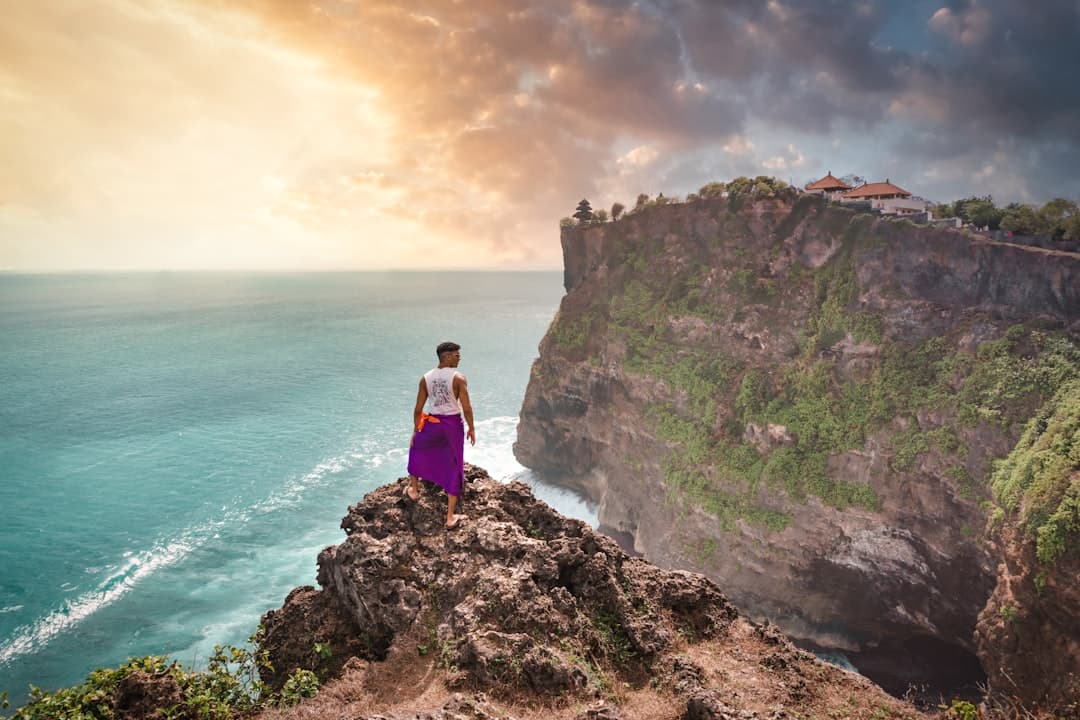
Nusa Penida is a rugged limestone island about 45 minutes by fast boat from Sanur in Bali. For years it was considered Bali's rough-edged little sibling — underdeveloped, hard to reach, and mostly skipped by tourists. That changed sharply around 2016 when photos of Kelingking Beach, with its T-Rex-shaped cliff plunging toward an improbable turquoise cove, went viral worldwide. The island is now one of the most Instagrammed spots in all of Southeast Asia, but the landscape that made it famous is genuinely, breathtakingly real.

The main draws are a handful of dramatic coastal viewpoints and beaches. Kelingking Beach is the icon — you hike down a steep, sometimes treacherous path to reach the crescent of white sand below the cliff, and the payoff is enormous. Angel's Billabong is a natural rock pool carved by the ocean at the island's southwest tip, and nearby Broken Beach (Pasih Uug) is a collapsed sea cave that formed a perfect circular bay open to the surf. On the eastern side, Crystal Bay is the go-to for snorkeling and, between July and October, manta ray encounters at Manta Point are common. The interior is hilly, terraced, and largely agricultural — a sharp contrast to tourist Bali.

Nusa Penida is best treated as a full-day trip or a two-night stay if you want to see more than the west-coast highlights. Roads have improved but are still steep, narrow, and potholed in places — renting a scooter is common, but hiring a driver for the day is far more practical and not expensive. Most visitors come on day trips from Bali, which means the iconic spots are busy by mid-morning. Staying overnight lets you hit Kelingking at dawn before the crowds arrive, which is a completely different experience.

Local Tips

  1. 1

    Hire a local driver for the day rather than renting a scooter — the roads are steep, potholed, and sometimes genuinely dangerous for unfamiliar riders, and a driver costs roughly the same split between two or three people.

  2. 2

    Kelingking Beach viewpoint is stunning even if you don't descend to the sand below, but the hike down is worth it if you're fit and have good shoes — allow at least an hour down and back.

  3. 3

    The warung stalls near Broken Beach and Angel's Billabong sell cold coconuts and simple rice dishes that are genuinely good — don't skip lunch on the island in favor of eating back in Bali.

  4. 4

    Manta Point encounters are not guaranteed but are highly reliable between July and October — book through a dive operator rather than a generic day-tour company for a better-run experience in the water.

When to Go

Best times
May to October (dry season)

Best visibility for snorkeling and diving, calmer seas for boat crossings, and the prime window for manta ray sightings at Manta Point. Kelingking's path is much safer when dry.

Try to avoid
July to August

Peak tourist season — iconic spots like Kelingking are at their most crowded mid-morning. Arrive at viewpoints before 8am or plan to stay overnight to beat the day-trip boats.

November to March (wet season)

Rough seas can cancel or delay fast boats from Sanur, sometimes for days. The steep trail to Kelingking Beach becomes dangerously slippery. Some snorkeling sites lose visibility.

Why Visit

01

The clifftop view at Kelingking Beach — a dinosaur-shaped rock formation above a turquoise bay — is one of the most dramatic coastal landscapes in Southeast Asia.

02

Manta rays gather near Manta Point from July through October, offering snorkeling or diving encounters with these enormous, graceful animals in open water.

03

The island still feels genuinely wild and underdeveloped compared to mainland Bali, with steep jungle roads, local warung food, and a pace that hasn't been fully smoothed over for tourists.