
Old Havana
Four centuries of crumbling grandeur, music, and street life in one walkable district.
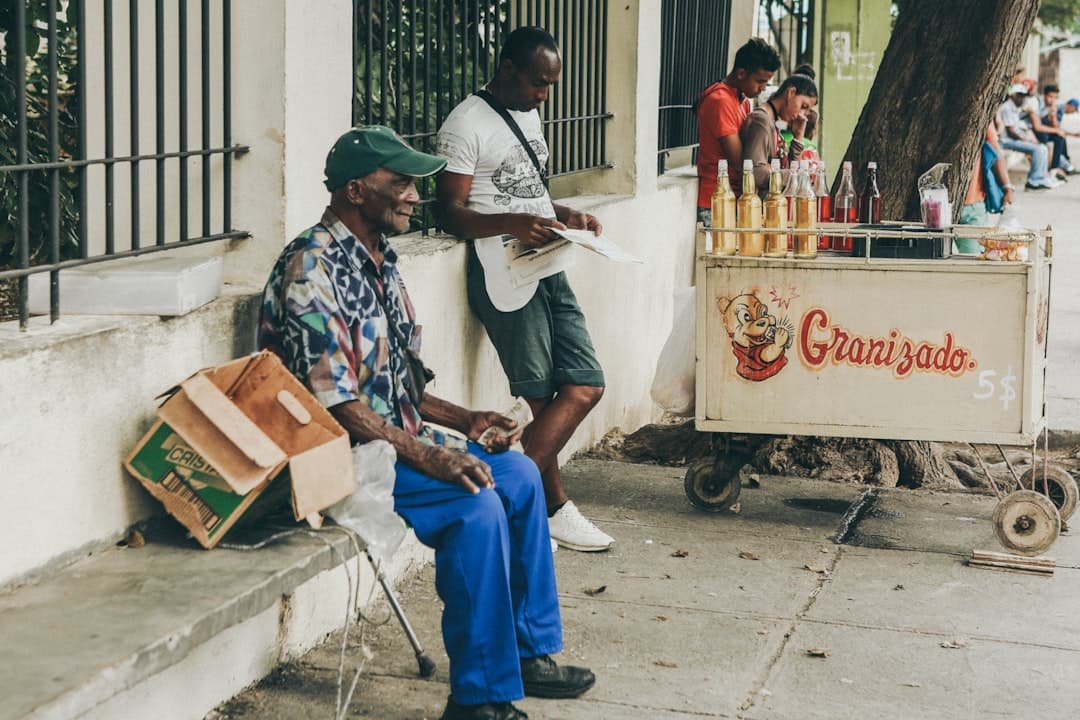
Old Havana — Habana Vieja in Spanish — is the historic heart of Cuba's capital, a roughly one-square-mile district that was founded by Spanish colonizers in 1519 and has been continuously inhabited ever since. It's one of the best-preserved colonial cities in the Western Hemisphere, which is why UNESCO designated it a World Heritage Site in 1982. The streets are a mix of four architectural eras — baroque, neoclassical, art nouveau, and art deco — often crammed together on the same block, with ochre and turquoise facades peeling in the Caribbean heat and laundry strung between wrought-iron balconies. It is simultaneously a living neighborhood where around 70,000 Cubans actually live their daily lives, and a place of serious historical weight.
The experience is best understood as a long, unhurried walk. The four main plazas — Plaza de Armas, Plaza Vieja, Plaza de la Catedral, and Plaza de San Francisco de Asís — each have their own personality and anchor different corners of the district. Plaza de Armas is the oldest, ringed by the Palacio de los Capitanes Generales and stalls selling second-hand books and old Cuban magazines. Plaza de la Catedral has the 18th-century baroque cathedral and the best people-watching terraces. Between them, the pedestrianized Calle Obispo buzzes with musicians, peso-pizza vendors, and tourists. The Malecón seawall is a short walk north and is arguably the most romantically atmospheric stretch of public space in the Caribbean. Museums — including the Museo de la Revolución in the former Presidential Palace and the Museo Nacional de Bellas Artes — are interspersed throughout, and the Fábrica de Arte Cubano is worth an evening detour even though it sits just outside the historic core.
The practical reality is that Old Havana runs on two parallel economies: one for Cubans in pesos, one for visitors in MLC (the hard-currency card system that replaced CUC in 2021). Cash is essential — ATMs are unreliable and card acceptance is limited. The best time to walk is morning, before the heat and tour groups arrive, when the light on the plazas is extraordinary and the streets still belong to locals heading to work. Paladares — privately run restaurants — are consistently better than state-run options; look for La Guarida (technically in Centro Habana but worth the walk) or El del Frente on Plaza Vieja for a reliable, locally beloved meal. Hustlers are present but rarely aggressive; a polite but firm 'no gracias' handles most situations.