
Peggy Guggenheim Collection
Peggy Guggenheim's personal collection in her Grand Canal palazzo.
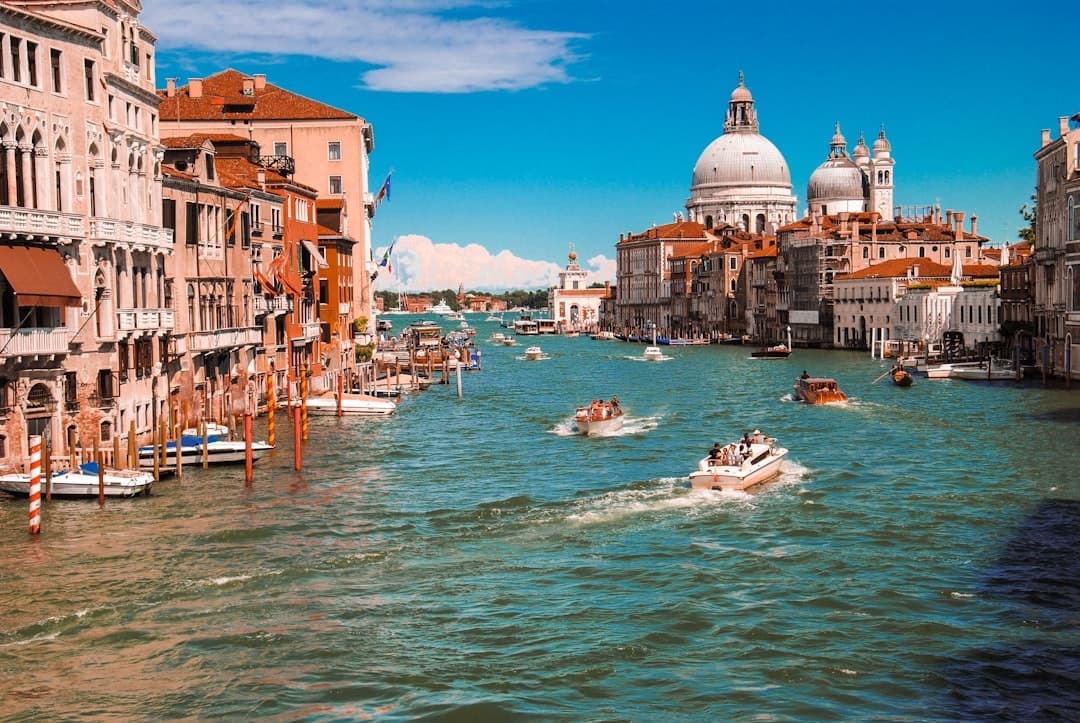
The Peggy Guggenheim Collection is one of the most important museums of modern art in Europe, housed in the Palazzo Venier dei Leoni — a low, unfinished 18th-century palazzo on the Grand Canal that became the home and personal gallery of American heiress and art patron Peggy Guggenheim from 1949 until her death in 1979. Guggenheim had an extraordinary eye and an even more extraordinary social life: she collected works directly from artists she knew personally, including Picasso, Kandinsky, Mondrian, Dalí, Ernst (her second husband), and Pollock (whom she discovered and championed). The result is not a dry institutional collection but something deeply personal — a record of a woman who was at the center of the 20th-century art world and bought what she loved.
The collection spans Cubism, Futurism, Surrealism, and Abstract Expressionism, and the works feel alive here in a way they sometimes don't in larger museums. You walk through Guggenheim's former living rooms, out onto the terrace with its famous Marino Marini sculpture of a man on horseback with an outstretched arm (and some famously detachable anatomy), and look directly out over the Grand Canal. The sculpture garden houses work by Giacometti, Calder, and others. Inside, you'll find Dalí's haunting Birth of Liquid Desires, Pollock's early drip paintings, and Magritte's Empire of Light — a painting that reportedly inspired the poster for the film The Exorcist. Peggy's ashes are buried in the garden alongside her beloved dogs.
The museum is managed by the Solomon R. Guggenheim Foundation and keeps serious programming — temporary exhibitions rotate through regularly, so even repeat visitors will find something new. It's closed on Tuesdays. Come in the morning when it opens at 10am to avoid the worst of the tourist rush, especially in summer. The museum shop is genuinely good, and the terrace alone is worth the entrance fee on a clear day.