
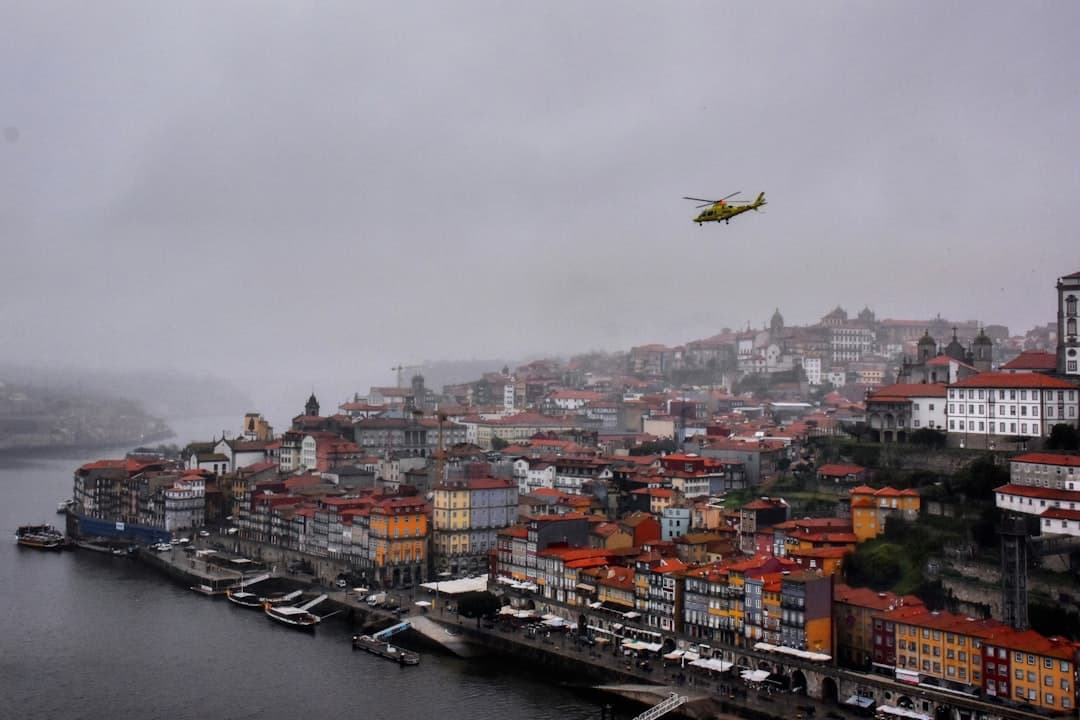
Palácio da Bolsa
Porto's 19th-century stock exchange hides one of Europe's most jaw-dropping interiors.
The Palácio da Bolsa — literally the Stock Exchange Palace — is a neoclassical monument built in the 1840s on the site of a former Franciscan convent, commissioned by Porto's Commercial Association to impress foreign traders and project the city's mercantile ambitions to the world. It worked. The building is a statement of civic pride in stone, iron, and gilt, and it remains one of the most architecturally significant buildings in Portugal — a fact recognized when it was granted UNESCO World Heritage status as part of Porto's historic centre.
Visiting means joining a guided tour (the only way to access most of the palace), which takes you through a sequence of increasingly theatrical rooms. The centrepiece is the Arab Room — Salão Árabe — a breathtaking banquet hall designed by Gonçalves e Sousa and completed in 1880 after 18 years of work. Every centimetre of the walls and ceiling is covered in intricately carved plaster and gilded stucco, modelled on the Alhambra in Granada. It's the kind of room that stops conversation. You'll also pass through the Nations' Hall, with its iron-and-glass skylight ceiling and the painted crests of Portugal's historic trading partners ringing the walls, plus smaller salons and meeting rooms stuffed with 19th-century Portuguese craftsmanship.
Tours run frequently throughout the day in multiple languages — English tours happen regularly, so you're unlikely to wait long. Budget around 90 minutes. The palace sits at the edge of the Ribeira district, right next to the Igreja de São Francisco, and the two make a natural pairing — one Gothic, one neoclassical, both extraordinary. Go mid-morning on a weekday if you can: tour groups thin out and the light through those iron-and-glass ceilings is at its best.