
Dom Luís I Bridge
Porto / Dom Luís I Bridge

Dom Luís I Bridge

Porto's double-decker iron giant connecting two worlds across the Douro.

🏛️ Sights & Landmarks🎯 Activities & Experiences
🧗 Adventurous🎭 Cultural🌹 Romantic

The Dom Luís I Bridge is a double-deck metal arch bridge spanning the Douro River between Porto and Vila Nova de Gaia, completed in 1886. Designed by Théophile Seyrig — a former partner of Gustave Eiffel — it was once the longest metal arch bridge in the world and remains one of the most recognizable structures in Portugal. The lower deck carries road traffic and pedestrians, while the upper deck, rising about 60 meters above the river, carries the metro line and a pedestrian walkway that delivers some of the most extraordinary urban views in Europe.

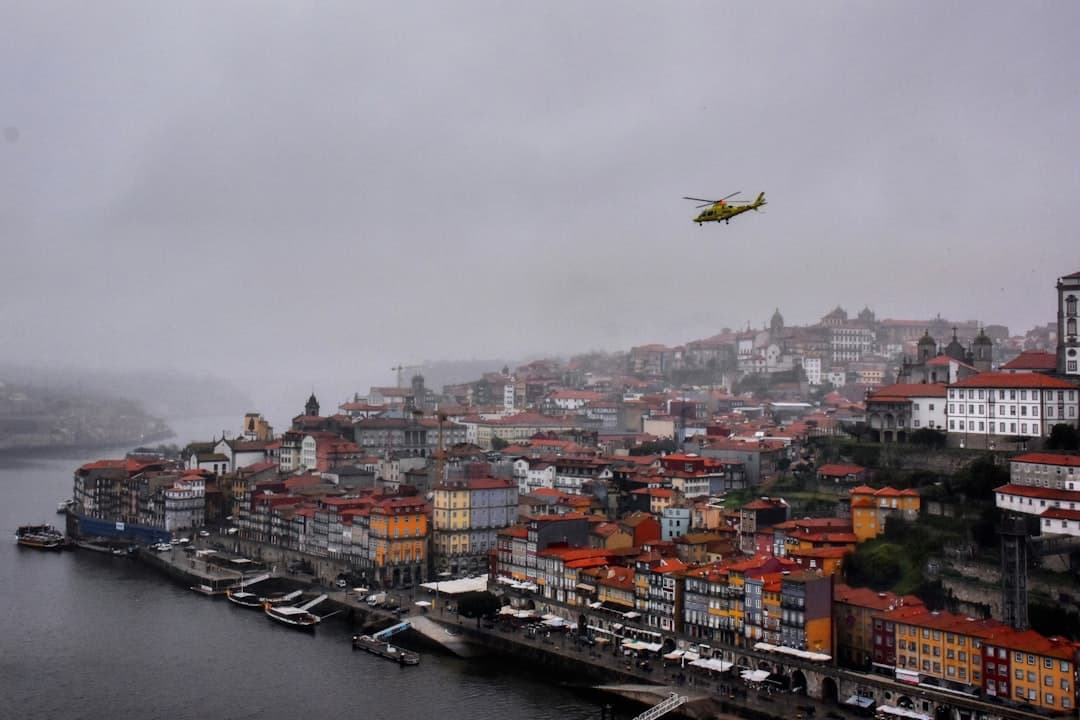
Most people cross the lower deck on foot without thinking too much about it, but the real experience is getting up to the upper deck. You can walk the full span across the top — it takes maybe 15 minutes — with the city of Porto climbing steeply to your left, the port wine lodges of Gaia sprawling to your right, and the wide green Douro below you. Looking east, you can see the Maria Pia Railway Bridge, also a Seyrig design. Looking west, the river opens toward the Atlantic. The Ribeira district on Porto's side and the Cais de Gaia on the other are both living, colorful neighborhoods that anchor each end of the bridge.

Take the metro from central Porto to get up to the Jardim do Morro station in Gaia — that drops you right at the upper deck level on the Gaia side without any climbing. From there you walk across and descend into the Batalha area of Porto. Sunset is the undisputed best time: the light hits the terracotta rooftops and the azulejo-tiled facades on Porto's hillside and turns everything golden. It gets genuinely crowded in summer evenings, but there's no real way to avoid it — it's just too good a view.

Local Tips

  1. 1

    Take the metro to Jardim do Morro on the Gaia side to reach the upper deck without climbing — it saves you a steep uphill walk and you start with the best views facing Porto.

  2. 2

    Walk east along the upper deck railing for a clear sightline to the Maria Pia Bridge — a lesser-photographed but equally elegant iron structure just upriver.

  3. 3

    The Escadas do Codeçal staircase on the Porto side brings you down from the upper deck into the Batalha neighborhood — a quieter descent than the main tourist flow toward Ribeira.

  4. 4

    If you want the bridge at its most photogenic from the outside, the viewing terrace at Serra do Pilar convent in Gaia (just above the upper deck on the south side) gives you the classic Porto skyline shot.

When to Go

Best times
Sunset (year-round)

The golden light on Porto's hillside and the Douro is spectacular at any time of year — this is genuinely the best time of day to cross.

December–February

Crowds thin significantly, the light is often crisp and clear, and the bridge views are just as compelling — winter is underrated here.

Try to avoid
June–August

Peak summer crowds, especially at sunset on the upper deck — expect slow-moving pedestrian traffic and competition for the best photo spots.

Midday in summer

The upper deck has no shade and the exposed metal surface heats up considerably — uncomfortable and harsh for photos.

Why Visit

01

The upper pedestrian walkway offers one of Europe's great urban panoramas — two historic cities and a broad river all at once.

02

A landmark of 19th-century iron engineering designed by a collaborator of Gustave Eiffel, with a history as impressive as its scale.

03

Crossing it connects you directly to both Porto's Ribeira waterfront and Gaia's famous port wine lodges, making it the natural hinge of any visit.