
Panna Meena Ka Kund
Jaipur / Panna Meena Ka Kund

Panna Meena Ka Kund

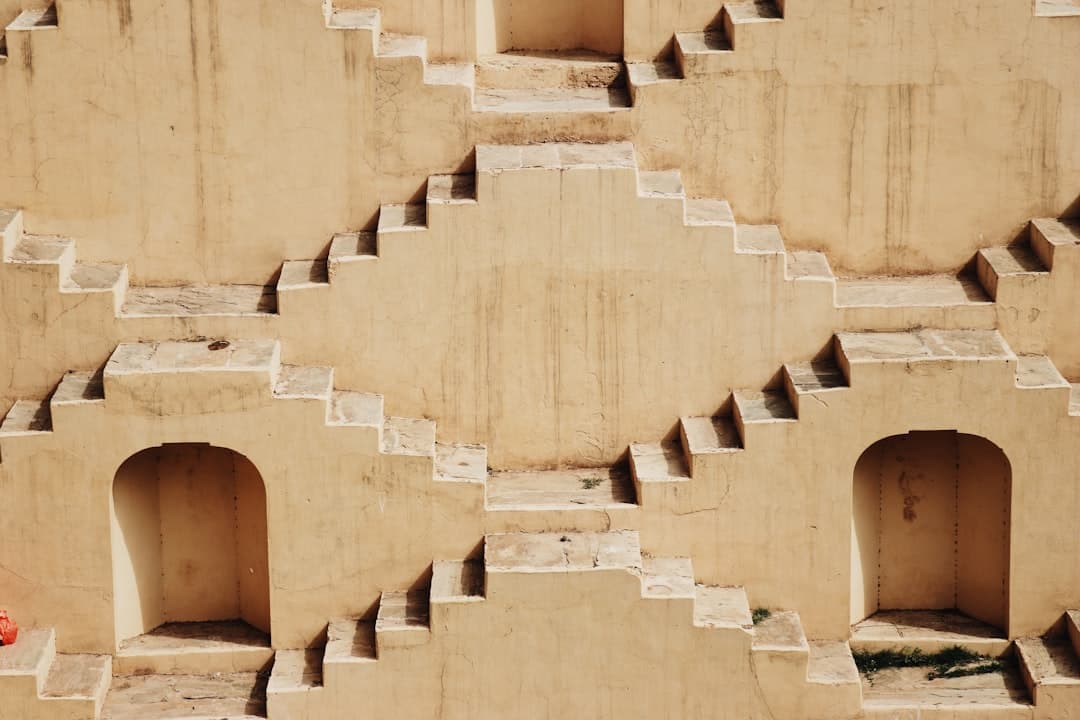
A geometric stepwell of hypnotic symmetry hiding in plain sight near Amber Fort.

🏛️ Sights & Landmarks🎯 Activities & Experiences
🧗 Adventurous🎭 Cultural🗺 Off the beaten path

Panna Meena Ka Kund is a stunning baoli — a traditional Indian stepwell — built in the 16th century during the reign of the Amber kings. Stepwells were engineering marvels designed to provide year-round access to water in Rajasthan's arid climate, but Panna Meena Ka Kund goes well beyond utilitarian: its interlocking staircases descend in crisscrossing diagonal patterns on all four sides, creating a dizzying, almost Escher-like optical effect when viewed from above. It sits just a few hundred metres from the far more famous Amber Fort, yet most tourists walk straight past it.

Visiting is a genuinely immersive experience. You can descend the steep, narrow steps all the way to the water level — or what's left of it, depending on the season — and look back up at the lattice of staircases framing the sky above you. The geometric interplay of light and shadow changes dramatically depending on the time of day, making it one of the most photogenic spots in all of Jaipur. There are no ropes, no barriers, no audio guides — just you, the stone, and the sound of pigeons echoing off ancient walls.

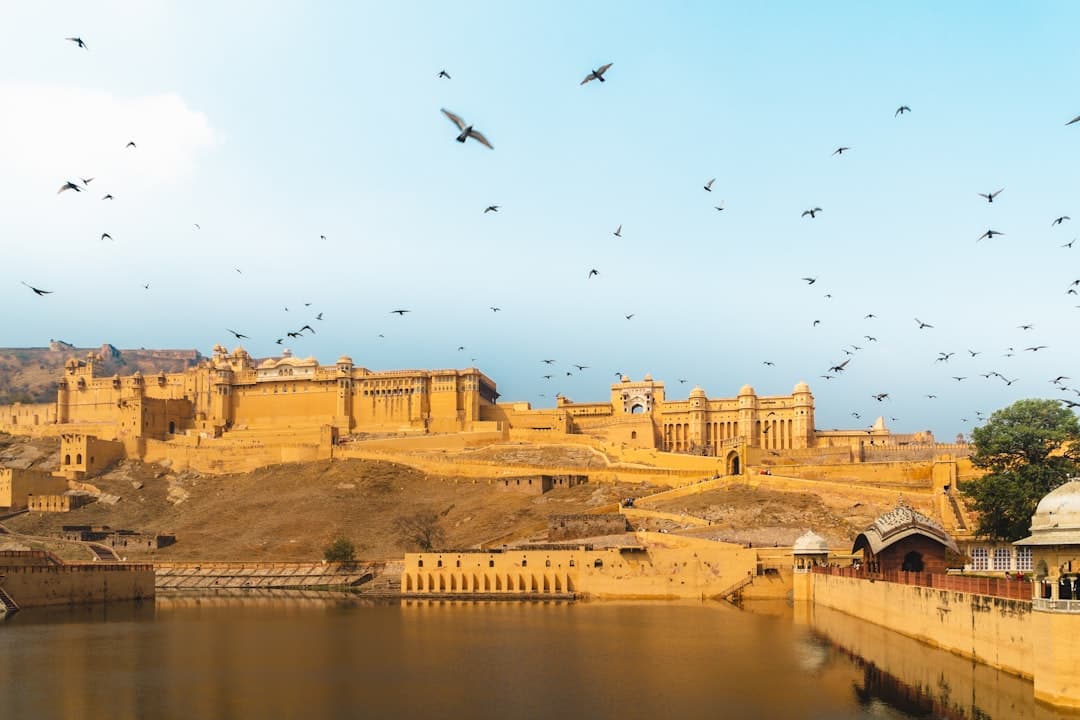
The kund is located in the Amer neighbourhood, right next to the Jaipur-Delhi highway and within easy walking distance of Amber Fort and Chand Baori's lesser-known cousin vibes. Entry is free or requires only a nominal fee, which means it attracts far fewer crowds than the ticketed sites nearby. Go early in the morning when the light is soft and the tour buses haven't arrived, or late afternoon when the golden hour turns the ochre sandstone into something genuinely magical.
Local Tips

  1. 1

    Stand at the very top centre of the well and look straight down — the symmetrical staircase pattern is most visually overwhelming from that single vantage point.

  2. 2

    Pair it with a visit to nearby Amber Fort and the Jaigarh Fort on the same morning — all three are within a kilometre or two of each other.

  3. 3

    Wear rubber-soled shoes with grip. The stone steps are steep, uneven, and can be slick even when dry — sandals are an accident waiting to happen.

  4. 4

    Visit on weekday mornings to have the place almost entirely to yourself — it's a genuinely quiet escape compared to the chaos of the main fort complex.

When to Go

Best times
October to February

Cool, dry weather makes exploring the steep steps comfortable and the light is ideal for photography — this is peak season for a reason.

Early morning (7–9am)

Light is soft and golden, crowds are minimal, and the shadows on the staircases are at their most dramatic.

Try to avoid
Midday in April–June

Rajasthan summer heat can make the exposed stone steps brutal to navigate — temperatures regularly exceed 40°C and the well offers little shade.

Monsoon (July–September)

The well may partially fill with water, which is visually interesting, but the steps become extremely slippery and hazardous.

Why Visit

01

The interlocking staircases create a geometric pattern unlike almost anything else in Rajasthan — it's one of the most visually striking stepwells in India.

02

It's free or nearly free to enter and sits minutes from Amber Fort, making it an easy add-on that most visitors completely miss.

03

You can walk freely all the way down to the water level with no barriers — a hands-on, unmediated encounter with 16th-century architecture.