
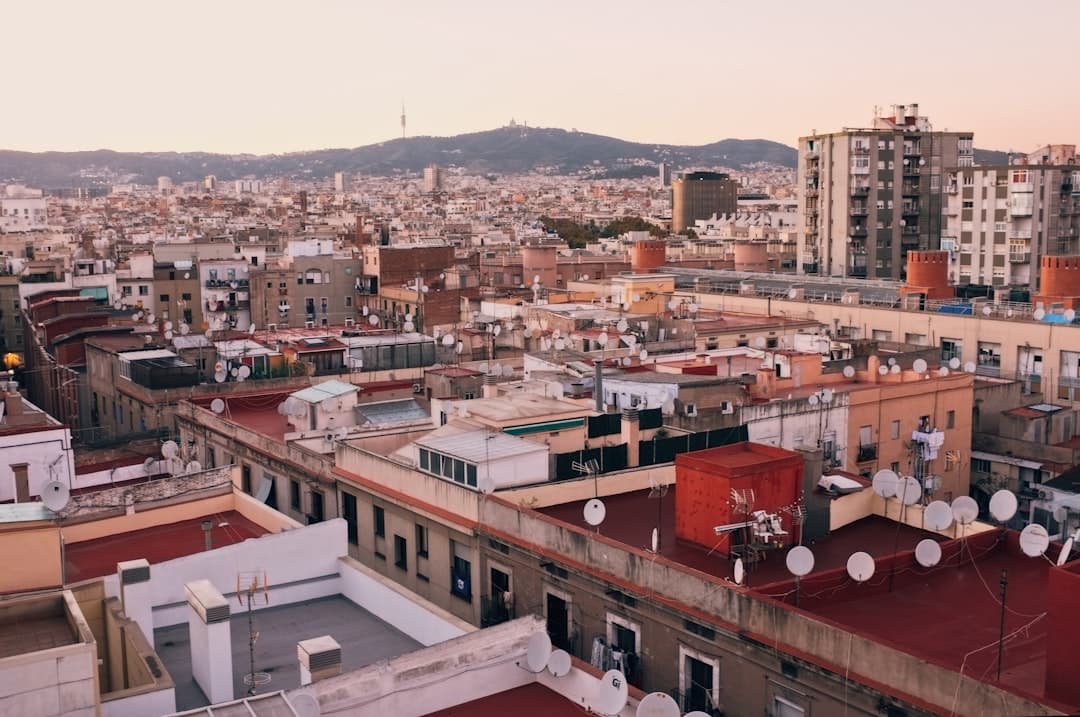
Passeig de Gràcia
Barcelona / Passeig de Gràcia

Passeig de Gràcia

Barcelona's grandest boulevard, lined with Modernista masterpieces and high-end boutiques.

🛍️ Shopping🏛️ Sights & Landmarks🎭 Arts & Entertainment🏘️ Neighborhoods
👨‍👩‍👧 Family-friendly🎭 Cultural🌹 Romantic

Passeig de Gràcia is Barcelona's most celebrated avenue — a wide, tree-lined boulevard that cuts through the Eixample district and serves as the city's architectural showpiece. It rose to prominence in the late 19th and early 20th centuries when wealthy Catalan families competed to commission the most dazzling buildings from the era's leading architects. The result is one of the densest concentrations of Art Nouveau — called Modernisme here — architecture anywhere in the world, with Antoni Gaudí, Lluís Domènech i Montaner, and Josep Puig i Cadafalch all leaving their marks within a single block.

The centerpiece of any visit is the so-called Manzana de la Discordia, or Block of Discord — a stretch between Carrer d'Aragó and Carrer del Consell de Cent where three rival Modernista masterpieces face each other down. Gaudí's Casa Batlló shimmers with its mosaic dragon-scale roof and bone-white facade; Domènech i Montaner's Casa Lleó Morera curves and blooms with floral stonework; and Puig i Cadafalch's Casa Amatller stacks stepped Flemish Gothic gables above Moorish arches. A few blocks north, Gaudí's Casa Milà — universally known as La Pedrera — ripples like a stone wave. You can tour the interiors of both Casa Batlló and La Pedrera for a deeper look at Gaudí's extraordinary spatial imagination.

The boulevard itself is worth lingering on: the hexagonal pavement tiles, also designed by Gaudí, extend the visual feast underfoot. The avenue doubles as one of Barcelona's prime shopping streets, with flagships from Zara to Louis Vuitton, plus department store El Corte Inglés nearby. Come in the evening when the facades are lit up and the city's residents are out for their passeig — that leisurely evening stroll that is as Catalan as anything else you'll find here.
Local Tips

  1. 1

    Look down: the hexagonal pavement tiles running the length of the boulevard were designed by Gaudí and are an attraction in their own right — most visitors walk right over them without realising.

  2. 2

    Book tickets for Casa Batlló and La Pedrera well in advance online; walk-up queues in peak season can be brutal, and timed-entry slots sell out days ahead.

  3. 3

    The Magic Nights at La Pedrera — evening rooftop events held in summer — are one of the best ways to experience the building with cocktail in hand and the city spread out below.

  4. 4

    If budget is tight, you can admire all three buildings on the Block of Discord from the street for free — the exteriors are the main event anyway, and no ticket is needed to appreciate them.

When to Go

Best times
Evening (7pm–10pm)

The buildings are lit at night, the heat of the day fades, and the boulevard fills with locals doing their passeig — the most atmospheric time to walk the avenue.

Spring (April–May) and Autumn (September–October)

Comfortable temperatures, shorter queues, and good light for photography — the best seasons to visit without the summer crush.

La Mercè Festival (late September)

Barcelona's biggest local festival brings free concerts and events to the city; the atmosphere on the passeig is especially lively.

Try to avoid
Summer (July–August)

Crowds are at their heaviest and the heat can be intense midday; queue times for Casa Batlló and La Pedrera stretch significantly.

Why Visit

01

See three of Europe's most jaw-dropping Art Nouveau buildings — including Gaudí's Casa Batlló — within a single city block.

02

The boulevard itself is a living, walkable museum with extraordinary pavement tiles, elegant lampposts, and constantly shifting architectural drama.

03

Evening here is a masterclass in Barcelona street life: beautiful buildings, lit facades, and the city's residents out for their ritual evening stroll.