
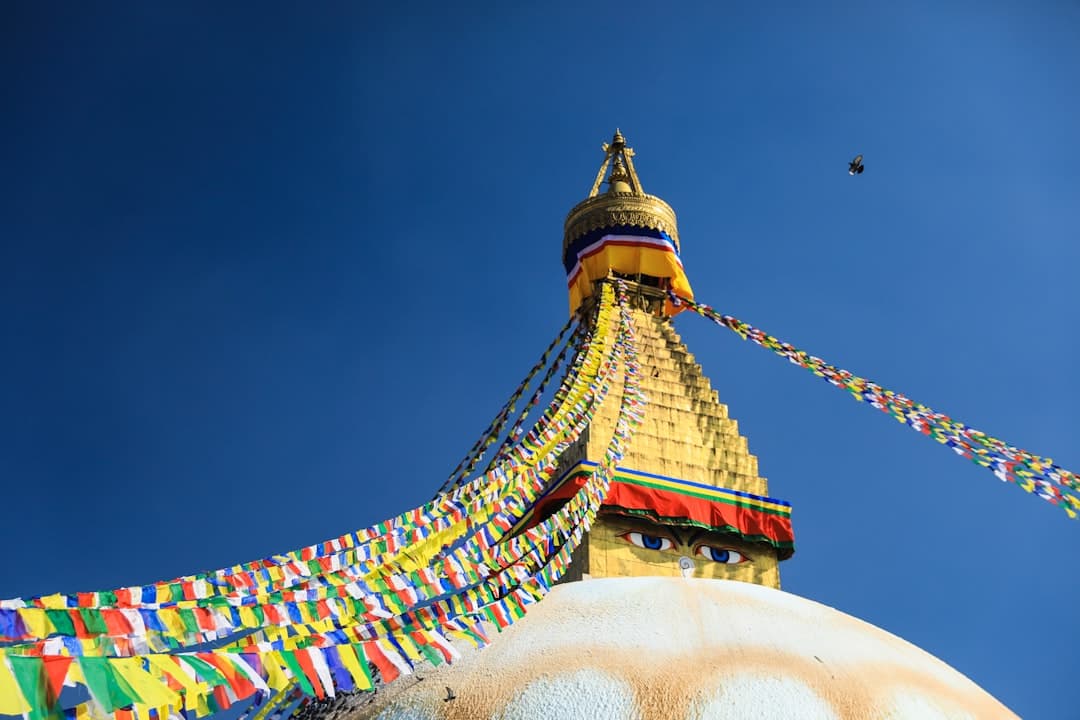
Pashupatinath Temple
Kathmandu / Pashupatinath Temple

Pashupatinath Temple

One of Hinduism's holiest sites, where life and death play out in plain sight.

🏛️ Sights & Landmarks🎯 Activities & Experiences
🎭 Cultural🗺 Off the beaten path

Pashupatinath is one of the most sacred Hindu temples in the world — a sprawling complex on the banks of the Bagmati River dedicated to Shiva in his form as Pashupati, lord of animals. It's been a place of pilgrimage for well over a thousand years and holds UNESCO World Heritage status as part of the Kathmandu Valley listing. For devout Hindus, dying here is considered among the most auspicious ends imaginable, and the temple draws hundreds of thousands of pilgrims annually from across Nepal and India.

The complex is enormous — more than 500 individual shrines and structures spread across both banks of the Bagmati. The inner sanctum of the main pagoda-style temple is off-limits to non-Hindus, but there's extraordinary things to witness from the outer areas: sadhus (wandering Hindu holy men) with ash-painted bodies and dreadlocks who pose for photos near the main temple entrance, and most memorably, the open-air cremation ghats on the Bagmati riverbank, where funeral pyres burn openly and families mourn. It's confronting, deeply human, and unlike anything most visitors have encountered before. The eastern bank gives an elevated view across the river to the ghats and the gilded roofs of the main temple — that's where non-Hindu visitors spend most of their time.

The hours listed by Google don't quite capture reality: the temple complex is active from very early morning (around 4am for the pre-dawn aarti ceremony) through evening, with the busiest and most atmospheric periods at dawn and dusk. Non-Hindu visitors are typically admitted from around 5am but should verify current access rules on arrival. The Rs 1,000 entry fee for foreign nationals applies. Come with patience and genuine respect — this is an active place of worship and mourning, not a museum.

Local Tips

  1. 1

    Non-Hindu visitors cannot enter the main gilded temple, but the view from the eastern bank across the river gives you a clear sightline to the ghats and the temple roofline — don't leave before finding this vantage point.

  2. 2

    The sadhus near the main entrance will pose for photos but expect a small tip — Rs 100–200 is normal and fair.

  3. 3

    Visit on a Saturday if possible: it's considered especially auspicious for Shiva worship and the temple sees more pilgrims, more ritual activity, and a livelier atmosphere.

  4. 4

    The cremation ghats are public and photography is not strictly banned, but treat the space like a funeral — keep cameras discreet, speak quietly, and never photograph grieving families close-up without a sense of whether they're comfortable with it.

When to Go

Best times
Maha Shivaratri (Feb/Mar)

The most important festival in the Hindu calendar for Shiva devotees — hundreds of thousands of pilgrims descend on Pashupatinath, sadhus arrive from across India, and the atmosphere is extraordinary. Crowds are massive but the experience is unmatched.

October–November

Post-monsoon skies are clear and dry, temperatures are comfortable, and the Dashain and Tihar festival seasons bring extra ceremony and life to the complex.

Dawn (5–7am)

The morning aarti and the early light over the gilded roofs make this the most atmospheric time of day — far fewer tourists, more pilgrims.

Try to avoid
June–August (Monsoon)

Heavy rains make the ghats slippery and the Bagmati rises significantly, sometimes flooding lower areas of the complex. Still operational but physically less pleasant.

Why Visit

01

Watch open-air cremation ceremonies at the riverside ghats — a raw, respectful window into how Hindu culture approaches death and the afterlife.

02

Encounter sadhus, wandering Hindu ascetics who have renounced worldly life — the Pashupatinath sadhus are among the most accessible in Nepal.

03

Explore one of South Asia's most important living religious complexes, active for over a millennium and still at the spiritual heart of Nepali life.